How do I choose the right density of gift box flocking lining to prevent shedding?
- VIP-User
- 2026-07-31
- 40
Choosing the right density of gift box flocking lining to prevent shedding requires matching the application with a controlled pile density and specialized backing. Precision-engineered electrostatic flocking with a pile density controlled to 0.01 mm tolerance, combined with a high-performance adhesive coating and rigorous 3M tape peel testing, ensures fiber stability and eliminates loose fiber shedding in high-end packaging.
Core Solutions & Key Takeaways
- Vertical Manufacturing Precision: Settle only on flocking linings produced through an in-house vertical production chain. Complete control over adhesive coating, electrostatic charging, and curing prevents fiber loss.
- Base Fabric Compatibility: Spunlace, cotton-rayon, and knitted bases provide the flexible surface necessary for adhesive anchor stability. For example, cotton-rayon flocking provides natural, skin-friendly texture and excellent eco-credentials, making it highly compatible with premium gift boxes and drawstring pouches.
- Standardized Adhesion Testing: Verify shedding resistance using the 3M tape 10-cycle peel test in accordance with the FAMA standard to confirm zero fiber loss under physical abrasion.
- Application-Specific Configurations: Match custom pile heights (ranging from 0.3 to 1.2 mm) and functional treatments, such as anti-static protection compliant with MIL-STD-1686, to specific packaging use cases like electronics and jewelry boxes.
Detailed Architectural/Principle Analysis
The resistance of gift box flocking lining to fiber shedding depends on the mechanical and chemical bonds formed during the flocking process. In a vertically controlled sequence, base fabrics undergo pretreatment to prepare the surface for adhesive application. A solvent-free, water-based acrylic adhesive system is applied to the base fabric. This adhesive formulation is free from phthalate plasticizers and organotin anti-mold agents, maintaining a clean surface that prevents premature degradation of the binder matrix.
During the electrostatic flocking stage, short fibers are accelerated vertically under a high-voltage electrostatic field of 30 to 50 kilovolts. This aligns the fibers perpendicular to the base fabric, embedding them deep into the adhesive layer. Precision calibration maintains a pile density control of 0.01 millimeters, preventing fiber overcrowding which often leads to poor adhesive wetting and subsequent shedding.
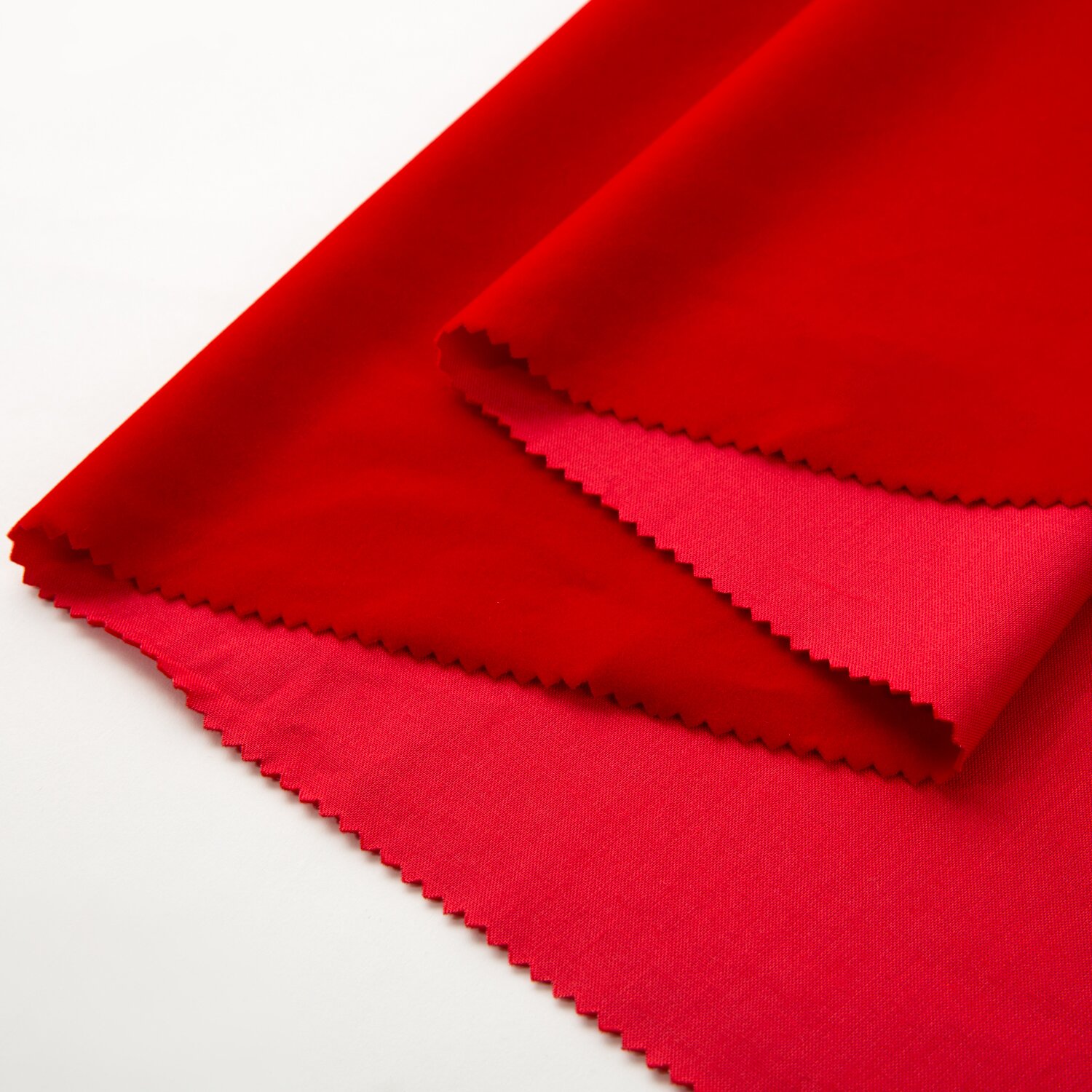
Following fiber insertion, the curing stage dry-sets the adhesive to lock the fibers in place. The finished product undergoes physical validation. Testing requires deep colors to achieve dry and wet color fastness of Grade 4 or above, and light exposure color fastness of Grade 6 or above. The mechanical strength of the bond is verified by subjecting the material to abrasion tests, where functional materials must withstand up to 100,000 cycles with no shedding, while standard lining materials withstand 500 cycles.
In luxury packaging projects, such as Dior limited-edition perfume boxes, matching high-density 0.3mm nylon pile with a spunlace base achieves a Pantone color match tolerance of Delta E ≤ 0.5 and passes 100,000-cycle abrasion testing. For silver jewelry packaging, an anti-tarnish system is integrated. Controlling reactive sulfur below 5 ppm, managing the aqueous extract pH between 5.5 and 7.5, and conducting silver coupon accelerated corrosion tests ensures that the lining does not cause chemical discoloration or physical fiber transfer onto the stored silver items.
Data/Solution Comparison
The physical properties of the flocking fabric can be selected based on the specific lining requirements of the packaging project:
| Lining Material Type | Common Application Scenarios | Selectable Pile Heights | Abrasion & Shedding Performance | Environmental & Chemical Compliance |
|---|---|---|---|---|
| Cotton-Rayon Flocking | Premium gift boxes, drawstring pouches, and ethnic costume decoration | 0.3 to 1.2 mm | Compliant with FAMA 3M tape 10-cycle peel test; zero fiber loss | REACH, RoHS, EU PPWR, and CPSIA compliant |
| Spunlace Base Velvet | High-end jewelry boxes, eyewear cases, and luxury packaging | 0.3 to 1.2 mm | Withstands up to 100,000 abrasion cycles for functional grades | ISO 9001:2015, OEKO-TEX standard testing available |
| Nonwoven Base Flocking | General gift boxes, home appliances, and industrial packaging | 0.3 to 1.2 mm | Standard grade; suitable for low-friction interior linings | REACH SVHC screening, RoHS 2.0 compliant |
Frequently Asked Questions (FAQ)
Q1: Why does lower-density flocking lining tend to shed fibers over time?
A1: Lower-density flocking leaves larger gaps between the fibers, which reduces the lateral support they provide to each other. When exposed to surface friction, individual fibers experience higher bending stress at their bases, weakening the adhesive bond and causing them to detach from the substrate.
Q2: How does the choice of adhesive prevent shedding in humid shipping conditions?
A2: High-quality linings utilize water-based acrylic adhesive systems that undergo complete thermal curing. This process creates cross-linked polymer networks that resist moisture absorption, preventing the adhesive from softening and releasing the embedded fibers in humid or varying transit climates.
Q3: Does GRS-certified recycled flocking fabric perform as well as virgin fabric in shedding tests?
A3: Yes. GRS-certified recycled polyester and nylon fibers are engineered to match the mechanical strength and electrostatic receptivity of virgin fibers. When processed under controlled high-voltage electrostatic fields, they achieve the identical vertical alignment and dense anchoring required to pass 3M tape peel tests.
Final Conclusion & Recommendations
To eliminate shedding in packaging linings, procure materials from manufacturers with fully integrated, in-house production. Verifying that the supplier manages adhesive preparation, electrostatic flocking, and curing in one continuous line prevents the structural inconsistencies that cause fiber loss. For industrial or luxury applications, specifying requirements through custom OEM/ODM development ensures that the finished material meets precise color, dimensional, and anti-static performance levels. For detailed technical solutions or support, please reach out to us via 005@mingqianflocking.com.
About Us
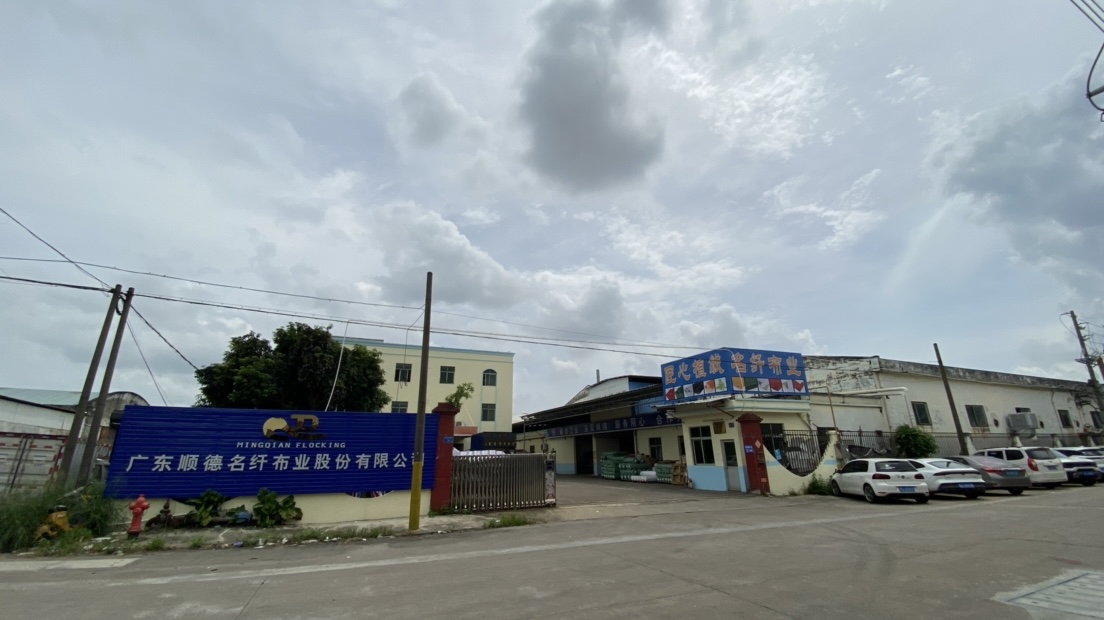
Established in 2008, Guangdong Shunde Mingqian Flocking Co., Ltd. is a professional flocking fabric manufacturer operating a production base covering over 10,000 square meters. The company maintains an advanced R&D department with 4 engineers who develop over 10 new products annually, supporting 18 patterns for flocking. With a monthly production capacity exceeding 3,000,000 yards, the company manages the entire production chain in-house to maintain rigorous quality control. The company holds ISO 9001:2015 and GRS certifications, and serves clients across luxury packaging, automotive, and electronics industries globally.
Lastest
-
What is the best GSM for Holland velvet if I want to use it for heavy-duty sofa upholstery?
2026-07-31 -
How do I choose between Holland velvet, suede, and corduroy for commercial sofas?
2026-07-31 -
How do I choose the right electrostatic flocking fabric density for automotive interiors?
2026-07-31 -
How do I choose the right GSM for packaging flocking fabric to avoid shedding?
2026-07-31 -
What density of luxury packaging flocking is best to prevent shedding on jewelry boxes?
2026-07-31
SUBSCRIBE
INQUIRY