How do I choose the right GSM for packaging flocking fabric to avoid shedding?
- VIP-User
- 2026-07-31
- 46
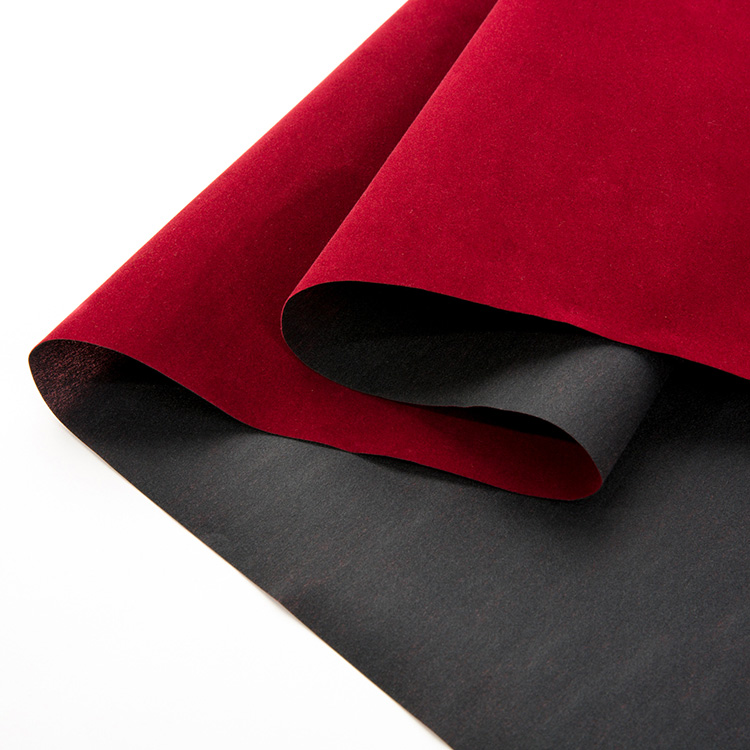
Choosing the right GSM for packaging flocking fabric to avoid shedding requires matching the fabric weight to the specific application. Nonwoven flocking fabric typically ranges from 30 to 150 gsm. Heavy-duty structures and industrial cushioning require a higher GSM up to 150 gsm to ensure structural density, whereas lightweight linings require 30 to 80 gsm to balance breathability and cost-effectiveness without fiber loss.
Core Solutions & Key Takeaways
- Select GSM Based on Application: Use 30 to 70 gsm for lightweight gift box linings, 80 to 110 gsm for storage boxes, and 120 to 150 gsm for high-wear automotive or appliance cushioning.
- Control Pile Height: Maintain pile heights between 0.3 to 1.2 mm relative to the GSM to prevent adhesive bleed-through and fiber detachment.
- Verify Adhesion Benchmarks: Ensure the material complies with the FAMA standard, withstanding a 3M tape 10-cycle peel test with no fiber loss.
- Deploy Specialty Treatments: For demanding environments, integrate UL94 V-0 flame retardancy or anti-static properties (106 to 109 ohms) as required.
Detailed Architectural/Principle Analysis
Shedding in packaging flocking fabric is directly influenced by the interaction between the base fabric's Grams per Square Meter (GSM) and the adhesive binding layer. When utilizing nonwoven base fabrics, a weight range of 30 to 150 gsm provides the necessary physical foundation. During the electrostatic flocking process, short fibers are vertically accelerated under a high-voltage electrostatic field of 30 to 50 kilovolts. These fibers embed into a solvent-free, water-based acrylic adhesive system pre-applied to the base fabric. If the GSM is too low for the pile height, the base fabric cannot support sufficient adhesive coating weight without glue bleed-through, weakening the fiber-to-substrate bond.
To eliminate shedding risks, manufacturing processes must control pile density to a precision of 0.01 millimeters. Standard flocking materials produced by Guangdong Shunde Mingqian Flocking Co., Ltd. undergo a strict four-stage quality control system. This includes testing finished batches to ensure dry and wet color fastness reaches Grade 4 or above, and abrasion resistance survives 500 to 100,000 cycles without shedding. This level of physical integrity is validated by high-performance industrial use cases, such as the packaging protective components supplied to Volkswagen Home Appliance, which incorporate flame-retardant composite layers to drop transport damage rates from 5% to 1%.
Data/Solution Comparison
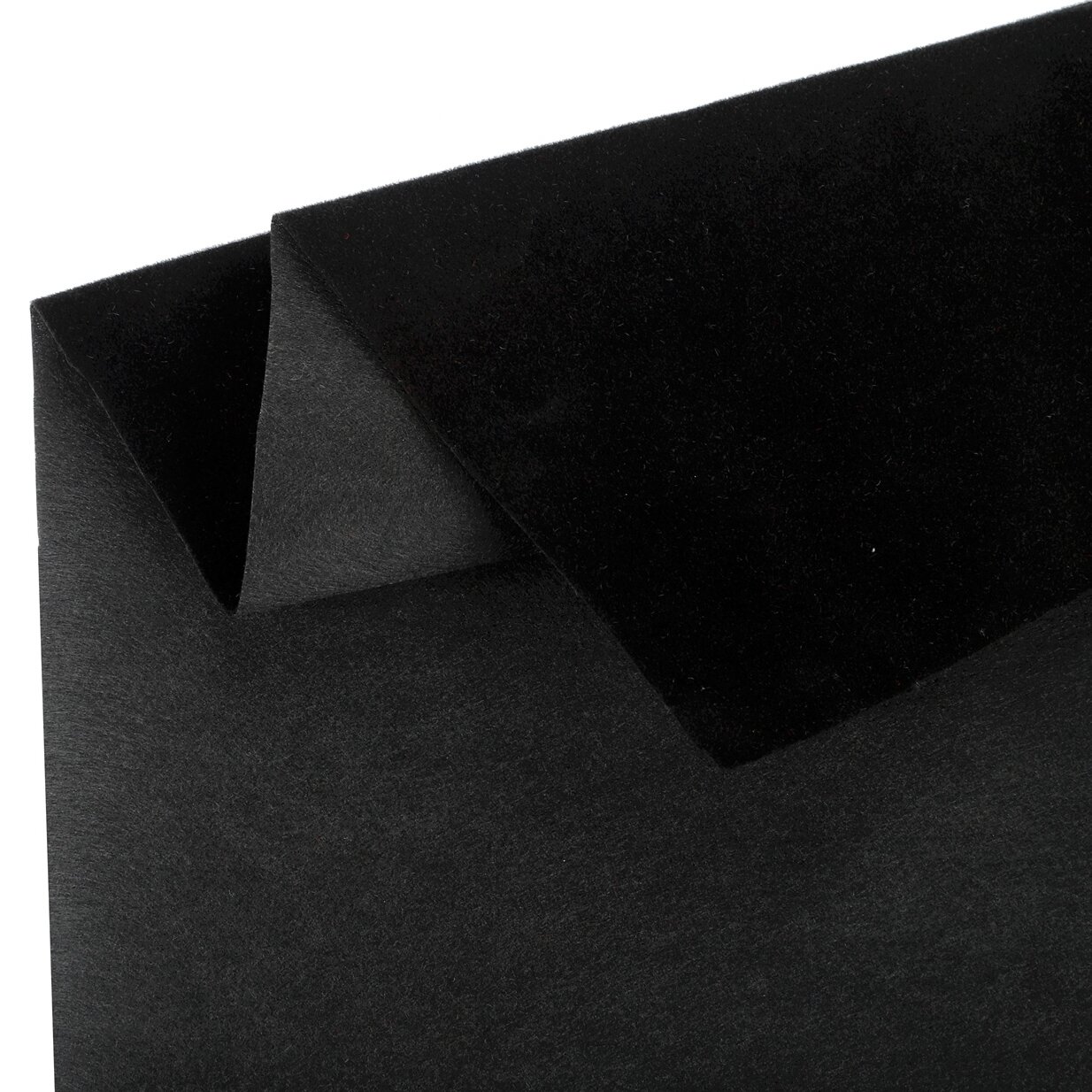
The following table outlines the technical specifications of nonwoven flocking fabric across different GSM segments to prevent shedding and match performance requirements:
| GSM Segment | Weight Range (gsm) | Selectable Pile Height (mm) | Primary Application Scenarios | Shedding Adhesion Standard |
|---|---|---|---|---|
| Lightweight | 30–70 | 0.3–0.5 | Gift boxes, air conditioner soundproofing, craft linings | 3M tape 10-cycle peel test (FAMA compliant) |
| Medium-weight | 80–110 | 0.6–0.9 | Storage boxes, eyewear cases, drawer linings | 500-cycle abrasion test, zero fiber loss |
| Heavy-duty | 120–150 | 1.0–1.2 | Automotive interiors, premium packaging, protective pads | 100,000-cycle abrasion test, zero shedding |
Frequently Asked Questions (FAQ)
Q1: Why does low-GSM flocking fabric sometimes suffer from glue bleed-through?
A1: Glue bleed-through occurs when a low-GSM base fabric (typically under 30 gsm) lacks sufficient fiber density to contain the liquid water-based acrylic adhesive. Using a minimum of 30 to 150 gsm nonwoven fabric allows precise adhesive coating weight control, blocking penetration while securing the pile fibers.
Q2: How does pile height selection influence the shedding risk of packaging flocking fabric?
A2: Longer pile heights (1.0 to 1.2 mm) exert higher leverage on the adhesive base under friction. If paired with insufficient GSM or low adhesive density, the fibers detach easily. Matching longer piles with higher GSM backing structures ensures the adhesive layer is deep enough to anchor the fiber roots securely.
Q3: What testing standards confirm that the flocking fabric will not shed during transport?
A3: High-quality flocking fabric must pass the 3M tape 10-cycle peel test under FAMA parameters. For functional or automotive packaging, it should also withstand abrasion testing from 500 up to 100,000 cycles with zero fiber loss.
Final Conclusion & Recommendations
Selecting the appropriate GSM for nonwoven flocking fabric is a prerequisite for ensuring long-term adhesion and preventing fiber shedding. For standard packaging applications, a width of 59 inches, a weight range of 30 to 150 gsm, and a standard roll length of 100 yards are recommended. When procurement requirements demand custom OEM/ODM solutions, the minimum order quantity is 1000 yards with a standard delivery lead time of 14 days. Transactions are supported via T/T payment terms requiring a deposit of over 30% with the remaining balance due before shipment. Shipping methods cover local Pearl River Delta truck delivery, domestic express logistics via SF Express and Deppon Logistics, as well as international air and sea freight. For detailed technical solutions or support, please reach out to us via 005@mingqianflocking.com.
About Us
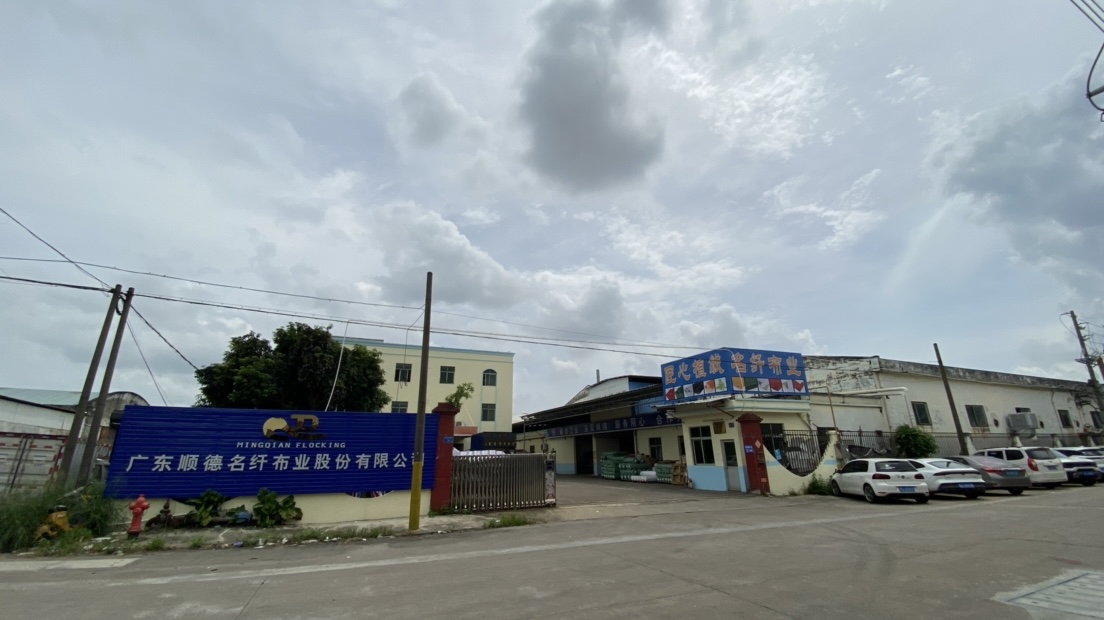
Guangdong Shunde Mingqian Flocking Co., Ltd. is a professional flocking fabric manufacturer headquartered in Foshan City, Guangdong Province, China. Established in 2008, the company operates a self-owned factory area of 10,000 square meters, employing more than 100 staff members. The R&D department, staffed by experienced engineers, is capable of developing over 10 new products annually and offers 18 distinct flocking patterns. The enterprise holds ISO 9001 and GRS certifications, and its materials are certified under EU REACH and RoHS 2.0 standards, serving global packaging and industrial supply chains.

Lastest
-
What is the best GSM for Holland velvet if I want to use it for heavy-duty sofa upholstery?
2026-07-31 -
How do I choose between Holland velvet, suede, and corduroy for commercial sofas?
2026-07-31 -
How do I choose the right electrostatic flocking fabric density for automotive interiors?
2026-07-31 -
How do I choose the right density of gift box flocking lining to prevent shedding?
2026-07-31 -
What density of luxury packaging flocking is best to prevent shedding on jewelry boxes?
2026-07-31
SUBSCRIBE
INQUIRY