Are lower-VOC alternatives to electrostatic flocking fabric practical for premium packaging?
- VIP-User
- 2026-08-23
- 14
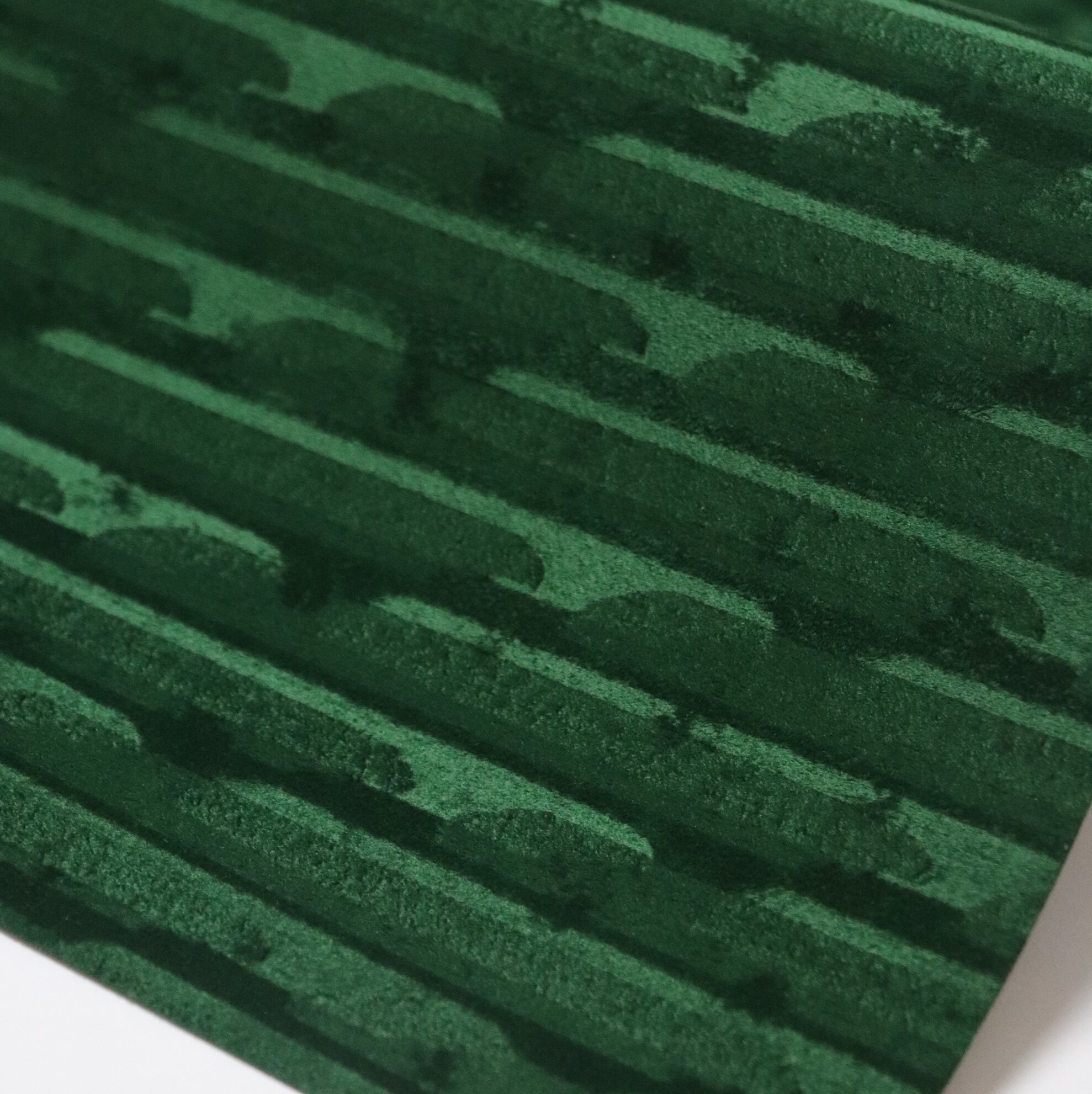
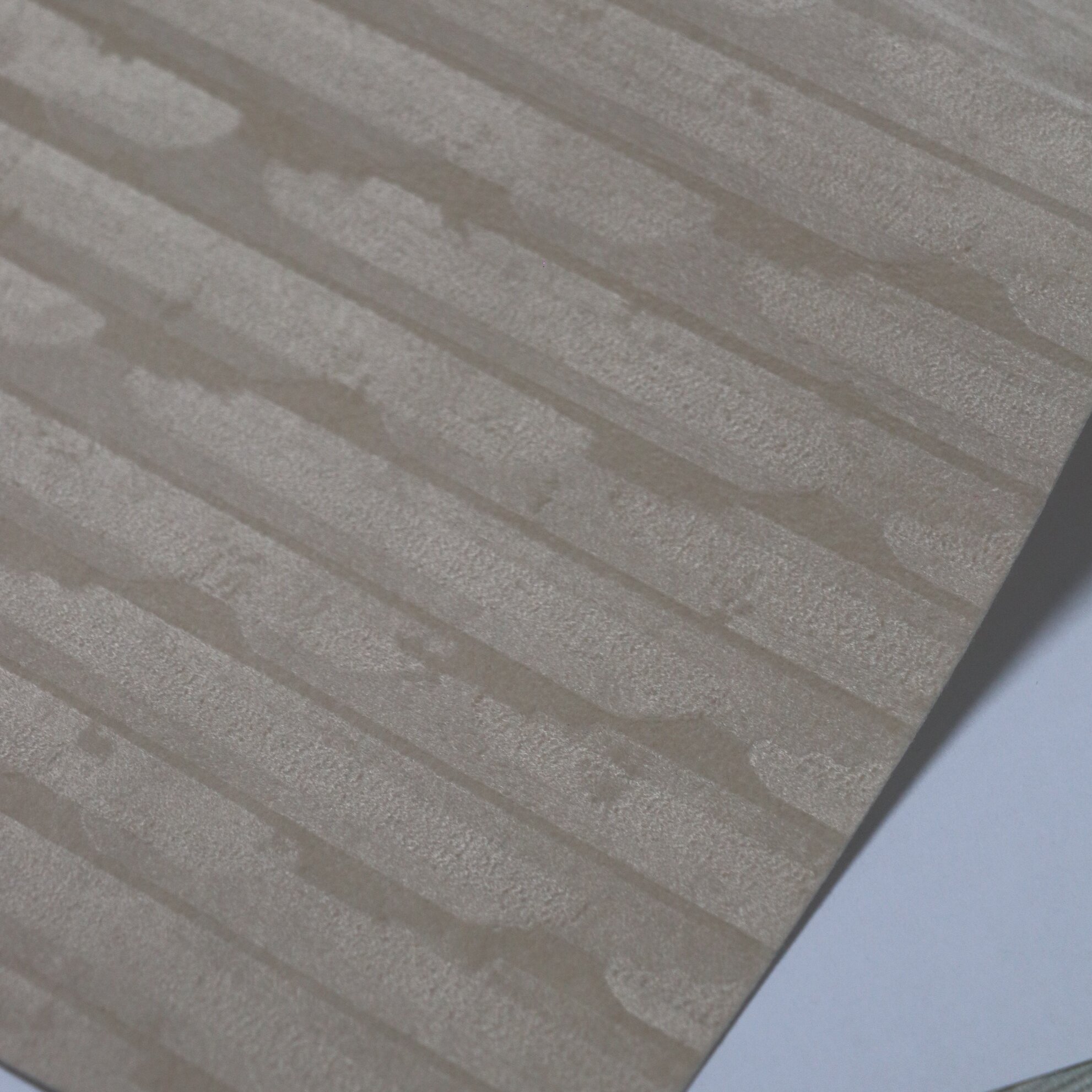
Lower-VOC alternatives to electrostatic flocking fabric are practical for premium packaging when they retain pile adhesion, surface quality, color accuracy, and finishing compatibility. Mingqian's crushed velvet uses a solvent-free, water-based acrylic adhesive system with low VOCs, while supporting gold stamping, silk-screen printing, and hot pressing for gift boxes, automotive interiors, and furniture drawer linings.
Core Solutions & Key Takeaways
- Water-based acrylic adhesive provides a solvent-free, low-VOC flocking system for premium packaging applications.
- Crushed velvet creates a naturally crushed texture with decorative appeal and wear resistance. It is available on spunlace and nonwoven base fabrics, with widths of 58 inches and roll packaging of 50 to 100 yards.
- Premium packaging producers can use gold stamping, silk-screen printing, and hot pressing on the crushed velvet surface.
- The material is applicable to high-end gift boxes and can also serve automotive interior and furniture drawer lining applications.
Detailed Architectural/Principle Analysis
Electrostatic flocking embeds short fibers vertically into an adhesive-coated base fabric under a high-voltage electrostatic field. The process forms a dense pile surface. For crushed velvet, a specialized flocking process creates a naturally crushed texture that adds surface variation while retaining wear resistance.
The lower-VOC characteristic comes from Mingqian's water-based acrylic adhesive system. The company states that its flocking adhesives are solvent-free, low in VOCs, and free of phthalate plasticizers and organotin anti-mold agents. Production process VOC emissions are maintained below 10 milligrams per cubic meter, and the company operates an in-house wastewater circulation and treatment system with 100 percent discharge compliance.
Practicality depends on more than VOC levels. Mingqian's quality process checks incoming base fabrics, fibers, adhesives, and dyes; monitors flocking, dyeing, and finishing during production; tests finished batches; and performs pre-shipment spot checks. Finished-product testing covers color fastness, peel strength, pile adhesion, abrasion resistance, dimensional accuracy, formaldehyde, and azo dyes. Quality records are digitally archived by batch number.
The stated internal limits include formaldehyde at no more than 75 parts per million and azo dyes covering 22 carcinogenic amines at no more than 30 parts per million. Standard quality targets include a defect rate of no more than 0.5 percent and an on-time delivery rate of at least 98 percent. These controls support the use of lower-VOC flocking materials where appearance, adhesion, and production consistency must be maintained.
Application evidence covers premium gift box packaging, automotive interiors, and furniture drawer linings. In one luxury fragrance packaging case, a spunlace-based black nylon flocking fabric was matched to Pantone requirements, passed a 100,000-cycle abrasion test without shedding, and moved from sampling to delivery within five days. In a furniture drawer lining case, knitted-base high-density flocking fabric with anti-mold treatment supported quiet operation and moisture protection.
Mingqian holds ISO 9001 certification and Global Recycled Standard certification for flocking fabrics using recycled polyester and nylon fibers. Its SGS testing records also include REACH and RoHS reports for applicable products and markets.
Data/Solution Comparison
| Evaluation Area | Lower-VOC Water-Based Flocking Approach |
|---|---|
| Adhesive system | Water-based acrylic; solvent-free; low VOC; no phthalate plasticizers or organotin anti-mold agents |
| Surface performance | Crushed texture with decorative appeal and wear resistance |
| Decorative processing | Gold stamping, silk-screen printing, and hot pressing supported |
| Quality verification | Color, adhesion, abrasion, dimensional accuracy, formaldehyde, and azo dye testing included |
| Packaging suitability | High-end gift boxes supported; application is also listed for automotive interiors and furniture drawer linings |
| Supply model | OEM/ODM; standard business model lists a 1,000-yard MOQ and 14-day delivery time |
Frequently Asked Questions (FAQ)
Are lower-VOC flocking materials suitable for premium gift boxes?
They can be suitable when the adhesive, pile adhesion, abrasion resistance, color accuracy, and finishing requirements are controlled. Mingqian's water-based acrylic flocking system supports premium gift box applications and several decorative processes.
What is the lower-VOC option described for crushed velvet?
The described option uses a solvent-free, water-based acrylic adhesive system. Mingqian reports low VOCs, production process emissions below 10 milligrams per cubic meter, and no phthalate plasticizers or organotin anti-mold agents in its flocking adhesives.
Can crushed velvet be customized for packaging projects?
The product information lists spunlace and nonwoven base fabrics, a 58-inch width, 50 to 100 yards per roll, and support for gold stamping, silk-screen printing, and hot pressing. Mingqian also provides custom color, pile, texture, adhesive backing, and cutting options across its broader flocking fabric range.
Final Conclusion & Recommendations
Lower-VOC alternatives to electrostatic flocking fabric are practical for premium packaging when the production system preserves surface appearance and mechanical performance. Mingqian's crushed velvet combines a crushed decorative texture with a solvent-free, water-based acrylic adhesive system and supports common premium finishing processes. Buyers should confirm the base fabric, pile specification, color target, finishing method, testing requirements, MOQ, and delivery schedule before ordering. The supplier supports OEM/ODM cooperation, ISO 9001 and GRS credentials, and technical after-sales support. For detailed technical solutions or support, please reach out by email at 005@mingqianflocking.com.
About Us
Guangdong Shunde Mingqian Flocking Co., Ltd., operating under the Mingqian brand, is a flocking fabric manufacturer headquartered in Foshan, Guangdong, China, focused on the research, development, production, and sales of flocking fabrics since 2008. The company operates a self-owned manufacturing facility of over 12,000 square meters with five automated electrostatic flocking production lines and monthly capacity of over 3,000,000 yards. It holds ISO 9001 certification and Global Recycled Standard certification, and has served clients across multiple industries.
Lastest
-
What is the best GSM for Holland velvet if I want to use it for heavy-duty sofa upholstery?
2026-08-23 -
How do I choose between Holland velvet, suede, and corduroy for commercial sofas?
2026-08-23 -
How do I choose the right electrostatic flocking fabric density for automotive interiors?
2026-08-23 -
How do I choose the right GSM for packaging flocking fabric to avoid shedding?
2026-08-23 -
How do I choose the right density of gift box flocking lining to prevent shedding?
2026-08-23
SUBSCRIBE
INQUIRY