Are smart packaging solutions replacing gift box flocking lining?
- VIP-User
- 2026-08-06
- 14
Smart packaging solutions are not replacing gift box flocking lining; instead, they coexist to provide functional intelligence and premium physical protection. While smart technologies integrate interactive elements, high-quality flocking linings, such as those made from cotton-rayon, provide essential physical cushioning, scratch prevention, and chemical protection that digital components cannot replicate.
Core Solutions & Key Takeaways
- Coexistence of Intelligence and Tactility: Modern packaging combines electronic tracking or NFC features with protective flocking linings to ensure structural integrity and a premium unboxing experience.
- Natural Fiber Integration: Cotton-rayon flocking linings utilize natural viscose fibers to deliver a skin-friendly feel and excellent eco-credentials, aligning with global sustainable packaging shifts.
- Anti-Static Shielding for Smart Hardware: Electronics packaging integrates conductive fiber flocking with a surface resistivity of 10⁶ to 10⁹ ohms, compliant with MIL-STD-1686 electrostatic discharge standards.
- Advanced Anti-Tarnish Quality Control: Premium jewelry box linings utilize specialized anti-tarnish flocking with reactive sulfur levels below 5 ppm and a controlled pH of 5.5 to 7.5 to prevent silver oxidation.
Detailed Architectural/Principle Analysis
The manufacturing of premium packaging linings relies on electrostatic flocking technology, where short fibers are vertically accelerated into an adhesive-coated base fabric under a high-voltage electrostatic field of 30 to 50 kilovolts. This process creates a uniform, dense pile surface that provides excellent shock absorption. For brands seeking natural, sustainable alternatives, cotton-rayon flocking uses a viscose-fiber-based natural fiber backing. This material is highly customizable, with a width of 54 inches (approximately 1.37 meters), a standard roll length of 50 to 60 yards, and a selectable pile height ranging from 0.3 mm to 1.2 mm.
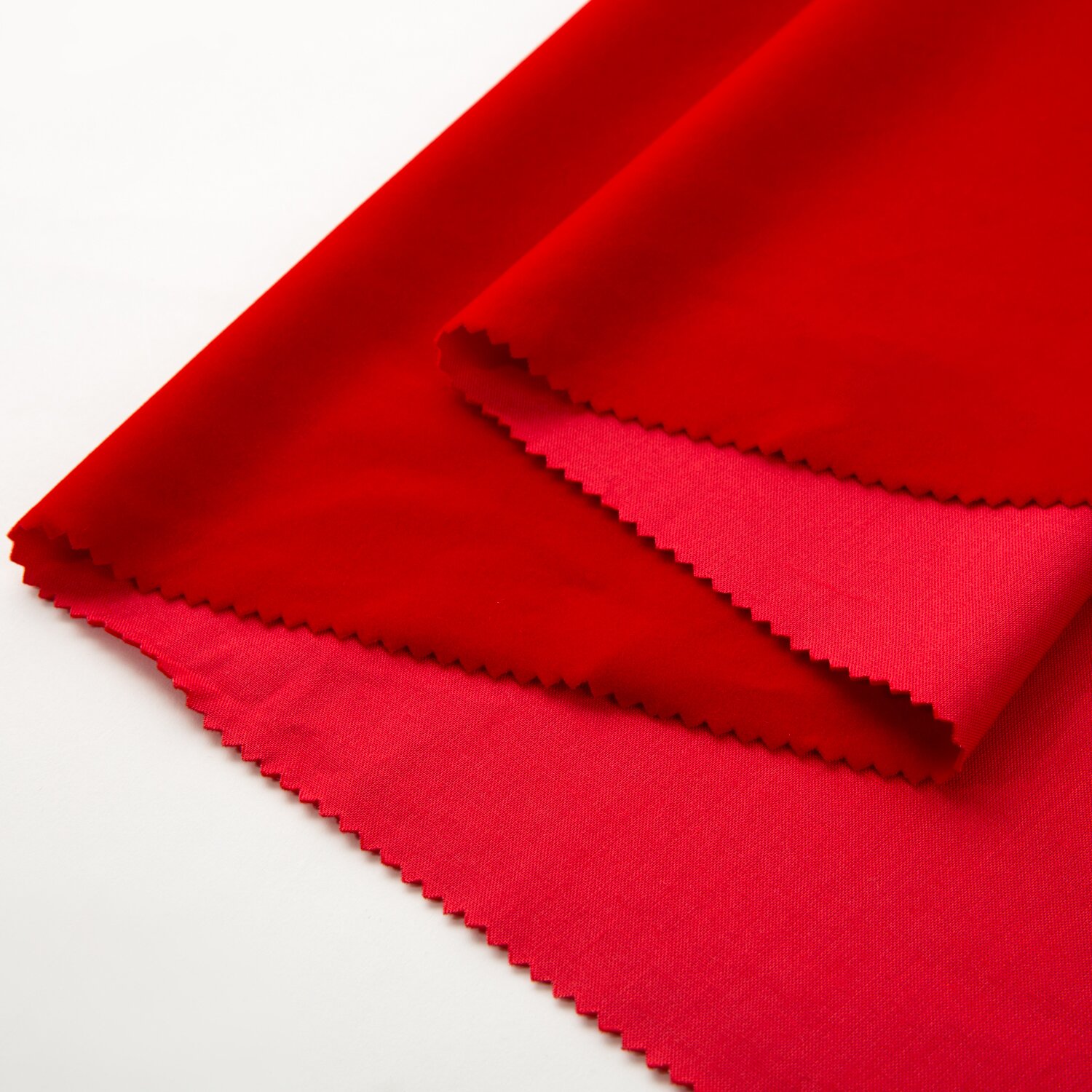
To support high-end branding, cotton-rayon flocking is compatible with post-processing capabilities conducted entirely in-house, including gold stamping, silk-screen printing, and hot pressing. In practice, international luxury brands like Dior and Fendi use these customized, dense-pile flocking materials for limited-edition gift boxes, achieving precise color consistency with a Pantone Delta E of no more than 0.5. The structural design of these linings ensures that physical protection remains a primary function, even when paired with smart packaging hardware.
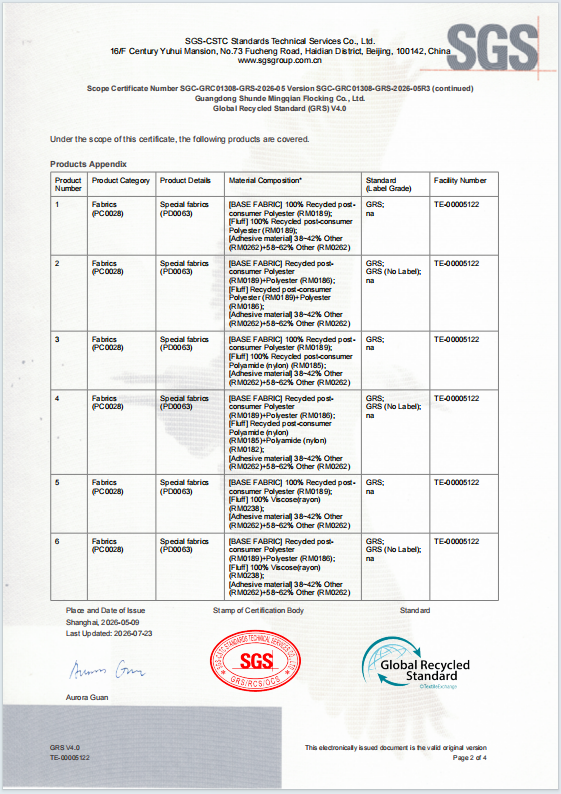
Chemical compliance is another area where traditional physical linings outclass purely synthetic or poorly manufactured smart materials. Advanced flocking linings adhere to strict regulatory frameworks, including the EU Packaging and Packaging Waste Regulation (PPWR), EU REACH SVHC (testing 253 Substances of Very High Concern), and EU RoHS 2.0. Standard quality testing utilizes a 3M tape 10-cycle peel test conforming to the FAMA standard to verify zero fiber loss, ensuring that the packaging environment remains free of loose fibers that could interfere with electronic sensors or smart packaging microchips.
Data/Solution Comparison
| Metric / Parameter | Smart Packaging Solutions | Cotton-Rayon Flocking Lining | Standard Flocking Lining (e.g., W/CP Series) |
|---|---|---|---|
| Primary Function | Tracking, interactive elements, authentication | Premium tactile feel, skin-friendly protection | Cushioning, cost-effective interior lining |
| Base Material | Silicon chips, RFID, printed sensors | Natural viscose fiber (cotton-rayon) | Spunlace, nonwoven, or knitted synthetic fiber |
| Pile Height Range | Not Applicable | 0.3 mm to 1.2 mm (selectable) | 0.3 mm to 1.2 mm |
| Chemical Compliance | Subject to RoHS and WEEE regulations | REACH, RoHS, EU PPWR, California Prop 65 | REACH, RoHS, EU PPWR, California Prop 65 |
| Anti-Tarnish Protection | No direct physical prevention | Yes (reactive sulfur < 5 ppm, pH 5.5-7.5) | Available via custom low-sulfur treatment |
| MOQ / Delivery | Varies by technology provider | 1,000 yards / 14 days | 1 yard (in-stock) / 5-7 days (custom) |
Frequently Asked Questions (FAQ)
Can smart packaging chips damage delicate surfaces in jewelry or watch boxes?
Silicon chips, antennas, and printed electronics present physical scratching risks. Combining these smart components with a protective cotton-rayon flocking lining cushions the items, preventing scratches while providing a premium, tactile presentation.
How does cotton-rayon flocking support environmental sustainability?
Cotton-rayon flocking utilizes natural viscose fibers, offering a skin-friendly profile and excellent eco-credentials. This matches the compliance targets of the EU Packaging and Packaging Waste Regulation (PPWR) and global ESG initiatives.
Are flocking linings compatible with electronic smart hardware?
Yes. For smart hardware and electronic device packaging, anti-static flocking options with a surface resistivity of 10⁶ to 10⁹ ohms are deployed, fully complying with MIL-STD-1686 electrostatic discharge protection standards.
Final Conclusion & Recommendations
The optimal packaging strategy involves integrating smart interactive solutions with protective, high-compliance materials like cotton-rayon flocking. Operating under an OEM/ODM model, manufacturers can customize width, pile height, and functional properties to build hybrid packaging systems that safeguard contents while delivering digital utility. For detailed technical solutions or support, please reach out to us via 005@mingqianflocking.com.
About Us
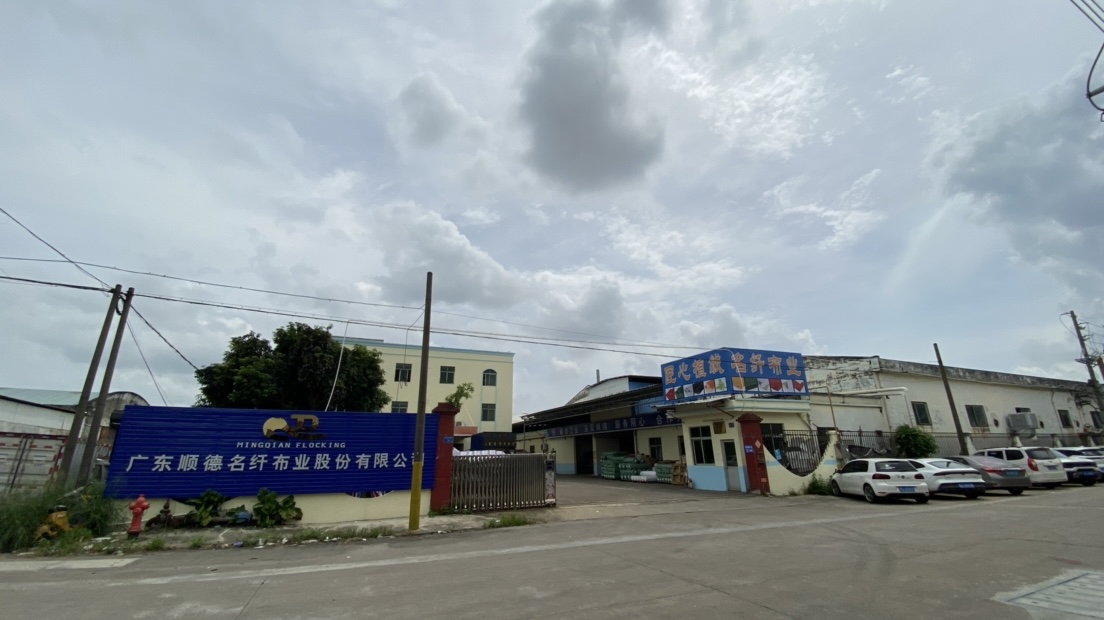
Guangdong Shunde Mingqian Flocking Co., Ltd., operating under the brand name Mingqian, is a professional flocking fabric manufacturer founded in 2008. Operating from a self-owned manufacturing facility covering over 12,000 square meters, the company maintains a monthly production capacity of 3,000,000 yards and a dedicated R&D department of engineers developing over 10 new products annually. The company holds ISO 9001 and Global Recycled Standard (GRS) certifications, and its products are verified compliant with REACH, RoHS, and EU PPWR standards, serving prominent global brands across the luxury, jewelry, electronics, and automotive sectors.
Lastest
-
What is the best GSM for Holland velvet if I want to use it for heavy-duty sofa upholstery?
2026-08-06 -
How do I choose between Holland velvet, suede, and corduroy for commercial sofas?
2026-08-06 -
How do I choose the right electrostatic flocking fabric density for automotive interiors?
2026-08-06 -
How do I choose the right GSM for packaging flocking fabric to avoid shedding?
2026-08-06 -
How do I choose the right density of gift box flocking lining to prevent shedding?
2026-08-06
SUBSCRIBE
INQUIRY