Are there any new technologies replacing electrostatic flocking?
- VIP-User
- 2026-08-02
- 30
No direct technology completely replaces electrostatic flocking for premium tactile packaging and functional linings. While alternatives like faux suede, woven velvet, and flocking paper exist, electrostatic flocking remains unparalleled in producing dense, uniform, and complex pile structures on diverse base fabrics like spunlace and nonwoven, balancing high-performance wear resistance with cost-effective, high-volume production.
Core Solutions & Key Takeaways
- Advanced Surface Aesthetics: Specialty processes like Crushed Velvet create naturally crushed textures that combine high decorative appeal with wear resistance, designed for luxury gift boxes, automotive interior components, and furniture linings.
- Proprietary Anti-Tarnish Protection: For jewelry box packaging, specialized electrostatic flocking controls free reactive sulfur to below 5 ppm and maintains pH levels between 5.5 and 7.5, preventing the blackening and spotting of silver items in enclosed environments.
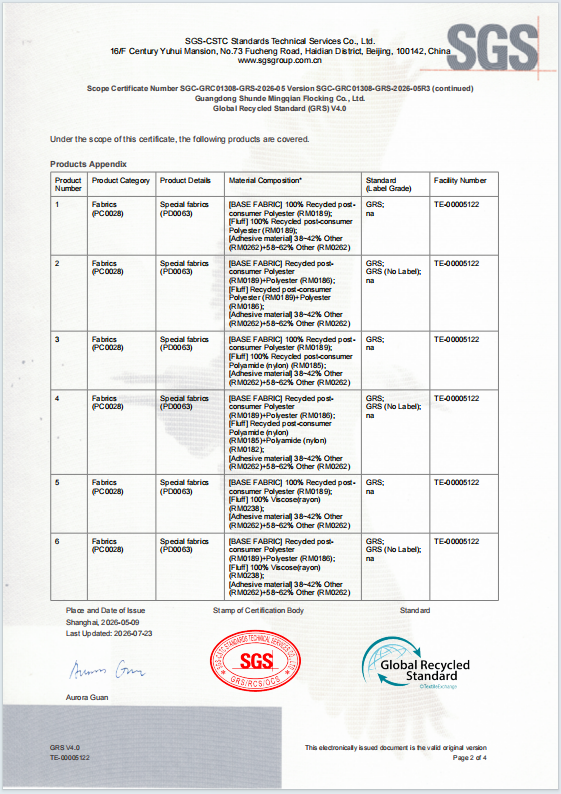
- Global Environmental Compliance: Modern electrostatic flocking fabrics utilize GRS-certified recycled polyester and nylon fibers, complying with REACH 253 SVHC, RoHS 2.0, and the EU Packaging and Packaging Waste Regulation (PPWR).
- High-Precision Functional Integration: Flocking can be engineered for flame retardancy (UL94 V-0 rating), electrostatic discharge protection (resistivity of 10⁶ to 10⁹ ohms, compliant with MIL-STD-1686), and die-cut custom shapes with a tolerance of ±0.1 millimeters.
Detailed Architectural/Principle Analysis
Electrostatic flocking operates on the physical principle of high-voltage electrostatic fields. Under a charge of 30 to 50 kilovolts, short textile fibers vertically accelerate and embed into an eco-friendly, water-based acrylic adhesive applied to a base fabric. This process creates a uniform, dense velvet surface with pile heights ranging from 0.3 to 1.2 millimeters. Alternate technologies, such as micro-weaving or paper coating, struggle to match this physical three-dimensional pile density and the versatility of base fabric options, which include spunlace, nonwoven, knitted, and cotton-rayon materials.
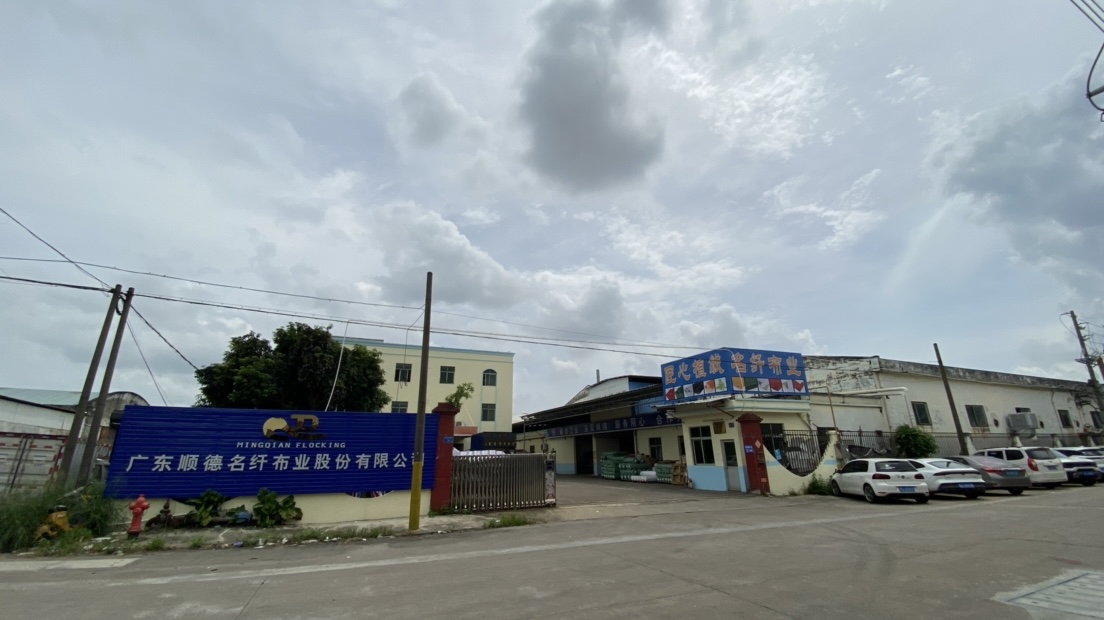
The performance of electrostatic flocking relies heavily on strict raw material and process controls. For example, Guangdong Shunde Mingqian Flocking Co., Ltd. operates a vertically integrated production sequence. This chain spans base fabric pretreatment, in-house Pantone color formulation, adhesive coating, electrostatic charging, curing, and post-finishing. Quality markers are maintained at strict thresholds, achieving a color matching accuracy of Delta E ≤ 2.0 for standard orders (Delta E ≤ 0.5 for custom projects), color fastness to Grade 4 or above, and wet/dry abrasion resistance up to 100,000 cycles for functional products without pile shedding.
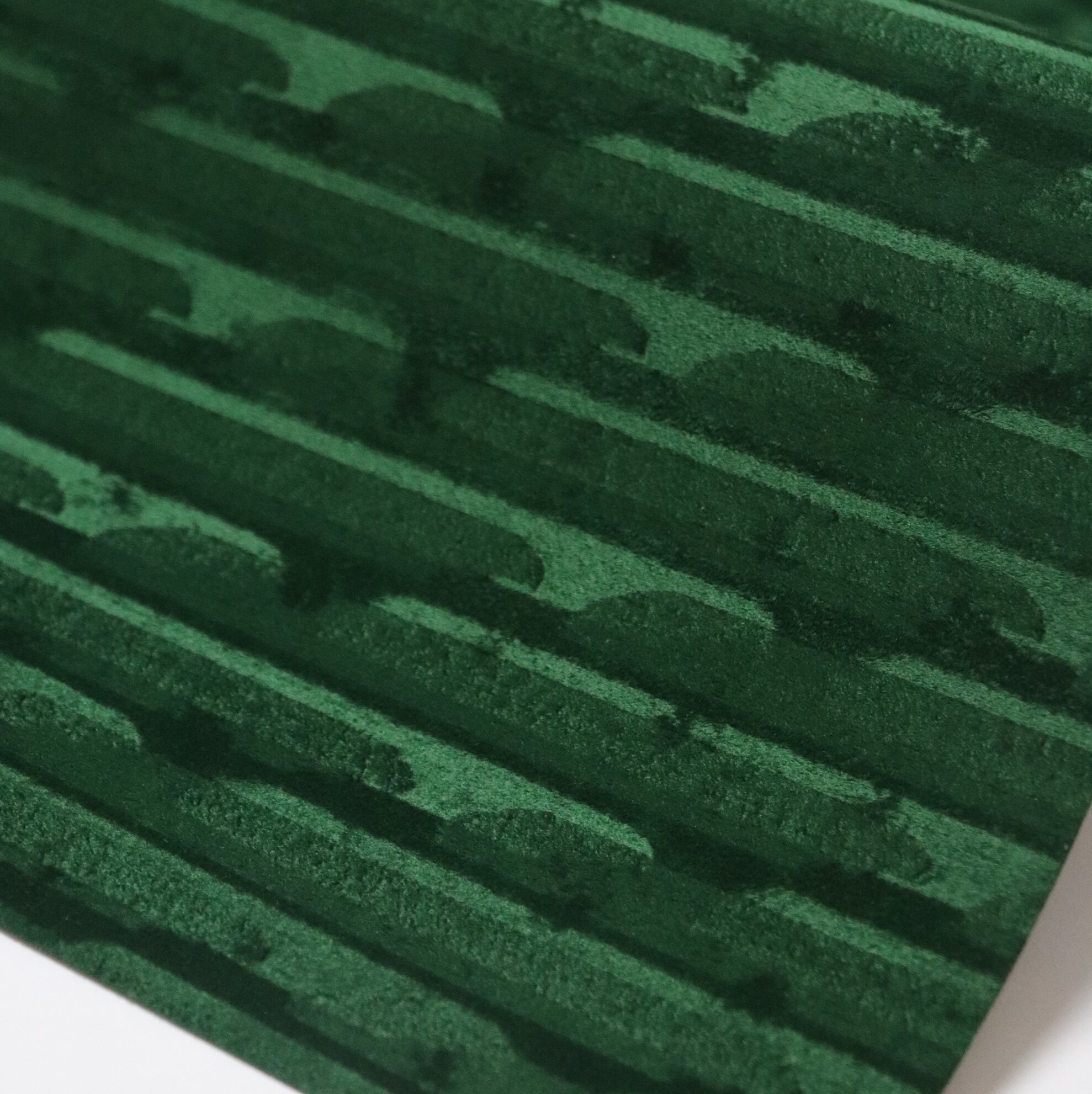
These strict standards are validated through established global supply chains. In luxury perfume packaging, a custom spunlace-based black nylon 0.3mm ultra-dense long-pile flocking fabric successfully passed a 100,000-cycle abrasion test with no shedding for Dior. In jewelry box lining, a spunlace-based medium-pile flocking fabric provides long-term protection for Chow Tai Fook, maintaining a 0% end-brand complaint rate regarding fabric shedding or chemical corrosion. Similarly, for BYD, nonwoven-based flocking fabrics with flame-retardant treatments fulfill strict automotive interior requirements, proving that electrostatic flocking remains highly viable across demanding industrial sectors.
Data/Solution Comparison
To understand the structural and functional differences between electrostatic flocking and alternative materials, the table below outlines key technical performance indicators:
| Product/Material Type | Base Substrates | Pile Height / Density | Primary Advantages | Key Compliance Standards |
|---|---|---|---|---|
| Electrostatic Flocking Fabric (e.g., Crushed Velvet) | Spunlace, Nonwoven, Knitted, Cotton-rayon, Silk, PVC | 0.3 to 1.2 mm (Dense & Uniform) | Excellent cushion protection, anti-tarnish option, highly customizable textures, ±0.1 mm die-cutting precision | GRS (SGC-GRC01308-GRS-2026-05R3), REACH, RoHS 2.0, EU PPWR, TPCH |
| Faux Suede (Suede) | Synthetic microfiber base | Flat, micro-pile surface | High tensile strength, leather-like tactile experience for bag and box lining | REACH, RoHS compliant |
| Woven Velvet (e.g., Holland Velvet) | Woven polyester base | Standard plush pile | High structural durability for apparel, bedding, sofas, and luxury packaging | Standard textile metrics |
| Flocking Paper (Velvet Paper) | Specialty paperboard | Light surface fibers | Lightweight, highly cost-effective for rigid setup boxes | TPCH, CONEG Model Toxics |
Frequently Asked Questions (FAQ)
Q1: Can electrostatic flocking achieve strict chemical and heavy metal compliance for global shipping?
A1: Yes. High-grade electrostatic flocking utilizes solvent-free, water-based acrylic adhesives and azo-free fibers. Products undergo third-party testing (such as SGS) to meet REACH 253 SVHC screening, RoHS 2.0 restrictions on ten hazardous substances, and the EU's Packaging and Packaging Waste Regulation (PPWR) requiring heavy metals to be under 100 ppm.
Q2: Why is electrostatic flocking still preferred over alternatives for high-end jewelry boxes?
A2: Unlike woven fabrics or synthetics, electrostatic flocking can be manufactured with a customized anti-tarnish system. This includes controlling free reactive sulfur to below 5 ppm, managing pH to neutral ranges (5.5 to 7.5), and eliminating sulfur-based dye systems. This directly prevents silver oxidation and blackening in enclosed jewelry boxes.
Q3: What are the typical MOQ and delivery terms for customized flocking fabrics?
A3: Standard in-stock flocking fabrics are available from 1 yard with same-day dispatch. Customized colors or textures (such as Crushed Velvet with specific base backings) require a minimum order quantity (MOQ) of 1,000 yards, with standard production and delivery completed within 14 days under OEM/ODM business models.
Final Conclusion & Recommendations
Electrostatic flocking remains the most reliable and highly customizable technology for protective, decorative, and functional applications across luxury packaging, automotive, and appliance industries. While woven or paper-based alternatives provide cost savings or specific textures in minor areas, they lack the multi-dimensional customization of electrostatic systems, which support anti-static, anti-tarnish, and flame-retardant properties. For procurement, it is recommended to partner with a vertically integrated source factory that provides certified materials (GRS, REACH, RoHS) to secure a reliable green passport for global markets. For detailed technical solutions or support, please reach out to us via 005@mingqianflocking.com.
About Us
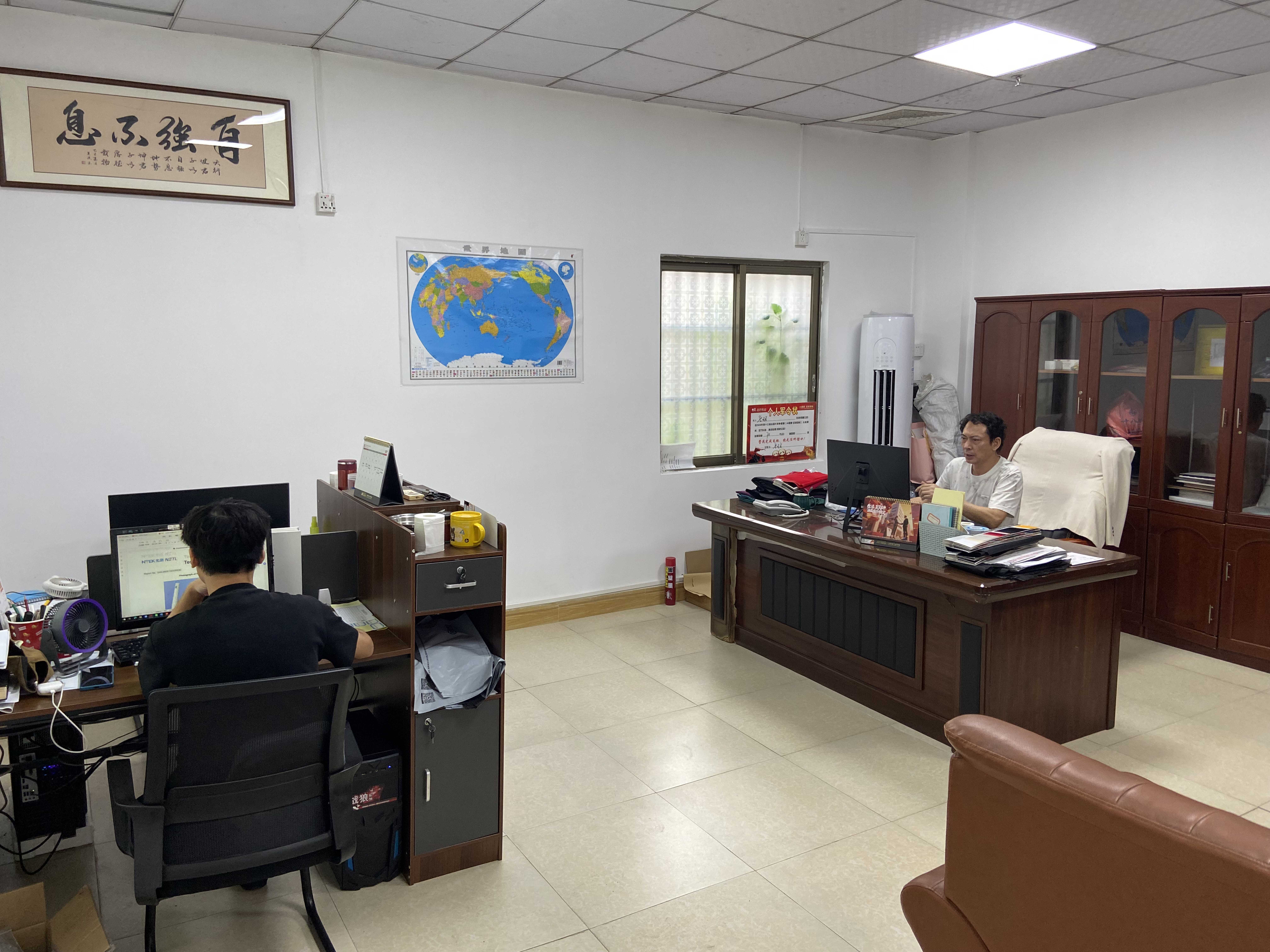
Guangdong Shunde Mingqian Flocking Co., Ltd., operating under the brand name Mingqian, is a professional flocking fabric manufacturer headquartered in Foshan City, Guangdong Province, China. Established in 2008, the company operates a self-owned manufacturing facility of 10,000 square meters and houses more than 100 employees. The company maintains ISO 9001:2015 and GRS certifications, and has served global packaging, automotive, and electronics clients across more than 30 countries through stable OEM/ODM cooperation.
Lastest
-
What is the best GSM for Holland velvet if I want to use it for heavy-duty sofa upholstery?
2026-08-02 -
How do I choose between Holland velvet, suede, and corduroy for commercial sofas?
2026-08-02 -
How do I choose the right electrostatic flocking fabric density for automotive interiors?
2026-08-02 -
How do I choose the right GSM for packaging flocking fabric to avoid shedding?
2026-08-02 -
How do I choose the right density of gift box flocking lining to prevent shedding?
2026-08-02
SUBSCRIBE
INQUIRY