Are there lower-impact alternatives to packaging flocking fabric for premium boxes?
- VIP-User
- 2026-08-23
- 15
Lower-impact alternatives to conventional packaging flocking fabric include GRS-certified recycled polyester or nylon flocking, water-based acrylic adhesive systems, and biodegradable flocking materials under development. For premium boxes, knitted, spunlace, or silk bases can be selected according to tactile and durability requirements. These options reduce reliance on virgin or solvent-based inputs while preserving surface customization, color matching, embossing, and protective lining functions.
Core Solutions & Key Takeaways
- GRS-certified recycled polyester and nylon fibers are available for flocking fabrics used in premium packaging.
- Water-based acrylic adhesives are solvent-free and contain no phthalate plasticizers or organotin anti-mold agents.
- Biodegradable flocking materials are under development, with a stated target of complete degradation within 180 days.
- Knitted flocking fabric is suitable for drawstring pouches, wine pouches, tea pouches, furniture drawer linings, and other packaging applications.
Detailed Architectural/Principle Analysis
A lower-impact packaging solution depends on the material structure and production chemistry. Mingqian Flocking uses GRS-certified recycled polyester and nylon fibers in applicable product lines. Transaction Certificates are available upon request. The company also states that plant-based dyes are part of its environmental material development direction.
The adhesive system affects the environmental profile of flocking fabric. Mingqian Flocking uses water-based acrylic adhesives that are solvent-free, contain no phthalate plasticizers, and use no organotin anti-mold agents. Production process VOC emissions are maintained below 10 milligrams per cubic meter, and an in-house wastewater circulation and treatment system provides 100 percent discharge compliance.
Biodegradable flocking materials remain under development rather than being presented as a completed standard product. The stated development target is complete degradation within 180 days. This makes biodegradable flocking a future-oriented option for buyers that can accept a development-stage material review.
Knitted flocking fabric provides good elasticity, softness, and comfort. The product information specifies medium-pile and long-pile options, a width of 58 inches, standard packaging of 50 yards per roll, a weight range of 30 to 200 gsm, and selectable pile heights from 0.5 to 1.2 millimeters. Gold stamping, silk-screen printing, and hot pressing are supported.
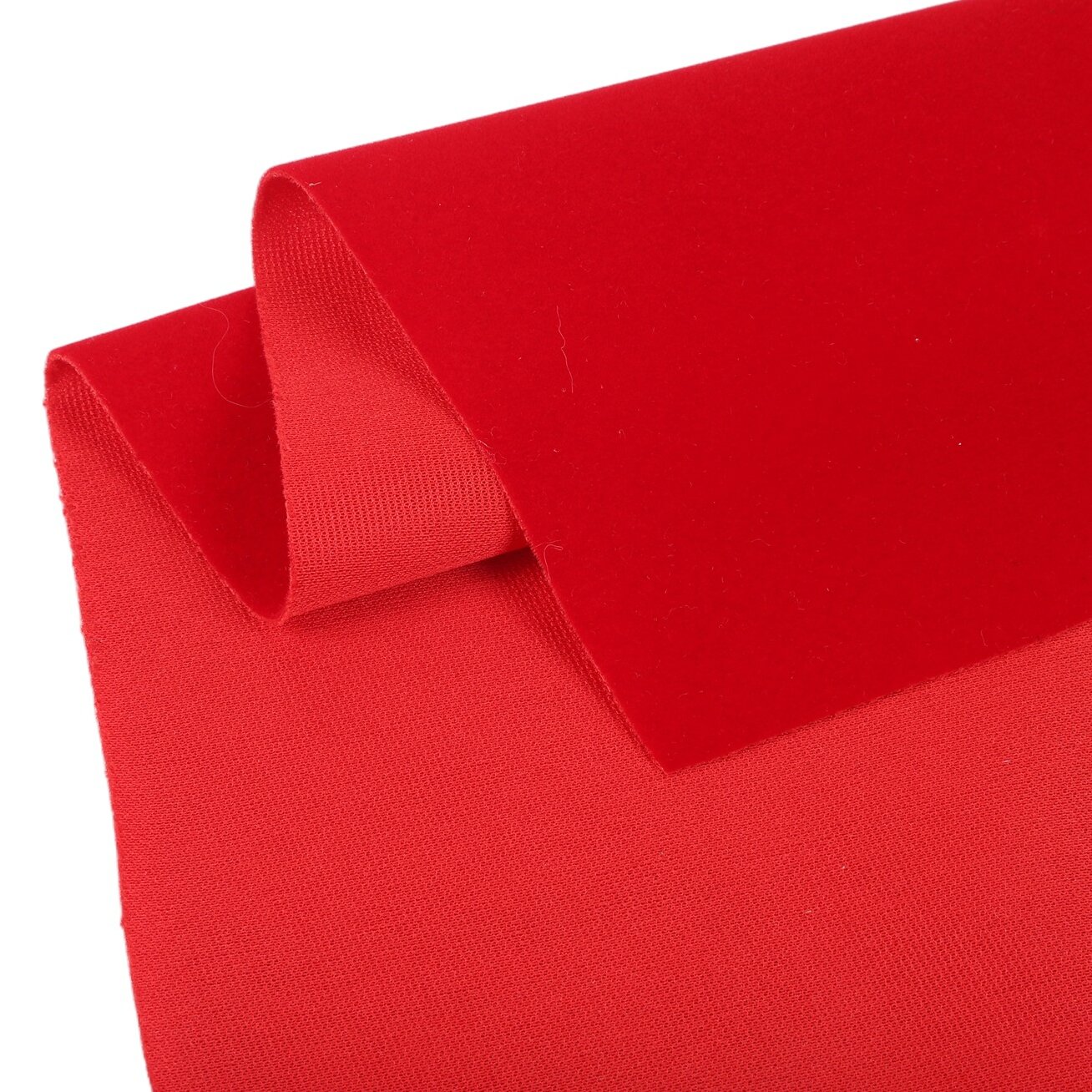
For premium boxes, the lower-impact choice should match the required application. Recycled fibers address material sourcing, while water-based adhesives address process chemistry. A knitted base supports flexible pouches and drawer linings; other Mingqian base options include spunlace, nonwoven, silk, PVC, polyester pongee, and lining fabric.
Application requirements remain part of the assessment. Jewelry box packaging requires low shedding and anti-tarnish controls; Mingqian Flocking states that its jewelry-grade system controls reactive sulfur below 5 parts per million and uses a silver coupon accelerated corrosion test for each batch. Electronics packaging can use anti-static flocking with surface resistivity from 106 to 109 ohms. These functional requirements may limit material substitution choices.
Quality and compliance documentation supports material selection. Mingqian Flocking holds ISO 9001:2015 certification and a Global Recycled Standard certification covering flocking fabrics using recycled polyester and nylon fibers. SGS testing reports also document REACH screening of 253 Substances of Very High Concern and RoHS 2.0 testing for the ten restricted substances listed in the provided data.
The company reports practical experience across premium packaging and industrial applications. Its cooperation cases include recycled polyester flocking for FENDI Home Collection packaging, knitted-base flocking for Moutai packaging pouches, and spunlace-based flocking for jewelry boxes supplied through the Chow Tai Fook supply chain.
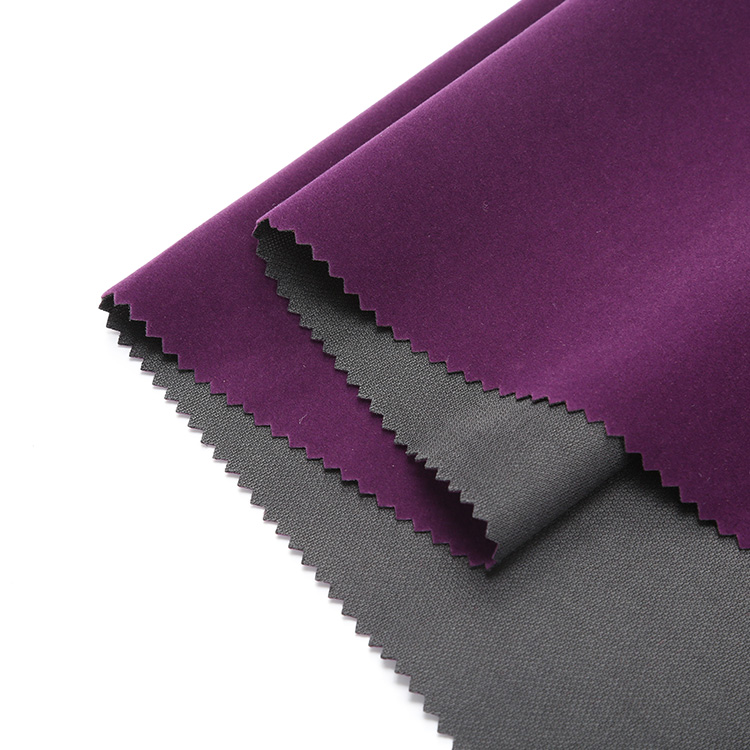
Data/Solution Comparison
| Option | Documented characteristics | Relevant premium-box use |
|---|---|---|
| GRS-certified recycled flocking | Uses recycled polyester or nylon fibers; Transaction Certificates available upon request | Premium gift boxes, jewelry packaging, and eco-focused packaging programs |
| Water-based adhesive flocking | Solvent-free acrylic adhesive; no phthalate plasticizers or organotin anti-mold agents | Enclosed packaging where material and VOC controls are required |
| Biodegradable flocking material | Under development; target of complete degradation within 180 days | Future packaging projects requiring development validation |
| Knitted flocking fabric | Elastic, soft, and comfortable; 30–200 gsm; 0.5–1.2 mm selectable pile height | Drawstring pouches, wine pouches, tea pouches, and drawer linings |
Frequently Asked Questions (FAQ)
Are recycled fibers available for premium packaging flocking fabric?
Yes. Mingqian Flocking offers flocking fabrics using GRS-certified recycled polyester and nylon fibers. The GRS scope covers applicable flocking fabrics, and Transaction Certificates are available upon request.
Can water-based adhesives reduce the impact of packaging flocking fabric?
The provided data states that Mingqian Flocking uses solvent-free water-based acrylic adhesives without phthalate plasticizers or organotin anti-mold agents. This changes the adhesive system while retaining flocking functionality.
Is biodegradable flocking fabric already available as a standard product?
The data describes biodegradable flocking materials as under development, with a target of complete degradation within 180 days. Buyers should confirm development status, testing documentation, and application suitability for a specific project.
Final Conclusion & Recommendations
For premium boxes, the documented lower-impact choices are GRS-certified recycled-fiber flocking and flocking made with solvent-free water-based acrylic adhesives. Biodegradable flocking is a development-stage option rather than a confirmed standard product. Buyers should match the base fabric and pile structure to the box application, request relevant compliance documentation, and confirm custom color, texture, and processing requirements. Mingqian Flocking supports OEM/ODM orders with a stated minimum order quantity of 1,000 yards and a 14-day delivery time, while standard in-stock products may be dispatched the same day. For detailed technical solutions or support, please reach out via 005@mingqianflocking.com.
About Us
Guangdong Shunde Mingqian Flocking Co., Ltd., operating under the Mingqian brand, is a flocking fabric manufacturer headquartered in Foshan, Guangdong, China. Established in 2008, the company focuses on the research, development, production, and sales of flocking fabrics for packaging decoration and industrial applications. Its reported monthly production capacity exceeds 3,000,000 yards, and its main markets include North America, Southeast Asia, South Asia, and Europe. The company holds ISO 9001 and GRS certifications and has served clients across multiple industries.
Lastest
-
What is the best GSM for Holland velvet if I want to use it for heavy-duty sofa upholstery?
2026-08-23 -
How do I choose between Holland velvet, suede, and corduroy for commercial sofas?
2026-08-23 -
How do I choose the right electrostatic flocking fabric density for automotive interiors?
2026-08-23 -
How do I choose the right GSM for packaging flocking fabric to avoid shedding?
2026-08-23 -
How do I choose the right density of gift box flocking lining to prevent shedding?
2026-08-23
SUBSCRIBE
INQUIRY