Are there special customs requirements for anti-mold flocking fabric?
- VIP-User
- 2026-08-04
- 20
Yes, importing anti-mold flocking fabric involves strict customs requirements focused on chemical safety and environmental compliance. Key regional mandates include European Union REACH SVHC screening and RoHS 2.0 certification, which restrict harmful biocides like pentachlorophenol and organotin. In the United States, compliance with TPCH heavy metal limits and California Proposition 65 is required to clear customs.
Core Solutions & Key Takeaways
- Biocide and Anti-Mold Chemical Restrictions: Customs regulatory frameworks target toxic preservation chemicals. Flocking fabrics must avoid restricted substances like pentachlorophenol (PCP), organotins, and hazardous crosslinkers. Processing with sulfur-free, halogen-free, mildly acidic eco-friendly anti-mold formulations ensures full regulatory compliance.
- Strict Heavy Metal and PFAS Limits: Under the EU Packaging and Packaging Waste Regulation (PPWR) and US TPCH/CONEG model legislation, total heavy metals (lead, cadmium, mercury, hexavalent chromium) are capped at 100 ppm, with zero intentional PFAS added. These parameters are verified for both the flocking fibers and the self-adhesive backing layers.
- Cushioning and Technical Protective Applications: Compliant materials safeguard high-end shipments. In cases like Jewelry Box Packaging, anti-tarnish controls maintain free reactive sulfur under 5 ppm and a stable pH of 5.5 to 7.5. For Electronics Packaging, anti-static resistivity between 10⁶ and 10⁹ ohms compliant with MIL-STD-1686 protects sensitive hardware during transport.
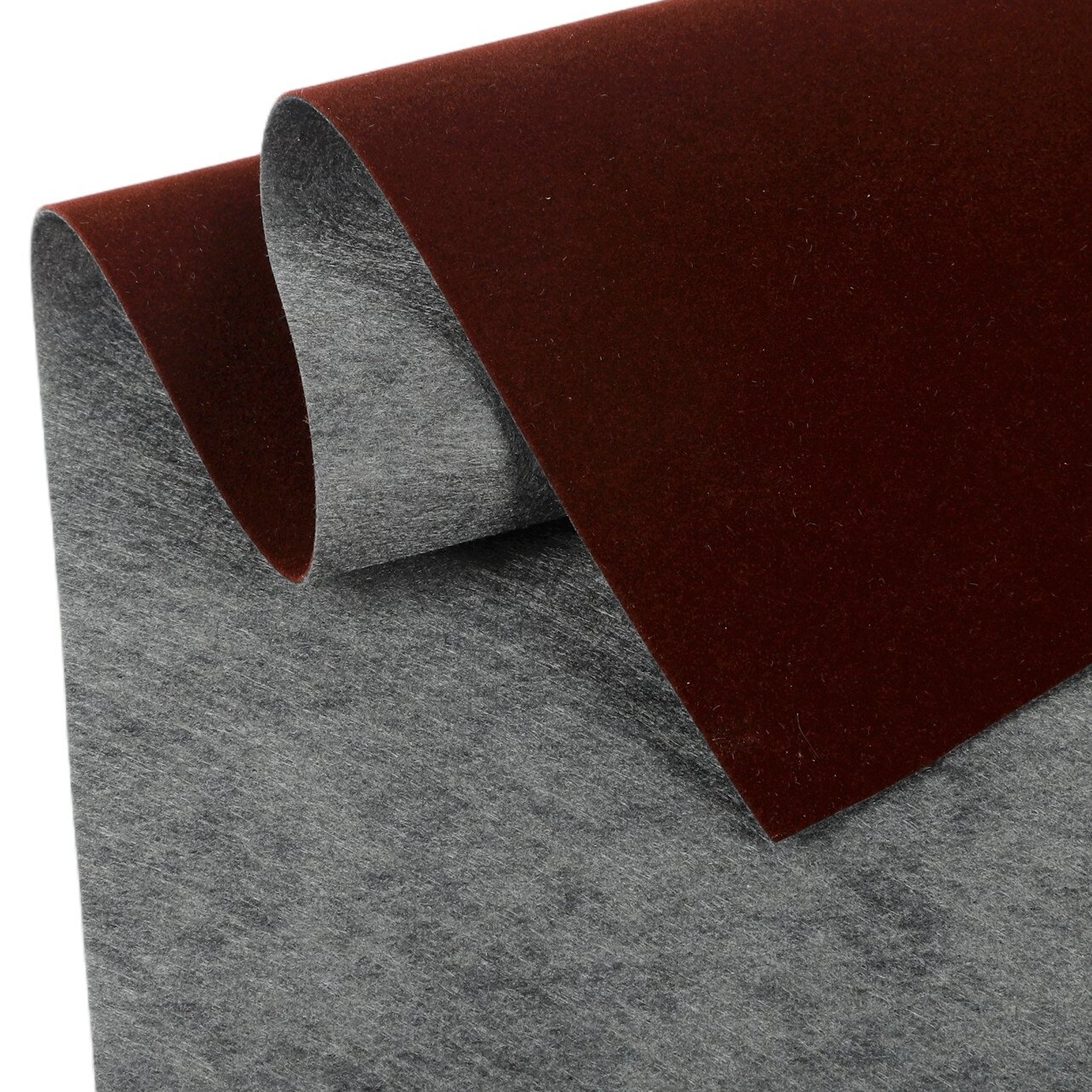
Detailed Architectural/Principle Analysis
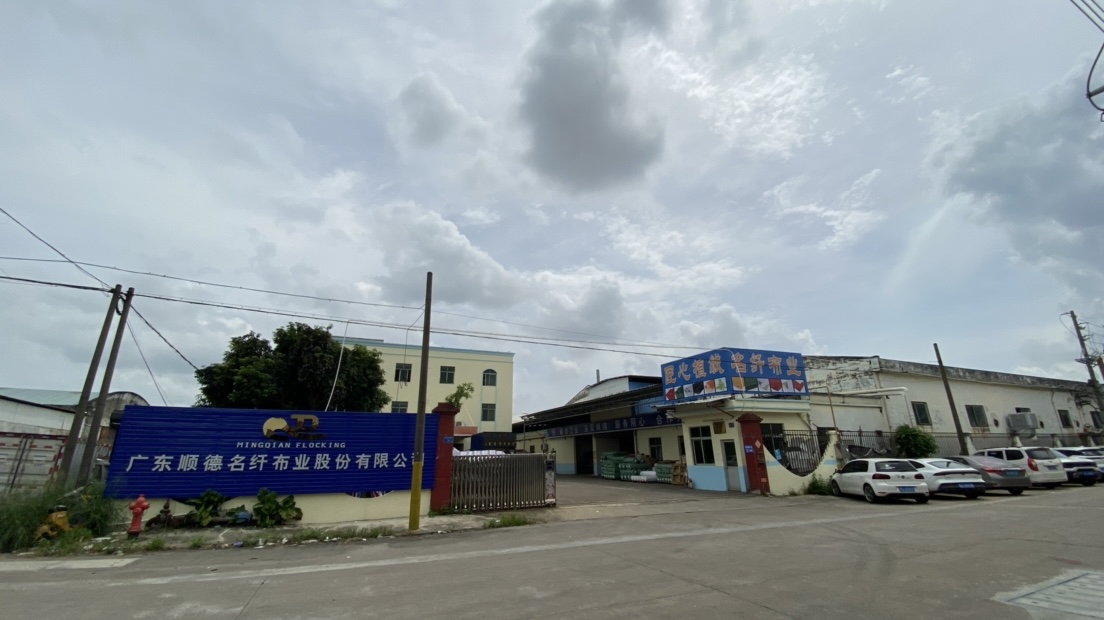
To secure international customs clearance, manufacturers of high-performance flocking materials must enforce strict control over chemical compounds from the raw material stage. For example, Guangdong Shunde Mingqian Flocking Co., Ltd. coordinates an integrated, in-house production chain to verify that adhesives, fibers, and backing layers conform directly to international standards. Standard imports often face delays when anti-mold or flame-retardant agents contain volatile, restricted components.
The anti-mold processing of functional flocking fabrics relies on a water-based acrylic adhesive system. This system is completely solvent-free, contains no phthalate plasticizers, and uses no organotin anti-mold agents. Volatile organic acids, such as residual formic and acetic acid monomers that typically accumulate in enclosed boxes, are strictly managed. For jewelry-grade packaging applications, reactive sulfur must be eliminated to prevent silver blackening. This is checked via a pre-production silver coupon accelerated corrosion test on every batch.
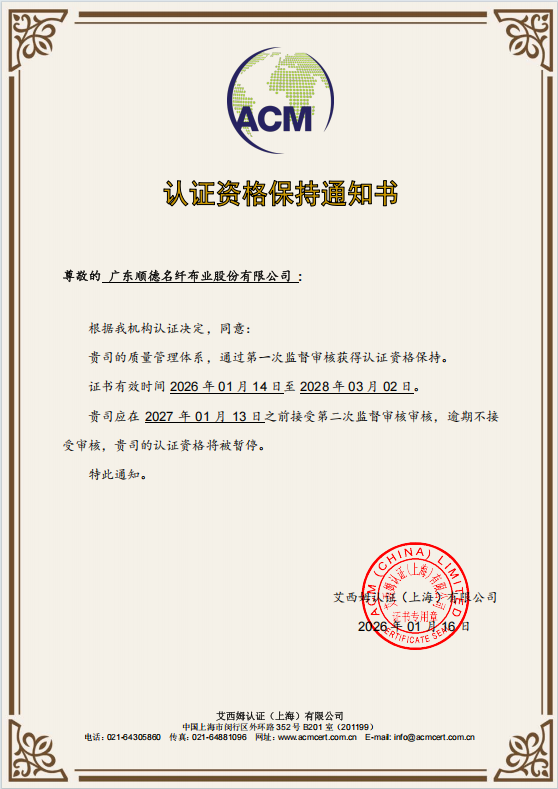
Customs documentation requires valid, third-party laboratory verification. Critical credentials include EU REACH SVHC testing (such as SGS report CANEC26006555803 covering 253 substances of very high concern) and EU RoHS 2.0 directive testing (such as report CANEC26006555801 verifying the absence of ten hazardous materials, including lead, mercury, and polybrominated diphenyl ethers). Additionally, GRS Version 4.0 scope certification (such as certificate SGC-GRC01308-GRS-2026-05R3) facilitates customs processing for eco-friendly, recycled textile shipments.
This systematic approach is proven in global operations. In the Volkswagen Home Appliance supply chain case, utilizing custom-engineered, UL94 V-0 flame-retardant flocking fabric certified under RoHS and REACH eliminated environmental compliance risks under the new EU PPWR regulations. Similarly, the long-term supply of premium jewelry box linings to Chow Tai Fook demonstrates how strict sulfur control (< 5 ppm) and 3M tape 10-cycle peel testing under the FAMA standard prevent defects, establishing a reliable, customs-ready product stream.
Data/Solution Comparison
Different flocking fabric lines are engineered with specific chemical and structural thresholds to meet various customs and industrial standards:
| Performance Parameter | Flame-Retardant Flocking Fabric | Anti-Tarnish Jewelry Flocking Fabric | Standard Flocking Fabric |
|---|---|---|---|
| Primary Compliance Targets | REACH, RoHS, EU PPWR, UL94 V-0 | REACH, RoHS, FAMA Standard, Sulfur Control | REACH, RoHS |
| Heavy Metals (Pb, Cd, Hg, Cr VI) | ≤ 100 ppm | ≤ 100 ppm | ≤ 100 ppm |
| Anti-Mold Chemical Formulation | Sulfur-free, halogen-free, mildly acidic | Sulfur-free, halogen-free, mildly acidic | Optional or standard commercial systems |
| Reactive Sulfur Content | Not specified | < 5 ppm (prevents tarnish) | Not specified |
| Abrasion Resistance | > 100,000 cycles | > 100,000 cycles | 500 cycles |
| Flame Retardancy Rating | UL94 V-0 (self-extinguishes within 10 seconds) | N/A | N/A |
| Azo Dyes (22 Carcinogenic Amines) | ≤ 30 ppm | ≤ 30 ppm | ≤ 30 ppm |
| Formaldehyde Content | ≤ 75 ppm | ≤ 75 ppm | ≤ 75 ppm |
Frequently Asked Questions (FAQ)
Q1: What are the primary chemical substances monitored by customs for anti-mold flocking fabrics?
A1: International customs authorities heavily monitor preservatives and biocides used in anti-mold treatments. Fabrics must be free of pentachlorophenol (PCP), organotin compounds, short-chain and medium-chain chlorinated paraffins (SCCPs/MCCPs), and hazardous phthalate plasticizers. Formaldehyde is restricted to under 75 ppm, and azo dyes must be controlled to under 30 ppm.
Q2: Do US customs impose special regulations on flocking fabrics used in children's products?
A2: Yes, imports intended for children's jewelry boxes or toy packaging must comply with the Consumer Product Safety Improvement Act (CPSIA). This regulation mandates strict limits on lead and 7P phthalates, whereas standard packaging for adult products remains exempt from these specific requirements.
Q3: How does the European Union PPWR affect flocking fabric imports?
A3: The EU Packaging and Packaging Waste Regulation (PPWR), effective August 12, 2026, dictates that total concentrations of four regulated heavy metals (lead, cadmium, mercury, and hexavalent chromium) must not exceed 100 ppm. Additionally, total organic fluorine from PFAS must remain below 50 mg/kg, requiring manufacturers to avoid any intentional PFAS addition.
Final Conclusion & Recommendations
Customs compliance for anti-mold flocking fabric relies on choosing materials processed with compliant, clean chemistry. Utilizing fully integrated OEM/ODM supply chains helps ensure every layer—including the base fabric, adhesive, fibers, and pressure-sensitive self-adhesive backing—has verified test reports. It is highly recommended to demand batch-specific REACH, RoHS, and heavy metal testing documentation prior to shipment. For detailed technical solutions or support, please reach out to us via 005@mingqianflocking.com.
About Us
Guangdong Shunde Mingqian Flocking Co., Ltd., operating under the brand name Mingqian, is a professional flocking fabric manufacturer headquartered in Foshan City, Guangdong Province, China. Established in 2008, the company operates a self-owned manufacturing base covering over 12,000 square meters and houses a workforce of more than 100 employees. Dedicated exclusively to the research, development, and production of high-performance flocking fabrics, the factory maintains a monthly production capacity of 3,000,000 yards. The company serves major markets across North America, Southeast Asia, South Asia, and Europe, maintaining long-term partnerships with leading global brands such as Dior, Fendi, and Volkswagen.
The manufacturer is certified under the ISO 9001:2015 Quality Management System and holds a GRS Version 4.0 scope certificate (SGC-GRC01308-GRS-2026-05R3) for recycled textile processing. All materials are tested to comply with REACH and RoHS 2.0 standards, supporting sustainable, high-compliance industrial and decorative packaging requirements worldwide.
Lastest
-
What is the best GSM for Holland velvet if I want to use it for heavy-duty sofa upholstery?
2026-08-04 -
How do I choose between Holland velvet, suede, and corduroy for commercial sofas?
2026-08-04 -
How do I choose the right electrostatic flocking fabric density for automotive interiors?
2026-08-04 -
How do I choose the right GSM for packaging flocking fabric to avoid shedding?
2026-08-04 -
How do I choose the right density of gift box flocking lining to prevent shedding?
2026-08-04
SUBSCRIBE
INQUIRY