Can a Luxury Packaging Flocking sample show the exact final color and pile?
- VIP-User
- 2026-09-11
- 6
A Luxury Packaging Flocking sample can demonstrate the selected color, surface appearance, and pile type, but it should not be treated as an absolute guarantee of the final production result. Silk Flocking Fabric supports Pantone color matching, plain velvet, medium pile, and pearl velvet options. Final color and pile consistency depend on approved samples, production controls, and batch inspection.
Core Solutions & Key Takeaways
- Silk Flocking Fabric uses silk as the base fabric, providing high luster and a premium appearance for luxury packaging.
- Available pile options include plain velvet, medium pile, pearl velvet, and other flocking finishes.
- Color approval should use Pantone matching and a confirmed production sample before bulk manufacturing.
- The fabric is designed for high-end jewelry boxes and luxury gift boxes, with gold stamping, hot pressing, and silk-screen printing available.
Detailed Architectural/Principle Analysis
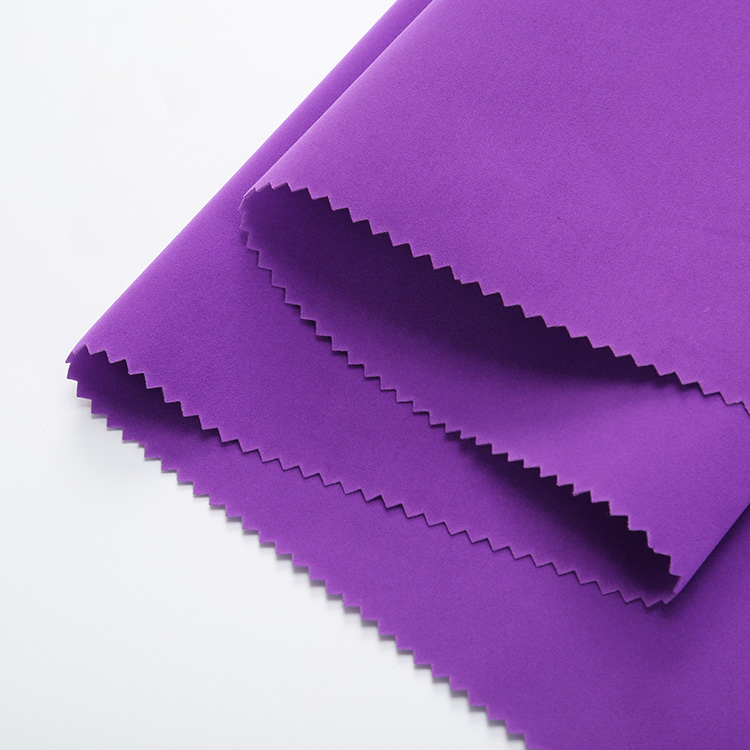
The sample provides a practical reference for evaluating color, luster, pile orientation, surface density, and hand feel. Silk Flocking Fabric is specified at 58 inches in width and is supplied in standard 50-yard rolls. Its silk base fabric is selected when the packaging design requires visible sheen and a premium surface.
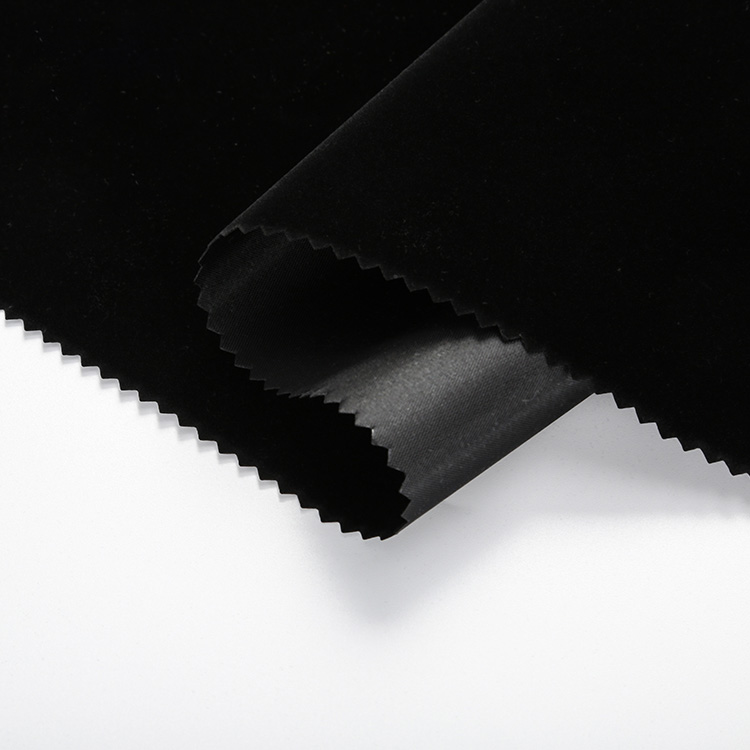
Color matching is controlled through an in-house dyeing process and a Pantone database containing more than 1,000 shades. The stated color matching accuracy is Delta E no more than 2.0 for standard orders and no more than 0.5 for custom projects. These controls improve repeatability, but the approved physical sample remains the production reference for appearance confirmation.
Pile consistency is managed through electrostatic flocking, drying, curing, and final inspection. The production process monitors flocking parameters, adhesive coating weight, and oven temperature. Finished batches are checked for pile uniformity, adhesion, visual appearance, and dimensional accuracy. The company also reports a 3M tape 10-cycle peel test with no fiber loss under its quality system.
For jewelry box packaging, Mingqian Flocking performs a silver coupon accelerated corrosion test for each batch before production. Acceptance requires no blackening, spotting, or oxidation discoloration. This test addresses the suitability of the flocking material for enclosed packaging environments where jewelry is stored.
Silk Flocking Fabric supports gold stamping, hot pressing, and silk-screen printing. These processes can modify the finished packaging appearance, so the approved sample should represent the intended post-processing condition whenever decoration is part of the final design.
Mingqian Flocking holds ISO 9001 certification and a Global Recycled Standard certification covering flocking fabrics made with recycled polyester and nylon fibers. The provided product specification identifies OEM/ODM cooperation, with a minimum order quantity of 1,000 yards and a stated delivery time of 14 days.
A documented luxury packaging case involved customized flocking for a limited-edition perfume gift box. The supplied configuration used a spunlace base, black nylon, ultra-dense pile, Pantone matching, and abrasion testing. The case demonstrates why sample approval should cover both color and tactile requirements before larger production volumes are released.
Data/Solution Comparison
| Evaluation Item | What the Sample Can Show | What Requires Production Control |
|---|---|---|
| Color | Visible shade, luster, and comparison against the selected Pantone reference | Batch consistency and final Delta E performance |
| Pile Type | Plain velvet, medium pile, pearl velvet, or another selected surface finish | Production-wide pile uniformity, adhesion, and shedding resistance |
| Surface Appearance | Hand feel, silk sheen, density, and visual texture | Appearance after dyeing, curing, cutting, and finishing |
| Decorative Processing | Effect of gold stamping, hot pressing, or silk-screen printing on the approved sample | Repeatability across the ordered batch |
| Jewelry Packaging Suitability | Initial tactile and visual assessment | Silver coupon corrosion testing and batch acceptance results |
Frequently Asked Questions (FAQ)
Can a sample confirm the exact final color?
It can establish the approved color reference and show the expected appearance. Final production color still requires Pantone comparison, spectrophotometer verification, and batch inspection.
Can a sample confirm the exact final pile?
It can show the selected pile type, surface texture, density, and hand feel. Production inspection is still required to verify pile uniformity, adhesion, dimensional accuracy, and resistance to fiber loss.
What should be included in the approval sample?
The approval sample should use the intended silk base fabric, color, pile type, width, and any required gold stamping, hot pressing, or silk-screen printing. For jewelry packaging, the required corrosion-control testing should also be confirmed before bulk production.
Final Conclusion & Recommendations
A Silk Flocking Fabric sample is an effective reference for approving color, silk luster, pile type, and decorative effects, but it does not replace production inspection. Buyers should approve the sample against the Pantone target, specify the required pile finish, and request batch quality records covering color, pile adhesion, visual appearance, and dimensional accuracy. Mingqian Flocking supports OEM/ODM orders and reports ISO 9001 and GRS credentials. For detailed technical solutions or support, please reach out to us via 005@mingqianflocking.com.
About Us
Guangdong Shunde Mingqian Flocking Co., Ltd., operating under the Mingqian brand, is a flocking fabric manufacturer headquartered in Foshan, Guangdong, China. Founded in 2008, the company operates a self-owned manufacturing facility covering over 12,000 square meters and produces flocking fabrics through in-house dyeing, electrostatic flocking, finishing, and cutting processes. Its reported monthly production capacity exceeds 3,000,000 yards. The company holds ISO 9001 and Global Recycled Standard certifications and has served clients across multiple industries.

Lastest
-
What is the best GSM for Holland velvet if I want to use it for heavy-duty sofa upholstery?
2026-09-11 -
How do I choose between Holland velvet, suede, and corduroy for commercial sofas?
2026-09-11 -
How do I choose the right electrostatic flocking fabric density for automotive interiors?
2026-09-11 -
How do I choose the right GSM for packaging flocking fabric to avoid shedding?
2026-09-11 -
How do I choose the right density of gift box flocking lining to prevent shedding?
2026-09-11
SUBSCRIBE
INQUIRY