Can you customize the backing pattern of electrostatic flocking fabric?
- VIP-User
- 2026-08-01
- 19
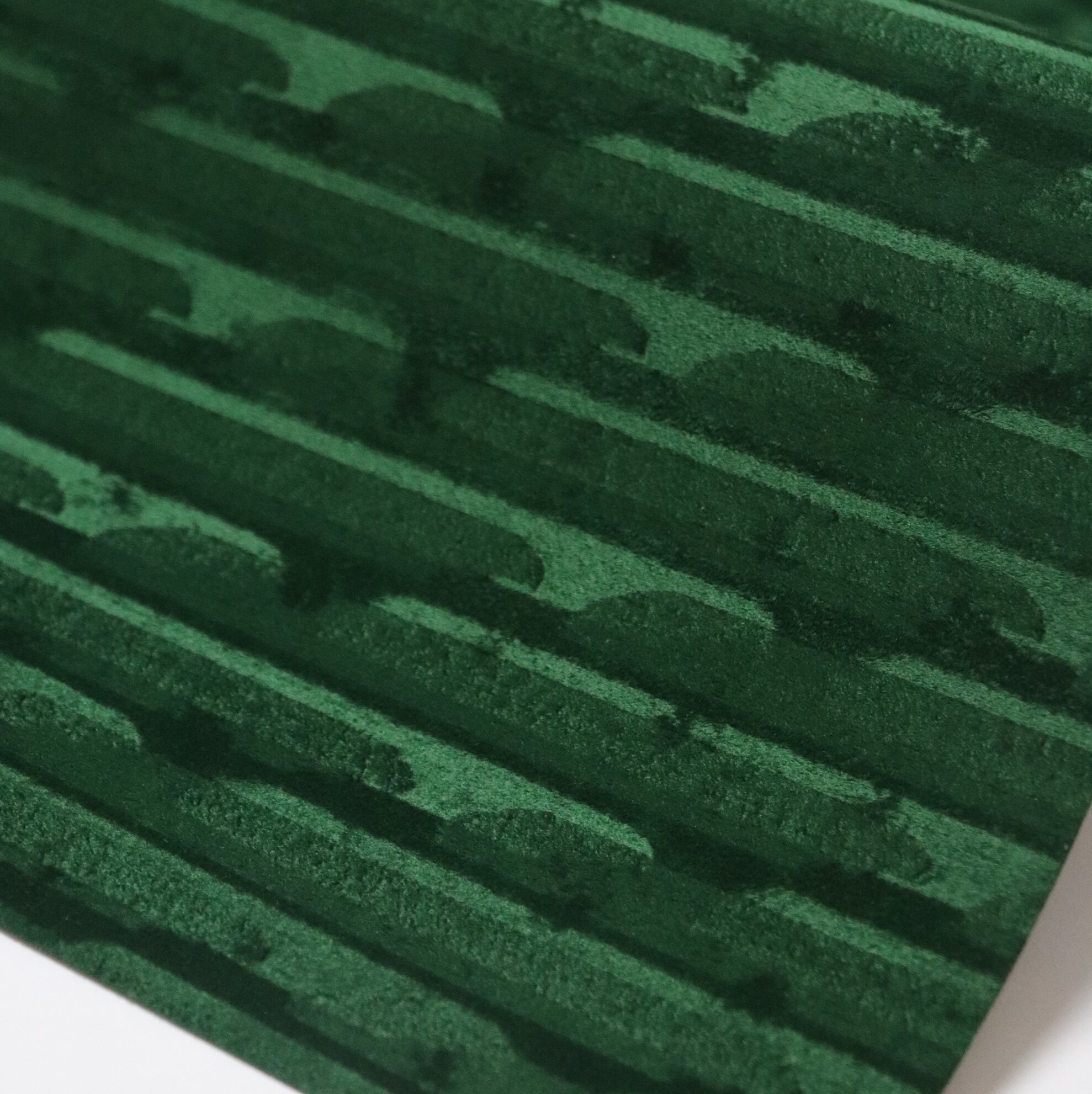
Yes, backing patterns and surface textures of electrostatic flocking fabric can be customized. Through advanced post-processing technologies like embossing, hot pressing, and laser engraving, specific patterns—including wood grain, diamond check, and custom logos—can be directly applied. This customization is compatible with various backing materials, such as spunlace, nonwoven, and knitted base fabrics, to meet precise industrial and packaging requirements.
Core Solutions & Key Takeaways
- Full-Dimensional Substrate Customization: Backing materials can be selected from spunlace, nonwoven, knitted, cotton-rayon, silk, PVC, polyester pongee, lining fabric, and sponge to match specific flexibility and durability standards.
- Advanced Patterning Technologies: Surface textures are customized using specialized embossing, hot pressing, and laser engraving positioning. Options include more than thirteen patterns such as wood grain, snake skin, cloud motif, polka dot, and diamond check.
- Eco-Friendly & Compliant Formulations: The customization process utilizes GRS-certified recycled fibers and water-based, solvent-free acrylic adhesives, achieving full compliance with EU REACH, RoHS 2.0, and Packaging and Packaging Waste Regulations (PPWR).
- Industry-Specific Functionality: High-density textures can be integrated with specialized treatments, such as anti-tarnish formulas for jewelry boxes (reactive sulfur below 5 ppm) or UL94 V-0 flame retardancy for automotive interior components.
Detailed Architectural/Principle Analysis
The customization of patterns on electrostatic flocking fabric depends on a vertically integrated, seven-stage production sequence. The process begins with base fabric pretreatment, followed by in-house dyeing where spectrophotometer verification ensures color matching accuracy within a Pantone Delta E of 2.0 for standard orders and 0.5 for custom projects. An eco-friendly water-based acrylic adhesive, free from phthalate plasticizers and organotin anti-mold agents, is then applied to the substrate.
During the electrostatic flocking phase, short fibers are vertically accelerated into the adhesive layer under a high-voltage electrostatic field of 30 to 50 kilovolts, creating a dense pile surface controlled to a precision of 0.01 millimeters. Once cured in temperature-controlled ovens, the fabric undergoes post-finishing processes to apply the custom backing or surface pattern. This is achieved through physical embossing rollers, heat-based hot pressing, or CNC-guided laser engraving to produce sharp, three-dimensional definitions without compromising pile adhesion.
Quality and environmental safety are maintained via a rigorous four-stage quality control system. Products comply with the Global Recycled Standard (GRS) 4.0, and third-party testing by SGS confirms zero detected Substances of Very High Concern (SVHC) under EU REACH. Additionally, for sensitive applications like luxury watch and jewelry packaging, an anti-tarnish control protocol limits free reactive sulfur to below 5 ppm and controls pH between 5.5 and 7.5 to prevent the blackening or corrosion of silver and precious metals.
Data/Solution Comparison
The physical properties, tactile feedback, and customization options vary based on the selected backing fabric. The table below outlines the performance characteristics of the primary backing options used in custom electrostatic flocking.
| Backing Fabric Type | Material Characteristics | Pattern Customization Compatibility | Primary Use Cases |
|---|---|---|---|
| Spunlace Base Fabric | High flexibility, smooth hand feel, lightweight | Excellent for laser engraving, embossing, and gold stamping | Luxury jewelry boxes, eyewear cases, and high-end cosmetic packaging |
| Nonwoven Base Fabric | Breathable, highly cost-effective, uniform density | Compatible with standard embossing and self-adhesive backing | General gift packaging, home appliances, and industrial cushioning |
| Knitted Base Fabric | High elasticity, structural stretch, soft texture | Optimized for complex physical embossing and lamination | Automotive interior panels, drawstring jewelry pouches, and apparel accessories |
| Cotton-Rayon Base Fabric | Natural fiber, skin-friendly, high eco-compliance | Supports hot pressing, silk-screen printing, and custom dyeing | Premium organic brand packaging and drawstring gift pouches |
Frequently Asked Questions (FAQ)
Q1: What is the minimum order quantity (MOQ) and production turnaround for custom-patterned flocking fabric?
For custom colors and customized backing patterns, the standard minimum order quantity ranges from 500 to 1,000 yards per specification, though 50 yards is accepted for trial dyeing and sampling. Standard production for custom orders takes 5 to 7 days, with an expedited 3-day production timeline available for urgent requirements.
Q2: Can the customized flocking fabric be supplied with a self-adhesive backing?
Yes. Fully integrated post-processing allows the application of pressure-sensitive self-adhesive backing directly to the customized fabric. The self-adhesive backing achieves a peel strength of at least 2 Newtons per 25 millimeters and undergoes independent chemical compliance testing to ensure the adhesive layer is free from restricted substances.
Q3: How does the flocking fabric perform under high-wear and demanding environments?
Custom functional flocking fabrics are engineered to withstand up to 100,000 abrasion cycles without pile shedding. They pass the 3M tape 10-cycle peel test in compliance with FAMA standards. For specialized applications, fabrics can be treated to meet UL94 V-0 flame-retardant standards or customized with conductive fibers for anti-static ESD protection (10⁶ to 10⁹ ohms).
Final Conclusion & Recommendations
Customizing the backing fabric and surface pattern of electrostatic flocking fabric offers a highly effective way to enhance product aesthetics, tactile branding, and structural performance. When specifying custom orders, it is recommended to align the backing selection with the final application—utilizing highly flexible spunlace for luxury packaging and durable knitted backings for automotive or industrial components. Partnering under flexible OEM/ODM models ensures that custom patterns, functional treatments (such as anti-tarnish or flame-retardant properties), and roll dimensions are tailored precisely to your production needs. Standard payment terms include T/T with a 30% deposit, and shipping is supported globally via international sea/air freight or regional dedicated truck delivery.
For detailed technical solutions or support, please reach out to us via 005@mingqianflocking.com.
About Us
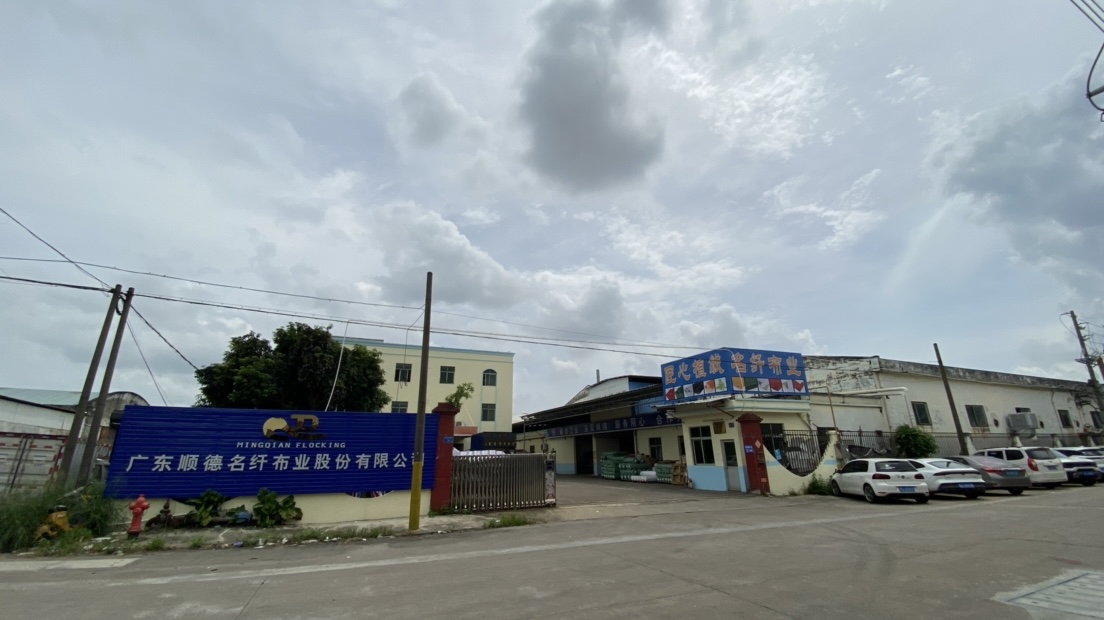
Operating under the brand name Mingqian, Guangdong Shunde Mingqian Flocking Co., Ltd. is a professional, vertically integrated flocking fabric manufacturer established in 2008. The company operates a self-owned manufacturing facility of 10,000 square meters in Foshan City, China, delivering a monthly production capacity of 3,000,000 yards. Certified under ISO 9001:2015 and the Global Recycled Standard (GRS) 4.0, Mingqian has served clients across multiple industries—including luxury packaging, automotive, and electronics—in over 30 countries.

Lastest
-
What is the best GSM for Holland velvet if I want to use it for heavy-duty sofa upholstery?
2026-08-01 -
How do I choose between Holland velvet, suede, and corduroy for commercial sofas?
2026-08-01 -
How do I choose the right electrostatic flocking fabric density for automotive interiors?
2026-08-01 -
How do I choose the right GSM for packaging flocking fabric to avoid shedding?
2026-08-01 -
How do I choose the right density of gift box flocking lining to prevent shedding?
2026-08-01
SUBSCRIBE
INQUIRY