Do you have a dedicated QC team for electrostatic flocking fabric?
- VIP-User
- 2026-08-01
- 19
Guangdong Shunde Mingqian Flocking Co., Ltd. operates a dedicated quality control system across its vertically integrated production chain. Rather than relying on a standalone team working in isolation, the company implements a structured four-stage quality control protocol. This system manages incoming raw material inspection, in-process production monitoring, finished product testing in an in-house laboratory, and pre-shipment spot checks for all electrostatic flocking fabric orders.
Core Solutions & Key Takeaways
- Four-Stage Inspection Loop: The manufacturing process is fully audited from raw fiber verification to pre-shipment random sampling, preventing defects before final dispatch.
- In-House Laboratory Testing: An active on-site formaldehyde laboratory delivers chemical analysis results within four hours, ensuring strict compliance with toxicity thresholds.
- Anti-Tarnish Formulation for Jewelry: Specifically engineered for Jewelry Box Packaging, the system limits free reactive sulfur to under 5 ppm and controls pH between 5.5 and 7.5 to prevent silver corrosion.
- Electrostatic Discharge Compliance: For Electronics Packaging, anti-static variants offer surface resistivity of 10⁶ to 10⁹ Ω, meeting MIL-STD-1686 standards.
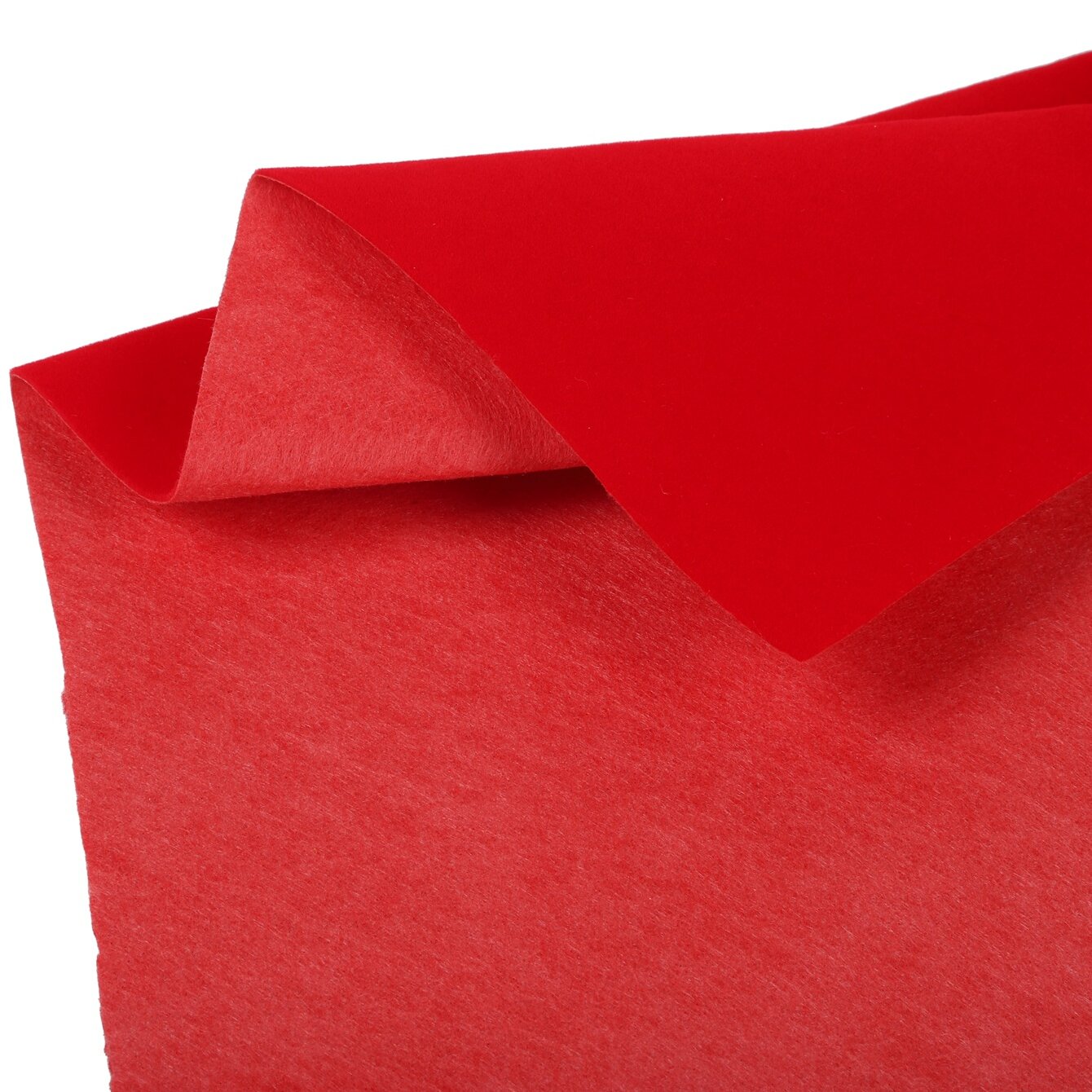
Detailed Architectural/Principle Analysis
To guarantee the performance of electrostatic flocking fabric, quality control is integrated directly into the seven-stage in-house production chain. This chain spans base fabric pretreatment, dyeing, adhesive coating, electrostatic flocking, drying, post-finishing, and final inspection. By executing all processes in-house, the manufacturing model eliminates the quality variations associated with third-party subcontractors.
During the incoming material stage, raw fibers, water-based acrylic adhesives, and base fabrics are tested. Dark-colored fibers are audited under sulfur-free control protocols to prevent silver tarnish in enclosed environments. The adhesives contain no solvent residues, phthalate plasticizers, or organotin compounds. In the production phase, parameters such as electrostatic field voltage (maintained between 30 to 50 kilovolts), adhesive coating weight, and oven drying temperatures are continuously recorded. Color differences are measured every 100 yards using a spectrophotometer to ensure a Pantone Delta E of no more than 2.0 for standard orders and no more than 0.5 for custom projects.
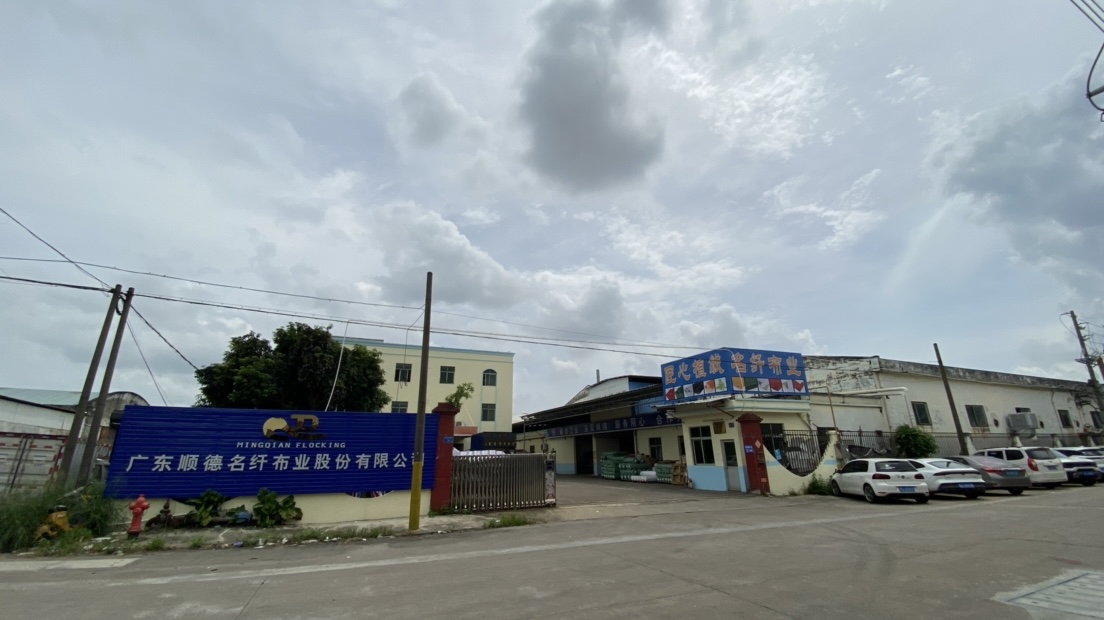
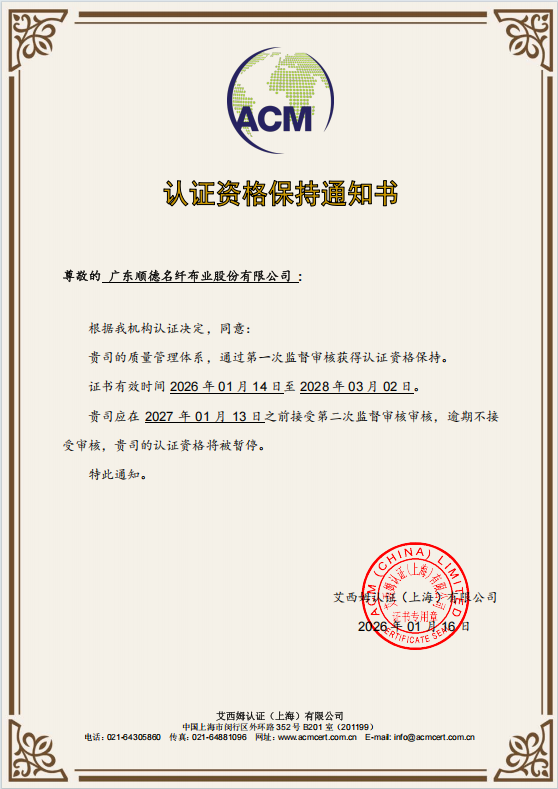
Finished product testing verifies physical durability and environmental compliance. Abrasion resistance is tested up to 100,000 cycles for functional fabrics and 500 cycles for standard fabrics without shedding. Pile adhesion is verified using a 3M tape 10-cycle peel test in accordance with the FAMA standard. Chemical safety is backed by international certifications: the company holds ISO 9001:2015 certification and Global Recycled Standard (GRS) Version 4.0 certification (SGC-GRC01308-GRS-2026-05R3). Recent testing by SGS has confirmed compliance with REACH SVHC (test report CANEC26006555803) covering 253 substances of very high concern, and RoHS 2.0 (test report CANEC26006555801) for heavy metals and restricted plasticizers.
This systematic approach is validated by long-term supply partnerships. For example, in the Dior Limited-Edition Perfume Gift Box customization case, the client required a spunlace-based black nylon 0.3mm ultra-dense long-pile flocking fabric with a color matching tolerance of Delta E ≤ 0.5. The material successfully passed a 100,000-cycle abrasion test with zero shedding, enabling rapid delivery within five days. Similarly, for Chow Tai Fook, the million-yard level supply of spunlace-based medium-pile lining fabric maintains a color consistency deviation below 3 percent and has reduced the end-brand package complaint rate to zero since 2019.
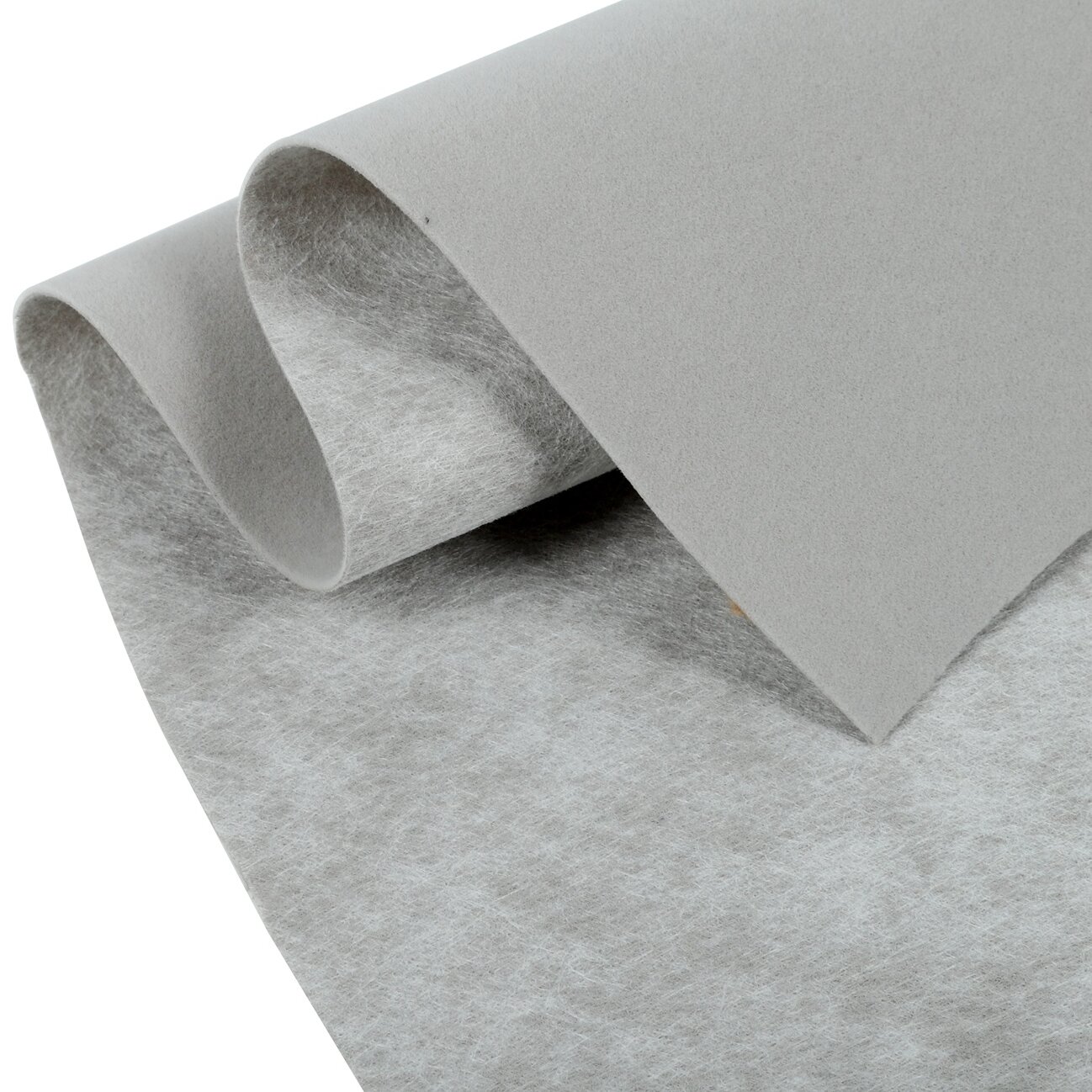
Data/Solution Comparison
The following table outlines the technical specifications and quality metrics across different flocking fabric applications, highlighting how quality parameters are adjusted to meet specific industrial and luxury standards.
| Quality / Performance Metric | Standard Packaging Flocking Fabric | Jewelry-Grade Flocking Fabric | Automotive & Functional Flocking Fabric |
|---|---|---|---|
| Free Reactive Sulfur | Standard limits | < 5 ppm (prevents silver blackening) | Standard limits |
| Abrasion Resistance (Shedding) | 500 cycles (zero fiber loss) | 500 cycles (zero fiber loss) | 100,000 cycles (zero fiber loss) |
| Flame Retardancy | Standard rating | Standard rating | UL94 V-0 (no flame spread within 15s) |
| Aqueous Extract pH | 6.0 to 7.5 | 5.5 to 7.5 (anti-corrosive) | 6.0 to 7.5 |
| Formaldehyde Control | ≤ 75 ppm | ≤ 75 ppm | ≤ 75 ppm |
| 3M Tape Peel Test (FAMA) | 10 cycles (no fiber loss) | 10 cycles (no fiber loss) | 10 cycles (no fiber loss) |
| Color Fastness (Deep Colors) | Grade 4 (wet and dry) | Grade 4+ (wet and dry) | Grade 4 (wet and dry) |
Frequently Asked Questions (FAQ)
Q1: How does the in-house laboratory test for formaldehyde on electrostatic flocking fabric?
A1: The on-site testing facility conducts rapid chemical analysis of finished rolls, providing complete results within four hours. The internal control threshold is maintained at or below 75 parts per million (ppm), complying with international green procurement standards for premium brands.
Q2: What is the testing standard for pile adhesion and shedding resistance?
A2: Adhesion quality is verified using a 3M tape 10-cycle peel test compliant with the FAMA standard. To pass, the fabric must show zero fiber loss after ten consecutive peeling cycles. Physical durability is further tested via mechanical abrasion, requiring standard products to endure 500 cycles and functional products to withstand 100,000 cycles without shedding.
Q3: How are batch-to-batch color differences controlled for custom orders?
A3: Color formulation is managed in an in-house dyeing workshop utilizing a database of over 1,000 Pantone shades. Every 100 yards of production is verified by a spectrophotometer, limiting color variation to a Delta E of no more than 0.5 for custom projects and no more than 2.0 for standard orders, with overall batch deviation capped at 3 percent.
Final Conclusion & Recommendations
Implementing a rigorous quality control framework is essential for maintaining the physical and chemical safety of electrostatic flocking fabrics used in global packaging supply chains. For brands utilizing OEM/ODM procurement, selecting a supplier with certified chemical compliance (such as REACH, RoHS 2.0, and GRS) mitigates regulatory risks in international markets. It is recommended that buyers specify anti-tarnish parameters for jewelry linings and anti-static or flame-retardant requirements for industrial applications during initial inquiries. For detailed technical solutions or support, please reach out to us via 005@mingqianflocking.com.
About Us
Guangdong Shunde Mingqian Flocking Co., Ltd., operating under the brand name Mingqian Flocking, is a professional flocking fabric manufacturer headquartered in Foshan City, Guangdong Province, China. Established in 2008, the company operates a self-owned manufacturing facility covering over 12,000 square meters, houses more than 100 employees, and maintains a monthly production capacity of 3,000,000 yards. The enterprise is ISO 9001:2015 and GRS certified, and has served as a verified supplier within the packaging and component supply chains of globally recognized brands such as Dior, Chow Tai Fook, and Gree. 
Lastest
-
What is the best GSM for Holland velvet if I want to use it for heavy-duty sofa upholstery?
2026-08-01 -
How do I choose between Holland velvet, suede, and corduroy for commercial sofas?
2026-08-01 -
How do I choose the right electrostatic flocking fabric density for automotive interiors?
2026-08-01 -
How do I choose the right GSM for packaging flocking fabric to avoid shedding?
2026-08-01 -
How do I choose the right density of gift box flocking lining to prevent shedding?
2026-08-01
SUBSCRIBE
INQUIRY