Does gift box flocking lining meet international shipping regulations?
- VIP-User
- 2026-08-02
- 20
Yes, premium gift box flocking lining meets international shipping regulations when manufactured in compliance with global environmental standards. Standard-compliant flocking fabrics certify safety under EU REACH, RoHS 2.0, and PPWR, alongside US TPCH/CONEG and California Proposition 65 limits, ensuring seamless clearance at international customs checkpoints.
Core Solutions & Key Takeaways
- Rigorous Chemical Compliance: Compliant gift box flocking lining avoids restricted heavy metals, phthalates, and formaldehyde, ensuring safety under EU and US packaging laws.
- Advanced Material Sourcing: Using GRS-certified recycled fibers and water-based acrylic adhesives eliminates hazardous VOCs, organotin compounds, and PFAS risks at the source.
- Targeted Protection: Specialized formulations such as anti-tarnish and anti-static coatings prevent damage to delicate goods like silver jewelry and electronic components during ocean transit.
- Full Customizability: Materials support specialized processes like gold stamping, silk-screen printing, and hot pressing to fit diverse applications from luxury gift boxes to drawstring pouches.
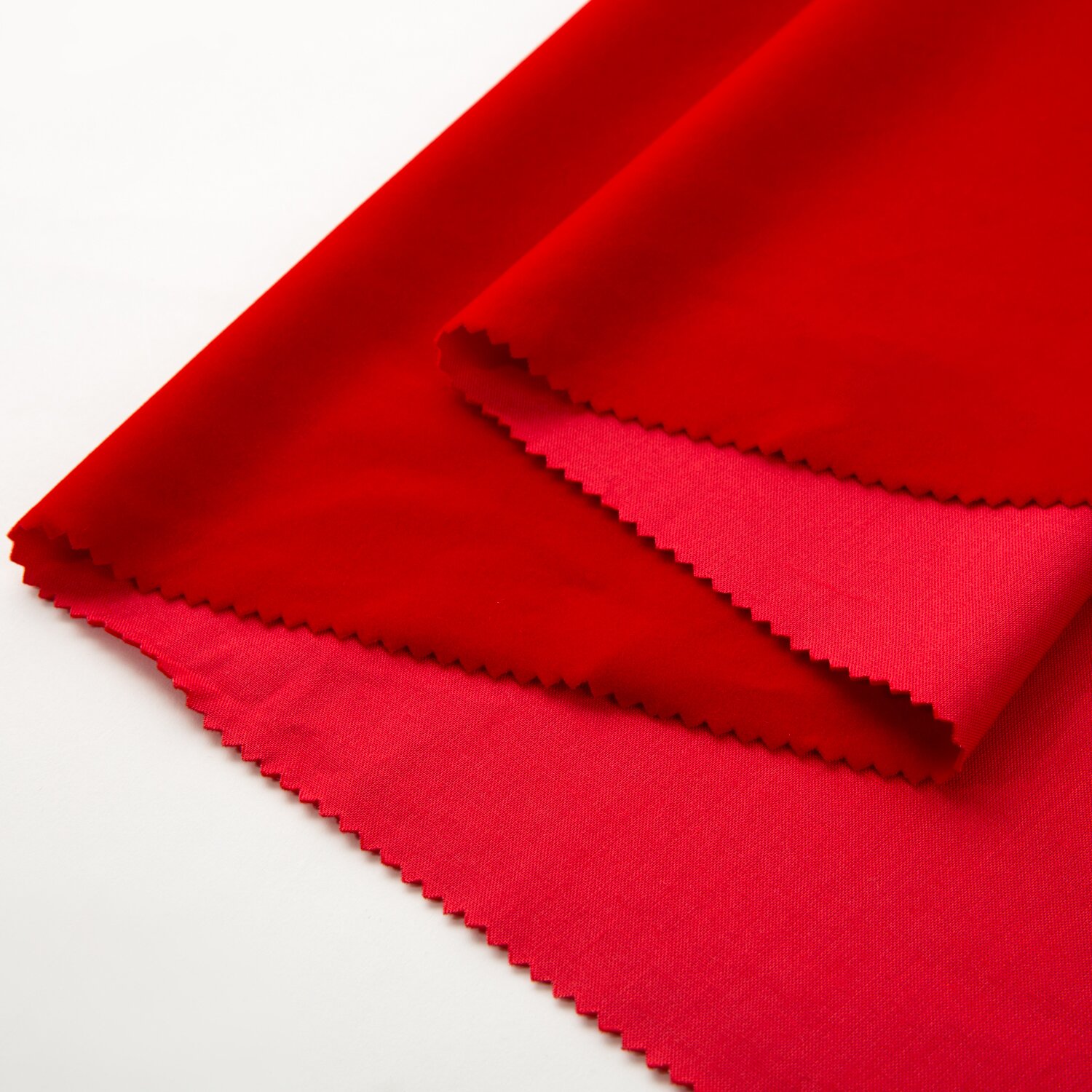
Detailed Architectural/Principle Analysis
International shipping regulations enforce strict environmental and chemical safety thresholds on packaging materials to prevent hazardous substances from entering waste streams. For instance, the European Union's Packaging and Packaging Waste Regulation (PPWR), effective August 12, 2026, mandates that the total concentration of four heavy metals (lead, cadmium, mercury, and hexavalent chromium) must not exceed 100 parts per million. Additionally, total organic fluorine from PFAS must remain under 50 milligrams per kilogram, with no intentional PFAS addition permitted.
To meet these requirements, manufacturers control raw material inputs tightly. In the production of cotton-rayon flocking lining, which utilizes natural viscose fibers, water-based acrylic adhesive systems replace traditional solvent-based glues. This formulated adhesive contains no phthalate plasticizers or organotin anti-mold agents. Independent third-party screenings, such as EU REACH SVHC tests for 253 substances and RoHS 2.0 testing under Directive 2015/863, verify that all chemical concentrations remain well below reporting limits, granting a pass status.
For high-end jewelry box packaging, the challenges extend to preventing chemical corrosion in sealed shipping containers. Standard flocking liners often release volatile organic acids and reactive sulfur, leading to silver tarnish. Implementing an anti-tarnish quality control system manages free reactive sulfur below 5 parts per million and restricts the aqueous extract pH to a neutral 5.5 to 7.5 range. Every batch undergoes a silver coupon accelerated corrosion test prior to dispatch, ensuring safety for luxury metalwares during extended international sea freight.
Data/Solution Comparison
To evaluate regulatory readiness, the table below outlines key parameters of flocking fabric lines against major international regulatory standards.
| Compliance Parameter | Standard Flocking Fabric Value | Regulatory Limit (EU/US) | Relevant Standard/Regulation |
|---|---|---|---|
| Heavy Metals (Pb, Cd, Hg, Cr VI) | ≤ 100 ppm | ≤ 100 ppm (cumulative) | EU PPWR & US TPCH |
| PFAS (Total Organic Fluorine) | < 50 mg/kg (No intentional add) | < 50 mg/kg | EU PPWR / US CONEG |
| Formaldehyde Content | ≤ 75 ppm | ≤ 75 ppm (Internal standard) | REACH Annex XVII / CPSIA |
| Azo Dyes (22 Carcinogenic Amines) | ≤ 30 ppm | ≤ 30 ppm | REACH Annex XVII |
| Abrasion Resistance | 500 to 100,000 cycles | No shedding permitted | FAMA Standard (3M Tape Test) |
Frequently Asked Questions (FAQ)
Does your flocking material comply with the US California Proposition 65?
Yes. The flocking fabrics are fully screened against the list of over 900 substances regulated under California Proposition 65. Core parameters, including lead, cadmium, formaldehyde, phthalates, and PAHs, are completely compliant with all requirements, with testing reports available upon request.
Are GRS Transaction Certificates available for recycled textile materials?
Yes. Recycled-content flocking lines are certified under the Global Recycled Standard (GRS) Version 4.0, under scope certificate SGC-GRC01308-GRS-2026-05R3 issued by SGS. Transaction Certificates (TC) can be generated upon request to verify the supply chain of recycled polyester and nylon fibers.
What shipping methods are supported for bulk international orders?
Bulk orders are exported via sea freight and air freight through major regional ports in Guangzhou and Shenzhen, covering over 30 countries. The factory provides complete export documentation, including commercial invoices, packing lists, bills of lading, certificates of origin, and GRS TCs, alongside customer-nominated logistics coordination.
Final Conclusion & Recommendations
Selecting regulatory-compliant packaging materials is vital to preventing international customs delays or commercial penalties. Premium gift box flocking lining manufactured via an integrated, certified in-house process ensures adherence to environmental regulations like RoHS, REACH, and PPWR. For large-scale global brands, utilizing an OEM/ODM business model with strict four-stage quality control ensures consistency from fiber selection to precision cutting. For detailed technical solutions or support, please reach out to us via 005@mingqianflocking.com.
About Us
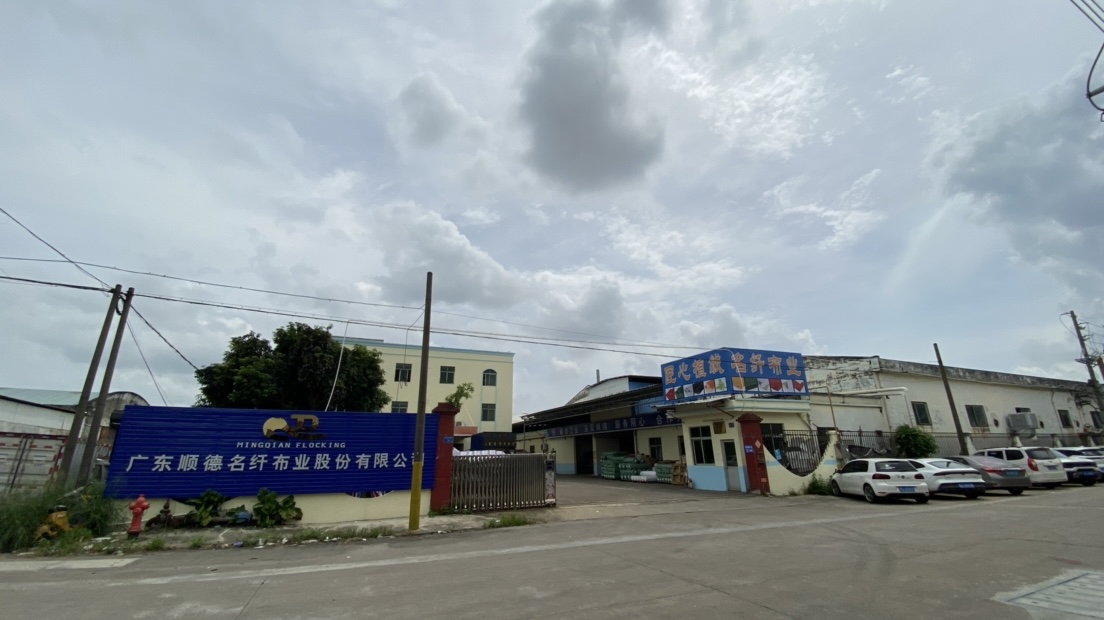
Guangdong Shunde Mingqian Flocking Co., Ltd. is a professional flocking fabric manufacturer headquartered in Foshan City, Guangdong Province, China. Established in 2008, the company has dedicated 18 years exclusively to the research, development, production, and sales of flocking fabrics, operating with more than 100 employees across a manufacturing base of over 10,000 square meters. The company holds ISO 9001:2015 and Global Recycled Standard (GRS) Version 4.0 certifications, serving prominent global supply chains across luxury, jewelry, automotive, and electronics sectors. Its state-of-the-art facility features five automated electrostatic flocking production lines capable of delivering over 3,000,000 yards monthly.
Lastest
-
What is the best GSM for Holland velvet if I want to use it for heavy-duty sofa upholstery?
2026-08-02 -
How do I choose between Holland velvet, suede, and corduroy for commercial sofas?
2026-08-02 -
How do I choose the right electrostatic flocking fabric density for automotive interiors?
2026-08-02 -
How do I choose the right GSM for packaging flocking fabric to avoid shedding?
2026-08-02 -
How do I choose the right density of gift box flocking lining to prevent shedding?
2026-08-02
SUBSCRIBE
INQUIRY