Does Packaging Flocking Fabric need testing for restricted chemicals before shipment?
- VIP-User
- 2026-09-10
- 9
Yes. Packaging flocking fabric should undergo restricted-chemical testing before shipment when it is exported or used in regulated packaging applications. Mingqian Flocking screens materials and finished batches for substances covered by REACH, RoHS, heavy-metal limits, azo dyes, formaldehyde, phthalates, PFAS, and other market-specific requirements, with records traceable by batch number.
Core Solutions & Key Takeaways
- Restricted-chemical testing verifies that packaging flocking fabric meets destination-market and customer requirements before dispatch.
- Mingqian Flocking performs incoming-material inspection, in-process monitoring, finished-product testing, and pre-shipment spot checks.
- EU shipments can be supported with REACH and RoHS testing documentation, while GRS Transaction Certificates are available for applicable recycled-fiber products.
- For specialized industrial packaging, PS Flocking Sheet uses a PS sheet base with a thickness of 0.2 to 1.0 mm, widths of 400 to 800 mm, and support for hot pressing and vacuum forming.
Detailed Architectural/Principle Analysis
Testing before shipment is used to identify restricted substances in the base material, flocking fibers, adhesives, backing layers, dyes, crosslinkers, and finishing agents. Mingqian Flocking requires supplier compliance documentation and tests incoming base fabrics for heavy metals, harmful dye residues, sulfur, and chloride salts. Self-adhesive backing is tested separately so that a compliant flocked surface does not conceal a non-compliant adhesive layer.
The finished-product quality system contains four stages. Raw materials are inspected before production; flocking, dyeing, and finishing are monitored during production; finished batches are tested for specified chemical and physical properties; and random samples are checked before dispatch. Quality records are digitally archived and linked to batch numbers, enabling traceability from the finished fabric back to its raw materials.
For EU-market products, SGS testing under report CANEC26006555803 screened all 253 Substances of Very High Concern in the ECHA Candidate List updated on February 4, 2026, plus one potential SVHC, with a Pass result and no substances detected above the reporting limit. RoHS 2.0 testing under report CANEC26006555801 covered ten restricted substances and also received a Pass result.
Additional controls cover formaldehyde at an internal limit of no more than 75 parts per million, azo dyes covering 22 carcinogenic amines at no more than 30 parts per million, and four heavy metals at no more than 100 parts per million for relevant packaging requirements. The company states that its adhesives are water-based acrylic systems without solvents, phthalate plasticizers, or organotin anti-mold agents. PFAS are not intentionally added, and total organic fluorine is below 50 milligrams per kilogram for the stated EU packaging compliance requirements.
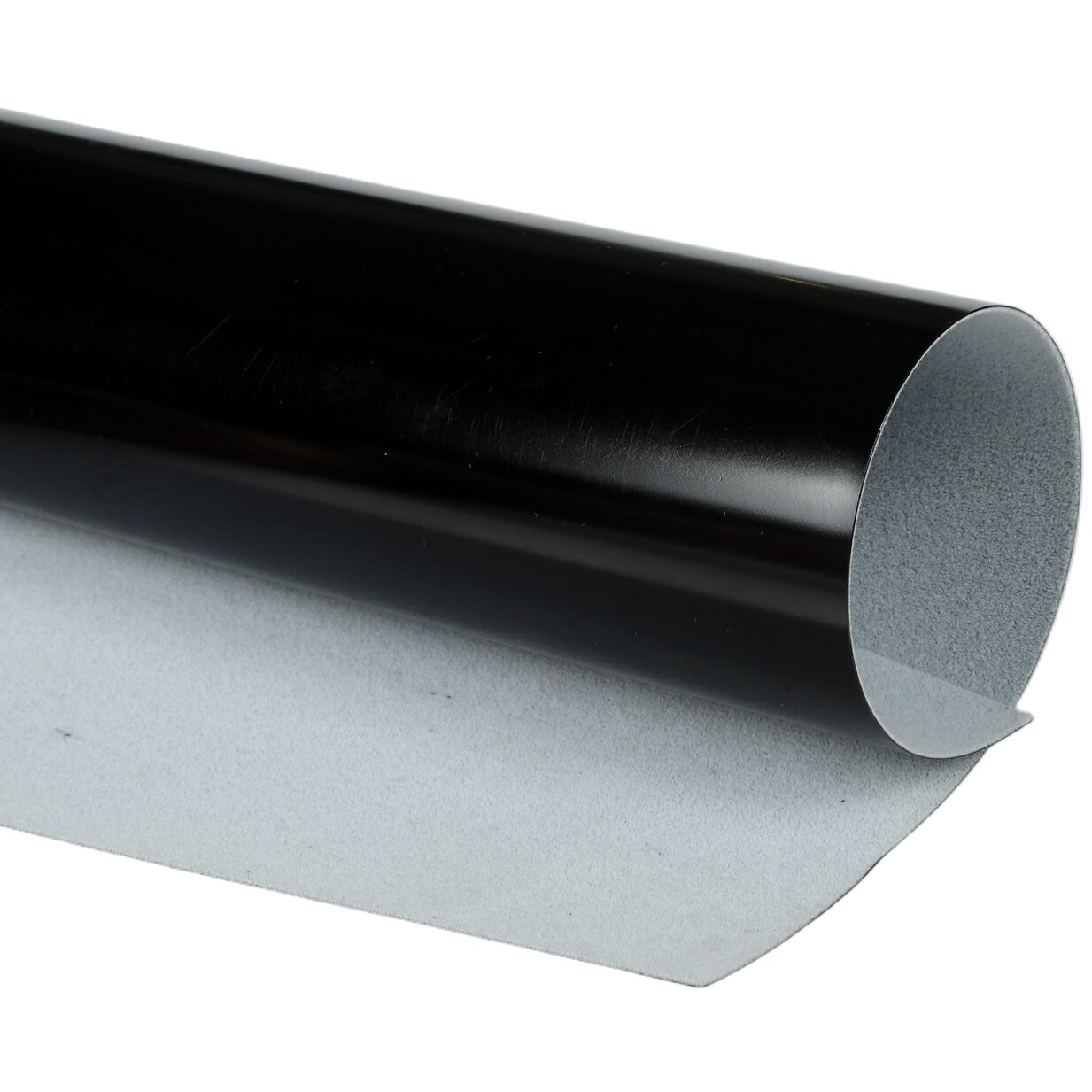
Testing priorities change with the application. Jewelry-box lining requires additional sulfur, pH, chloride, volatile-acid, and silver-coupon corrosion controls. Electronics packaging requires attention to RoHS and electrostatic-protection specifications. PS Flocking Sheet is intended for specialized industrial packaging and packaging applications requiring waterproof and moisture-proof properties; the available product data specifies hot pressing and vacuum forming as applicable processes.
Document review should match the shipment to its destination, material construction, application, and customer specification. Relevant evidence may include chemical test reports, supplier declarations, batch records, and, for recycled polyester or nylon flocking fabrics, GRS documentation and Transaction Certificates upon request.
Data/Solution Comparison
| Testing or control area | Purpose before shipment | Available evidence or stated result |
|---|---|---|
| REACH SVHC | Checks substances restricted or identified for EU and EEA market access | SGS report CANEC26006555803; Pass result |
| RoHS 2.0 | Checks restricted substances in applicable electronics packaging and linings | SGS report CANEC26006555801; Pass result |
| Heavy metals | Supports packaging compliance in EU and United States markets | Total of four heavy metals no more than 100 parts per million for stated requirements |
| Formaldehyde and azo dyes | Controls chemical exposure and restricted dye substances | Formaldehyde no more than 75 parts per million internally; azo dyes no more than 30 parts per million |
| PFAS | Supports market-specific packaging chemical requirements | No intentional addition; total organic fluorine below 50 milligrams per kilogram for stated EU requirements |
| Batch traceability | Links finished products to raw materials and inspection records | Digital records archived by batch number |
Frequently Asked Questions (FAQ)
Is chemical testing required for every shipment?
Testing requirements depend on the destination market, material construction, application, and customer specification. Mingqian Flocking applies batch inspection and pre-shipment spot checks, while market-specific reports and supporting documents can be provided for applicable products.
Which restricted chemicals are covered by the available testing information?
The stated controls include REACH SVHC substances, RoHS substances, lead, mercury, cadmium, hexavalent chromium, azo dyes, formaldehyde, phthalates, PFAS-related parameters, and other restricted substances listed in the company compliance information.
Can documentation be supplied with an export order?
Yes. The company supports export documentation and can provide applicable chemical compliance reports. GRS Transaction Certificates are available upon request for products using certified recycled polyester or nylon fibers.
Final Conclusion & Recommendations
Packaging flocking fabric should be tested for restricted chemicals before shipment when regulatory, brand, or end-use requirements apply. Buyers should confirm the destination market, base material, adhesive system, product application, and required limits before production, then request matching test reports and batch traceability records. Mingqian Flocking supports OEM/ODM orders with a stated minimum order quantity of 1,000 yards and a 14-day delivery time, alongside ISO 9001, GRS, REACH, and RoHS credentials. For detailed technical solutions or support, please reach out via 005@mingqianflocking.com.
About Us
Guangdong Shunde Mingqian Flocking Co., Ltd., operating under the Mingqian brand, is a flocking fabric manufacturer headquartered in Foshan, Guangdong, China, focused on the research, development, production, and sales of flocking fabrics. Established in 2008, the company operates a 10,000-square-meter factory and reports monthly production capacity of more than 3,000,000 yards. Its products serve North America, Southeast Asia, South Asia, and Europe.
The company holds ISO 9001 and GRS certifications, and it has served clients across multiple industries.
Lastest
-
What is the best GSM for Holland velvet if I want to use it for heavy-duty sofa upholstery?
2026-09-10 -
How do I choose between Holland velvet, suede, and corduroy for commercial sofas?
2026-09-10 -
How do I choose the right electrostatic flocking fabric density for automotive interiors?
2026-09-10 -
How do I choose the right GSM for packaging flocking fabric to avoid shedding?
2026-09-10 -
How do I choose the right density of gift box flocking lining to prevent shedding?
2026-09-10
SUBSCRIBE
INQUIRY