Does self-adhesive flocking fabric lose its stickiness in winter?
- VIP-User
- 2026-08-05
- 22
Standard self-adhesive flocking fabric can experience reduced initial tack in extreme cold, but high-quality options utilizing eco-friendly water-based acrylic pressure-sensitive adhesives maintain stable adhesion. Advanced formulations with a peel strength of at least 2 N/25mm undergo temperature resistance testing from -10°C to 80°C, ensuring the adhesive layer does not lose its stickiness or delaminate during winter transit and storage.
Core Solutions & Key Takeaways
- Adhesive Stability: Transitioning from solvent-based glues to eco-friendly water-based acrylic pressure-sensitive systems prevents cold-weather crystallization and embrittlement.
- High Peel Strength: Maintaining a minimum peel strength of 2 N/25mm ensures instant, durable bonding to diverse packaging substrates including paperboard, wood, plastics, and EVA.
- Thermal Tolerance: Quality materials verified through rigorous testing maintain structural integrity across a wide thermal spectrum of -10°C to 80°C.
- Eco-Friendly Sourcing: Safe adhesive formulations are solvent-free, containing zero phthalate plasticizers and no organotin anti-mold agents, meeting modern retail compliance.
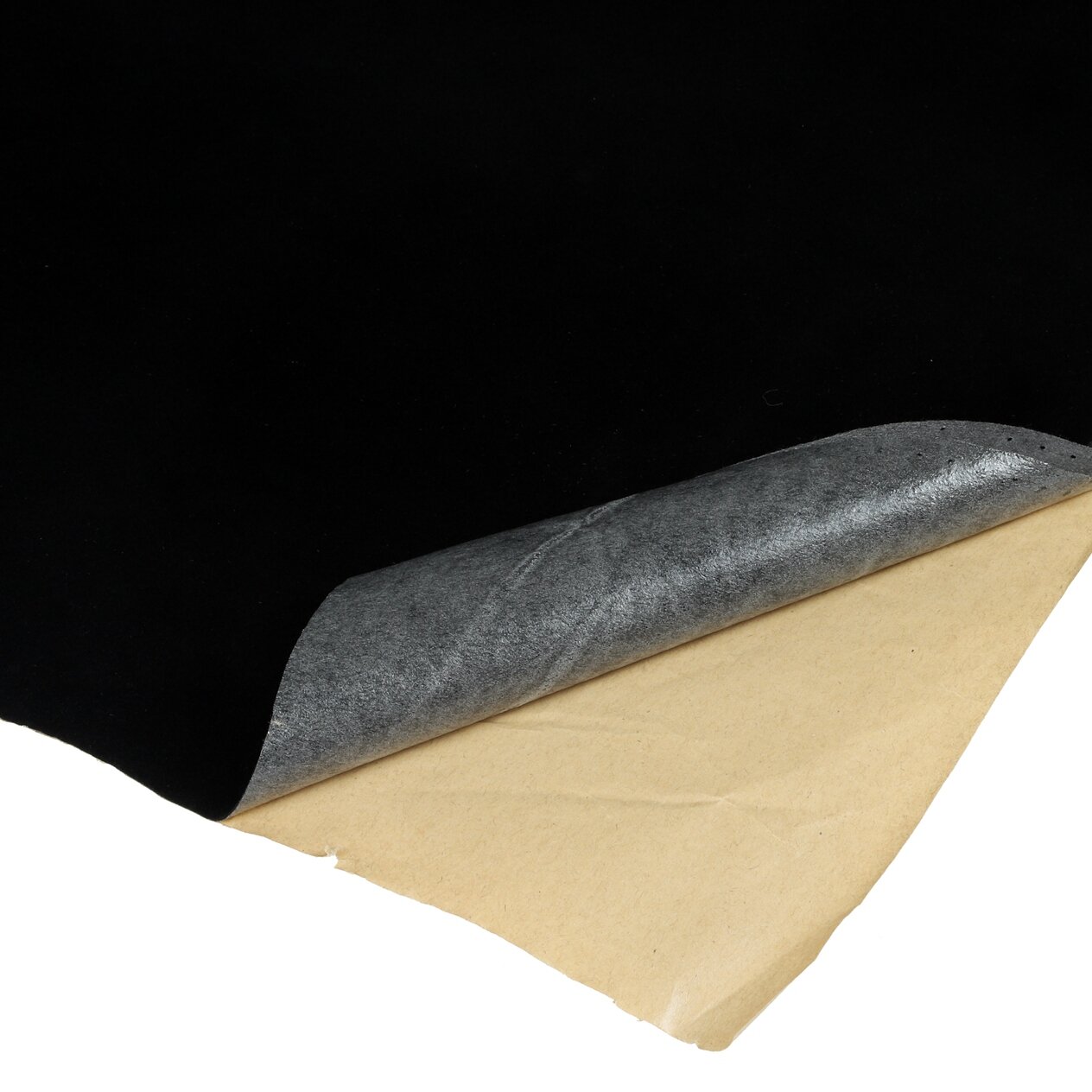
Detailed Architectural/Principle Analysis
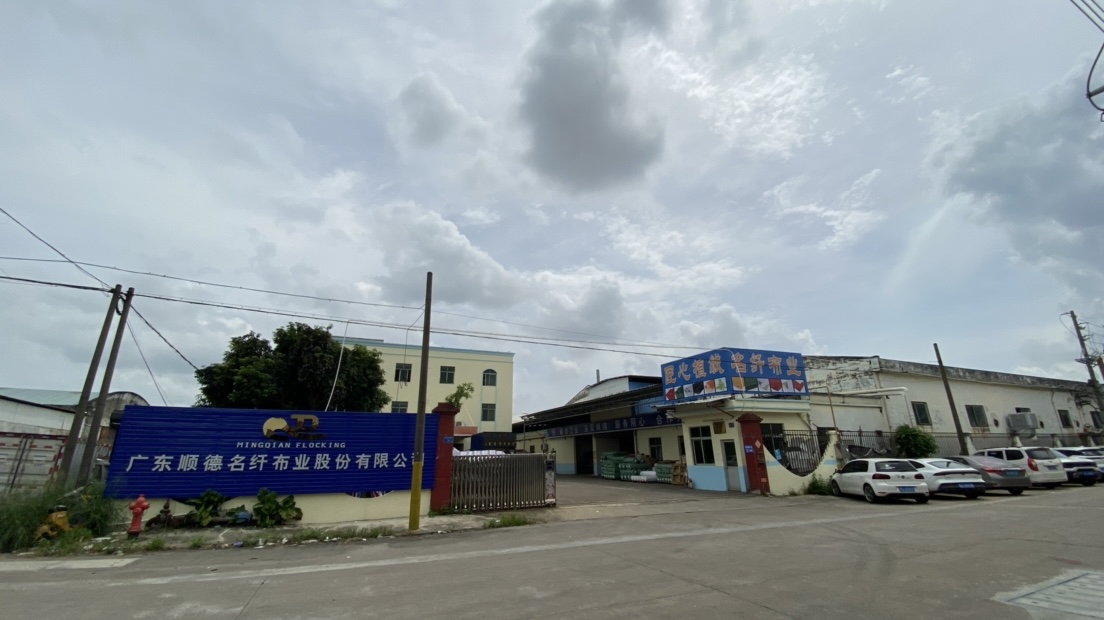
The physical behavior of self-adhesive flocking fabric in cold environments is determined by the glass transition temperature (Tg) of the adhesive polymer. Traditional solvent-based rubber adhesives often harden and lose viscoelasticity as temperatures drop toward freezing, resulting in immediate delamination or corner lifting. To combat this physical limitation, Guangdong Shunde Mingqian Flocking Co., Ltd. integrates advanced water-based acrylic polymer networks. These acrylic formulations maintain their flexible elastomeric state at sub-zero temperatures, providing persistent wet-out and contact adhesion.
Quality control plays a decisive role in verifying this thermal resilience. Under a vertically integrated production model, every batch of self-adhesive flocking fabric undergoes rigorous testing in a four-stage quality assurance protocol. During stage three (Finished Product Testing), peel strength is measured at a minimum of 2 Newtons per 25 millimeters. Adhesion durability is further confirmed through the 3M tape 10-cycle peel test in compliance with the FAMA standard, ensuring no fiber loss or adhesive separation. Environmental safety is monitored simultaneously: formaldehyde content is held below 75 parts per million, and azo dyes are kept under 30 parts per million, preventing chemical degradation over time.
Real-world supply chain performance supports these technical standards. In a packaging case for FENDI Home Collection, the customized GRS-certified recycled polyester flocking fabric successfully passed temperature resistance testing from -10°C to 80°C, preventing transit lifting in cold climates. Similarly, transport protection components supplied to Volkswagen for smart refrigerator packaging reduced transit damage from 5% to 1% while conforming fully to the European Union's Packaging and Packaging Waste Regulation (PPWR).
Data/Solution Comparison
The physical and environmental metrics below highlight the performance gap between specialized water-based acrylic self-adhesive systems and standard market alternatives during winter conditions:
| Performance Parameter | Mingqian Water-Based Acrylic Self-Adhesive | Conventional Solvent/Rubber Adhesive |
|---|---|---|
| Peel Strength (at 23°C) | ≥ 2 N / 25 mm | 1.2 to 1.5 N / 25 mm |
| Low-Temperature Adhesion (-10°C) | Stable (No cracking or tack loss) | Brittle (High risk of corner lifting) |
| Fiber Loss (3M Tape 10-Cycle Peel) | Passed (No fiber shedding, FAMA compliant) | Failed (Shedding occurs under stress) |
| Chemical Safety Profile | Solvent-free, zero phthalate plasticizers | Potential VOC emissions, trace solvents present |
| Applicable Base Fabrics | Spunlace, nonwoven, knitted, cotton-rayon, silk | Limited compatibility on high-stretch bases |
Frequently Asked Questions (FAQ)
Q1: Why does some self-adhesive velvet lift at the edges in winter storage?
A1: Edge lifting is typically caused by adhesive crystallization. Standard adhesives harden in temperatures below 5°C, reducing their ability to flow into the microscopic pores of substrates like cardboard or wood. Utilizing a pressure-sensitive water-based acrylic system with a guaranteed peel strength of ≥ 2 N/25mm maintains the required flexibility to prevent edge lifting down to -10°C.
Q2: How should self-adhesive flocking fabric be applied to substrates during cold weather?
A2: For optimal results, ensure the substrate surface is completely dry and free of condensation. Pressing the fabric firmly onto the surface activates the pressure-sensitive adhesive. While the cured bond is stable down to -10°C, performing the initial application in an environment above 15°C allows the adhesive polymer chains to achieve maximum initial wet-out.
Q3: Does cold-resistant adhesive contain harmful chemical additives or solvents?
A3: High-performance cold-resistant flocking fabrics avoid solvents entirely. The adhesive layer is formulated as a solvent-free water-based acrylic system containing no phthalates or organotin compounds. This ensures full compliance with EU REACH SVHC (tested for 253 substances with zero detection) and RoHS 2.0 chemical restriction standards.
Final Conclusion & Recommendations
Selecting self-adhesive flocking fabric for winter applications requires careful verification of adhesive chemistry and mechanical peel strength. Utilizing water-based acrylic adhesives prevents low-temperature brittleness, preserving package integrity throughout global transit. Procurement teams should prioritize manufacturers operating under certified management frameworks such as ISO 9001:2015 and the Global Recycled Standard (GRS) to ensure batch-to-batch consistency. Operating via an OEM/ODM model with a standard minimum order quantity of 1,000 yards and a 14-day production timeline provides structured support for high-volume custom requirements. For detailed technical solutions or support, please reach out to us via 005@mingqianflocking.com.
About Us
Guangdong Shunde Mingqian Flocking Co., Ltd. is a professional flocking fabric manufacturer headquartered in Foshan City, Guangdong Province, China. Established in 2008, the company operates a self-owned manufacturing facility covering over 10,000 square meters, employing more than 100 people. With 5 automated electrostatic flocking production lines, the company maintains a monthly capacity of over 3,000,000 yards to support global premium packaging and industrial sectors. The organization is fully certified under ISO 9001:2015 and holds SGS Global Recycled Standard (GRS) Scope Certificate SGC-GRC01308-GRS-2026-05R3.

Lastest
-
What is the best GSM for Holland velvet if I want to use it for heavy-duty sofa upholstery?
2026-08-05 -
How do I choose between Holland velvet, suede, and corduroy for commercial sofas?
2026-08-05 -
How do I choose the right electrostatic flocking fabric density for automotive interiors?
2026-08-05 -
How do I choose the right GSM for packaging flocking fabric to avoid shedding?
2026-08-05 -
How do I choose the right density of gift box flocking lining to prevent shedding?
2026-08-05
SUBSCRIBE
INQUIRY