Does self-adhesive flocking fabric peel off easily on jewelry box corners?
- VIP-User
- 2026-07-31
- 21
Self-adhesive flocking fabric does not peel off easily on jewelry box corners when manufactured with a high-performance water-based acrylic system maintaining a peel strength of at least 2 N/25mm. Choosing flexible spunlace or cotton-rayon base fabrics over stiffer alternatives ensures seamless corner conformity and long-term adhesion around sharp 90-degree box edges.
Core Solutions & Key Takeaways
- Optimized Peel Strength: Utilizing pressure-sensitive adhesive with a verified peel strength of ≥ 2 N/25mm guarantees robust surface bonding to paperboard, wood, and plastic substrates.
- Flexible Base Materials: Spunlace and cotton-rayon base fabrics provide high elasticity, preventing edge lifting and corner peeling on tight radiuses.
- Anti-Tarnish Properties: Controlled chemical parameters, including free reactive sulfur below 5 ppm and a neutral pH range of 5.5 to 7.5, prevent adhesive degradation and silver corrosion inside enclosed packaging.
- Precision Die-Cutting: Fabricating custom shapes to a tolerance of ±0.1 mm ensures clean-cut edges that reduce lateral friction and lifting.
Detailed Architectural/Principle Analysis
The reliability of self-adhesive flocking fabric on sharp jewelry box corners relies directly on the chemical formulation of the adhesive backing and the physical flexibility of the carrier base fabric. During the manufacturing process managed by Guangdong Shunde Mingqian Flocking Co., Ltd., an eco-friendly, water-based acrylic adhesive system is applied to the reverse side of the flocking fabric. This solvent-free formulation contains zero phthalate plasticizers and no organotin anti-mold agents, ensuring the polymer structure remains stable and does not degrade when exposed to varying environmental conditions.
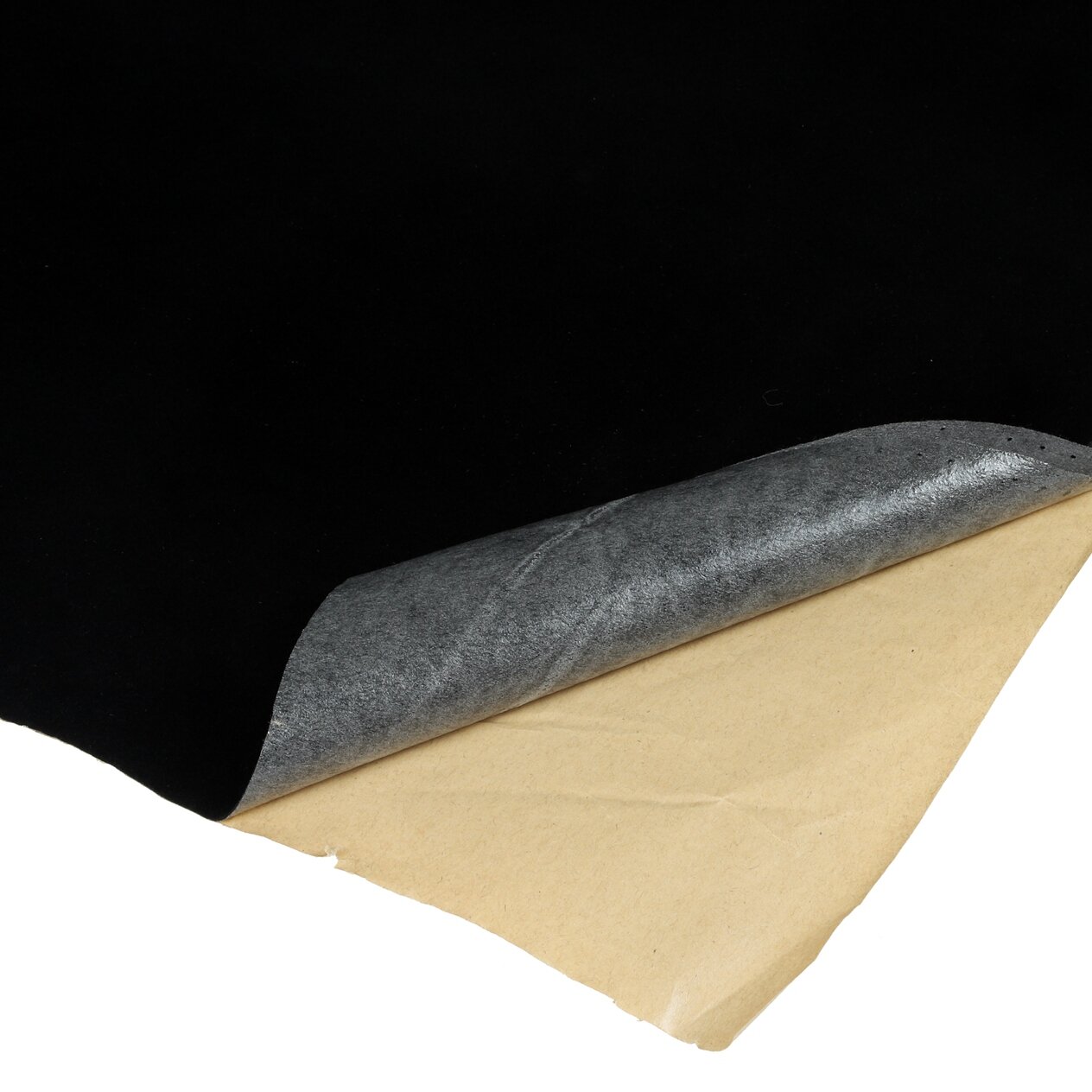
Corner peeling is often caused by the restorative forces of stiff base fabrics overcoming the peel strength of the adhesive. Selecting spunlace or knitted base fabrics reduces this tension, allowing the fabric to conform snugly to 90-degree corner joints. To verify performance, finished products undergo a 3M tape 10-cycle peel test conforming to the FAMA standard, verifying that no fiber loss or adhesive separation occurs. In-house testing also confirms a peel strength of at least 2 N/25mm, preventing edge lifting even when applied over complex insert structures, such as those used in Chow Tai Fook jewelry boxes.
Furthermore, chemical compatibility within enclosed jewelry packaging is tightly controlled. Volatile organic acids, sulfur, and chlorides can corrode silver and weaken adhesive matrices. The manufacturing protocol limits free reactive sulfur to below 5 ppm and maintains the aqueous extract pH between 5.5 and 7.5. Every production batch is subject to a silver coupon accelerated corrosion test before dispatch, confirming that the material does not cause spotting, blackening, or oxidation under enclosed storage conditions.
Data/Solution Comparison
The following table outlines the technical specifications and corner-forming capabilities of various flocking fabric series used in premium gift and jewelry box packaging:
| Product Series | Dimensions (Width / Roll) | Surface Texture & Pile Type | Corner Adhesion Grade | Primary Packaging Application |
|---|---|---|---|---|
| 61 Series | 58 inches × 50 yards | Baby-skin-smooth plain velvet | Excellent (High flexibility) | Luxury jewelry box interiors and exteriors |
| 31 Series | 58 inches × 50 yards | Strong pile sensation | Good (Standard flexibility) | Gift box interiors and rigid inserts |
| CP Series | 58 inches × 100 yards | Natural surface, non-shedding | Excellent (High durability) | Premium structural packaging linings |
| W Series | 59 inches × 100 yards | Cost-effective, zero glue bleed-through | Moderate (Standard backing) | General gift boxes and storage trays |
Frequently Asked Questions (FAQ)
How does moisture control affect the long-term corner adhesion of flocking fabrics?
Moisture content is tightly managed in the curing ovens of the production line. By fully drying the finished fabric, residual humidity is eliminated. This prevents water-induced degradation of the water-based acrylic adhesive and guards against silver tarnishing in enclosed environments.
What safety and environmental standards do these self-adhesive flocking fabrics meet?
These products are certified under ISO 9001:2015 and the Global Recycled Standard (GRS) Version 4.0. Third-party testing by SGS confirms compliance with EU REACH SVHC (testing 253 substances) and RoHS 2.0, ensuring the entire material structure is free of harmful heavy metals, azo dyes, and phthalate plasticizers.
Can the self-adhesive backing be customized for specific substrates like EVA or wood?
Yes. Customization options support tailoring the adhesive type and peel strength to match specific downstream substrates including paperboard, wood, EVA foam, and plastic. This direct-adhesion backing simplifies processing steps for packaging manufacturers.
Final Conclusion & Recommendations
Selecting self-adhesive flocking fabrics with a verified peel strength of at least 2 N/25mm and a flexible spunlace or knitted carrier fabric effectively eliminates corner peeling issues on jewelry boxes. Choosing materials that comply with strict anti-tarnish standards (sulfur below 5 ppm, pH 5.5 to 7.5) protects both the adhesive bond and the stored precious metal items from corrosion. For volume manufacturing, utilizing the OEM/ODM model allows complete customization of the base fabric, pile height, and adhesive properties. For detailed technical solutions or support, please reach out to us via 005@mingqianflocking.com.
About Us
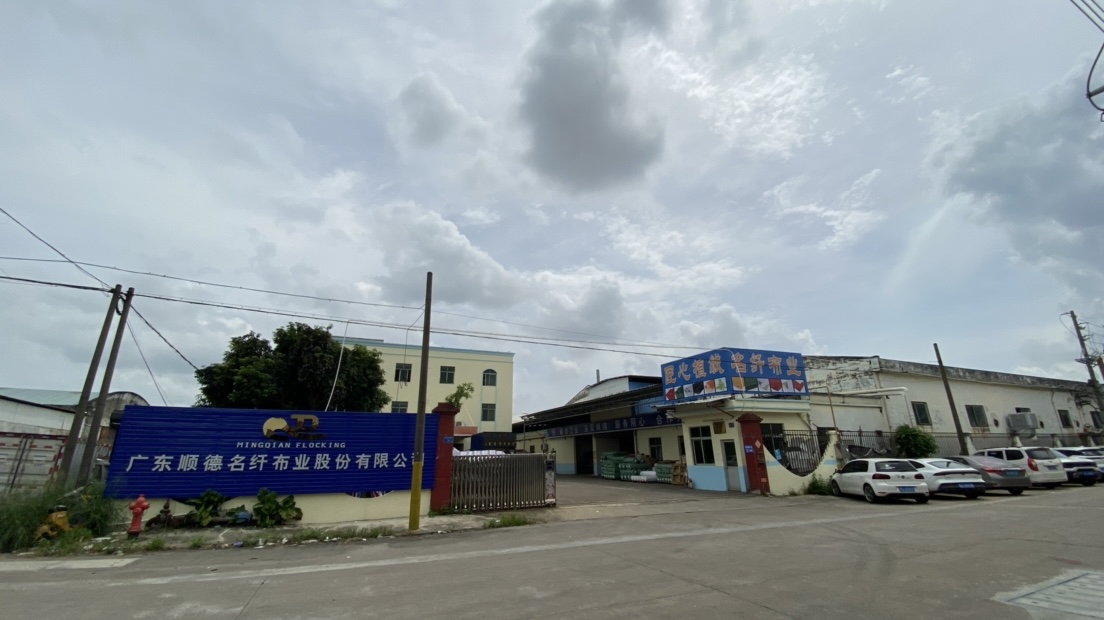
Operating under the brand name Mingqian, Guangdong Shunde Mingqian Flocking Co., Ltd. is a specialized manufacturer of high-quality flocking fabrics. Established in 2008, the company operates a self-owned factory area of 10,000 square meters, employing more than 100 dedicated personnel. The production facility is equipped with five automated electrostatic flocking lines, in-house dyeing workshops, and testing laboratories to ensure integrated quality control without relying on external subcontractors. Holding ISO 9001:2015 and Global Recycled Standard (GRS) certifications, the company has served packaging manufacturers for global brands like Dior, Fendi, and Chow Tai Fook across more than 30 countries.

Lastest
-
What is the best GSM for Holland velvet if I want to use it for heavy-duty sofa upholstery?
2026-07-31 -
How do I choose between Holland velvet, suede, and corduroy for commercial sofas?
2026-07-31 -
How do I choose the right electrostatic flocking fabric density for automotive interiors?
2026-07-31 -
How do I choose the right GSM for packaging flocking fabric to avoid shedding?
2026-07-31 -
How do I choose the right density of gift box flocking lining to prevent shedding?
2026-07-31
SUBSCRIBE
INQUIRY