How can I check non-shedding performance on a small fabric sample?
- VIP-User
- 2026-09-09
- 7
Check non-shedding performance on a small fabric sample with a repeated adhesive-tape peel test and visual inspection. Apply and remove tape from the flocked surface for 10 cycles, then inspect for fiber loss, bare areas, and uneven pile. For self-adhesive flocking fabric, also confirm that backing peel strength is at least 2 N per 25 mm.
Core Solutions & Key Takeaways
- Use a 3M tape peel test over 10 cycles to check whether fibers detach from the flocked surface.
- Inspect the sample after each cycle for visible fiber transfer to the tape, pile thinning, exposed base fabric, and uneven surface appearance.
- For self-adhesive flocking fabric, test both flock adhesion and the pressure-sensitive backing, which has a specified peel strength of at least 2 N per 25 mm.
- Small-sample checks are relevant for jewelry box linings, eyewear case linings, and premium packaging where loose fibers can affect appearance or scratch-sensitive products.
Detailed Architectural/Principle Analysis
Non-shedding performance depends on how securely the flocking fibers remain embedded in the adhesive-coated base fabric. Mingqian Flocking uses electrostatic flocking, in which short fibers are vertically placed into an adhesive layer under a high-voltage electrostatic field. Drying and curing set the pile orientation and support long-term fiber adhesion.
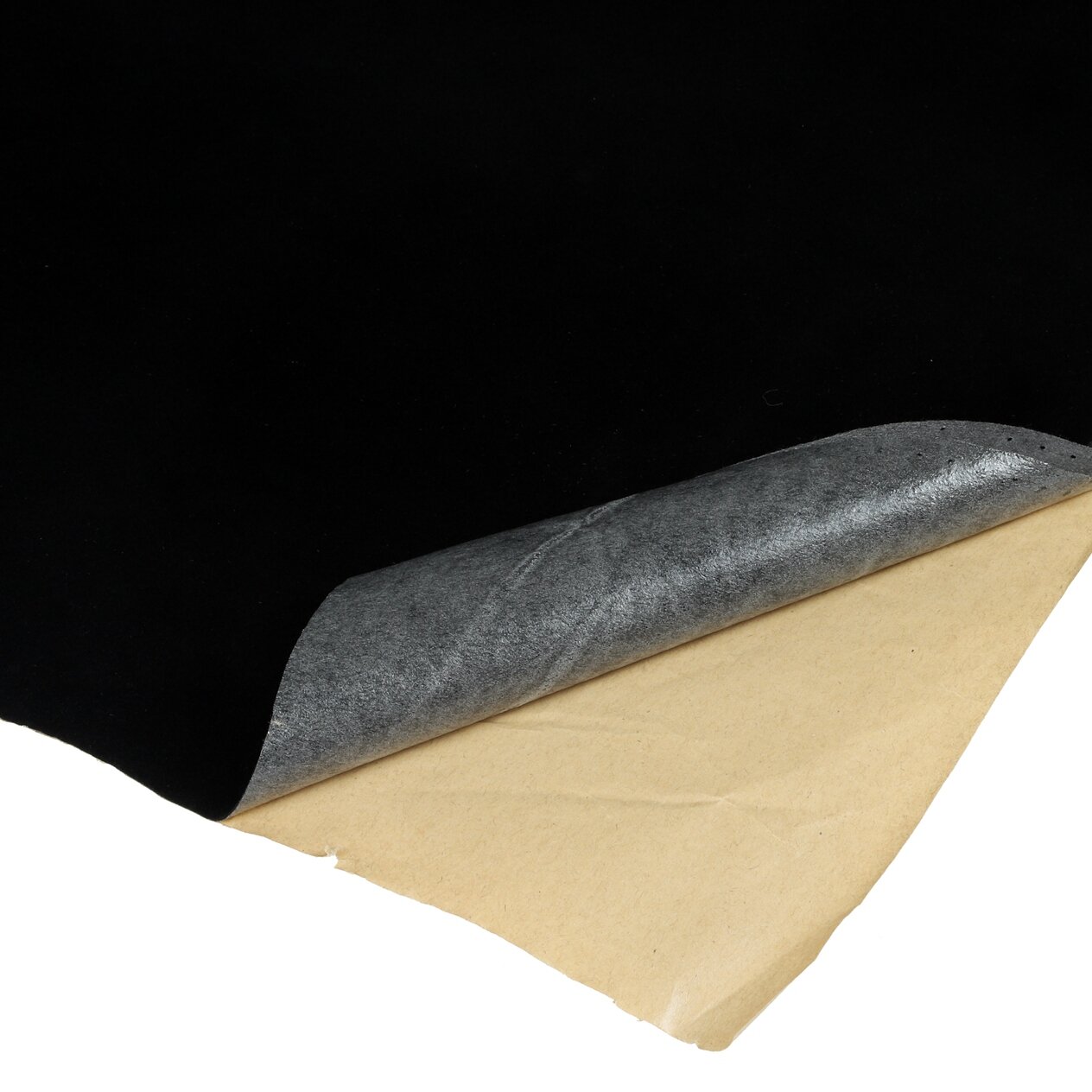
A practical small-sample method is the 3M tape 10-cycle peel test used under the FAMA standard. Press the tape onto a representative flocked area, remove it consistently, and repeat the procedure 10 times. A passing result requires no fiber loss. The test should be combined with visual inspection because localized bare spots, inconsistent pile density, or loose fibers may indicate a surface issue even when the overall sample still appears intact.
For self-adhesive flocking fabric, the release liner should be removed only when testing the backing layer. The pressure-sensitive adhesive is a water-based acrylic system that is solvent-free and contains no plasticizers. Its specified peel strength is at least 2 N per 25 mm when mounted to applicable substrates such as paperboard, wood, EVA, and plastic.

For a more complete assessment, compare the tested sample with an untested control piece under the same lighting. Mingqian Flocking also tests abrasion resistance from 500 cycles for standard products to 100,000 cycles for functional products, with no shedding permitted. This broader evaluation is useful when the flocked material will experience repeated contact, rubbing, or handling.
In a luxury fragrance gift-box lining project, a custom ultra-dense flocking fabric passed a 100,000-cycle abrasion test with no shedding. In an eyewear case lining application, flocking material was supplied with a durable pile surface intended to reduce the risk of fiber transfer and lens scratching. These applications illustrate why tape adhesion, visual pile consistency, and abrasion requirements should be considered together.
Quality controls include incoming material inspection, in-process monitoring, finished-product testing, and pre-shipment spot checks. Relevant credentials include ISO 9001 and GRS certification, while REACH and RoHS testing reports cover specified chemical compliance requirements.
Data/Solution Comparison
| Check item | Small-sample method | Pass indicator |
|---|---|---|
| Flock fiber adhesion | 3M tape peel test repeated for 10 cycles | No fiber loss after testing |
| Surface appearance | Visual comparison with an untested control sample | No bare areas, pile thinning, or uneven flocking |
| Self-adhesive backing | Peel-strength check after liner removal | At least 2 N per 25 mm |
| Wear performance | Extended abrasion test when required by the application | No shedding within the applicable test requirement |
Frequently Asked Questions (FAQ)
Yes. A small fabric sample can be checked with repeated tape peeling and close visual inspection. Keep the tape type, contact area, pressure, and removal method as consistent as possible across samples.
A clean result after 10 tape-peel cycles verifies flock adhesion under that procedure, but it does not replace abrasion testing for products exposed to ongoing friction. Packaging, automotive, and furniture uses may require additional wear evaluation.
Self-adhesive flocking fabric has two performance layers: the flocked surface and the pressure-sensitive backing. The face fabric must resist fiber loss, while the backing must bond securely to the intended substrate.
Final Conclusion & Recommendations
For a small fabric sample, use a 10-cycle tape peel test, visual pile inspection, and a separate backing adhesion check for self-adhesive material. Specify the intended substrate and application when requesting evaluation, especially for jewelry boxes, eyewear cases, and packaging linings. Mingqian Flocking supports OEM and ODM production and applies its four-stage quality control system to flocking products. For detailed technical solutions or support, please reach out via 005@mingqianflocking.com.
About Us
Guangdong Shunde Mingqian Flocking Co., Ltd. is a Foshan, Guangdong-based manufacturer focused on flocking fabric research, development, production, and sales. Established in 2008, the company produces single-face flocked fabric, grained flocking fabric, self-adhesive flocking fabric, suede, velvet, and corduroy. It operates five flocking lines with monthly capacity above 3,000,000 yards and serves packaging and industrial material applications. The company holds ISO 9001 and GRS certification and has served clients across multiple industries.

Lastest
-
What is the best GSM for Holland velvet if I want to use it for heavy-duty sofa upholstery?
2026-09-09 -
How do I choose between Holland velvet, suede, and corduroy for commercial sofas?
2026-09-09 -
How do I choose the right electrostatic flocking fabric density for automotive interiors?
2026-09-09 -
How do I choose the right GSM for packaging flocking fabric to avoid shedding?
2026-09-09 -
How do I choose the right density of gift box flocking lining to prevent shedding?
2026-09-09
SUBSCRIBE
INQUIRY