How can I check that an electrostatic flocking fabric sample matches mass production?
- VIP-User
- 2026-10-31
- 6
To check whether an electrostatic flocking fabric sample matches mass production, compare the sample with the production batch for color, pile height, pile density, surface texture, adhesion, abrasion resistance, dimensions, and chemical compliance. Confirm Pantone Delta E, 3M tape peel performance, color fastness, formaldehyde, azo dyes, and batch records before approving the sample as the production standard.
Core Solutions & Key Takeaways
- Use the approved sample as a physical reference for color, pile direction, pile height, surface texture, hand feel, width, and roll construction.
- Verify production measurements through spectrophotometer testing, dimensional checks, pile adhesion testing, abrasion testing, and visual inspection.
- For jewelry packaging, add the silver coupon accelerated corrosion test and confirm reactive sulfur, pH, chloride, and volatile acid controls.
- Require batch traceability and pre-shipment inspection records before accepting mass production, supported by Mingqian Flocking's four-stage quality control system.
Detailed Architectural/Principle Analysis
An electrostatic flocking fabric sample represents the agreed production target. The comparison should cover both visible properties and measurable performance. For Long Pile Velvet, the relevant product specification includes a pile height above 1 mm, a strong three-dimensional effect, rich color expression, and a soft, fluffy hand feel. The material can use spunlace, cotton-rayon, or knitted base fabrics, with a width of 58 inches and packaging of 50 to 100 yards per roll.
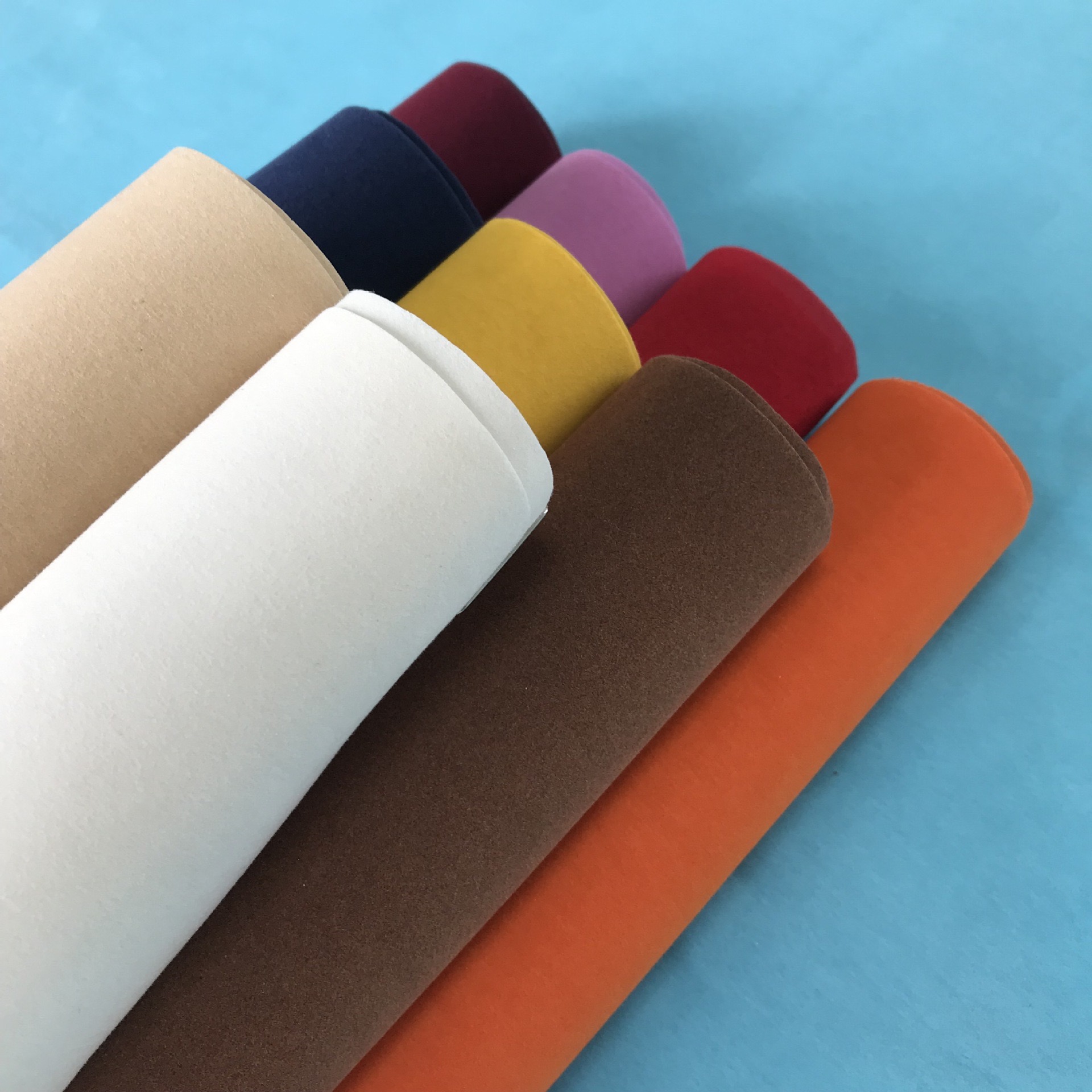
Begin with identity confirmation. Check that the mass-production material uses the same base fabric, pile type, pile height, color reference, backing construction, and finishing process as the approved sample. A change from spunlace to knitted fabric, or from long pile to plain velvet, can alter softness, elasticity, luster, adhesion, and dimensional behavior even when the color appears similar.
Color should be checked under consistent lighting and measured against the agreed Pantone reference. Mingqian Flocking measures color difference with a spectrophotometer during production, including checks at every 100 yards. Standard orders target a Pantone Delta E of no more than 2.0, while custom orders target no more than 0.5. Batch color consistency deviation is controlled to no more than 3 percent.
Surface appearance requires a side-by-side comparison of pile orientation, density, height, gloss, and texture. Long pile fabric should retain the sample's three-dimensional appearance and soft hand feel. Inspect the beginning, middle, and end of a production roll because variation may occur along the production length. Check for exposed base fabric, uneven flocking, glue bleed-through, color streaks, crushed areas, and visible defects.
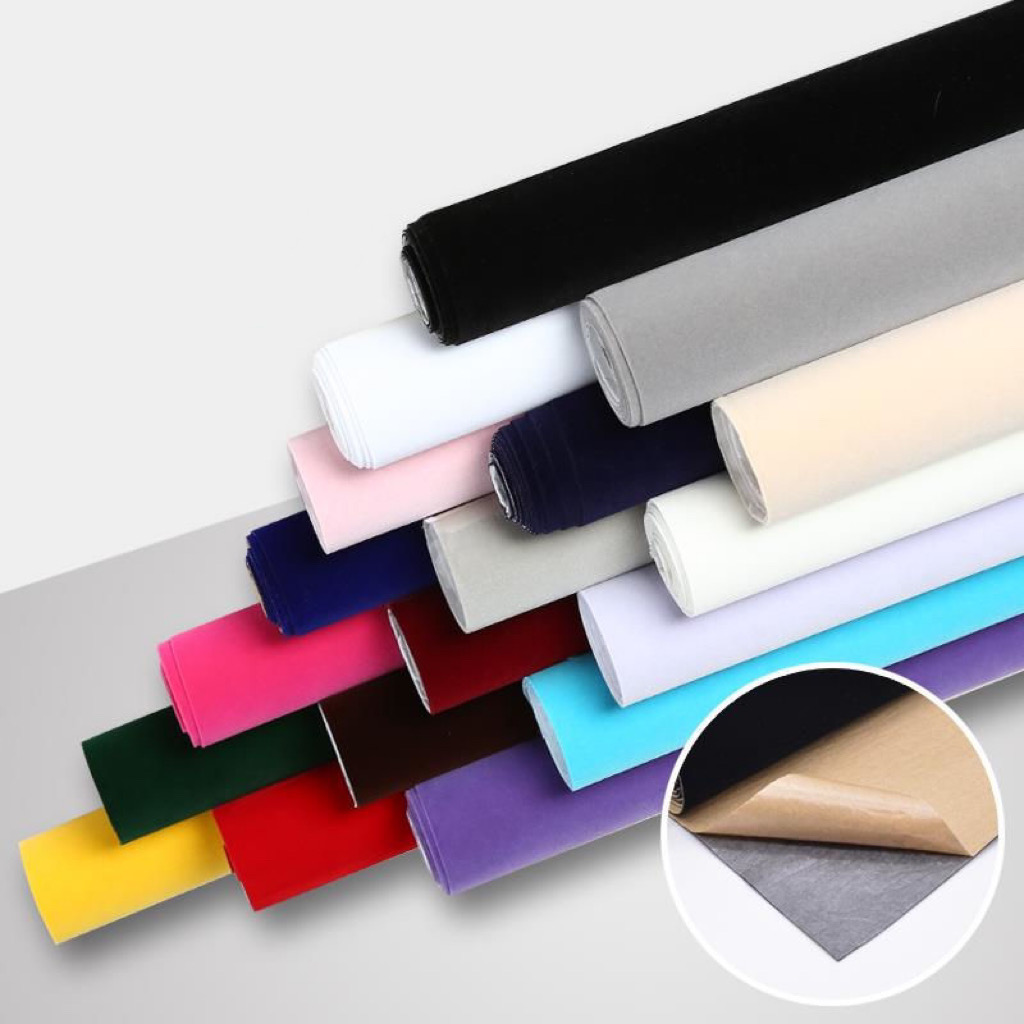
Adhesion testing determines whether the pile remains attached under handling and use. The production batch should pass the 3M tape 10-cycle peel test with no fiber loss in accordance with the FAMA standard. For self-adhesive products, peel strength should reach at least 2 newtons per 25 millimeters. A sample that feels acceptable but sheds during tape testing should not be approved for mass production.
Color fastness should be compared with the documented requirements. Deep colors are tested to Grade 4 under wet and dry conditions, while light exposure color fastness reaches Grade 6 or above. Abrasion resistance ranges from 500 cycles for standard products to 100,000 cycles for functional products, with no shedding permitted under the applicable specification.
Dimensional checks should cover width, roll length, cutting accuracy, and the stability of the finished construction. Mingqian Flocking reports precision die-cutting tolerance of plus or minus 0.1 millimeters for customized shapes. The sample and production material should also be compared after any specified process such as gold stamping, silk-screen printing, or hot pressing.
For jewelry box applications, visual and mechanical checks are supplemented by chemical and corrosion controls. Reactive sulfur is controlled below 5 parts per million, aqueous extract pH is maintained between 5.5 and 7.5, and a silver coupon accelerated corrosion test is conducted for every batch. The acceptance criteria are no blackening, no spotting, and no oxidation discoloration.
Compliance records should match the actual production material rather than a different fabric construction. Mingqian Flocking reports ISO 9001:2015 certification and Global Recycled Standard certification for flocking fabrics using recycled polyester and nylon fibers. Its SGS REACH report covers 253 Substances of Very High Concern plus one potential SVHC, and its RoHS 2.0 report covers the ten restricted substances listed in the supplied product information.
Production records provide the final link between the sample and the delivered goods. Mingqian Flocking's process covers base fabric pretreatment, in-house dyeing, adhesive coating, electrostatic flocking, drying and curing, post-finishing, and final inspection. Quality records are digitally archived and traceable by batch number, allowing a finished roll to be linked back to its raw materials.
Comparable industry experience includes an anonymized luxury perfume packaging program using black nylon flocking with Pantone Delta E of no more than 0.5 and 100,000-cycle abrasion testing without shedding. An anonymized jewelry packaging supply program used spunlace-based medium-pile flocking with Grade 4 or higher deep-color fastness and Grade 6 light exposure fastness. These examples show why sample approval should include both appearance and documented testing.
Data/Solution Comparison
| Check Area | Sample-to-Production Verification | Reported Production Control |
|---|---|---|
| Color | Compare visually and with a spectrophotometer against the approved Pantone reference. | Delta E no more than 2.0 for standard orders and no more than 0.5 for custom orders. |
| Pile and surface | Compare pile height, density, direction, texture, luster, softness, and exposed base fabric. | Pile density control is reported to 0.01 millimeter precision; Long Pile Velvet has pile height above 1 mm. |
| Pile adhesion | Apply the 3M tape 10-cycle peel test and inspect for fiber loss. | No fiber loss is required under the FAMA test method. |
| Color fastness | Test deep-color wet and dry fastness and light exposure fastness. | Grade 4 for deep colors under wet and dry conditions; Grade 6 or above for light exposure. |
| Abrasion | Use the test level assigned to the intended application and confirm no shedding. | 500 cycles for standard products to 100,000 cycles for functional products. |
| Dimensions | Check width, roll length, cutting shape, and process stability after finishing. | Customized die-cutting tolerance of plus or minus 0.1 millimeters. |
| Chemical and corrosion safety | Match the sample's material construction with the applicable compliance file and test batch results. | Formaldehyde no more than 75 parts per million internally; azo dyes no more than 30 parts per million; jewelry-grade reactive sulfur below 5 parts per million. |
| Traceability | Record sample code, approved specifications, production batch, and inspection results. | Digital records are archived by batch number for backward traceability. |
Frequently Asked Questions (FAQ)
Which properties should be checked before approving a flocking fabric sample?
Check the base fabric, pile type, pile height, color, pile density, hand feel, luster, width, roll length, adhesion, abrasion resistance, color fastness, dimensions, and applicable chemical requirements. The same inspection points should be applied to mass production.
How can I confirm that the production color matches the approved sample?
Use the same Pantone reference and measure the production batch with a spectrophotometer. Mingqian Flocking checks color difference during production at every 100 yards and reports a Delta E target of no more than 2.0 for standard orders and no more than 0.5 for custom orders.
What documents should accompany mass-production approval?
Request the approved sample specification, production batch number, color measurement results, pile and dimensional inspection records, adhesion and abrasion results, chemical test results where applicable, and the pre-shipment inspection record. For jewelry packaging, request the silver coupon corrosion result for the batch.
Final Conclusion & Recommendations
Approve mass production only after the sample and production batch match in material construction, color, pile appearance, dimensions, adhesion, abrasion, and compliance results. For an OEM/ODM order, the supplied product information lists a minimum order quantity of 1,000 yards and a delivery time of 14 days; confirm the agreed specification and inspection records before shipment. Mingqian Flocking combines ISO 9001:2015 quality management, GRS certification for applicable recycled-fiber fabrics, and a four-stage inspection process. For detailed technical solutions or support, please reach out by email at 005@mingqianflocking.com.
About Us
Guangdong Shunde Mingqian Flocking Co., Ltd., operating under the Mingqian brand, is a flocking fabric manufacturer headquartered in Foshan, Guangdong, China, specializing in the research, development, production, and sales of flocking fabrics. Established in 2008, the company operates a self-owned manufacturing facility covering over 12,000 square meters. Its reported production capacity is more than 3,000,000 yards per month, supported by five flocking production lines. The company holds ISO 9001:2015 and Global Recycled Standard certification and has served clients across multiple industries.

Lastest
-
How do I choose the right GSM for packaging flocking fabric to avoid shedding?
2026-10-31 -
How do I choose the right electrostatic flocking fabric density for automotive interiors?
2026-10-31 -
How do I choose the right density of gift box flocking lining to prevent shedding?
2026-10-31 -
What density of luxury packaging flocking is best to prevent shedding on jewelry boxes?
2026-10-31 -
How do I choose between Holland velvet, suede, and corduroy for commercial sofas?
2026-10-31
SUBSCRIBE
INQUIRY