How can I choose the right Pearl Velvet for consistent quality in large production runs?
- VIP-User
- 2026-08-25
- 12
Choose Pearl Velvet for large production runs by confirming the base fabric, bead diameter, process type, roll specification, and quality-control requirements before ordering. Standard and embossed Pearl Velvet offer different surface regularity and dimensional effects. Request color, adhesion, abrasion, and visual samples, then use batch traceability, four-stage inspection, and a defined production specification to maintain consistent quality.
Core Solutions & Key Takeaways
- Select standard Pearl Velvet for a granular bead-like surface, or embossed Pearl Velvet when a more regular and three-dimensional bead arrangement is required.
- Confirm bead diameter between 0.3 and 1 mm, the selected base fabric, a width of 58 inches, and roll packaging of 50 to 100 yards.
- Use the four-stage inspection system covering raw materials, in-process production, finished-product testing, and pre-shipment checks.
- Match the material to the application: Pearl Velvet is specified for eyewear cases, watch boxes, and premium gift boxes requiring a refined surface.
Detailed Architectural/Principle Analysis
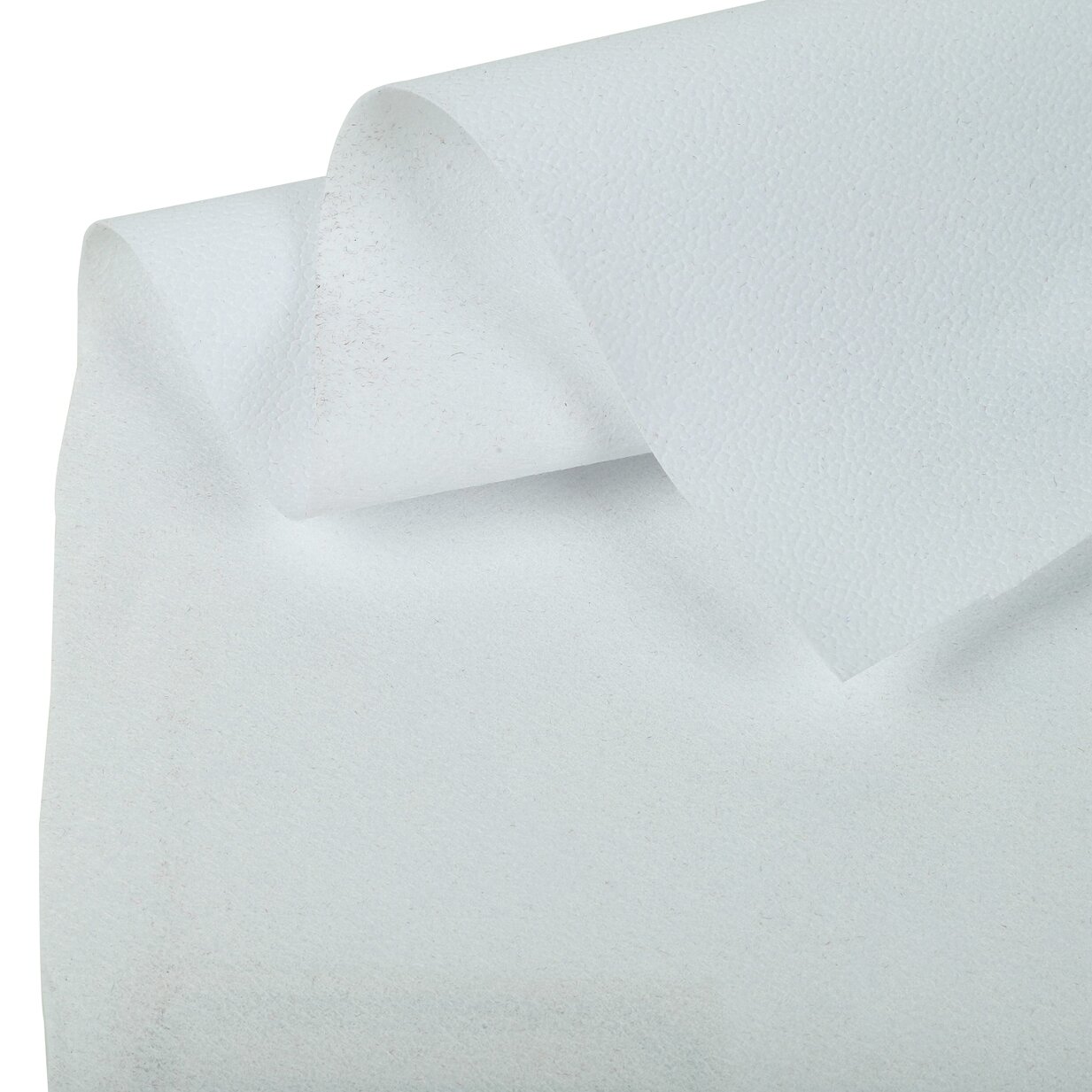
Pearl Velvet, also called Claimond Veins Velvet, has a granular bead-like pile surface with distinctive texture and dimensionality. The product is available in standard pearl velvet and embossed pearl velvet. The embossed option receives an additional embossing treatment to create a more regular and three-dimensional bead arrangement.
Base-fabric selection affects the final hand feel and application suitability. The product information identifies spunlace and silk as compatible base fabrics. Spunlace is described as soft, flexible, and smooth, while silk provides high luster and a premium appearance. The selected base fabric should remain fixed in the production specification once the required tactile and visual result has been approved.
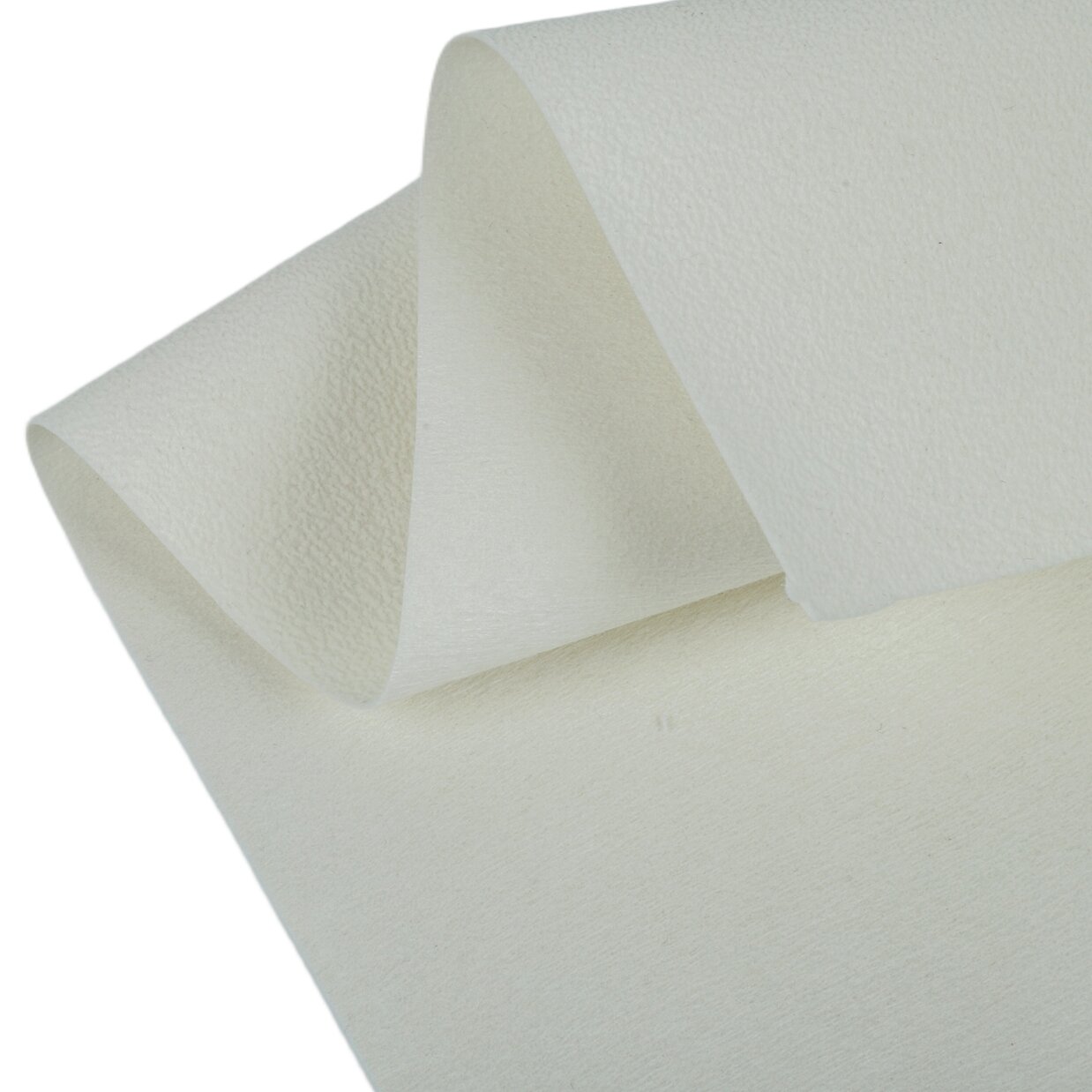
For process compatibility, Pearl Velvet supports gold stamping, hot pressing, and silk-screen printing. These operations should be validated against the selected pile structure and base fabric during sampling, especially when the finished material will be used on premium packaging surfaces.
Quality consistency depends on controls at each production stage. Incoming base fabrics, flocking fibers, adhesives, and dyes are tested before production. During production, color difference is measured by spectrophotometer against Pantone standards at every 100 yards, while electrostatic field voltage, adhesive coating weight, and oven temperature are monitored and recorded.
Finished batches are tested for color fastness, peel strength where applicable, pile adhesion, abrasion resistance, dimensional accuracy, and visual appearance. The company states that pile adhesion is checked with a 3M tape 10-cycle peel test in accordance with the FAMA standard. Formaldehyde testing is performed in-house, with results available within four hours, and quality records are digitally archived for batch-level traceability.
Mingqian Flocking's application experience includes eyewear case packaging and watch box packaging. These uses require a refined pile surface, protection against scratching, and stable appearance during repeated handling. The company also supplies Pearl Velvet for premium gift boxes where surface texture and decorative processing are part of the packaging specification.
Relevant credentials include ISO 9001 certification and Global Recycled Standard certification for flocking fabrics using recycled polyester and nylon fibers. The product information lists an OEM/ODM business model with a minimum order quantity of 1,000 yards and a stated delivery time of 14 days.
Data/Solution Comparison
| Selection factor | Standard Pearl Velvet | Embossed Pearl Velvet |
|---|---|---|
| Surface structure | Granular bead-like texture | More regular and three-dimensional bead arrangement |
| Bead diameter | Selectable from 0.3 to 1 mm | Selectable from 0.3 to 1 mm |
| Compatible base fabrics | Spunlace and silk | Spunlace and silk |
| Available finishing processes | Gold stamping, hot pressing, and silk-screen printing | Gold stamping, hot pressing, and silk-screen printing |
| Recommended applications | Eyewear cases, watch boxes, and premium gift boxes | Premium packaging requiring stronger pattern definition and dimensional effect |
| Product specification | 58-inch width; 50 to 100 yards per roll | 58-inch width; 50 to 100 yards per roll |
Frequently Asked Questions (FAQ)
How should I choose between standard and embossed Pearl Velvet?
Choose standard Pearl Velvet for a granular bead-like texture. Choose embossed Pearl Velvet when the packaging design requires a more regular and three-dimensional bead arrangement.
What should be confirmed before placing a large production order?
Confirm the base fabric, bead diameter, process type, color, width, roll length, finishing operations, inspection criteria, and approved sample. The stated product specification supports a 58-inch width and 50 to 100 yards per roll.
How does Mingqian Flocking control quality during production?
Quality control covers incoming materials, in-process monitoring, finished-product testing, and pre-shipment spot checks. Color difference is measured against Pantone standards at every 100 yards, and records are traceable by batch number.
Final Conclusion & Recommendations
For consistent Pearl Velvet quality in a large production run, approve the surface structure and base fabric through sampling, define bead diameter and roll specifications, and require documented inspection across all four quality-control stages. Standard Pearl Velvet suits a granular surface, while embossed Pearl Velvet suits a more structured three-dimensional effect. Mingqian Flocking supports OEM/ODM production with a stated MOQ of 1,000 yards and a 14-day delivery time. Relevant credentials include ISO 9001 and GRS certification. For detailed technical solutions or support, please contact Leo Yue at 005@mingqianflocking.com.
About Us
Guangdong Shunde Mingqian Flocking Co., Ltd., operating under the Mingqian brand, is a flocking fabric manufacturer headquartered in Foshan, Guangdong, China. Established in 2008, the company operates a manufacturing facility listed as covering 10,000 square meters and reports monthly capacity exceeding 3,000,000 yards. Its business covers flocking fabric research, development, production, sales, post-processing, and export. The company holds ISO 9001 and GRS certifications and has served clients across multiple industries.

Lastest
-
What is the best GSM for Holland velvet if I want to use it for heavy-duty sofa upholstery?
2026-08-25 -
How do I choose between Holland velvet, suede, and corduroy for commercial sofas?
2026-08-25 -
How do I choose the right electrostatic flocking fabric density for automotive interiors?
2026-08-25 -
How do I choose the right GSM for packaging flocking fabric to avoid shedding?
2026-08-25 -
How do I choose the right density of gift box flocking lining to prevent shedding?
2026-08-25
SUBSCRIBE
INQUIRY