How can I compare flocking fabric specs to ensure the right finish and durability?
- VIP-User
- 2026-08-30
- 10
To compare flocking fabric specs for the right finish and durability, check the base material, pile type and height, surface texture, bonding performance, abrasion resistance, color fastness, dimensional accuracy, and application conditions. For PS Flocking Sheet, also verify the 0.2–1.0 mm thickness, 400–800 mm width, waterproof or moisture-proof requirement, and compatibility with hot pressing or vacuum forming.
Core Solutions & Key Takeaways
- Compare the base material with the intended use. PS Flocking Sheet uses a PS sheet base and is designed for specialized industrial packaging requiring waterproof and moisture-proof properties.
- Specify the finish by selecting among plain, medium, long, short, pearl, embossed pearl, crushed, soft textured, or frosted and embossed velvet surfaces.
- Assess durability through abrasion resistance, pile adhesion, color fastness, peel strength where applicable, and resistance to shedding.
- Match the dimensions and process requirements before ordering. PS Flocking Sheet supports hot pressing and vacuum forming, with a 0.2–1.0 mm thickness range and 400–800 mm width range.
Detailed Architectural/Principle Analysis
Flocking fabric performance is determined by the interaction between the base material, adhesive layer, fiber pile, finishing process, and final inspection. Mingqian Flocking describes electrostatic flocking as the vertical embedding of short fibers into an adhesive-coated base under a high-voltage electrostatic field. This creates a dense velvet surface, while the selected base fabric affects flexibility, hand feel, strength, breathability, and application suitability.
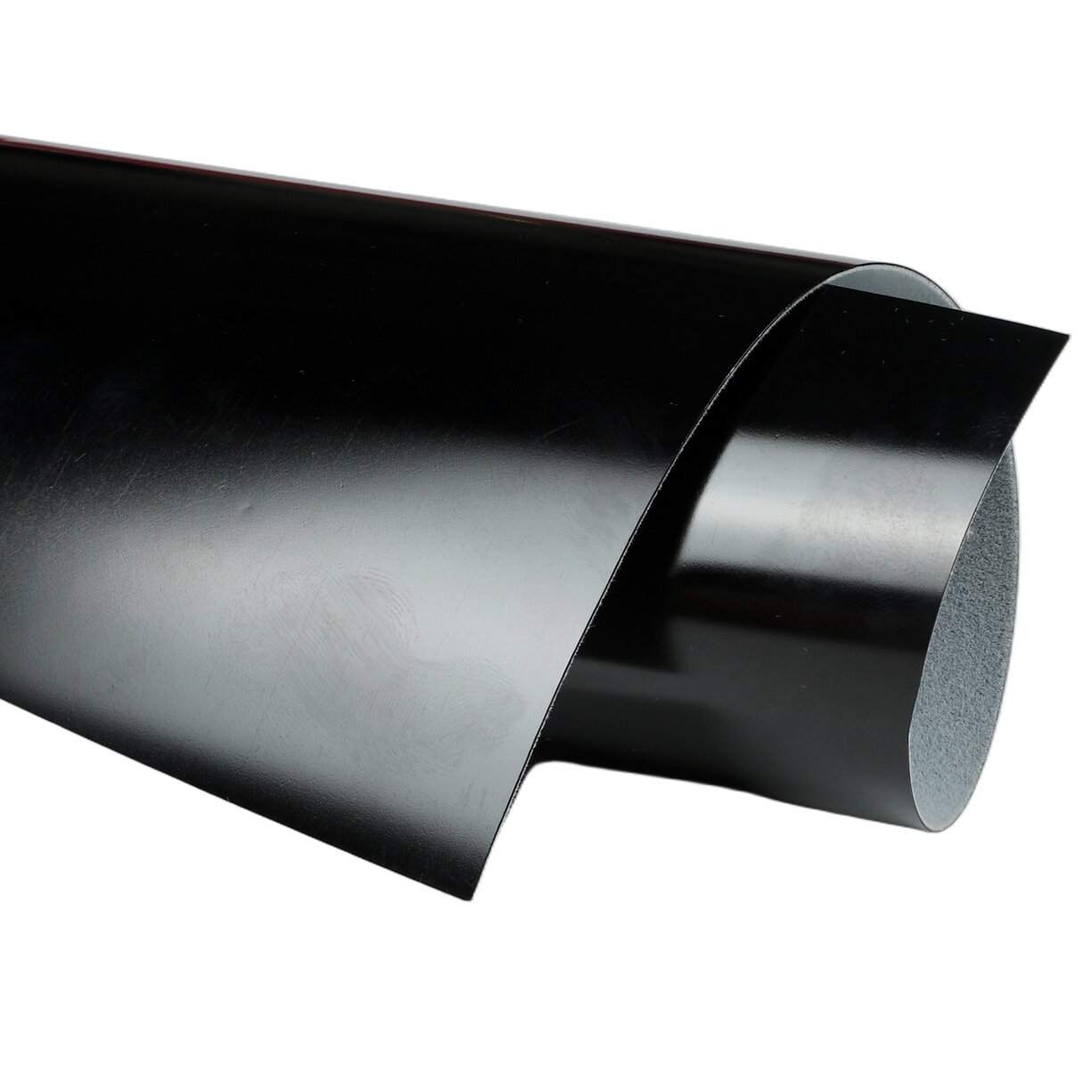
For PS Flocking Sheet, the base is a PS sheet rather than a textile base fabric. The supplied specification lists a thickness of 0.2–1.0 mm and a width of 400–800 mm. The sheet is intended for specialized industrial packaging and packaging applications requiring waterproof and moisture-proof properties. Hot pressing and vacuum forming are listed as applicable processes, so the comparison should confirm that the selected thickness and forming method match the packaging structure.
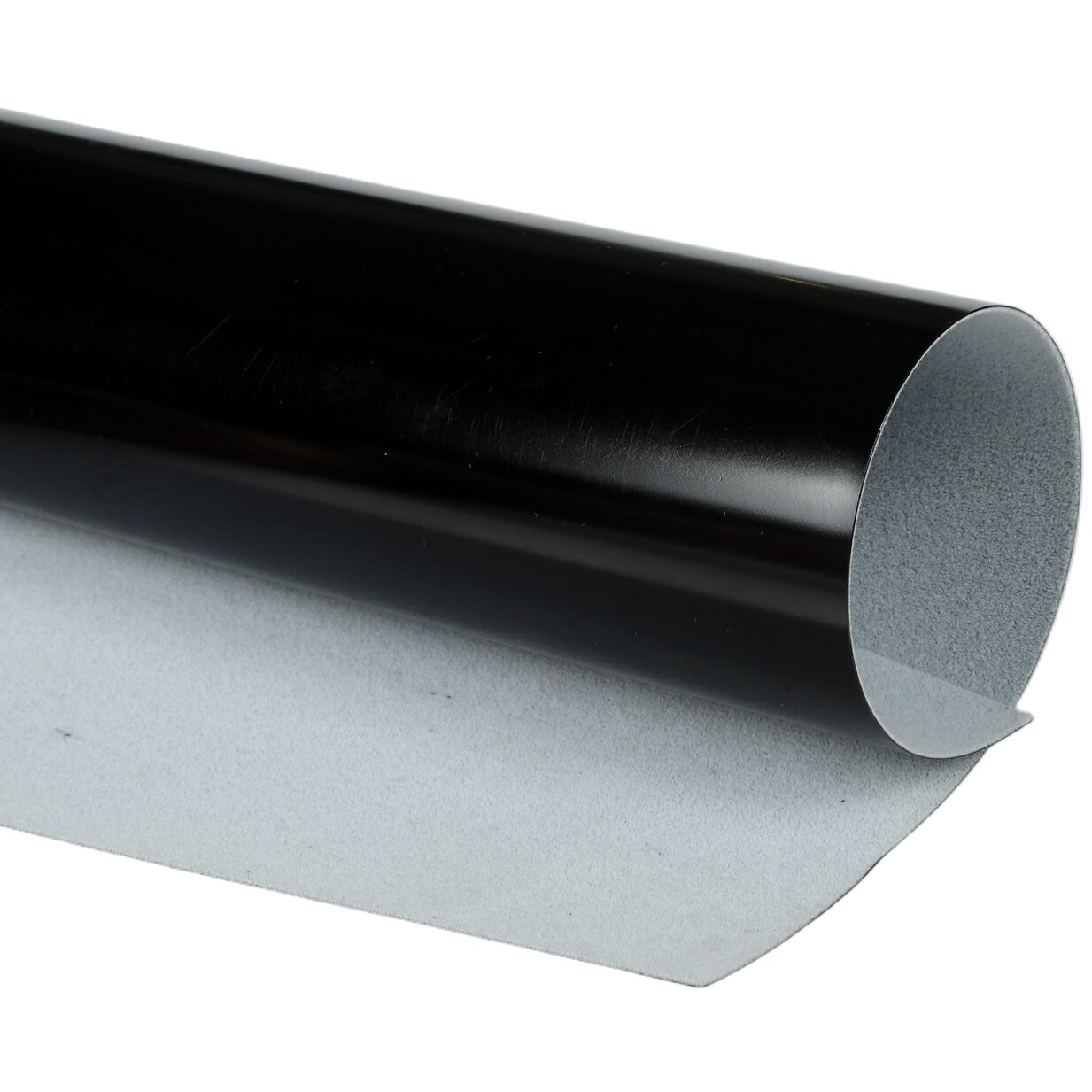
Finish comparison should focus on surface geometry and tactile effect. Plain velvet provides a smooth, even pile with good luster. Medium pile balances appearance and touch, while long pile creates a richer three-dimensional effect. Short pile provides a compact surface. Pearl velvet adds a granular, bead-like texture; embossed pearl velvet adds pattern definition; crushed, soft textured, and frosted or embossed finishes provide additional decorative effects.
Durability should be verified with measurable quality data rather than surface appearance alone. Mingqian Flocking reports color fastness of Grade 4 for deep colors under wet and dry conditions and Grade 6 or above under light exposure. Abrasion resistance ranges from 500 cycles for standard products to 100,000 cycles for functional products, with no shedding permitted. Self-adhesive products are tested to a peel strength of at least 2 newtons per 25 millimeters, and the 3M tape test covers 10 cycles with no fiber loss under the FAMA standard.
The production and inspection system adds context to these specifications. Incoming base fabrics, flocking fibers, adhesives, and dyes are tested before production. During production, color difference is measured at every 100 yards using a spectrophotometer, while electrostatic field voltage, adhesive coating weight, and oven temperature are monitored. Finished products undergo batch testing, followed by pre-shipment spot checks. Quality records are digitally archived and traceable by batch number.
Available compliance evidence includes ISO 9001 and Global Recycled Standard certification for flocking fabrics using recycled polyester and nylon fibers. REACH and RoHS test reports are also listed for applicable export and electronics-related uses. These credentials should be checked against the specific PS sheet construction, finish, destination market, and packaging application rather than treated as universal approval for every configuration.
Reported application experience covers packaging, eyewear, jewelry, electronics, automotive, home appliances, and furniture. In one industrial packaging case, a home appliance brand used a flame-retardant flocking fabric composite with a memory foam base layer for transport protection. Other reported cases involve eyewear case lining, jewelry box lining, fragrance packaging, liquor packaging, appliance components, automotive interiors, and furniture drawer lining. These examples show why finish, base, functional treatment, and test method need to be compared as a combined specification.
Data/Solution Comparison
| Specification Area | Comparison Point | PS Flocking Sheet or Available Flocking Options |
|---|---|---|
| Base and dimensions | Confirm structure, thickness, and width | PS sheet base; thickness 0.2–1.0 mm; width 400–800 mm |
| Surface finish | Match appearance and tactile requirement | Plain, medium, long, short, pearl, embossed pearl, crushed, soft textured, and frosted or embossed finishes |
| Processing compatibility | Confirm the downstream forming method | PS Flocking Sheet supports hot pressing and vacuum forming |
| Durability testing | Verify resistance to wear and fiber loss | Abrasion testing from 500 to 100,000 cycles depending on product type; 3M tape peel testing covers 10 cycles with no fiber loss |
| Color and appearance control | Check repeatability between batches | Standard color matching Delta E no more than 2.0; custom orders Delta E no more than 0.5; batch color deviation no more than 3 percent |
| Order framework | Align quantity and delivery expectations | PS Flocking Sheet MOQ: 2,000 yards; listed delivery time: 14 days. OEM/ODM business model MOQ: 1,000 yards with a listed 14-day delivery time |
Frequently Asked Questions (FAQ)
Which PS Flocking Sheet specifications should be confirmed before sampling?
Confirm the PS sheet base, thickness between 0.2 and 1.0 mm, width between 400 and 800 mm, required surface finish, color, packaging application, and whether hot pressing or vacuum forming will be used.
How can I compare flocking fabric durability?
Request the applicable abrasion result, pile adhesion result, shedding status, color fastness data, dimensional accuracy, and peel strength when the product includes self-adhesive backing. The relevant test level depends on whether the product is standard or functional.
What quality controls are used for these products?
Mingqian Flocking uses incoming material inspection, in-process monitoring, finished product testing, and pre-shipment spot checks. Its stated controls include batch traceability, formaldehyde testing within four hours, color measurement during production, and a target overall defect rate of no more than 0.5 percent.
Final Conclusion & Recommendations
A reliable comparison should place the PS sheet structure, thickness, width, finish, forming process, and moisture-related requirements beside the relevant durability results. Confirm the exact configuration through sampling and batch-level test documentation. Mingqian Flocking supports OEM/ODM projects and lists T/T plus other negotiable payment methods; its stated product MOQ for PS Flocking Sheet is 2,000 yards with a 14-day delivery time. ISO 9001, GRS, REACH, and RoHS credentials are available for applicable products and markets. For detailed technical solutions or support, please contact Leo Yue at 005@mingqianflocking.com.
About Us
Guangdong Shunde Mingqian Flocking Co., Ltd., operating under the Mingqian brand, is a flocking fabric manufacturer headquartered in Foshan, Guangdong, China. Founded in 2008, the company focuses on the research, development, production, and sales of flocking fabrics and operates a self-owned manufacturing facility covering over 12,000 square meters. Its listed credentials include ISO 9001 and Global Recycled Standard certification, and it has served clients across multiple industries.

Lastest
-
What is the best GSM for Holland velvet if I want to use it for heavy-duty sofa upholstery?
2026-08-30 -
How do I choose between Holland velvet, suede, and corduroy for commercial sofas?
2026-08-30 -
How do I choose the right electrostatic flocking fabric density for automotive interiors?
2026-08-30 -
How do I choose the right GSM for packaging flocking fabric to avoid shedding?
2026-08-30 -
How do I choose the right density of gift box flocking lining to prevent shedding?
2026-08-30
SUBSCRIBE
INQUIRY