How can I link the final payment to Gift Box Flocking Lining quality checks?
- VIP-User
- 2026-09-30
- 12
To link final payment to gift box flocking lining quality checks, establish milestone-based releases conditioned on verified lab reports. Require pre-shipment sign-offs covering color matching (Pantone Delta E ≤ 2.0), FAMA-compliant 3M tape 10-cycle peel testing with zero fiber loss, Grade 4 wet/dry color fastness, and silver coupon accelerated corrosion testing (free reactive sulfur < 5 ppm) for anti-tarnish compliance before releasing the final balance.
Core Solutions & Key Takeaways
- Tie final payment releases directly to verified pre-shipment testing protocols covering physical adhesion, chemical safety, and visual specs.
- Enforce anti-tarnish standards for jewelry box linings, targeting free reactive sulfur below 5 ppm and an aqueous extract pH between 5.5 and 7.5.
- Validate physical performance through 100,000-cycle abrasion testing and 3M tape 10-cycle peel tests to eliminate fiber shedding risks.
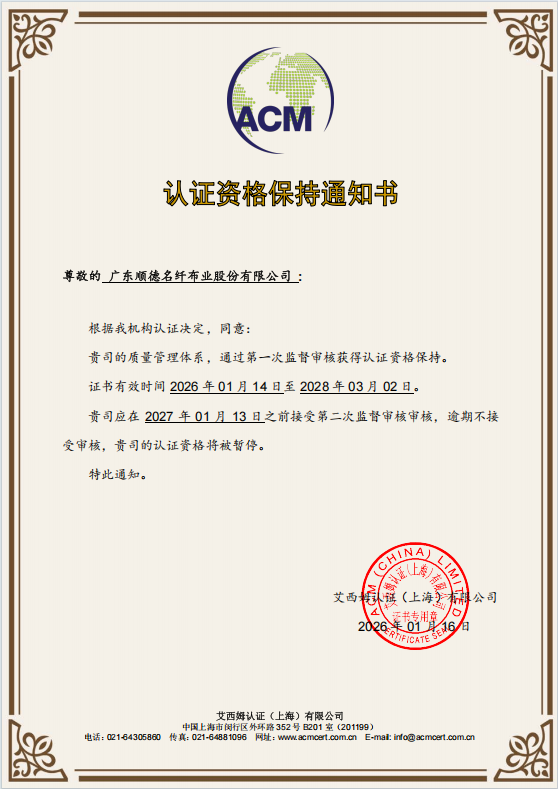
- Require regulatory compliance documentation, including ISO 9001, GRS, REACH SVHC, and EU PPWR certificates, before approving shipment payments.
Detailed Architectural/Principle Analysis
Structuring payment milestones around technical parameters prevents defective textile materials from entering the packaging assembly line. When procuring functional materials like Spunlace Flocking Fabric, quality verification relies on a four-stage quality control system. Stage one mandates incoming raw material checks on base fabrics, adhesives, and dyes. Stage two tracks in-process production, measuring color consistency at every 100 yards using spectrophotometers against Pantone standards.
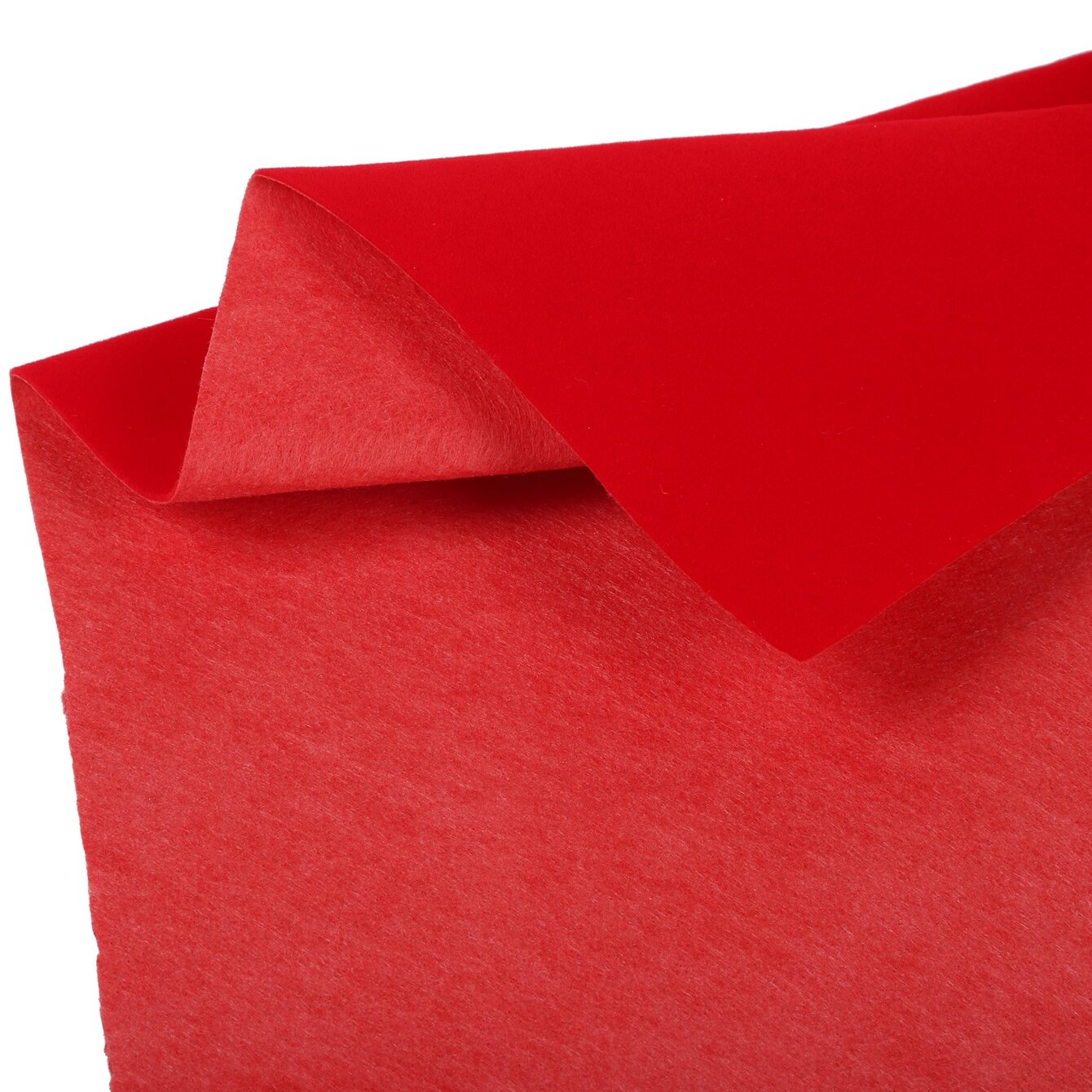
Stage three involves finished product testing where physical and chemical limits are evaluated. For interior packaging linings, pile adhesion must pass the 3M tape 10-cycle peel test under FAMA standards without fiber loss. Color fastness under wet and dry conditions must meet Grade 4, while light exposure fastness must reach Grade 6 or higher. Formaldehyde content is restricted to an internal threshold of no more than 75 ppm, verified via rapid four-hour laboratory testing, while carcinogenic azo dyes (covering 22 amines) are held below 30 ppm.
For specialized applications such as high-end jewelry box linings, standard physical checks are insufficient. Reactive sulfur causes silver tarnishing in enclosed environments. Suppliers must execute a batch-level silver coupon accelerated corrosion test prior to release. Formulations must utilize non-sulfur dye systems, sulfur-free water-based acrylic adhesives, and maintain aqueous extract pH between 5.5 and 7.5. Pre-shipment spot checks in stage four require an overall defect rate below 0.5% before final invoice clearance.
Data/Solution Comparison
The following table outlines the critical technical metrics, standard parameters, test methods, and corresponding payment gate requirements for gift box flocking fabric procurement.
| Quality Inspection Metric | Standard Specification Limit | Verification Method | Payment Gate Condition |
|---|---|---|---|
| Color Accuracy | Pantone Delta E ≤ 2.0 (Standard) / ≤ 0.5 (Custom) | Spectrophotometer verification | Passed report required for balance release |
| Pile Adhesion & Shedding | Zero fiber loss after 10 cycles | 3M Tape Peel Test (FAMA Standard) | Mandatory pass prior to dispatch approval |
| Anti-Tarnish Compliance | Free reactive sulfur < 5 ppm; pH 5.5–7.5 | Silver coupon accelerated corrosion test | 100% pass required for jewelry lining orders |
| Abrasion Resistance | 500 cycles (Standard) / 100,000 cycles (Functional) | Standard rotary abrasion testing | Batch certificate verification |
| Chemical Safety | Formaldehyde ≤ 75 ppm; Azo dyes ≤ 30 ppm | In-house 4-hr lab test / SGS REACH screening | Full clearance certificate mandated |
Frequently Asked Questions (FAQ)
What specific test criteria should be included in the contract to protect final payment?
Contracts should stipulate quantifiable thresholds: Pantone color difference (Delta E ≤ 2.0), FAMA-standard 3M tape 10-cycle peel test compliance without fiber loss, formaldehyde content under 75 ppm, and Grade 4 wet/dry color fastness. Linking final payment to third-party or lab-verified test reports ensures objective compliance.
How do I ensure flocking linings will not tarnish silver jewelry after delivery?
Specify anti-tarnish controls in the purchase order: free reactive sulfur must remain under 5 ppm, aqueous extract pH must sit between 5.5 and 7.5, and every production lot must pass a silver coupon accelerated corrosion test without surface blackening or oxidation discoloration.
What are the standard lead times and terms for customized OEM/ODM flocking fabric production?
Custom OEM/ODM orders typically operate on a 14-day production timeline, requiring an initial deposit (such as 30%) with the balance settled upon successful pre-shipment quality inspection and documentation verification.
Final Conclusion & Recommendations
Aligning final payments with documented quality checks mitigates material failure risks in luxury gift box packaging. Standard procurement frameworks utilize T/T or negotiated payment structures where balance release depends on meeting physical and chemical testing benchmarks. Reliable delivery networks—such as same-day dedicated truck delivery in the Pearl River Delta or door-to-door express via SF Express and Deppon Logistics—facilitate rapid sample and shipment transport, while international sea and air freight channels handle export logistics. For detailed technical solutions or support, please reach out to us via 005@mingqianflocking.com.
About Us
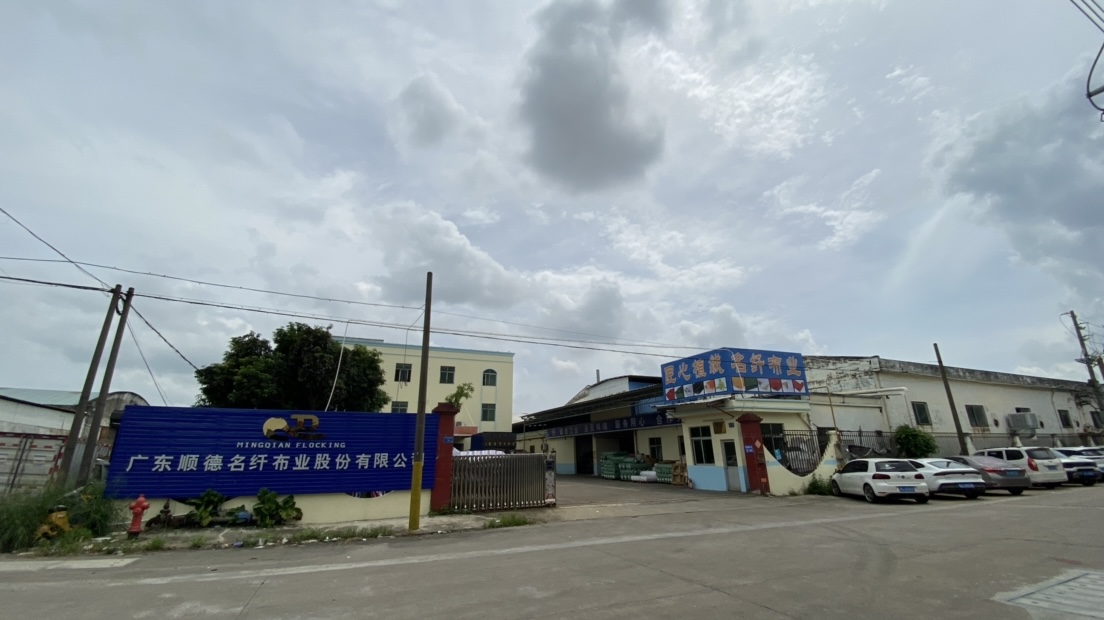
Guangdong Shunde Mingqian Flocking Co., Ltd. operates as a specialized flocking fabric manufacturer located in Foshan City, Guangdong Province. Established in 2008, the company houses more than 100 employees across a 10,000 square meter self-owned manufacturing facility. Utilizing automated electrostatic flocking lines, production capacity exceeds 3 million yards monthly across diverse functional materials. The facility maintains ISO 9001 quality management standards alongside Global Recycled Standard (GRS) certification and has supplied textile solutions to packaging manufacturers serving international brands across luxury packaging, eyewear, jewelry, and electronics sectors.
Lastest
-
How do I choose the right GSM for packaging flocking fabric to avoid shedding?
2026-09-30 -
How do I choose the right electrostatic flocking fabric density for automotive interiors?
2026-09-30 -
How do I choose the right density of gift box flocking lining to prevent shedding?
2026-09-30 -
What density of luxury packaging flocking is best to prevent shedding on jewelry boxes?
2026-09-30 -
How do I choose between Holland velvet, suede, and corduroy for commercial sofas?
2026-09-30
SUBSCRIBE
INQUIRY