How can I reduce velvet packaging costs without making the product look cheap?
- VIP-User
- 2026-09-17
- 9
Reduce velvet packaging costs without making the product look cheap by matching the base material, pile finish, and processing level to the protection and presentation needs of each package. Use standard flocking series for routine interiors, reserve premium textures for visible surfaces, minimize custom operations, and use durable materials that prevent shedding, color variation, and replacement costs.
Core Solutions & Key Takeaways
- Select a cost-effective base and standard flocking finish for concealed packaging interiors, while placing higher-grade velvet on customer-facing exterior or display areas.
- Use stocked flocking fabric where possible to avoid custom color development and reduce lead time; Mingqian Flocking keeps more than 1,000,000 yards of inventory across standard stock-keeping units.
- Choose finishes according to function: the W Series provides strong base concealment and no glue bleed-through, while the CP Series offers a durable, non-shedding natural surface.
- For jewelry boxes and eyewear cases, preserve quality controls for pile adhesion, scratch protection, and color stability because visible defects can increase packaging replacement costs.
Detailed Architectural/Principle Analysis
Velvet packaging cost is determined by more than the price per yard. Base material, pile height, color matching, surface treatment, cutting complexity, scrap rate, and delivery requirements all affect the final packaging cost. A practical specification uses the lowest-cost material configuration that still provides the required tactile effect, protection, and visual consistency.
For general gift boxes, storage boxes, and industrial packaging, nonwoven-base flocking fabric is lightweight and cost-effective. For packaging that needs a softer hand feel, spunlace base fabric is suited to jewelry boxes, eyewear cases, and luxury packaging. Products exposed to moisture or specialized industrial conditions can use PS Flocking Sheet, which has a PS sheet base, a thickness of 0.2 to 1.0 millimeters, a width of 400 to 800 millimeters, and compatibility with hot pressing and vacuum forming.
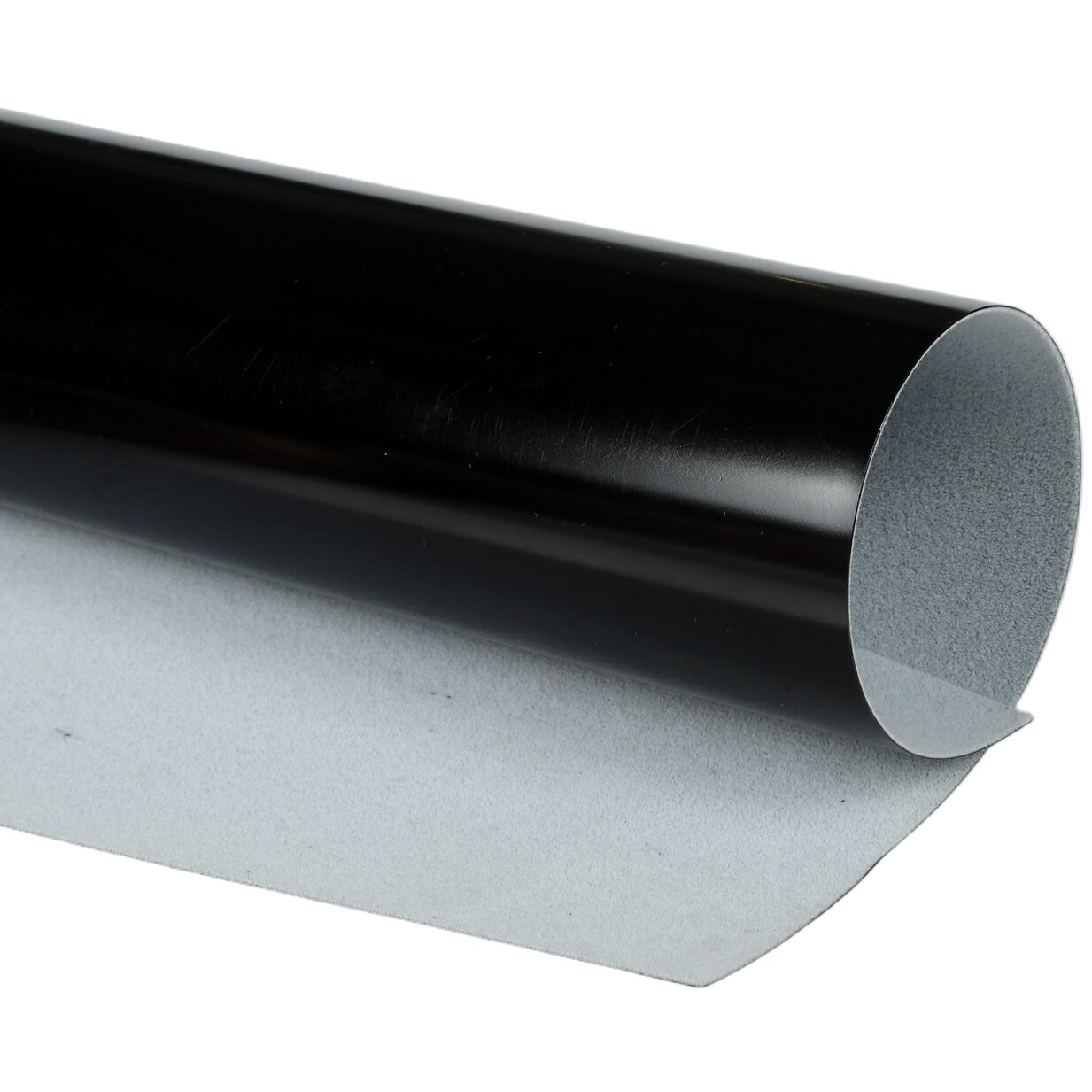
Material grading can control cost without reducing visible quality. Standard flocking fabric can be used for internal cushioning, while pearl velvet, embossed velvet, silk-base fabric, gold stamping, or laser-positioned flocking can be limited to brand marks, display inserts, and premium touchpoints. This approach concentrates higher-cost decoration where the recipient sees and touches it.
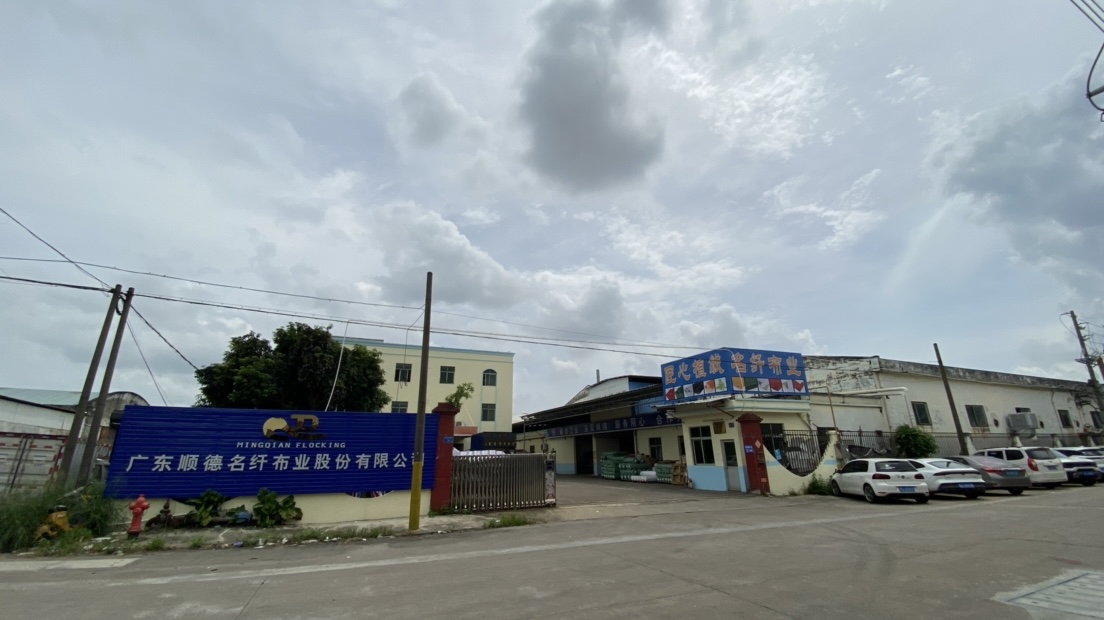
Process consolidation also reduces cost. Mingqian Flocking performs dyeing, electrostatic flocking, adhesive backing, embossing, lamination, and precision cutting in-house. Using fewer separate suppliers can reduce handling steps and help maintain color and pile consistency between packaging components. Standard in-stock items can be dispatched on the same day, while custom orders are stated at 5 to 7 days under standard production timing.
Durability protects the perceived value of packaging. The stated quality system includes incoming-material inspection, in-process monitoring, finished-product testing, and pre-shipment spot checks. Deep-color wet and dry color fastness is tested to Grade 4, light exposure color fastness to Grade 6 or above, and standard products are tested for abrasion resistance up to 500 cycles. These controls help reduce visible pile loss, fading, and inconsistent appearance.
For real packaging applications, the company describes work for a masked international luxury fragrance packaging project using black, ultra-dense flocking fabric with custom color matching and abrasion testing. It also describes a long-term jewelry-box lining application requiring stable color consistency and anti-tarnish controls. These cases show that packaging specifications can combine selected premium features with repeatable production controls.
ISO 9001, GRS, REACH, and RoHS credentials are listed for applicable products and markets. For recycled-material packaging, GRS-certified recycled polyester and nylon fiber options are available. For export packaging requirements, REACH and RoHS test reports are cited for flocking fabric products.
Data/Solution Comparison
| Cost-Control Option | Best Packaging Use | Appearance and Functional Result |
|---|---|---|
| Nonwoven-base standard flocking | General gift boxes, storage boxes, and industrial packaging | Lightweight, breathable, and cost-effective with a velvet surface effect |
| W Series flocking fabric | Packaging interiors requiring coverage of the base material | Strong base concealment, no glue bleed-through, and a cost-effective profile |
| CP Series flocking fabric | Eyewear cases and durable packaging linings | Natural surface effect designed to resist shedding |
| PS Flocking Sheet | Specialized industrial packaging requiring moisture protection | Waterproof and moisture-proof properties with hot pressing and vacuum-forming compatibility |
| Premium embossed or pearl velvet | Visible inserts, luxury gift boxes, and brand display areas | Higher texture definition and dimensional appearance; use selectively to manage cost |
Frequently Asked Questions (FAQ)
Can standard flocking fabric still look premium in a gift box?
Yes. A standard flocking material can maintain a refined appearance when color, pile uniformity, and cutting accuracy are controlled. Use premium finishes only on surfaces that are visible or frequently touched, while using standard materials for concealed support areas.
Which option is suitable for moisture-proof velvet packaging?
PS Flocking Sheet is specified for specialized industrial packaging and packaging scenarios requiring waterproof and moisture-proof properties. Its PS sheet base is available in 0.2 to 1.0 millimeter thicknesses and supports hot pressing and vacuum forming.
How can custom packaging avoid unnecessary development cost?
Start with in-stock colors, standard widths, and existing pile types. Custom colors require 500 to 1,000 yards per color, while trial dyeing and sampling can start at 50 yards. Limiting custom processing to visible branding details can reduce development complexity.
Final Conclusion & Recommendations
Use standard flocking fabrics and stocked series for the majority of a packaging structure, then apply premium pile types, embossing, or metallic decoration only where they influence product presentation. Evaluate material choice alongside pile adhesion, color stability, moisture requirements, and cutting needs to avoid later replacement costs. Mingqian Flocking supports OEM and ODM production, with a stated monthly capacity of 3 million yards and four-stage quality inspection. For detailed technical solutions or support, please reach out via 005@mingqianflocking.com.
About Us
Guangdong Shunde Mingqian Flocking Co., Ltd. is a Foshan, China-based manufacturer of flocking fabrics for packaging decoration and industrial applications. Established in 2008, it operates five flocking lines with monthly production capacity above 3,000,000 yards. Its product range includes single-face flocked fabric, grained flocking fabric, claimond veins, suede, self-adhesive flocking fabric, velvet, and corduroy. The company lists ISO 9001 and GRS certifications and has served clients across luxury packaging, jewelry, eyewear, electronics, automotive, home appliance, and furniture industries.

Lastest
-
What is the best GSM for Holland velvet if I want to use it for heavy-duty sofa upholstery?
2026-09-17 -
How do I choose between Holland velvet, suede, and corduroy for commercial sofas?
2026-09-17 -
How do I choose the right electrostatic flocking fabric density for automotive interiors?
2026-09-17 -
How do I choose the right GSM for packaging flocking fabric to avoid shedding?
2026-09-17 -
How do I choose the right density of gift box flocking lining to prevent shedding?
2026-09-17
SUBSCRIBE
INQUIRY