How can I tell if a packaging flocking fabric will shed fibers inside my gift boxes?
- VIP-User
- 2026-07-31
- 20
To determine if a packaging flocking fabric will shed fibers inside your gift boxes, check if it passes the 3M tape 10-cycle peel test under FAMA standards and exhibits an abrasion resistance of at least 500 cycles for standard products or up to 100,000 cycles for functional fabrics. High-quality flocking relies on solvent-free, water-based acrylic adhesives and electrostatic flocking technology with a precision pile density of 0.01 millimeters to guarantee zero fiber loss.
Core Solutions & Key Takeaways
- Verify the 3M Tape Test Compliance: Ensure the flocking material withstands 10 consecutive cycles of 3M tape peeling with zero fiber loss to meet international FAMA standards.
- Check Abrasion Resistance Ratings: Premium flocking fabrics should endure 500 cycles of standard abrasion testing, while functional-grade variants should withstand up to 100,000 cycles without shedding.
- Examine Electrostatic Production Precision: Quality fabrics rely on a high-voltage electrostatic field (30 to 50 kilovolts) to vertically embed short fibers into a water-based acrylic adhesive layer, achieving a pile density precision of 0.01 millimeters.
- Align Base Fabric with Application: Select base materials designed for specific boxes, such as spunlace for soft jewelry cases, nonwoven for general gift boxes, and PS sheets for vacuum-formed waterproof packaging.
Detailed Architectural/Principle Analysis
Fiber shedding in packaging materials is primarily caused by weak adhesive bonding, insufficient curing, or uneven fiber embedding during the manufacturing process. Professional flocking fabric production avoids these failure points by utilizing an in-house, vertically integrated seven-stage production sequence. This process begins with base fabric pretreatment to clean and level the substrate, followed by precise color formulation in a dedicated dyeing workshop using spectrophotometers to verify color matching accuracy to a Delta E of no more than 2.0.
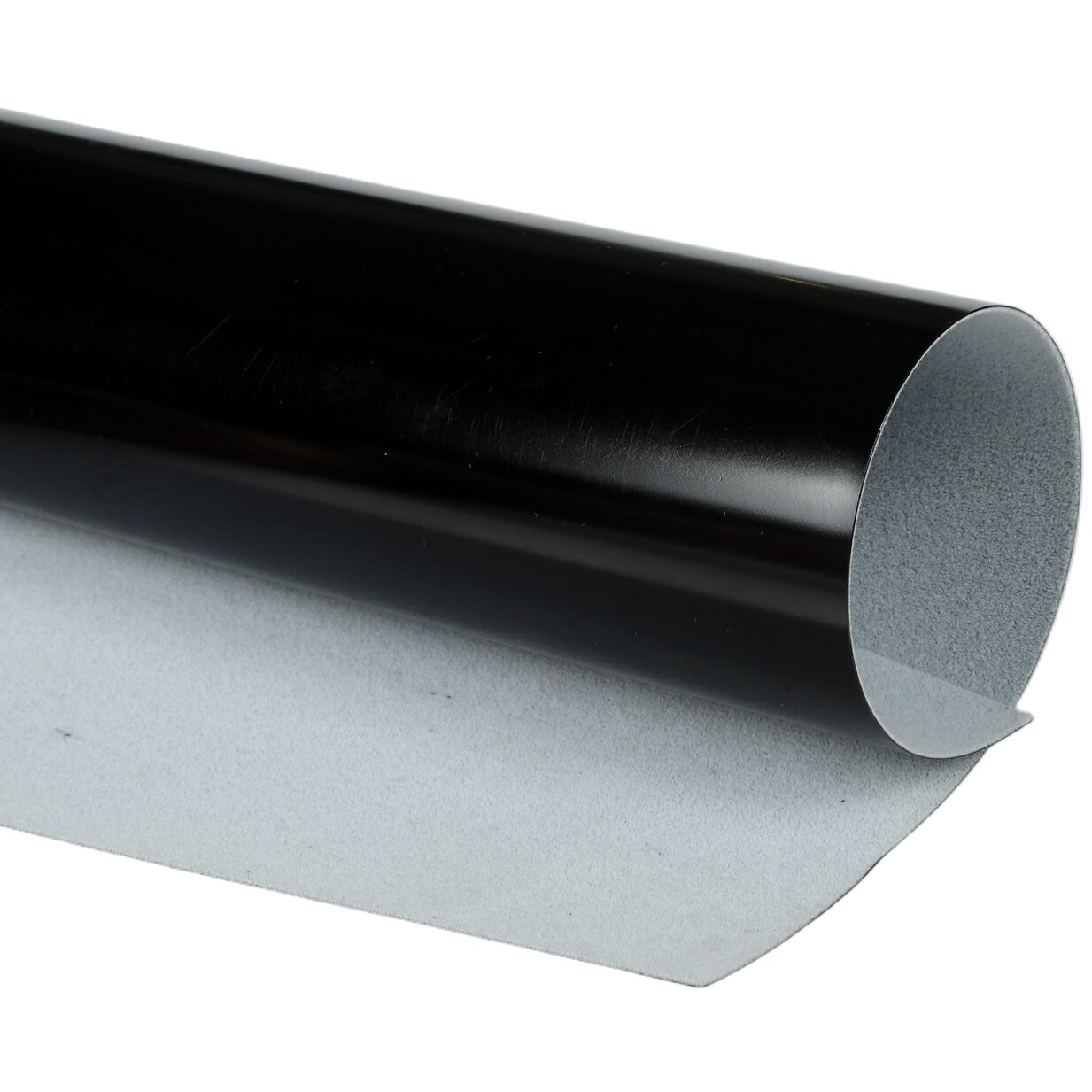
The core bonding strength is established during the adhesive coating and electrostatic flocking phases. An eco-friendly, water-based acrylic adhesive system—free from solvent, phthalate plasticizers, and organotin anti-mold agents—is applied to the base. Under a high-voltage electrostatic field of 30 to 50 kilovolts, short fibers are accelerated vertically into the wet adhesive layer. This high-velocity impact ensures the fibers embed deeply and uniformly. The fabric then enters temperature-controlled ovens for drying and curing, which permanently sets the pile orientation and eliminates residual moisture. For specialized industrial packaging, a rigid substrate like a PS Flocking Sheet, with a thickness of 0.2 to 1.0mm, can undergo vacuum forming or hot pressing while maintaining structural pile integrity.
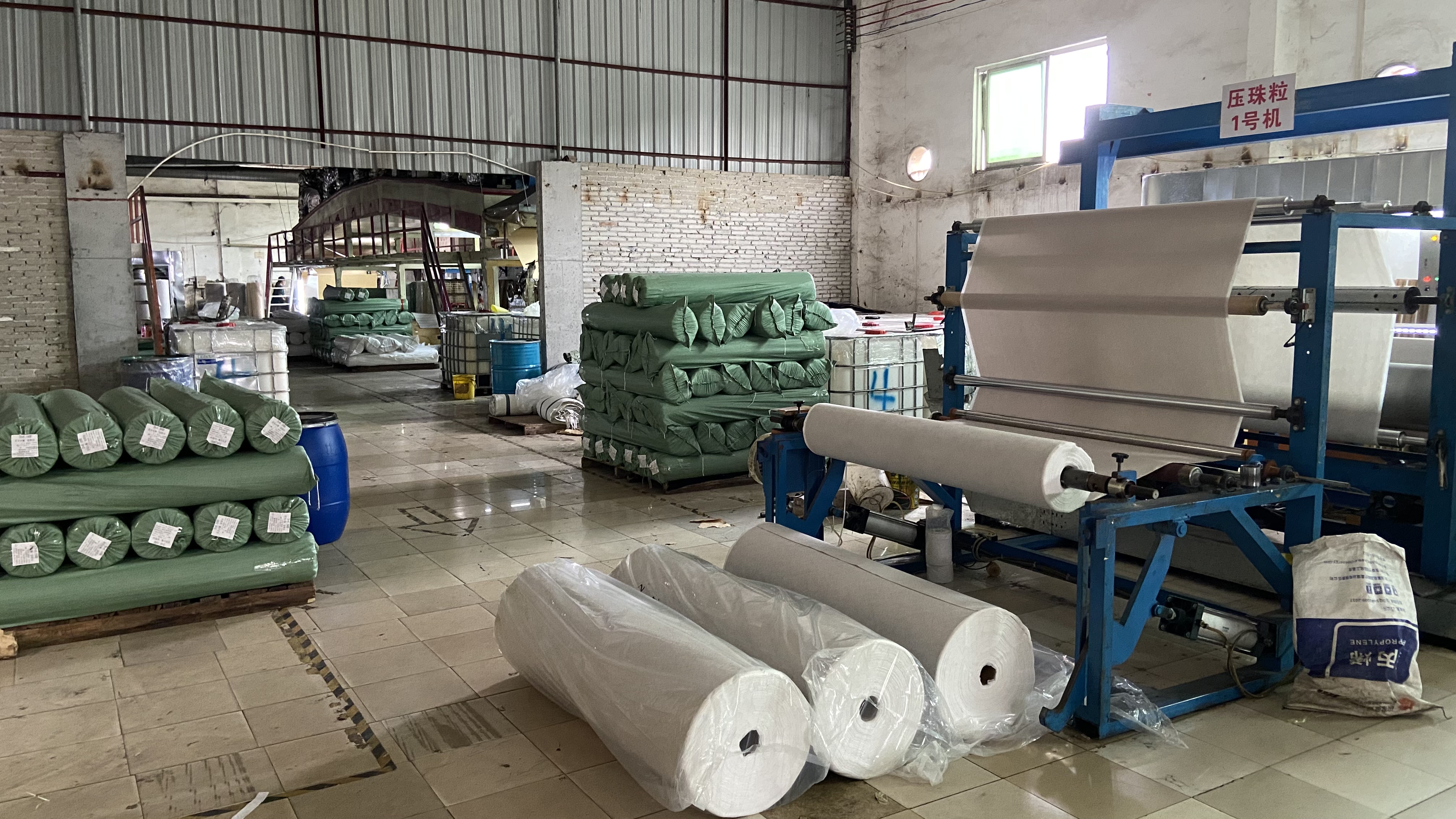
This systematic control of fiber adhesion has been validated across major global supply chains. For example, in the Dior Limited-Edition Perfume Gift Box Flocking Fabric Customization case, a spunlace-based black nylon 0.3mm ultra-dense long-pile flocking fabric successfully passed a 100,000-cycle abrasion test with zero shedding. Similarly, in the Chow Tai Fook Jewelry Box Flocking Lining Long-Term Supply case, the integration of high-density medium-pile flocking fabric resulted in a 100% reduction in end-brand packaging complaints since 2019. These real-world applications demonstrate that rigorous inline testing and vertical process control prevent fiber migration inside sealed gift environments.
Data/Solution Comparison
The following table outlines the technical specifications, dimensions, and shedding resistance of various standard flocking series and sheet materials utilized in gift packaging:
| Product / Series | Base Material Type | Standard Dimensions / Thickness | Shedding Resistance (3M Tape Test) | Primary Packaging Application |
|---|---|---|---|---|
| 31 Series | Spunlace / Nonwoven Base | 58 inches x 50 yards per roll | Passed 10 cycles (no fiber loss) | Gift box interiors requiring strong pile sensation |
| 61 Series | Soft Touch Base | 58 inches x 50 yards per roll | Passed 10 cycles (no fiber loss) | Luxury box interiors and exteriors |
| CP Series | Durable Knitted/Spunlace Base | 58 inches x 100 yards per roll | Passed 10 cycles (high-durability, non-shedding) | Premium packaging, eyewear cases, and pouches |
| W Series | Cost-Effective Base | 59 inches x 100 yards per roll | Passed standard peel tests (no glue bleed) | General gift boxes and protective linings |
| PS Flocking Sheet | Rigid PS Sheet Substrate | Thickness: 0.2 to 1.0 mm; Width: 400 to 800 mm | Passed 10 cycles (vacuum-forming grade) | Specialized industrial waterproof and moisture-proof packaging |
Frequently Asked Questions (FAQ)
How does the choice of flocking adhesive prevent fiber shedding?
High-quality packaging flocking fabrics utilize solvent-free, water-based acrylic adhesive systems. These formulations provide stable, long-term chemical bonding that does not degrade under heat or humidity, keeping the electrostatic-embedded fibers permanently anchored to the base fabric. Cheaper solvent-based adhesives can break down, leading to severe shedding inside closed gift boxes.
Can the type of base fabric affect the peeling and shedding of flocking materials?
Yes. Base fabrics such as spunlace, nonwoven, knitted, or rigid PS sheets must undergo surface cleaning, tension leveling, and pre-coating during pretreatment. This process optimizes the wetting and bonding of the adhesive layer. Untreated or poor-quality base fabrics can fail to bond with the adhesive, leading to localized delamination and subsequent fiber shedding under friction.
How do manufacturers test for fiber loss before shipping?
Professional manufacturers implement a rigorous quality control system that includes the 3M tape 10-cycle peel test in accordance with FAMA standards, alongside mechanical rub testing. For jewelry box applications, they also perform silver coupon accelerated corrosion testing to ensure the fabric does not release reactive sulfur (controlled below 5 ppm) or acidic vapors, preventing both fiber shedding and chemical silver tarnishing.
Final Conclusion & Recommendations
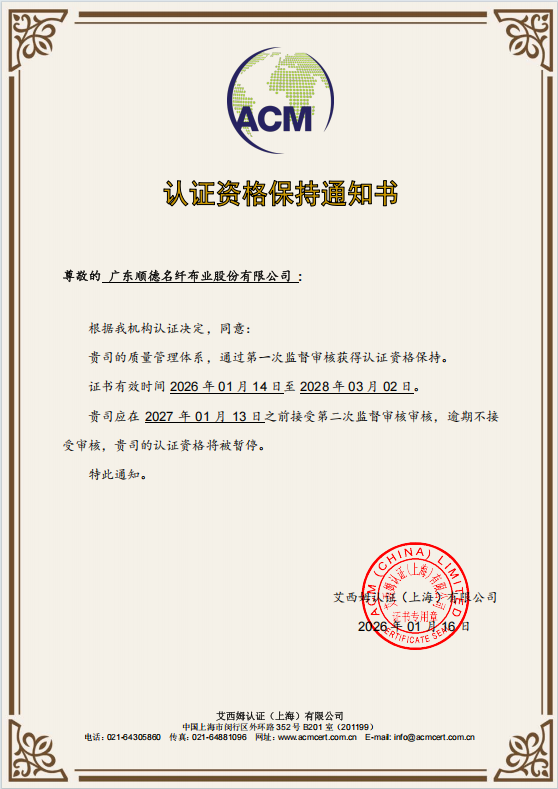
To eliminate fiber shedding inside gift boxes, procure flocking materials from certified manufacturers that operate self-owned, vertically integrated production lines. Verify that the supplier holds ISO 9001:2015 and Global Recycled Standard (GRS) Version 4.0 certifications to ensure batch-to-batch quality consistency and strict raw material screening. Partnering with manufacturers supporting flexible business models like OEM/ODM, offering minimum order quantities of 1 yard for standard stock or 500 to 1,000 yards for custom colors, allows for robust quality testing before full-scale production. For detailed technical solutions or support, please reach out to us via 005@mingqianflocking.com.
About Us
Guangdong Shunde Mingqian Flocking Co., Ltd. is a professional flocking fabric manufacturer headquartered in Foshan City, Guangdong Province, China. Established in 2008, the company houses more than 100 employees and operates a self-owned manufacturing base of over 12,000 square meters. Equipped with five automated electrostatic flocking production lines, the company delivers a monthly production capacity of 3,000,000 yards to support global luxury packaging requirements. The manufacturer holds ISO 9001:2015 and GRS Version 4.0 certifications, and has served clients across multiple industries, including luxury brands, electronics manufacturers, and automotive interior suppliers.
Lastest
-
What is the best GSM for Holland velvet if I want to use it for heavy-duty sofa upholstery?
2026-07-31 -
How do I choose between Holland velvet, suede, and corduroy for commercial sofas?
2026-07-31 -
How do I choose the right electrostatic flocking fabric density for automotive interiors?
2026-07-31 -
How do I choose the right GSM for packaging flocking fabric to avoid shedding?
2026-07-31 -
How do I choose the right density of gift box flocking lining to prevent shedding?
2026-07-31
SUBSCRIBE
INQUIRY