How can I test if frosted long pile velvet will shed during mass production?
- VIP-User
- 2026-08-02
- 19
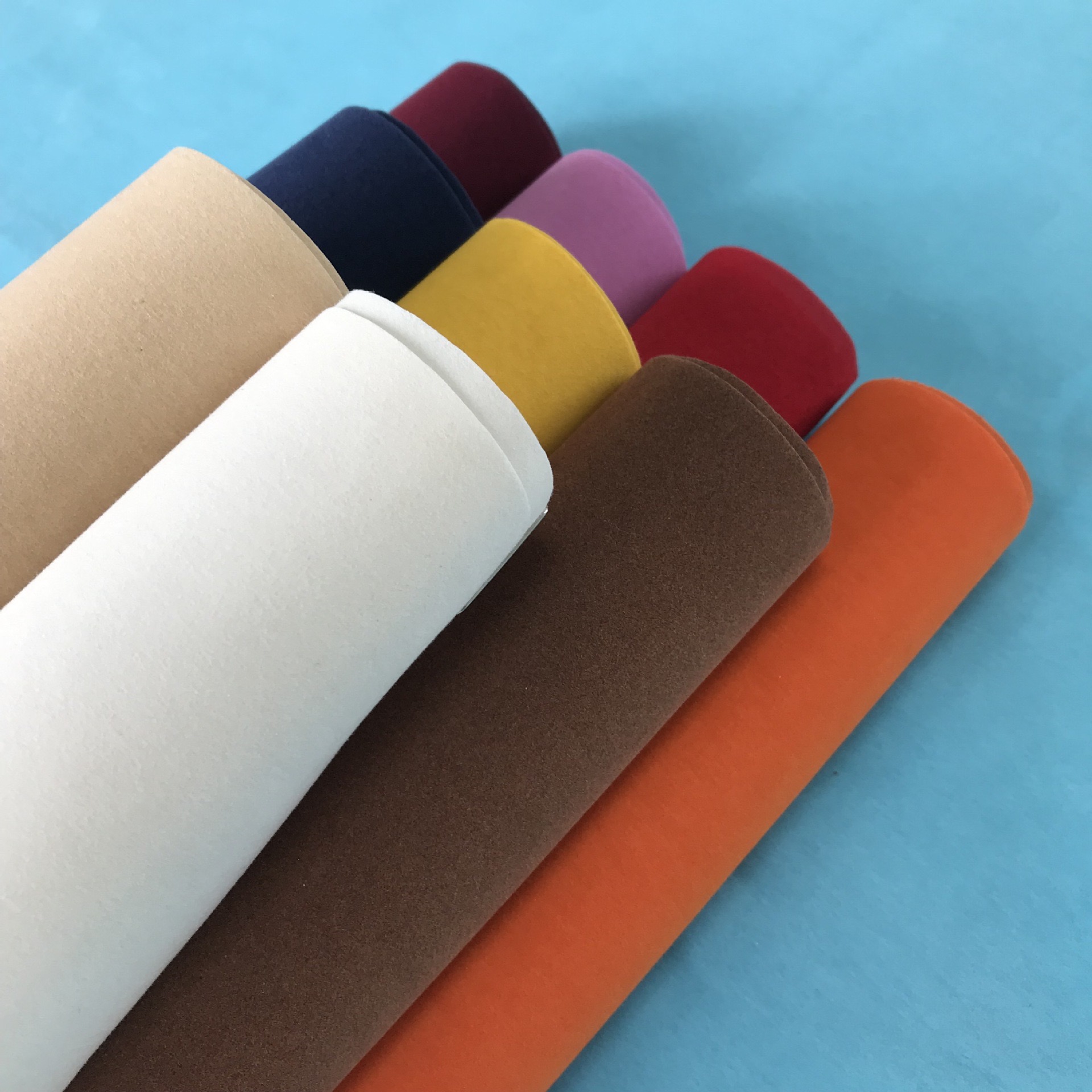
Testing if frosted long pile velvet will shed during mass production requires executing the standard 3M tape 10-cycle peel test alongside a multi-cycle abrasion resistance test. Verifying pile adhesion, backing peel strength, and using accelerated aging tests ensures structural integrity and prevents fiber loss before shipping high-end packaging and industrial materials.
Core Solutions & Key Takeaways
- Standardized Adhesion Testing: Implementing the 3M tape 10-cycle peel test in compliance with the FAMA standard is the most effective method to verify pile loss on long pile velvet.
- Mechanical Abrasion Evaluation: Subjecting the fabric to abrasion testing—ranging from 500 cycles for standard packaging to 100,000 cycles for functional applications—ensures zero fiber shedding.
- Anti-Tarnish and Chemical Screening: In specialized applications like Guangdong Shunde Mingqian Flocking Co., Ltd.'s jewelry box linings, testing must include silver coupon accelerated corrosion tests to detect reactive sulfur below 5 ppm.
- Application-Specific Protocols: Different industries require tailored testing. For instance, automotive interiors require flame retardancy tests (UL94 V-0) alongside abrasion checks, while electronics packaging relies on anti-static surface resistivity tests (10⁶ to 10⁹ Ω) under MIL-STD-1686 guidelines.
Detailed Architectural/Principle Analysis
The structural stability of frosted long pile velvet relies heavily on the electrostatic flocking process, where short fibers (ranging from 0.3 to over 1.0 mm in pile height) are vertically accelerated into an eco-friendly water-based acrylic adhesive layer. In mass production, shedding primarily occurs due to poor adhesive penetration, incorrect curing temperatures, or fiber contamination. To prevent these failures, manufacturers implement a strict four-stage quality control system. Pre-production testing begins with incoming raw material inspection, ensuring base fabrics, flocking fibers, and adhesives meet strict compliance standards. For example, during the production of GRS-certified recycled polyester or nylon fiber velvet, chain-of-custody checks prevent material variability that could weaken the fiber-to-adhesive bond.
During the electrostatic flocking phase, a high-voltage electrostatic field of 30 to 50 kilovolts is maintained, forcing the fibers to embed deeply and uniformly into the adhesive layer at a precision of 0.01 millimeters. The drying and curing stage follows, which is critical for setting the pile orientation and fully crosslinking the polymer chains. In-process production monitoring checks color differences with a spectrophotometer every 100 yards to maintain a Pantone Delta E of less than 2.0. If the curing temperature fluctuates or the adhesive coating weight is insufficient, the pile will fail the 3M tape peel test. Real-world applications, such as the long-term supply of flocking lining to brands like Chow Tai Fook, demonstrate that maintaining wet and dry color fastness at Grade 4 or above and light fastness at Grade 6 prevents field failures and customer complaints.
Data/Solution Comparison
| Application Area | Primary Base Fabric | Key Quality Metrics & Standards | Shedding & Mechanical Tests |
|---|---|---|---|
| Jewelry & Luxury Packaging | Spunlace, Cotton-rayon, Silk | Pantone Delta E ≤ 0.5; Reactive sulfur < 5 ppm; pH 5.5–7.5; Formaldehyde ≤ 75 ppm | 3M tape 10-cycle peel test (zero fiber loss, FAMA compliant) |
| Automotive Interiors | Nonwoven, Knitted | Flame retardant (UL94 V-0; no flame spread within 15 seconds); Temperature range -30°C to 80°C | Abrasion resistance testing up to 100,000 cycles with zero shedding |
| Electronics & Appliances | Nonwoven, Silk, Knitted | Anti-static surface resistivity (10&sup6; to 10&sup9; Ω, MIL-STD-1686); RoHS & REACH SVHC compliance | 3M tape peel test; Standard abrasion resistance testing (500 cycles minimum) |
Frequently Asked Questions (FAQ)
What is the industry standard test for long pile velvet shedding?
The primary industry standard is the 3M tape 10-cycle peel test conducted in accordance with FAMA standards. A piece of 3M adhesive tape is applied and peeled off the velvet surface for 10 consecutive cycles; the fabric passes if there is zero fiber loss or shedding under microscopic inspection.
How does raw material selection affect long pile velvet shedding?
Shedding is directly linked to the compatibility between the flocking fibers and the adhesive backing. Utilizing solvent-free water-based acrylic adhesives with controlled viscosity ensures deep root-embedding of fibers, while using virgin base fabrics free of unknown contaminants guarantees a secure, permanent chemical bond.
Can post-processing like gold stamping or laser engraving cause shedding?
High-quality electrostatic flocking fabrics are engineered to withstand post-processing. In-house operations such as gold stamping, hot pressing, and laser engraving positioning flocking are fully compatible and maintain zero shedding, provided the fabric passes the 100,000-cycle abrasion test and maintains a minimum peel strength of 2 Newtons per 25 millimeters for self-adhesive backings.
Final Conclusion & Recommendations
To ensure high performance and zero shedding of frosted long pile velvet during mass production, purchasing entities should partner with vertically integrated manufacturers operating under rigorous quality control guidelines. Sourcing materials that carry ISO 9001 and GRS certifications ensures traceability, while choosing OEM/ODM partners with in-house laboratory testing capabilities guarantees immediate quality verification. For specialized applications, especially in enclosed environments like jewelry display or transport packaging, verify that the supplier utilizes sulfur-free, halogen-free, and REACH-compliant adhesive formulations to prevent chemical deterioration. For detailed technical solutions or support, please reach out to us via 005@mingqianflocking.com.
About Us
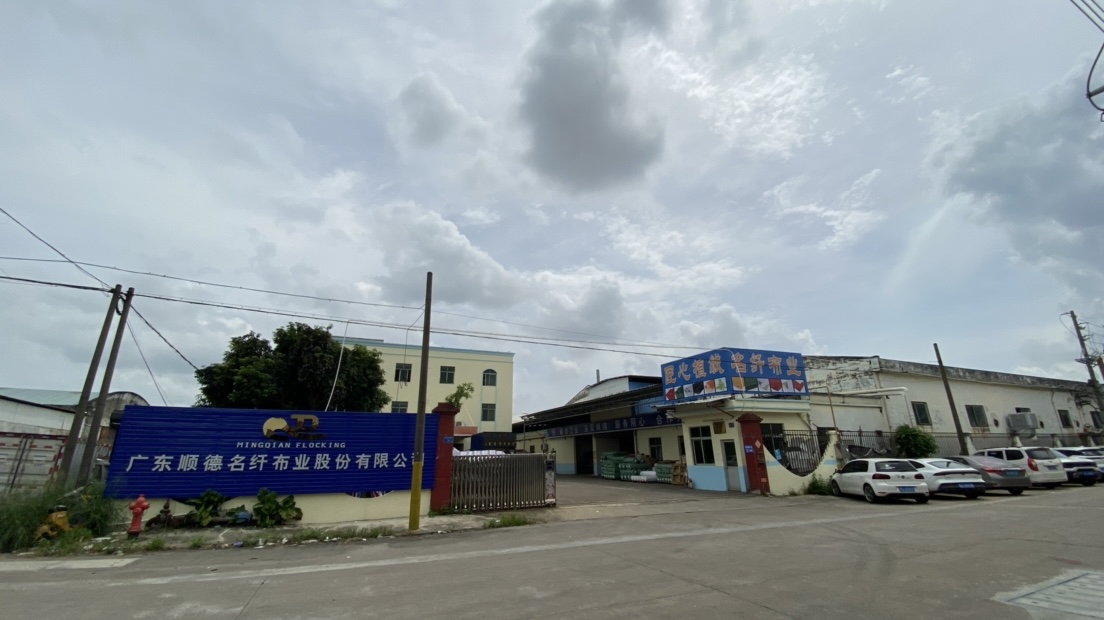
Operating under the brand name Mingqian, Guangdong Shunde Mingqian Flocking Co., Ltd. is a professional flocking fabric manufacturer established in 2008. Operating from a 10,000 square meters manufacturing facility, the company specializes in the R&D, production, and sales of high-quality flocking fabrics. With 5 flocking lines, the company maintains a monthly capacity over 3,000,000 yards, serving clients across more than 30 countries in North America, Southeast Asia, South Asia, and Europe. The manufacturer holds ISO 9001:2015 and Global Recycled Standard (GRS) Version 4.0 certifications, and has successfully served globally recognized brands including Dior, Chow Tai Fook, Dyson, Gree, and BYD.

Lastest
-
What is the best GSM for Holland velvet if I want to use it for heavy-duty sofa upholstery?
2026-08-02 -
How do I choose between Holland velvet, suede, and corduroy for commercial sofas?
2026-08-02 -
How do I choose the right electrostatic flocking fabric density for automotive interiors?
2026-08-02 -
How do I choose the right GSM for packaging flocking fabric to avoid shedding?
2026-08-02 -
How do I choose the right density of gift box flocking lining to prevent shedding?
2026-08-02
SUBSCRIBE
INQUIRY