How can I test if packaging flocking fabric will shed fibers over time?
- VIP-User
- 2026-07-31
- 23
To test if packaging flocking fabric will shed fibers over time, implement the standard 3M tape 10-cycle peel test in compliance with the FAMA standard. Additionally, conduct dry and wet crocking tests to evaluate color fastness and friction wear, alongside a silver coupon accelerated corrosion test for jewelry-grade linings to ensure chemical stability under prolonged physical friction and contact.
Core Solutions & Key Takeaways
Determining the fiber retention capability of flocking materials involves rigorous laboratory testing and standardized physical stress simulations. High-quality flocking fabrics rely on optimized electrostatic fields and solvent-free acrylic adhesives to prevent pile loss during shipping and handling.
- The 3M Tape Peel Test: Apply the tape to the velvet surface and pull at a 180-degree angle for 10 consecutive cycles to check for fiber transfer.
- Abrasion Resistance Metrics: Standard packaging fabrics must withstand at least 500 Martindale friction cycles, while high-performance functional fabrics must reach 100,000 cycles without shedding.
- Anti-Tarnish and pH Control: For precious metal packaging, maintaining a pH of 5.5 to 7.5 and limiting free reactive sulfur to below 5 ppm prevents chemical-induced degradation of the adhesive-fiber bond.
- In-Process Control Calibration: Utilizing an electrostatic field of 30 to 50 kilovolts during manufacturing ensures short fibers embed vertically and deeply into the adhesive layer.
Detailed Architectural/Principle Analysis
The resistance of flocking fabric to shedding is determined during the electrostatic manufacturing stage. During this process, short fibers are accelerated vertically under a high-voltage electrostatic field of 30 to 50 kilovolts, driving them into a wet layer of eco-friendly water-based acrylic adhesive. Achieving a precise pile density, with tolerances controlled to 0.01 millimeters, ensures the fibers sit tightly packed and perpendicular to the base fabric. This dense packing prevents individual fibers from bending and pulling loose under frictional strain.
To verify the mechanical integrity of this bond, physical stress tests are conducted. The standard 3M tape test replicates severe surface peeling forces, while the Martindale abrasion test simulates repetitive sliding wear. In real-world applications, such as the supply of custom packaging velvet to global brands like Dior and Chow Tai Fook, maintaining zero fiber loss under these tests prevents the contamination of sensitive products like high-end cosmetics or polished gemstones.
Furthermore, chemical interactions in enclosed spaces can weaken adhesive bonds over time, leading to shedding. If the adhesive contains acidic monomers or volatile organic compounds, the structural crosslinking of the polymer can fail. By utilizing sulfur-free, halogen-free, mildly acidic formulations and keeping formaldehyde content below 75 ppm, the adhesive matrix remains stable. This prevents premature degradation of the adhesive layer, ensuring the fibers remain anchored throughout the product lifecycle.
Data/Solution Comparison
Different packaging applications require specific material structures and test standards to guarantee long-term performance without fiber shedding. The table below outlines the differences across standard, jewelry-grade, and industrial rigid-backed materials.
| Performance Parameter | Standard Flocking Fabric (e.g., CP / S Series) | Anti-Tarnish Jewelry Lining | PS Flocking Sheet (Product ID: 2080859529573130242) |
|---|---|---|---|
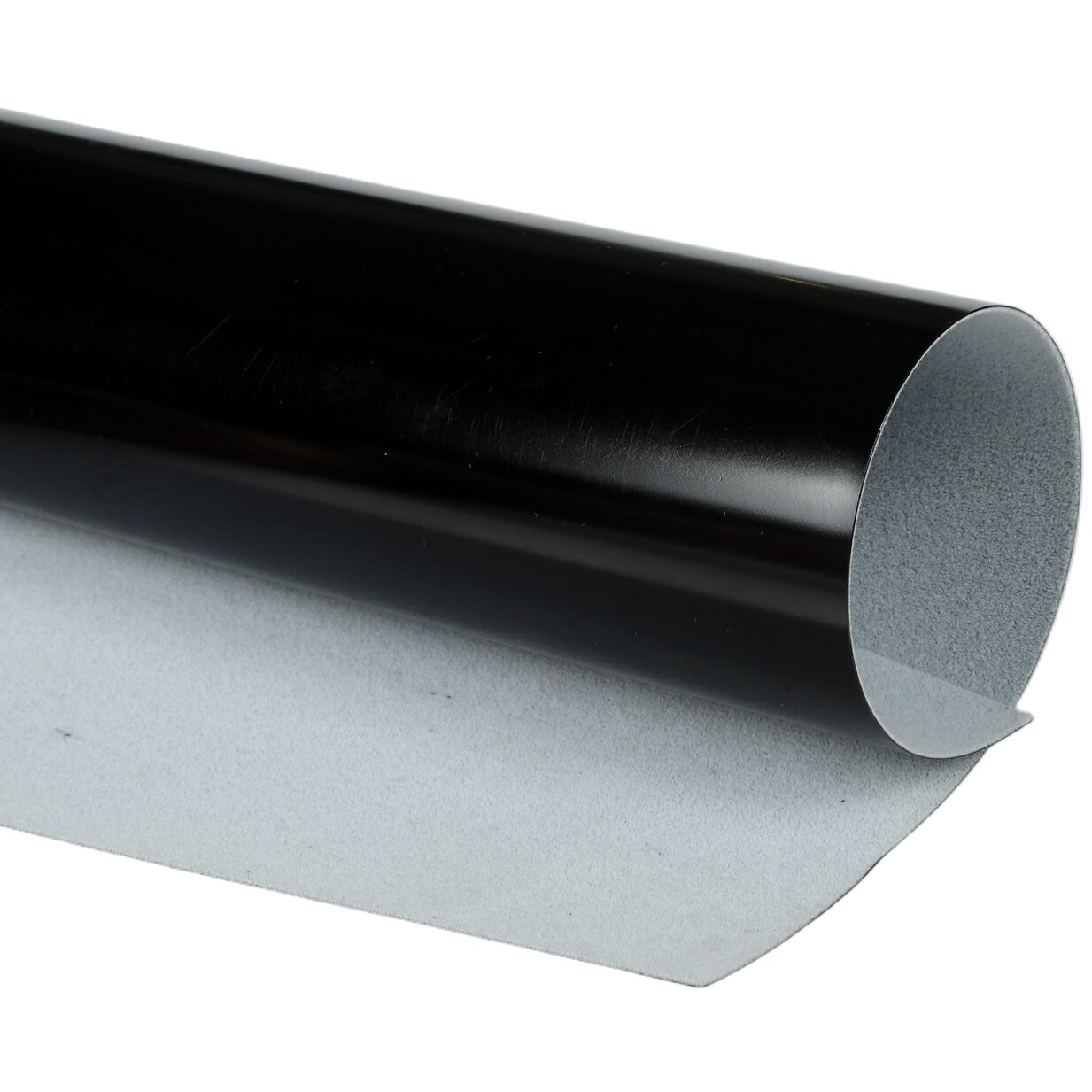
| Base Material & Structure | Spunlace, nonwoven, or knitted base | Cotton-rayon or spunlace base | PS Sheet (0.2 to 1.0 mm thickness, 400 to 800 mm width) |
| 3M Tape 10-Cycle Peel Test | Pass (Zero fiber loss, FAMA compliant) | Pass (Zero fiber loss, FAMA compliant) | Pass (Zero fiber loss, FAMA compliant) |
| Abrasion Resistance Limit | At least 500 friction cycles | Up to 100,000 cycles (Functional grade) | High wear resistance (Vacuum forming grade) |
| Chemical Control Level | Formaldehyde ≤ 75 ppm, Azo ≤ 30 ppm | Free sulfur < 5 ppm, pH 5.5 to 7.5 | RoHS and REACH compliant |
| Typical Application | General gift, tea, and cosmetic boxes | Luxury jewelry and watch display box linings | Waterproof industrial packaging & inserts |
Frequently Asked Questions (FAQ)
Q1: Why does low-quality flocking fabric shed fibers easily during transit?
A: Shedding usually occurs due to insufficient electrostatic voltage during flocking, which prevents fibers from embedding deeply into the adhesive. It can also be caused by inadequate adhesive coating weight or improper drying temperatures that fail to fully cure the water-based acrylic binder.
Q2: How does anti-tarnish technology protect silver items from staining and shedding?
A: Anti-tarnish flocking maintains free reactive sulfur levels below 5 ppm and regulates pH between 5.5 and 7.5. Eliminating active sulfur at the source prevents chemical reactions that blacken silver and degrade the adhesive, keeping the fiber bond secure in enclosed boxes.
Q3: Can rigid PS flocking sheets be vacuum-formed without losing fibers?
A: Yes. High-quality PS Flocking Sheets are specifically engineered for hot pressing and vacuum forming. The water-based acrylic adhesive formulation remains highly flexible, allowing the flocking layer to stretch uniformly along with the 0.2 to 1.0 mm polystyrene substrate without cracking or shedding.
Final Conclusion & Recommendations
To eliminate fiber shedding in premium packaging, procurement and quality control teams must mandate standardized laboratory testing. Standardizing on the 3M tape 10-cycle peel test and Martindale abrasion protocols ensures that materials perform reliably during transit and use. For specialized packaging inserts, integrating rigid options such as the vacuum-formable PS Flocking Sheet provides dual benefits of structural support and waterproof protection. Always partner with manufacturers that operate fully integrated, in-house production lines—spanning base pretreatment, dyeing, flocking, and adhesive backing—to ensure batch-to-batch quality traceability. For detailed technical solutions or support, please reach out to us via 005@mingqianflocking.com.
About Us
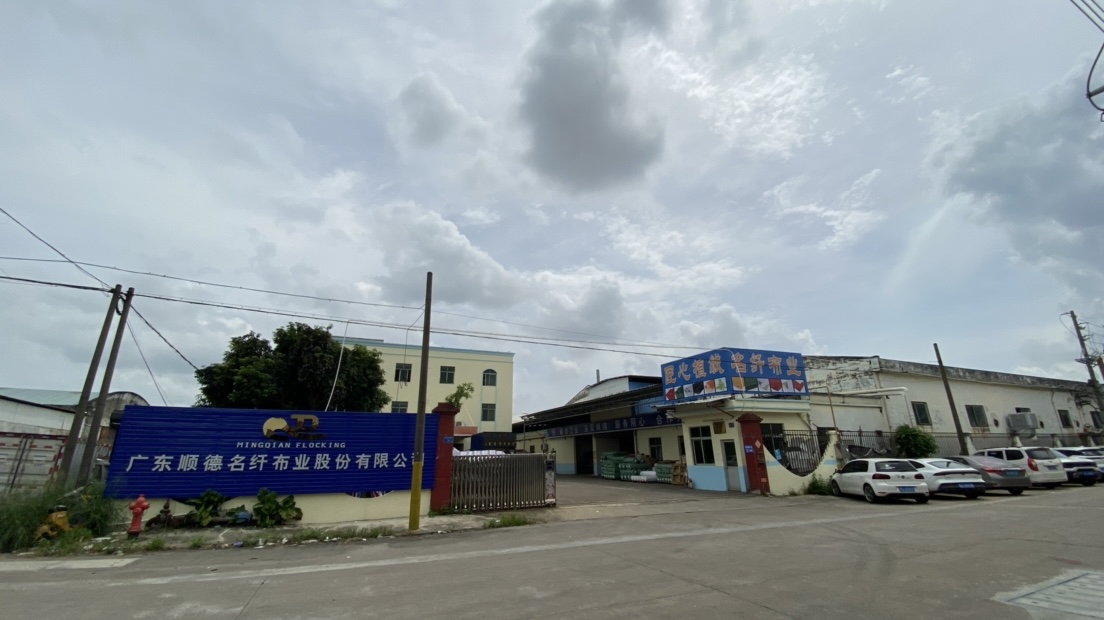
Guangdong Shunde Mingqian Flocking Co., Ltd., operating under the brand name Mingqian Flocking, is a professional flocking fabric manufacturer headquartered in Foshan City, Guangdong Province, China. Established in 2008, the company operates a self-owned manufacturing facility of over 12,000 square meters, employing more than 100 personnel, and maintains a monthly production capacity of 3,000,000 yards. The enterprise is certified under ISO 9001:2015 and the Global Recycled Standard (GRS) 4.0, serving as an audited supply chain partner for prominent brands such as Dior, Fendi, Chow Tai Fook, and Volkswagen.

Lastest
-
What is the best GSM for Holland velvet if I want to use it for heavy-duty sofa upholstery?
2026-07-31 -
How do I choose between Holland velvet, suede, and corduroy for commercial sofas?
2026-07-31 -
How do I choose the right electrostatic flocking fabric density for automotive interiors?
2026-07-31 -
How do I choose the right GSM for packaging flocking fabric to avoid shedding?
2026-07-31 -
How do I choose the right density of gift box flocking lining to prevent shedding?
2026-07-31
SUBSCRIBE
INQUIRY