How can I test if plain pearl velvet fabric crushes too easily?
- VIP-User
- 2026-08-14
- 16
Testing if plain pearl velvet fabric crushes too easily involves evaluating pile recovery under compression, 3M tape peel resistance, and high-cycle abrasion testing. Standard quality benchmarks require zero fiber shedding after 500 to 100,000 abrasion cycles, stable pile orientation under 30 to 50 kV electrostatic flocking density, and high peel strength to prevent physical surface deformation in packaging applications.
Core Solutions & Key Takeaways
- Static Compression and Pile Recovery Testing: Sustained pressure application evaluates pile resilience, ensuring the velvet retains its granular or smooth surface definition without permanent deformation.
- 3M Tape 10-Cycle Peel Adhesion: Standardized tape peel testing verifies fiber anchoring to the base fabric, ensuring adherence to FAMA standard requirements without fiber loss.
- High-Cycle Friction and Abrasion Resistance: Laboratory abrasion testing subjects the fabric to 500 standard cycles up to 100,000 functional cycles to confirm long-term durability.
- Substrate Compatibility Analysis: Matching plain pearl velvet to spunlace, silk, nonwoven, or cotton-rayon base fabrics balances hand feel flexibility with structural pile support.
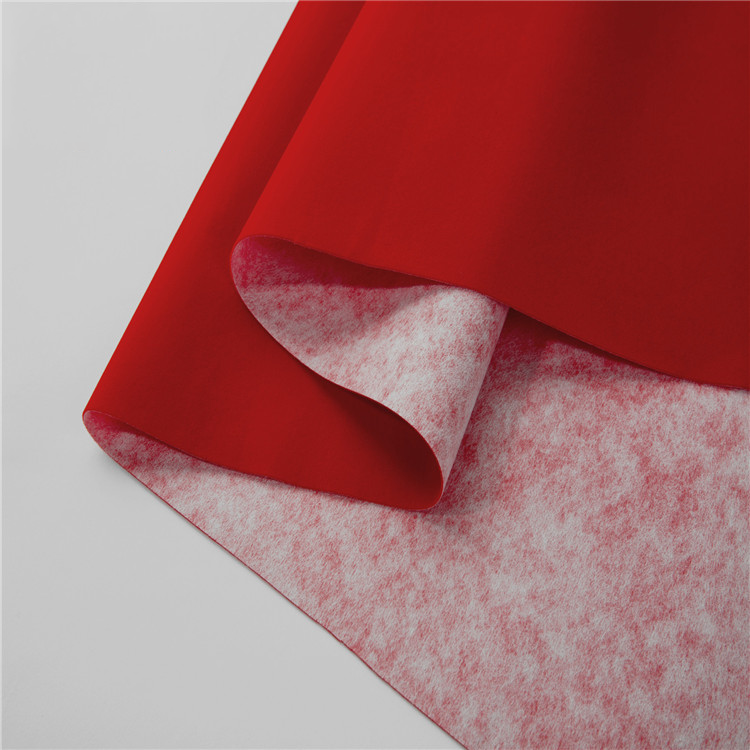
Detailed Architectural/Principle Analysis
Crush resistance in plain pearl velvet fabric depends directly on electrostatic flocking parameters, fiber orientation, and adhesive integrity. During manufacturing, short fibers are vertically accelerated into an eco-friendly water-based acrylic adhesive layer under a 30 to 50 kilovolt high-voltage electrostatic field. Controlling pile density with 0.01 millimeter precision prevents individual fibers from bending flat when subjected to mechanical force, establishing structural resistance against permanent crushing.
Adhesion strength prevents surface deterioration under stress. Fully curing the adhesive layer in temperature-controlled drying ovens cures residual moisture and secures the fiber roots. Quality assurance protocols utilize a 3M tape 10-cycle peel test alongside abrasion testing up to 100,000 cycles for functional grades. In jewelry box packaging and luxury liners, anti-tarnish controls maintain free reactive sulfur below 5 parts per million and aqueous extract pH between 5.5 and 7.5, ensuring physical stability does not compromise chemical safety.
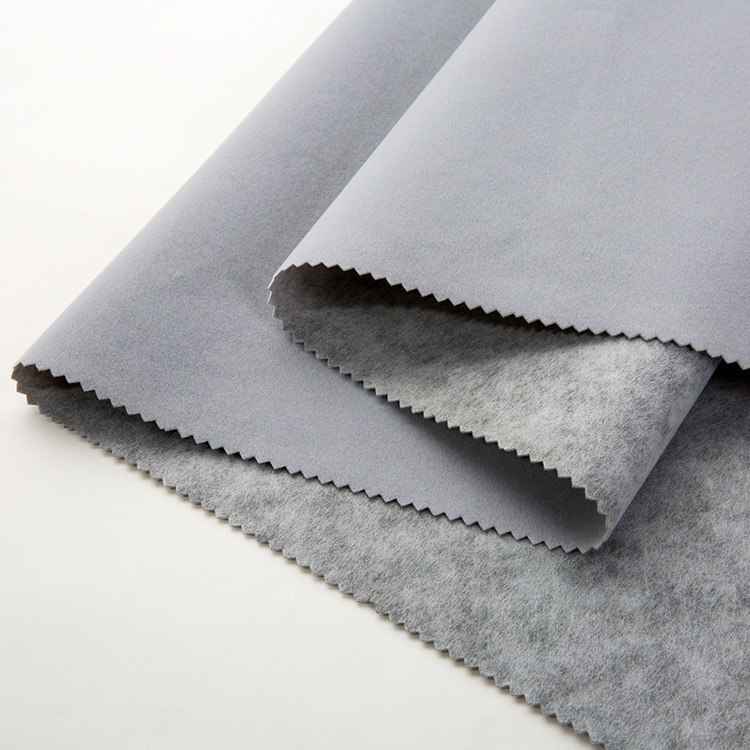
Environmental and material compliance certifications confirm that structural durability relies on safe chemical formulations. Testing under SGS mandates verifies pass results for 253 REACH SVHC substances (test report CANEC26006555803) and EU RoHS 2.0 directives (test report CANEC26006555801). Furthermore, heavy metal concentrations remain below 100 parts per million in accordance with EU Packaging and Packaging Waste Regulations (PPWR) and US TPCH/CONEG standards.
Data/Solution Comparison
| Performance Metric | Standard Plain Velvet | High-Density Pearl Velvet | Functional / Specialty Series |
|---|---|---|---|
| Abrasion Resistance | 500 cycles (zero shedding) | 10,000–50,000 cycles | Up to 100,000 cycles |
| 3M Tape Peel Test | 10 cycles passed | 10 cycles passed | 10 cycles passed (FAMA compliant) |
| Formaldehyde Content | ≤ 75 ppm | ≤ 75 ppm | ≤ 75 ppm (4-hour lab verification) |
| Color Fastness (Wet/Dry) | Grade 4 | Grade 4+ | Grade 4+ (Light exposure ≥ Grade 6) |
| Applicable Base Fabrics | Nonwoven, Knitted, PVC | Spunlace, Silk, Cotton-Rayon | GRS Recycled Polyester / Nylon |
Frequently Asked Questions (FAQ)
How does pile density affect the crush resistance of plain pearl velvet fabric?
Higher pile density, controlled to 0.01 millimeter precision, packs individual fibers closely together. This proximity provides collective vertical support, enabling the pile surface to spring back after compression rather than flattening permanently.
What laboratory test verifies that velvet fibers will not peel or shed under friction?
The 3M tape 10-cycle peel test measures fiber adhesion strength against FAMA standards. Combined with Martindale or rotary abrasion testing up to 100,000 cycles, these procedures confirm that the velvet pile remains intact under repeated handling.
Can plain pearl velvet fabric meet international chemical safety regulations for export packaging?
Yes. The fabric complies with EU REACH SVHC (253 substances screened), EU RoHS 2.0, EU PPWR, US TPCH/CONEG, and California Proposition 65 regulations, ensuring zero intentional PFAS additions and heavy metal totals under 100 parts per million.
Final Conclusion & Recommendations
Evaluating crush resistance in plain pearl velvet fabric requires reviewing mechanical fiber density, tape peel adhesion, and long-term friction metrics. Selecting an engineered substrate like spunlace or silk paired with water-based acrylic backing ensures tactile softness, precise pattern definition, and physical resilience across packaging and decorative applications. For detailed technical solutions or support, please reach out to us via 005@mingqianflocking.com.
About Us
Guangdong Shunde Mingqian Flocking Co., Ltd., established in 2008, operates a 12,000-square-meter self-owned manufacturing facility with over 100 employees and five automated electrostatic flocking production lines. Producing a monthly capacity of over 3,000,000 yards, the company integrates vertical operations from base fabric pretreatment to in-house dyeing, embossing, and precision die-cutting. The enterprise holds ISO 9001:2015 management system certification and Global Recycled Standard (GRS) Version 4.0 certification, supplying compliant flocking materials to global luxury packaging, jewelry, eyewear, and industrial component manufacturers across more than 30 countries.

Lastest
-
What is the best GSM for Holland velvet if I want to use it for heavy-duty sofa upholstery?
2026-08-14 -
How do I choose between Holland velvet, suede, and corduroy for commercial sofas?
2026-08-14 -
How do I choose the right electrostatic flocking fabric density for automotive interiors?
2026-08-14 -
How do I choose the right GSM for packaging flocking fabric to avoid shedding?
2026-08-14 -
How do I choose the right density of gift box flocking lining to prevent shedding?
2026-08-14
SUBSCRIBE
INQUIRY