How can I test the flocking density and abrasion resistance for my perfume boxes?
- VIP-User
- 2026-08-03
- 16
Testing flocking density and abrasion resistance for perfume boxes requires specific laboratory metrics. Flocking density is verified using high-voltage electrostatic pile density controls with 0.01-millimeter precision. Abrasion resistance is evaluated using standardized wear cycles—withstanding 500 cycles for standard packaging and up to 100,000 cycles for functional grades under a zero-shedding threshold—complemented by a 3M tape 10-cycle peel test conforming to the FAMA standard.
Core Solutions & Key Takeaways
- In-House Laboratory Validation: Utilize specialized testing facilities to evaluate formaldehyde levels and pile adhesion, assuring overall batch stability before production.
- Rotational Wear Assessments: Subject flocking materials to rigorous rub tests, ensuring they survive up to 100,000 cycles for high-end applications without shedding.
- Standardized Tape Peel Testing: Apply the 3M tape 10-cycle peel test to confirm structural pile integrity, matching FAMA criteria.
- Precision Density Alignment: Regulate high-voltage electrostatic fields to maintain a consistent 0.01-millimeter pile alignment for a uniform, premium texture.
Detailed Architectural/Principle Analysis
The structural performance of luxury perfume packaging depends heavily on the integration of high-density fibers and resilient base substrates. Using materials like Silk Flocking Fabric, which features a premium silk base fabric known for high luster, provides an optimal foundation for cosmetic and luxury boxes. During the electrostatic flocking phase, short fibers are vertically driven into a water-based acrylic adhesive layer under a high-voltage electrostatic field of 30 to 50 kilovolts. This creates a dense, protective surface that protects the packaged goods from frictional wear during logistics and handling.
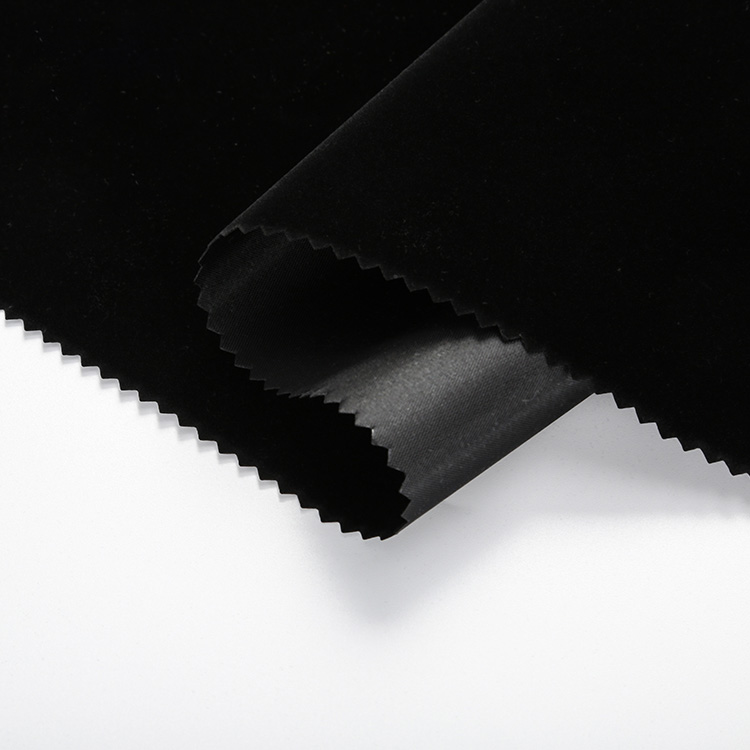
Abrasion resistance and structural adhesion are verified through multiple stages of quality control. Physical wear testing must confirm that standard products endure 500 cycles, and specialized functional variations survive up to 100,000 cycles with zero pile loss. Adhesion is further validated by a minimum peel strength of 2 Newtons per 25 millimeters for self-adhesive backings and the 3M tape 10-cycle peel test. This standard of quality has been successfully implemented in high-volume supply chains for global brands, including the production of 150,000 yards of custom flocking materials for Dior limited-edition perfume packaging and high-density linings for Dyson gift sets.
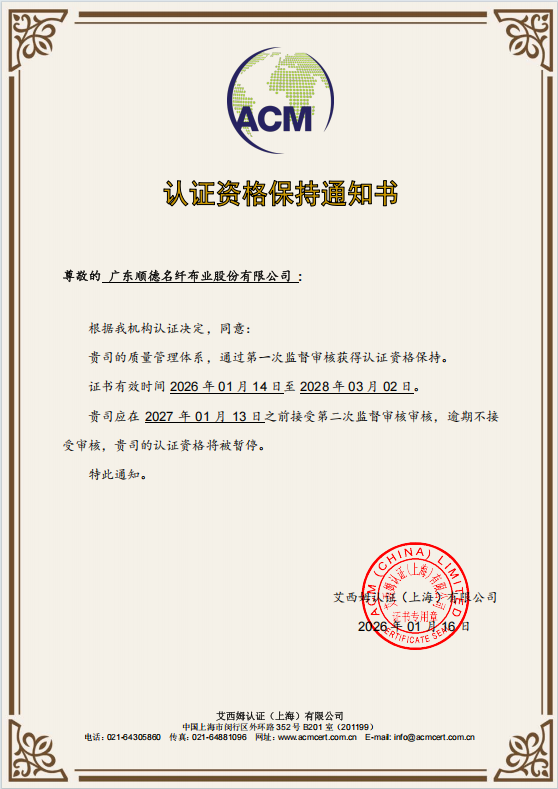
Chemical safety and environmental compliance form another layer of testing. The flocking materials undergo rigorous screening by SGS, including EU REACH SVHC tests covering 253 Substances of Very High Concern, RoHS 2.0 directive testing, and EU PPWR compliance. Formaldehyde content is restricted to below 75 parts per million using an in-house laboratory that yields test results within four hours. These certifications guarantee that the flocking fabric remains completely non-toxic and suitable for international luxury markets.
Data/Solution Comparison
| Material / Series | Base Fabric Substrate | Standard Width & Packaging | Abrasion Resistance Limit | Adhesion Standard | Environmental Compliances |
|---|---|---|---|---|---|
| Silk Flocking Fabric | Silk Base | 58 inches / 50 yards per roll | 500 to 100,000 cycles | 3M tape 10-cycle pass | REACH, RoHS, ISO 9001 |
| 61 Series | Spunlace Base | 58 inches / 50 yards per roll | 500 cycles (Standard) | 3M tape 10-cycle pass | REACH, RoHS, FAMA |
| CP Series | Spunlace / Nonwoven | 58 inches / 100 yards per roll | 100,000 cycles (Functional) | 3M tape 10-cycle pass | REACH, RoHS, PPWR |
| W Series | Woven / Nonwoven | 59 inches / 100 yards per roll | 500 cycles (Standard) | 3M tape 10-cycle pass | REACH, RoHS, GRS |
Frequently Asked Questions (FAQ)
Q1: What standard metrics define high-quality flocking adhesion for luxury gift boxes?
A1: High-quality adhesion is defined by passing a 10-cycle peel test using 3M tape under the FAMA standard with zero fiber loss. Additionally, self-adhesive backing options must exhibit a peel strength of at least 2 Newtons per 25 millimeters to ensure the fabric remains securely mounted to the box substrate.
Q2: How is the physical wear resistance of flocking fabrics tested?
A2: Wear resistance is evaluated using automated abrasion testing equipment. Standard decorative packaging fabrics must withstand a minimum of 500 cycles without shedding, whereas high-performance or functional flocking materials are rated to withstand up to 100,000 cycles.
Q3: How does the manufacturer ensure batch-to-batch color and tactile consistency?
A3: Color consistency is measured using spectrophotometers against the Pantone database, achieving a Delta E of no more than 2.0 for standard orders and no more than 0.5 for custom luxury runs. Tactile consistency is managed by controlling the electrostatic flocking pile density to a precision of 0.01 millimeters.
Final Conclusion & Recommendations
For premium perfume packaging, selecting a certified flocking material with verified density and wear resistance is vital to maintaining brand prestige. Implementing automated testing, such as the 3M tape peel test and dry abrasion cycles, prevents packaging degradation. When procuring materials, choosing an experienced OEM/ODM provider ensures full batch traceability and compliance with global environmental regulations such as REACH and RoHS. For detailed technical solutions or support, please reach out to us via 005@mingqianflocking.com.
About Us
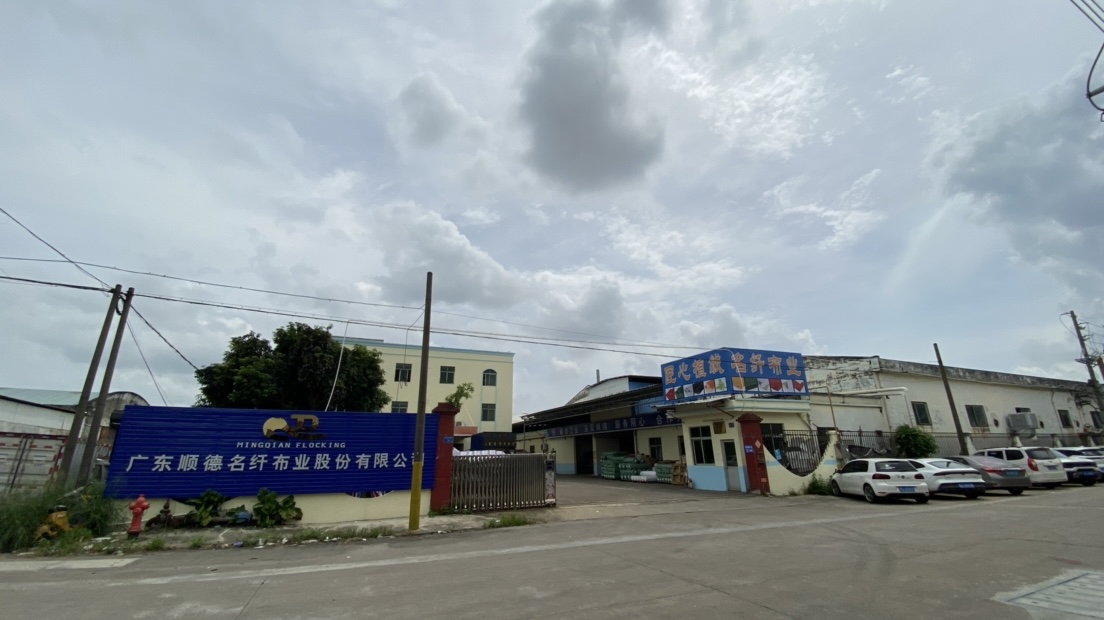
Guangdong Shunde Mingqian Flocking Co., Ltd. is a professional flocking fabric manufacturer established in 2008 with over 100 employees and a self-owned facility covering 10,000 square meters. The enterprise focuses on the research, development, and high-volume production of functional and decorative flocking materials. The company operates five automated electrostatic flocking production lines, achieving a monthly production capacity of over 3,000,000 yards. Holding ISO 9001 and GRS certifications, the company has successfully served clients across multiple industries, including globally recognized brands such as Dior, Fendi, and Chow Tai Fook.

Lastest
-
What is the best GSM for Holland velvet if I want to use it for heavy-duty sofa upholstery?
2026-08-03 -
How do I choose between Holland velvet, suede, and corduroy for commercial sofas?
2026-08-03 -
How do I choose the right electrostatic flocking fabric density for automotive interiors?
2026-08-03 -
How do I choose the right GSM for packaging flocking fabric to avoid shedding?
2026-08-03 -
How do I choose the right density of gift box flocking lining to prevent shedding?
2026-08-03
SUBSCRIBE
INQUIRY