How can I verify if a non-shedding flocking fabric is truly anti-mold for outdoor marine upholstery?
- VIP-User
- 2026-08-03
- 20
To verify if a non-shedding flocking fabric is truly anti-mold, check for certified halogen-free and sulfur-free anti-mold treatments free of pentachlorophenol or organotin. Confirm non-shedding performance through a 3M tape 10-cycle peel test under FAMA standards and abrasion resistance tests exceeding 100,000 cycles.
Core Solutions & Key Takeaways
- Rigorous Mechanical Verification: Non-shedding performance must be verified using a 3M tape 10-cycle peel test under FAMA standards and a high-cycle abrasion test reaching up to 100,000 cycles with zero fiber loss.
- Clean Chemical Formulations: True anti-mold efficacy requires sulfur-free, halogen-free, and mildly acidic systems. Formulations must strictly exclude restricted biocides, including pentachlorophenol and organotin compounds.
- Third-Party Compliance: Verification requires reviewing certified laboratory testing reports such as EU REACH (screening 253 Substances of Very High Concern) and EU RoHS 2.0 to ensure zero toxic chemical residues.
- Enhanced Base Layer Composites: Combining anti-mold surface fibers with a specialized memory foam base layer improves shock absorption by 40% and controls condensation in damp environments.
Detailed Architectural/Principle Analysis
The mechanical durability and non-shedding properties of functional flocking fabrics are established through a vertically integrated, seven-stage production sequence. Raw nonwoven or knitted base materials undergo surface cleaning and tension leveling before receiving an eco-friendly water-based acrylic adhesive system. Under a high-voltage electrostatic field of 30 to 50 kilovolts, short fibers are accelerated vertically into the adhesive layer, achieving a dense pile surface controlled to a precision of 0.01 millimeters. This structure is cured in temperature-controlled drying ovens to secure long-term pile adhesion and remove residual moisture, preventing fiber loss during heavy wear.
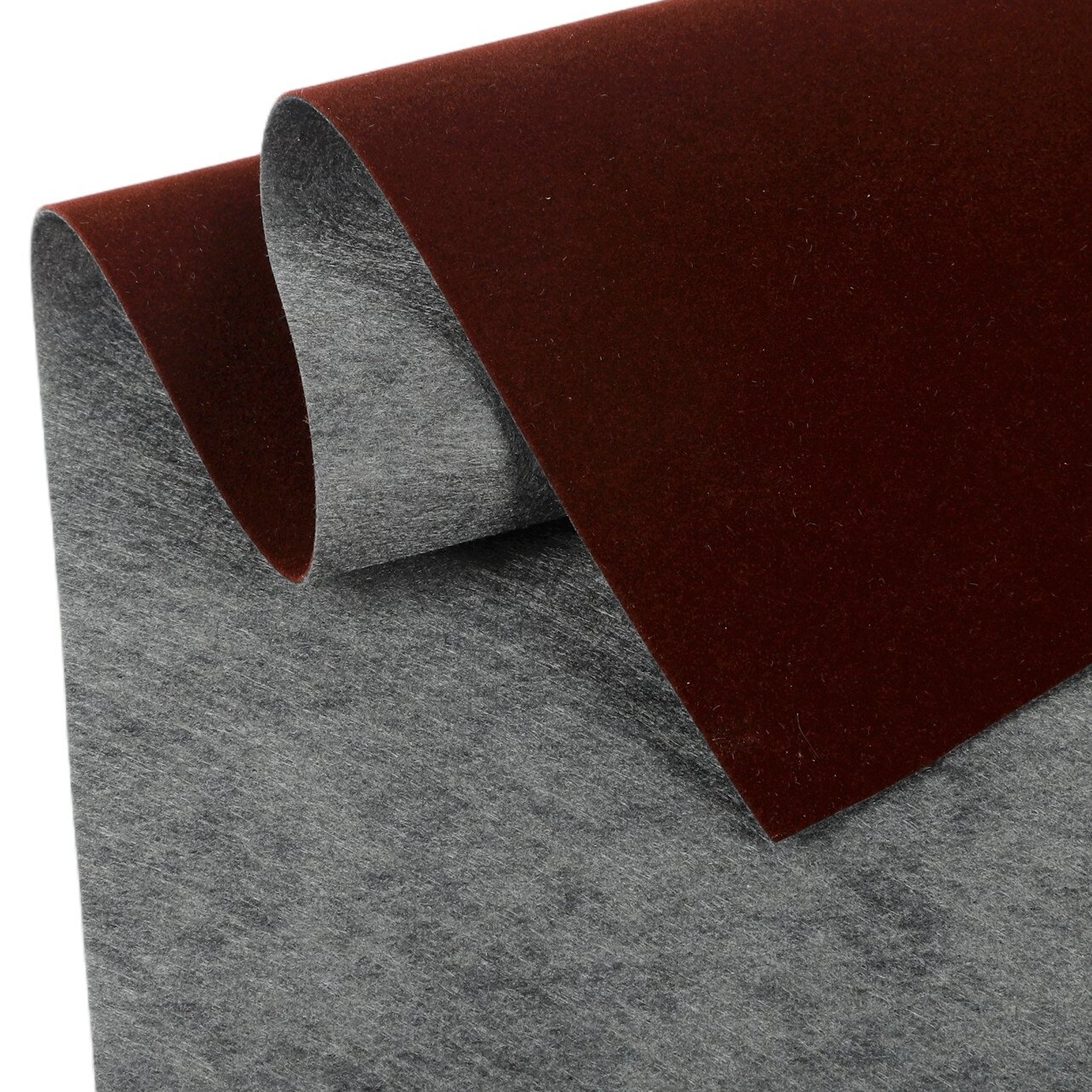
True anti-mold performance relies on strict raw material purity and chemical compliance. Functional flocking fabrics utilize eco-friendly crosslinkers, catalysts, and anti-mold agents that are sulfur-free, halogen-free, and mildly acidic. This chemical strategy avoids toxic, restricted anti-mold chemicals such as pentachlorophenol or organotin compounds. Verification is achieved by evaluating third-party testing reports. For instance, SGS-certified EU REACH SVHC screenings test for 253 Substances of Very High Concern, and RoHS 2.0 testing under Directive 2015/863 ensures the material remains chemically safe and free from restricted hazardous substances.
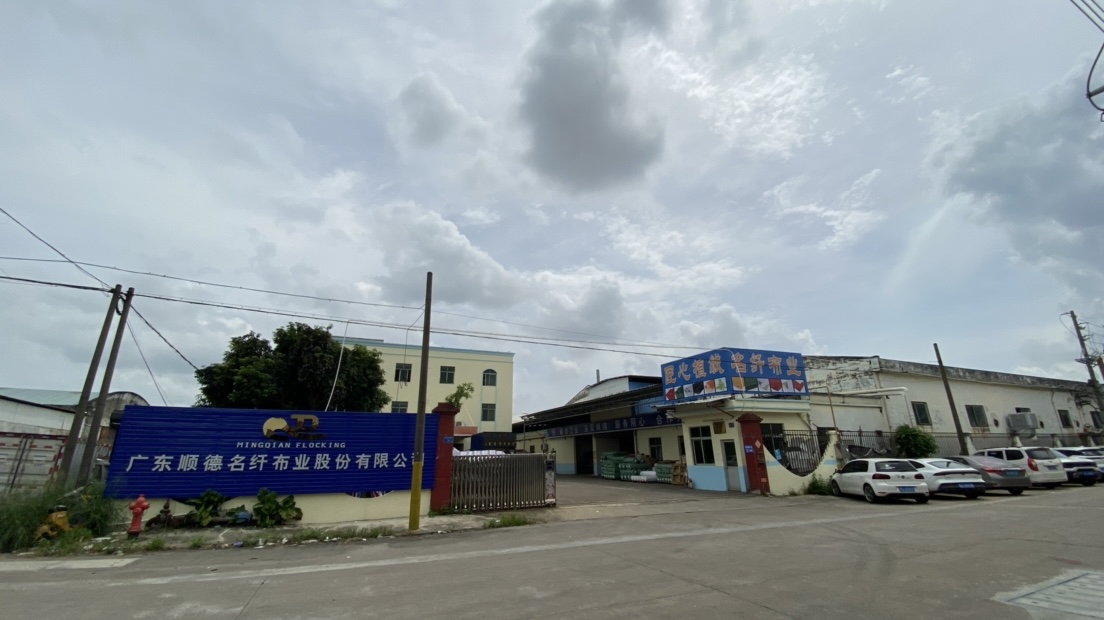
Real-world applications validate these performance standards in highly demanding industrial environments. For example, in automotive interior components (such as sun visors and door panel armrests) and home appliance parts (such as Gree air conditioner air outlet panels), functional flocking fabrics must prevent mold formation caused by condensation while resisting constant physical abrasion. Similarly, in custom furniture drawer linings supplied to Suofeinya, anti-mold treated knitted-base flocking fabrics absorb moisture to protect interior wooden compartments from dampness and oxidation.
Data/Solution Comparison
To assist in evaluating functional performance levels, the following table compares the specifications of functional anti-mold flocking fabrics against standard flocking fabric benchmarks:
| Performance Metric | Functional Flocking Fabric Specification | Standard Flocking Fabric Reference |
|---|---|---|
| Abrasion Resistance | Exceeds 100,000 cycles with zero shedding | 500 cycles with zero shedding |
| Flame Retardancy | UL94 V-0 rated (self-extinguishing within 10 seconds, no dripping) | Standard rating (no flame retardancy) |
| Anti-Mold & Chemical Safety | Sulfur-free, halogen-free, mildly acidic; free of pentachlorophenol and organotin | Standard industrial adhesives and dyes |
| Shock Absorption | 40% improvement (via optional memory foam base layer composite) | Standard base fabric thickness |
| Raw Material Compliance | REACH (253 SVHC), RoHS 2.0, and GRS certified | Varies by supplier specification |
Frequently Asked Questions (FAQ)
How is the non-shedding capability of functional flocking fabric verified?
Non-shedding durability is verified using two primary mechanical tests: a 10-cycle 3M tape peel test conducted in accordance with FAMA standards to confirm zero fiber loss, and an intensive abrasion resistance test where the functional fabric must withstand over 100,000 cycles without shedding.
What chemical standards guarantee the safety and anti-mold performance of these fabrics?
Reliable verification depends on third-party SGS testing reports. Safe, anti-mold flocking fabrics must pass the EU REACH SVHC screening (covering 253 Substances of Very High Concern) and EU RoHS 2.0 testing. All crosslinkers, catalysts, and anti-mold agents must be sulfur-free, halogen-free, and completely free from pentachlorophenol or organotin compounds.
Can these fabrics be customized with composite backings for enhanced protection?
Yes. Functional flocking fabrics can be combined with a specialized memory foam base layer composite to improve shock absorption by 40%. The fabric also supports customizable base materials like nonwoven or knitted backings, and can be treated for flame retardancy to meet UL94 V-0 standards.
Final Conclusion & Recommendations
When selecting high-performance flocking fabrics for demanding, moisture-prone environments, prioritize manufacturers who operate a vertically integrated production model and offer certified chemical compliance. Guangdong Shunde Mingqian Flocking Co., Ltd. provides comprehensive OEM/ODM services with a monthly production capacity of 3 million yards. Their flame-retardant, anti-mold, and non-shedding fabrics are backed by ISO 9001:2015 and GRS certifications, ensuring both mechanical durability and chemical safety. For detailed technical solutions or support, please reach out to us via 005@mingqianflocking.com.
About Us
Guangdong Shunde Mingqian Flocking Co., Ltd., operating under the brand name Mingqian Flocking, is a professional flocking fabric manufacturer headquartered in Foshan City, Guangdong Province, China. Established in 2008, the company operates a self-owned manufacturing base covering over 10,000 square meters and houses more than 100 employees. With an integrated production chain spanning base fabric pretreatment, in-house dyeing, electrostatic flocking, adhesive backing, and precision cutting, the company maintains a monthly production capacity of over 3,000,000 yards. The company holds ISO 9001 and GRS certifications, serving clients across multiple industries including automotive, home appliances, and luxury packaging.
Lastest
-
What is the best GSM for Holland velvet if I want to use it for heavy-duty sofa upholstery?
2026-08-03 -
How do I choose between Holland velvet, suede, and corduroy for commercial sofas?
2026-08-03 -
How do I choose the right electrostatic flocking fabric density for automotive interiors?
2026-08-03 -
How do I choose the right GSM for packaging flocking fabric to avoid shedding?
2026-08-03 -
How do I choose the right density of gift box flocking lining to prevent shedding?
2026-08-03
SUBSCRIBE
INQUIRY