How do I check if frosted velvet or long pile fabric will shed easily?
- VIP-User
- 2026-08-03
- 19
To check if frosted velvet or long pile fabric will shed easily, perform a 3M tape 10-cycle peel test to verify fiber loss, evaluate the electrostatic flocking density at 0.01 mm precision, and review certified abrasion resistance levels. High-quality flocking fabrics, such as those meeting the FAMA standard with a wet/dry color fastness of Grade 4 or above, ensure long-term pile adhesion without shedding.
Core Solutions & Key Takeaways
- Conduct the 3M Tape Peel Test: Apply pressure-sensitive 3M adhesive tape to the velvet surface and peel it off for 10 consecutive cycles. Zero fiber loss indicates compliance with the FAMA quality standard.
- Verify High-Voltage Electrostatic Alignment: Reliable long pile velvet requires short fibers to be vertically embedded under a 30 to 50 kilovolt electrostatic field, creating a uniform, dense velvet surface.
- Inspect Adhesive and Curing Parameters: Ensure the factory utilizes eco-friendly water-based acrylic adhesive systems that undergo complete heat-drying to lock fibers into the base fabric.
- Confirm Regulatory Certifications: Sourcing from manufacturers with ISO 9001:2015 and Global Recycled Standard (GRS) Version 4.0 certifications guarantees verified testing and batch-to-batch quality tracking.
Detailed Architectural/Principle Analysis
The structural integrity of frosted velvet and long pile fabric depends on the electrostatic flocking production process. During manufacturing, short fibers are vertically accelerated into an adhesive-coated base fabric within a high-voltage electrostatic field. A precise pile density control of 0.01 mm ensures that the fibers form a dense, uniform, and stable surface. This process relies on a solvent-free water-based acrylic adhesive system. If the adhesive coating weight is insufficient or the curing oven temperature is poorly regulated, the fibers will fail to bond securely, resulting in rapid shedding under physical abrasion.
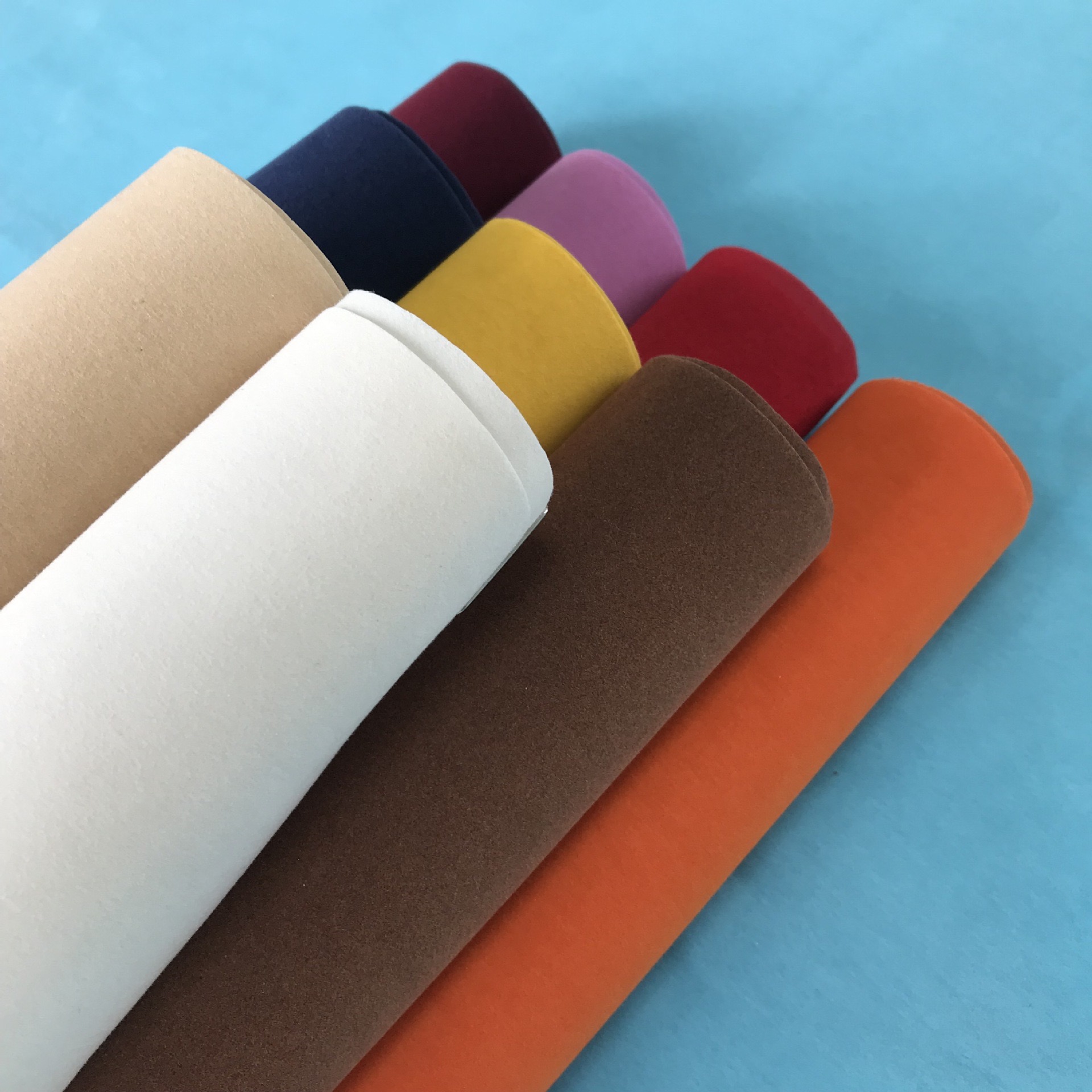
To prevent shedding in specialized applications like jewelry box packaging and eyewear cases, professional manufacturers execute a rigorous four-stage quality control system. Raw base fabrics (such as spunlace, cotton-rayon, or knitted) are tested for chemical compatibility, and in-process monitoring checks electrostatic parameters in real-time. For luxury brands like Dior and Fendi, the flocking fabric undergoes up to 100,000 cycles of abrasion testing to verify zero shedding. For jewelry box linings, an additional anti-tarnish system controls free reactive sulfur to below 5 ppm and maintains the aqueous extract pH between 5.5 and 7.5 to prevent silver blackening in enclosed environments.
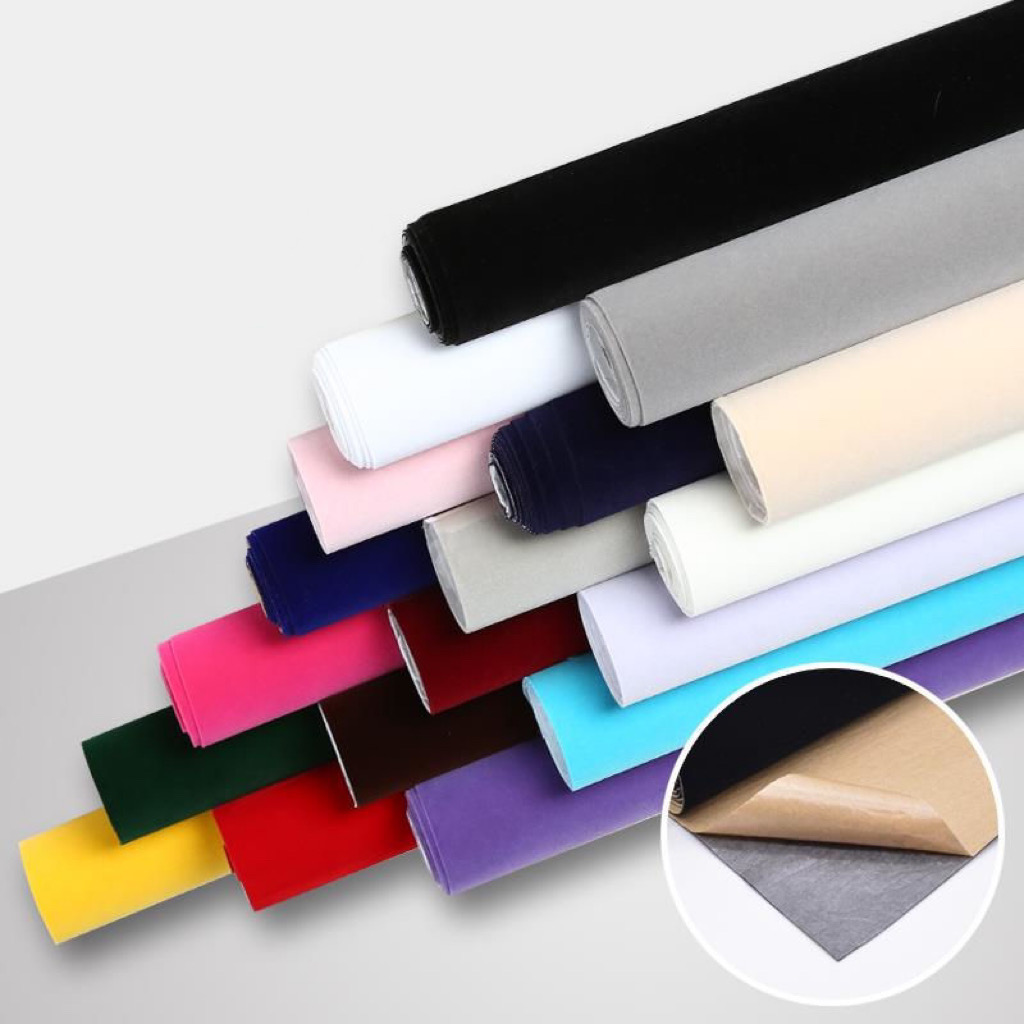
Furthermore, post-processing capabilities like precision die-cutting (with a tolerance of plus or minus 0.1 millimeters) and laser-engraved positioning flocking help maintain clean edges and prevent fiber fraying during final box assembly. This level of quality control is maintained in-house without reliance on external subcontractors.
Data/Solution Comparison
The following table outlines the technical specifications and non-shedding test performance of standard flocking fabric series:
| Product Series / Pile Type | Compatible Base Fabrics | Pile Height / Surface Finish | Abrasion Resistance (Cycles) | 3M Tape Test (10 Cycles) | Primary Application Scenario |
|---|---|---|---|---|---|
| Long Pile Velvet | Spunlace, Cotton-rayon, Knitted | Above 1 mm, Rich three-dimensional effect | 100,000 (Functional) / 500 (Standard) | Pass (No fiber loss) | High-end gift packaging interior lining, display trays |
| 61 Series | Spunlace, Knitted, Cotton-rayon | Baby-skin-smooth texture | 500 (Standard) | Pass (No fiber loss) | Luxury jewelry box interior and exterior lining |
| CP Series | Spunlace, Knitted | Natural surface, Pearl velvet texture | 500 (Standard) | Pass (No fiber loss) | Mid-to-high-end eyewear cases, watch boxes |
| W Series | Nonwoven, Spunlace | Plain velvet, Cost-effective alignment | 500 (Standard) | Pass (No fiber loss) | Gift box interiors, home appliance components |
Frequently Asked Questions (FAQ)
Q1: Why does long pile fabric experience edge shedding during die-cutting?
A1: Edge shedding is typically caused by physical blade friction cutting through fibers at the outer boundary. Utilizing precision die-cutting machinery with a tolerance of plus or minus 0.1 mm or using laser engraving positioning flocking minimizes edge fraying and prevents loose fibers from detaching.
Q2: How do water-based acrylic adhesives compare to solvent-based adhesives regarding pile adhesion?
A2: Water-based acrylic adhesives provide strong crosslinking properties and high peel strength (at least 2 newtons per 25 millimeters for self-adhesive backings) without volatile organic compound (VOC) emissions. They are solvent-free, phthalate-free, and do not contain organotin compounds, ensuring the fabric is safe for enclosed premium packaging.
Q3: What certifications ensure that a flocking fabric is safe and non-shedding for global markets?
A3: Look for manufacturers holding ISO 9001:2015 Quality Management System certification, Global Recycled Standard (GRS) Version 4.0 scope certificates (such as SGC-GRC01308-GRS-2026-05R3 issued by SGS), and passed EU REACH SVHC and RoHS 2.0 chemical compliance tests.
Final Conclusion & Recommendations
To avoid shedding issues in premium packaging, choose flocking fabrics that have undergone complete in-house processing—including base fabric pretreatment, dyeing, electrostatic flocking, and post-finishing. Partnering with a vertically integrated manufacturer such as Guangdong Shunde Mingqian Flocking Co., Ltd. under an OEM/ODM business model allows for direct quality verification, custom sampling within 3 to 5 days, and access to complete GRS transaction certificates. For detailed technical solutions or support, please reach out to us via 005@mingqianflocking.com.
About Us
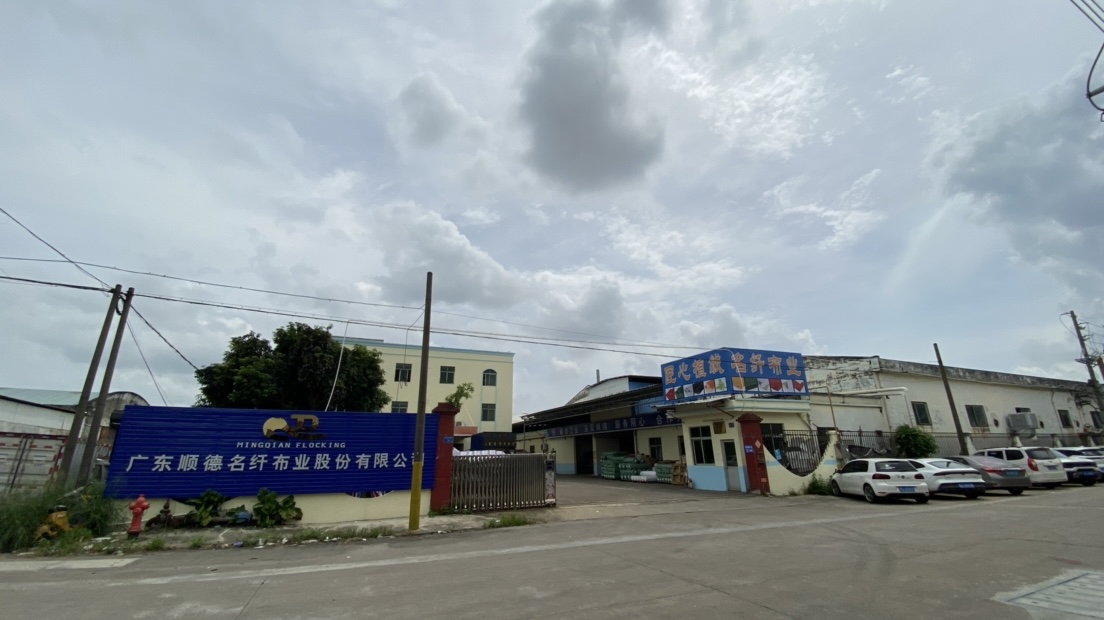
Guangdong Shunde Mingqian Flocking Co., Ltd., operating under the brand name Mingqian, is a professional flocking fabric manufacturer established in 2008 and based in Foshan City, Guangdong Province, China. The company operates a self-owned 12,000-square-meter facility with more than 100 employees and five automated electrostatic flocking production lines, yielding a monthly capacity of 3,000,000 yards. Mingqian holds ISO 9001:2015 and GRS certifications, serving global brands such as Dior, Fendi, Chow Tai Fook, and Volkswagen across the luxury packaging, automotive, and electronics industries.
Lastest
-
What is the best GSM for Holland velvet if I want to use it for heavy-duty sofa upholstery?
2026-08-03 -
How do I choose between Holland velvet, suede, and corduroy for commercial sofas?
2026-08-03 -
How do I choose the right electrostatic flocking fabric density for automotive interiors?
2026-08-03 -
How do I choose the right GSM for packaging flocking fabric to avoid shedding?
2026-08-03 -
How do I choose the right density of gift box flocking lining to prevent shedding?
2026-08-03
SUBSCRIBE
INQUIRY