How do I check labor and environmental practices at a lining factory?
- VIP-User
- 2026-09-18
- 6
To check labor and environmental practices at a lining factory, review workforce information, production-site evidence, material controls, wastewater and emissions records, third-party certifications, and batch traceability. Confirm which claims are independently certified and request labor-audit documents separately when they are not provided. For Mingqian Flocking, available evidence includes factory processes, chemical testing, ISO 9001, GRS certification, and environmental-control data.
Core Solutions & Key Takeaways
- Check whether the factory discloses its workforce scale, production location, manufacturing processes, and responsible operating entity.
- Review environmental controls covering adhesives, wastewater, VOC emissions, restricted substances, recycled materials, and waste handling.
- Verify third-party documents rather than relying on general sustainability statements. Mingqian Flocking provides ISO 9001:2015, GRS, REACH, and RoHS credentials for applicable products and markets.
- Request separate labor evidence, such as working-hour controls, health and safety records, wage practices, grievance procedures, and independent social-compliance audit reports, because these records are not specified in the supplied company information.
Detailed Architectural/Principle Analysis
A practical factory review should separate labor evidence from environmental evidence. For labor practices, begin with the legal entity, site address, employee information, occupational safety procedures, training records, working-hour controls, wage documentation, and grievance channels. The supplied profile identifies Guangdong Shunde Mingqian Flocking Co., Ltd. as a manufacturer in Foshan, China, with more than 100 employees. It does not provide an independent labor-audit report or detailed employment-policy records, so those documents should be requested before approval.
Site verification should compare the declared manufacturing scope with the physical production process. Mingqian Flocking describes in-house base-fabric pretreatment, dyeing, adhesive coating, electrostatic flocking, drying and curing, post-finishing, inspection, and packaging. The company reports five automated flocking lines, a self-owned dyeing workshop, an in-house formaldehyde laboratory, and a self-owned manufacturing facility. These details can be checked against factory walkthroughs, equipment records, production logs, and batch documentation.
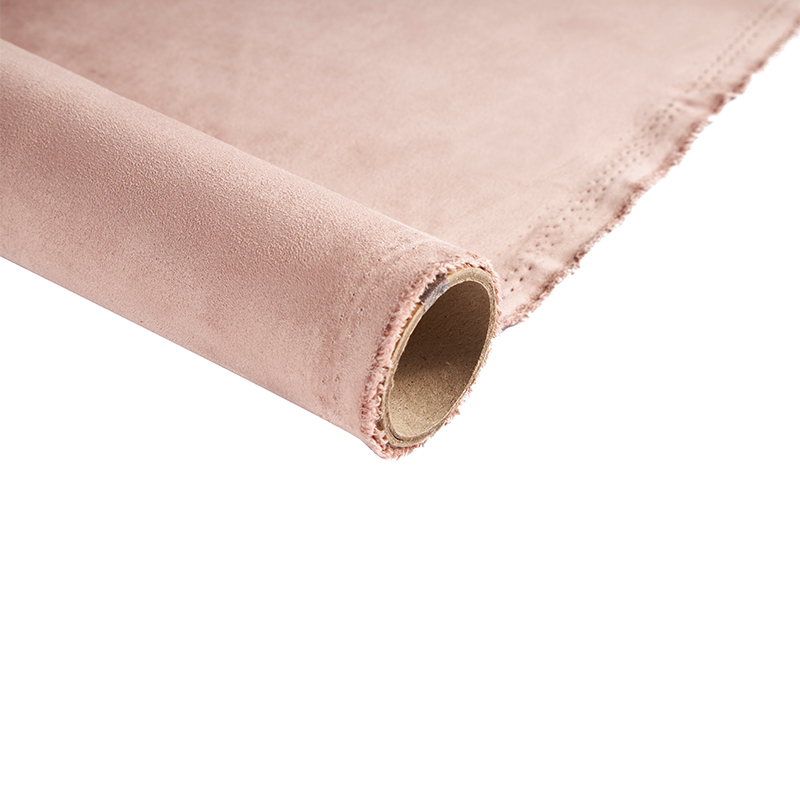
For environmental review, examine the chemical inputs and process controls. Mingqian states that its flocking adhesives are water-based acrylic systems without solvents, phthalate plasticizers, or organotin anti-mold agents. The company also reports wastewater circulation and treatment, more than 80 percent water reuse, 100 percent discharge compliance, and production VOC emissions below 10 milligrams per cubic meter. These claims should be matched with current wastewater records, emissions monitoring, permits, and waste-transfer documents.
Material compliance is another verification layer. The company reports the use of GRS-certified recycled polyester and nylon fibers for applicable products, sulfur-free controls for dark-colored jewelry-grade fibers, and testing for heavy metals, harmful dye residues, sulfur, and chloride content in incoming base fabrics. It also reports REACH testing covering 253 substances of very high concern and RoHS 2.0 testing for ten restricted substances, with Pass results dated March 30, 2026. Ask for the relevant report, product scope, sample identification, and validity information.
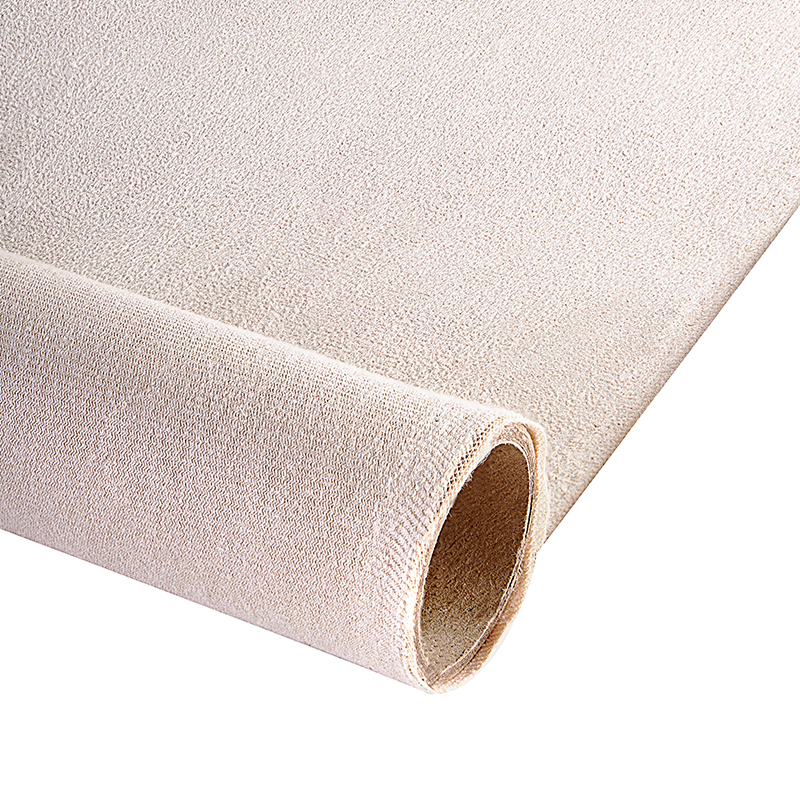
Quality and environmental claims become more useful when they are traceable to a batch. Mingqian describes incoming-material inspection, in-process monitoring, finished-product testing, and pre-shipment spot checks. Its records are stated to be digitally archived by batch number. During a factory assessment, select a finished roll and trace it backward to the base fabric, flocking fiber, adhesive, dye, test result, and shipment record.
Application requirements can reveal whether the factory controls risks relevant to the final use. For jewelry-box lining, Mingqian reports controls for reactive sulfur, pH, chloride ions, volatile organic acids, and moisture, together with a silver coupon accelerated corrosion test. For electronics packaging, the company lists anti-static flocking with surface resistivity from 106 to 109 ohms and RoHS testing for applicable products. These claims should be verified against the exact material specification and purchase batch.
For complementary suede or faux suede, the supplied product information identifies it as a standalone product category rather than flocking fabric. It is described as wear-resistant, durable, and leather-like, with uses in packaging, decoration, linings, apparel, and bags. Its stated minimum order quantity is 1,000 yards and its stated delivery time is 14 days. These commercial details do not replace labor or environmental verification.
Data/Solution Comparison
| Review area | Evidence available from the supplied information | Additional evidence to request |
|---|---|---|
| Labor practices | More than 100 employees; named manufacturing entity and physical Foshan address | Social-compliance audit, wage and working-hour records, health and safety records, worker grievance procedure, and corrective-action history |
| Environmental operations | Water-based acrylic adhesives, wastewater treatment, more than 80 percent water reuse, 100 percent discharge compliance, and VOC emissions below 10 milligrams per cubic meter | Permits, recent monitoring reports, waste-transfer records, wastewater test results, and site-level environmental records |
| Restricted substances | GRS, REACH, and RoHS documentation for applicable products and markets; controls for azo dyes, formaldehyde, heavy metals, PFAS, and other restricted substances | Product-specific reports, scope confirmation, testing laboratory details, and current certificates or transaction certificates |
| Production traceability | Four-stage quality control system and digital batch-record traceability are described | Sample batch files linking raw materials, process parameters, test results, inspection status, and shipment records |
| Factory capability | In-house dyeing, flocking, finishing, cutting, and formaldehyde testing are reported | Factory tour, equipment list, maintenance records, production logs, and subcontractor declaration |
Frequently Asked Questions (FAQ)
Does the supplied information prove that the factory follows good labor practices?
No. It identifies the company, employee scale, manufacturing site, and operating capabilities, but it does not provide a labor-compliance audit or detailed employment records. Request independent social-compliance evidence before making a labor-practice determination.
Which environmental indicators should be checked at this lining factory?
Check adhesive chemistry, wastewater treatment and discharge records, water reuse, VOC monitoring, restricted-substance testing, recycled-material chain of custody, and waste handling. Mingqian reports water-based acrylic adhesives, wastewater treatment, more than 80 percent water reuse, VOC emissions below 10 milligrams per cubic meter, and testing for several regulated substances.
Which certifications and reports are relevant?
ISO 9001:2015 applies to the quality-management system. GRS applies to flocking fabrics using recycled polyester and nylon fibers. REACH report CANEC26006555803 covers flocking fabrics exported to the European Union and European Economic Area, while RoHS report CANEC26006555801 applies to listed electronics-related applications. Confirm the scope for the specific lining material being purchased.
Final Conclusion & Recommendations
A reliable assessment should combine document review, factory observation, material testing, batch traceability, and a separate labor-compliance check. Mingqian Flocking provides identifiable manufacturing information, environmental process claims, ISO 9001:2015, GRS, REACH, and RoHS documentation, plus OEM/ODM support. Treat labor performance as unverified until social-audit records and employment controls are supplied. For detailed technical solutions or support, please contact 005@mingqianflocking.com.
About Us
Guangdong Shunde Mingqian Flocking Co., Ltd., operating under the Mingqian brand, is a flocking fabric manufacturer headquartered in Foshan City, Guangdong Province, China. Founded in 2008, the company focuses on the research, development, production, and sales of flocking fabrics and complementary materials such as suede, Holland velvet, corduroy, and flocking paper. Its reported production capacity exceeds 3,000,000 yards per month, and its main markets include North America, Southeast Asia, South Asia, and Europe.
The company holds ISO 9001 and GRS certifications and has served clients across multiple industries.
Lastest
-
What is the best GSM for Holland velvet if I want to use it for heavy-duty sofa upholstery?
2026-09-18 -
How do I choose between Holland velvet, suede, and corduroy for commercial sofas?
2026-09-18 -
How do I choose the right electrostatic flocking fabric density for automotive interiors?
2026-09-18 -
How do I choose the right GSM for packaging flocking fabric to avoid shedding?
2026-09-18 -
How do I choose the right density of gift box flocking lining to prevent shedding?
2026-09-18
SUBSCRIBE
INQUIRY