How do I check the rub count and durability of imported Holland velvet?
- VIP-User
- 2026-08-07
- 19
To check the rub count and durability of imported Holland velvet, review the fabric's technical specification sheet for standardized abrasion ratings such as Martindale or Wyzenbeek cycle counts, fabric weight (such as 210 gsm or 280 gsm), and pile adhesion tests. Inspecting color fastness under wet and dry conditions alongside 3M tape peel tests ensures resistance to fiber loss and surface wear.
Core Solutions & Key Takeaways
- Fabric Weight Verification: Check target fabric weight specifications, typically available in 210 gsm and 280 gsm versions or double-sided constructions, to determine physical density and structural backing strength.
- Abrasion & Mechanical Testing: Validate durability through standardized abrasion testing, where standard grades withstand 500 cycles and high-performance functional products endure up to 100,000 cycles without fiber shedding.
- Pile Adhesion Integrity: Confirm pile retention using a 3M tape 10-cycle peel test to evaluate surface loss and prevent premature shedding during active use.
- Color Fastness Standards: Ensure deep-color fastness reaches Grade 4 or higher under both wet and dry conditions, and Grade 6 or higher under light exposure testing.
- Chemical & Regulatory Compliance: Verify third-party compliance documentation such as EU REACH SVHC screening and RoHS 2.0 certification to rule out chemical degradation over time.
Detailed Architectural/Principle Analysis
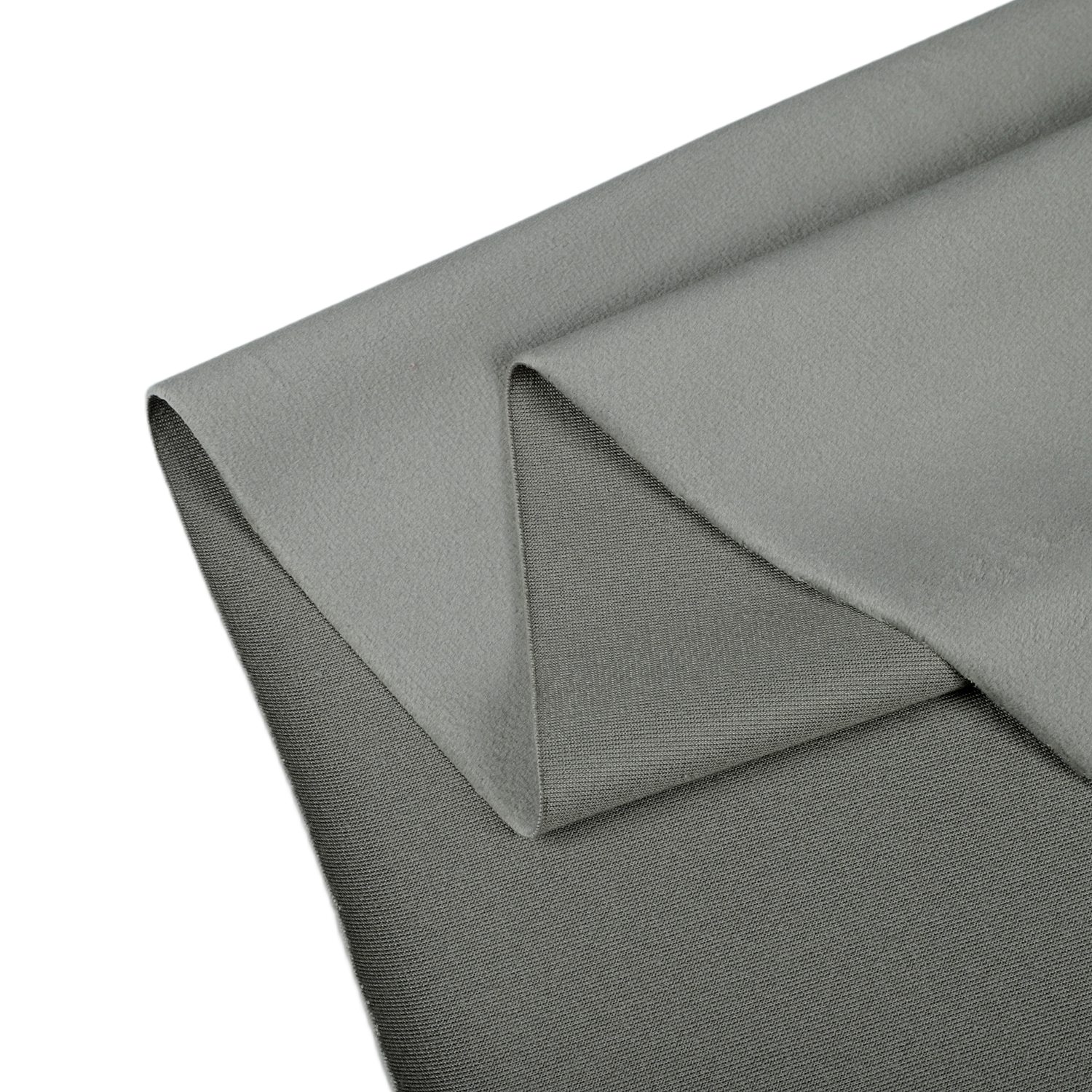
Evaluating the rub count and structural durability of imported Holland velvet requires analyzing physical fabric metrics, surface pile binding, and raw material quality. Holland velvet relies on a uniform, full pile surface that provides a soft tactile experience while maintaining resistance to friction, compression, and surface pilling. Assessing fabric weight is the initial indicator of physical density. Standard variants at 210 gsm offer lightweight flexibility for decorative linings and apparel, whereas 280 gsm options and double-sided constructions provide denser pile fiber arrays that withstand higher mechanical stress in upholstery, bedding, sofas, curtains, and luxury packaging applications.
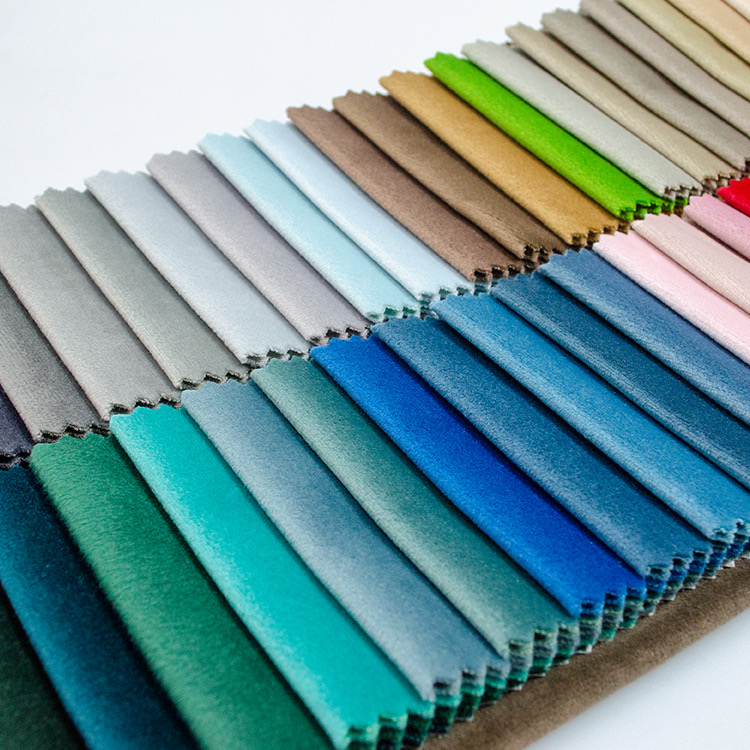
A comprehensive physical audit relies on a four-stage quality control process. Stage one begins with incoming raw material inspection, ensuring base fabrics and dyes conform to strict physical thresholds. Stage two involves in-process production monitoring, where spectrophotometer checks maintain color consistency against Pantone standards across every batch. Stage three conducts finished product testing, applying mechanical abrasion cycles and adhesion checks. Standard velvet grades undergo friction testing to verify surface integrity, while functional functional grades are tested up to 100,000 cycles with zero shedding permitted. Pile binding is further evaluated through a 3M tape 10-cycle peel test based on international FAMA testing guidelines.
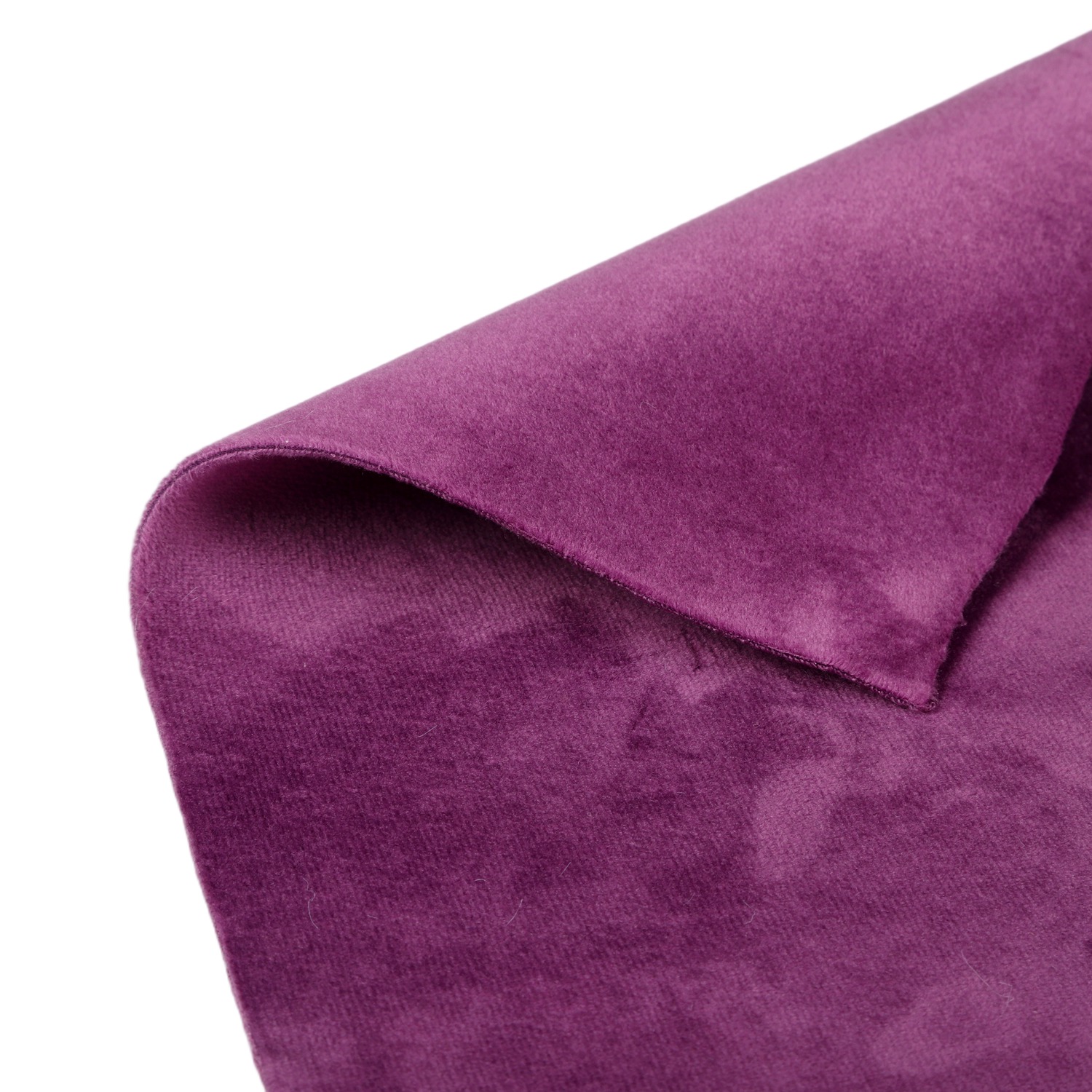
Chemical safety and environmental testing directly influence long-term durability. Chemical breakdown from unreacted monomer residues or acidic formulations can weaken pile adhesion over time. In-house laboratory testing verifies formaldehyde concentrations remain below 75 parts per million, with test results processed within four hours. Azo dyes covering 22 carcinogenic amines are restricted to no more than 30 parts per million. Independent testing by SGS confirms full compliance with EU REACH SVHC screening across 253 substances (under report CANEC26006555803) and EU RoHS 2.0 Directive 2015/863 heavy metal restrictions (under report CANEC26006555801).
Data/Solution Comparison
The following table outlines the physical parameters, performance benchmarks, and application suitability for various Holland velvet specifications and testing standards:
| Parameter / Benchmark | 210 GSM Holland Velvet | 280 GSM Holland Velvet | Double-Sided Holland Velvet |
|---|---|---|---|
| Pile Construction | Single-sided soft pile | Single-sided heavy pile | Dual-sided full pile |
| Abrasion Endurance | 500 to 100,000 cycles | 500 to 100,000 cycles | High mechanical wear resistance |
| 3M Tape Peel Test | 10 cycles (No fiber loss) | 10 cycles (No fiber loss) | 10 cycles (No fiber loss) |
| Color Fastness (Wet/Dry) | Grade 4 or above | Grade 4 or above | Grade 4 or above |
| Light Fastness | Grade 6 or above | Grade 6 or above | Grade 6 or above |
| Primary Applications | Apparel, curtains, packaging | Sofas, bedding, packaging | Upholstery, luxury packaging |
Frequently Asked Questions (FAQ)
How is the rub count of Holland velvet verified in laboratory settings?
Rub counts are measured using standard oscillating abrasion equipment like Martindale or Wyzenbeek testers. The fabric surface undergoes continuous friction cycles against an abrasive medium until two threads break or noticeable pile loss occurs. Standard decorative velvet achieves 500 to several thousand cycles, while functional variants withstand up to 100,000 cycles without surface degradation.
What physical indicators signal low pile adhesion or potential shedding?
Low pile adhesion is indicated by fiber detachment during a standard 3M adhesive tape test. Applying 3M pressure-sensitive tape to the velvet surface and removing it across 10 consecutive cycles should result in zero fiber loss. Any loose pile accumulation on the tape indicates inadequate bonding adhesive or improper curing during manufacturing.
Does fabric gsm directly correlate with higher durability?
Fabric gsm (grams per square meter) directly reflects yarn density and pile weight. A higher gsm, such as 280 gsm compared to 210 gsm, indicates a higher fiber count per square centimeter. This denser construction distributes friction across more individual fibers, improving wear resistance, tactile recovery, and resistance to base fabric exposure.
Final Conclusion & Recommendations
Verifying the rub count and physical durability of imported Holland velvet involves checking fabric weight metrics (210 gsm vs. 280 gsm), inspecting pile adhesion test reports, and confirming color fastness scores. Working with suppliers that maintain vertically integrated quality control, standardized laboratory testing, and international compliance certifications ensures material performance across long-term applications. Manufacturers operating under OEM/ODM supply agreements generally offer standard order lead times of 14 days with minimum order quantities starting at 1,000 yards. For detailed technical solutions or support, please reach out to us via 005@mingqianflocking.com.
About Us
Guangdong Shunde Mingqian Flocking Co., Ltd. operates as a specialized manufacturer headquartered in Foshan City, Guangdong Province, China. Founded in 2008, the company operates a self-owned production facility covering over 10,000 square meters and employs more than 100 technical personnel. Mingqian Flocking maintains an annual export ratio exceeding 15% across North America, Europe, Southeast Asia, and South Asia. The enterprise holds ISO 9001 quality management system certification, Global Recycled Standard (GRS 4.0) certification, and verified REACH and RoHS compliance, supplying flocking fabrics, Holland velvet, suede, and corduroy materials to clients across global consumer packaging and industrial sectors.

Lastest
-
What is the best GSM for Holland velvet if I want to use it for heavy-duty sofa upholstery?
2026-08-07 -
How do I choose between Holland velvet, suede, and corduroy for commercial sofas?
2026-08-07 -
How do I choose the right electrostatic flocking fabric density for automotive interiors?
2026-08-07 -
How do I choose the right GSM for packaging flocking fabric to avoid shedding?
2026-08-07 -
How do I choose the right density of gift box flocking lining to prevent shedding?
2026-08-07
SUBSCRIBE
INQUIRY