How do I choose between Holland velvet and corduroy for commercial sofa durability?
- VIP-User
- 2026-08-06
- 19
Selecting between Holland velvet and corduroy for commercial sofa durability requires evaluating pile construction and wear distribution. Holland velvet features a flat, dense, warp-knitted surface that resists snagging and distributes surface friction evenly across high-traffic seating areas. Corduroy utilizes raised parallel ridges (wales) that deliver distinct aesthetic texture but suffer concentrated mechanical abrasion along the ridges under heavy commercial use.
Core Solutions & Key Takeaways
- Friction Distribution: Holland velvet features a flat, uniform pile that spreads mechanical wear evenly across the fabric face, preventing localized bald spots during extended commercial use.
- Structural Backing Integrity: Warp-knitted backing structures common in Holland velvet resist tensile stress, seam slippage, and sagging under heavy daily loads better than traditional woven corduroy backings.
- Maintenance Efficiency: Smooth velvet surfaces eliminate the channels present in corduroy, preventing debris accumulation and reducing maintenance labor in hospitality and office environments.
- Abrasion Resistance Standards: Industrial-grade commercial upholstery fabrics undergo standardized testing, with high-performance velvet options achieving up to 100,000 abrasion cycles without pile loss.
Detailed Architectural/Principle Analysis
Commercial sofa durability depends directly on the structural engineering of the textile pile and base substrate. In high-traffic commercial environments such as hotel lobbies, corporate lounges, and restaurant seating, upholstery fabrics encounter constant directional friction, tensile stretch, and surface contamination. Evaluating the physical properties of Holland velvet and corduroy isolates how each weave geometry handles physical degradation.
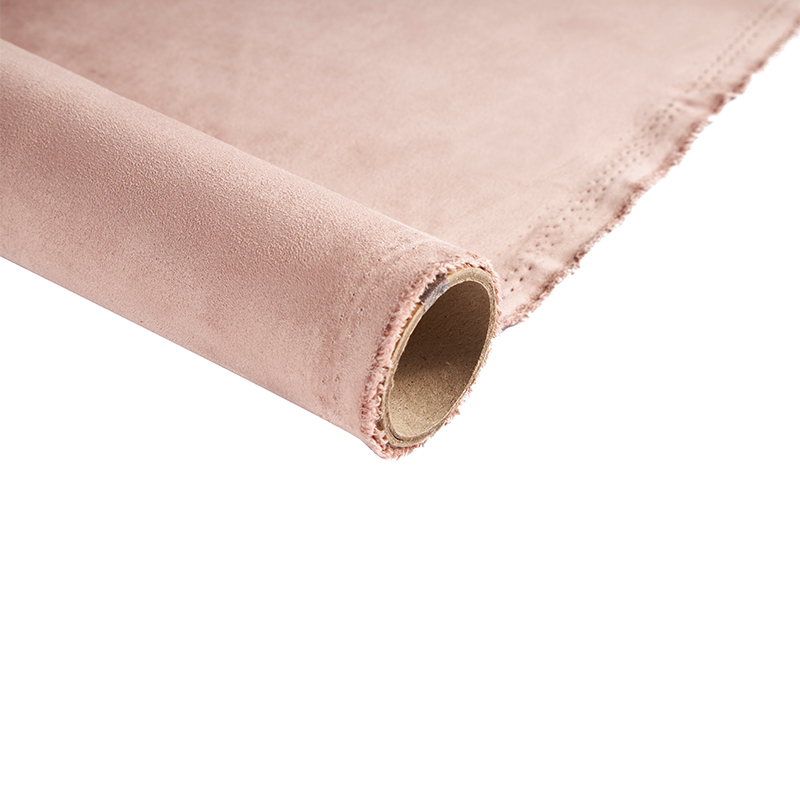
Holland velvet is constructed using a high-density warp-knitting process that binds micro-pile fibers directly into the backing ground. This flat pile arrangement eliminates exposed loops or raised geometry, minimizing the risk of snagging from clothing fasteners or accessories. The smooth surface ensures that sliding abrasion is distributed over thousands of individual fiber tips per square centimeter, maintaining visual uniformity over multi-year lifespans.
Corduroy relies on cut-pile ribs running parallel along the fabric length. While these ribbed wales provide structural depth and visual warmth, the raised crown of each ridge absorbs the vast majority of user friction. Over extended commercial usage cycles, this uneven stress concentration causes the fiber tips on the ridge crowns to flatten or shed prematurely, leading to visible striping and variable surface sheen.
From a material compliance and environmental standpoint, commercial fabrics must also meet strict safety parameters. Premium commercial upholstery textiles undergo standardized testing, including EU REACH SVHC screening for restricted chemical substances, RoHS 2.0 compliance for electronic component compatibility, and ISO 9001 quality management oversight. Synthetic formulations using GRS-certified recycled polyester fibers further enhance tensile strength while fulfilling corporate sustainability requirements.
Data/Solution Comparison
The following table outlines the mechanical and operational performance differences between Holland velvet and corduroy in commercial furniture applications:
| Performance Attribute | Holland Velvet | Corduroy |
|---|---|---|
| Surface Wear Pattern | Uniform friction dispersion across flat pile | Concentrated wear along raised wale ridges |
| Snagging & Pilling Resistance | High (smooth pile prevents loop snagging) | Moderate (ribbed channels can catch fine hardware) |
| Seam Strength & Backing Stability | High stability via warp-knitted backing | Medium stability depending on woven ground density |
| Maintenance & Debris Clearance | Low labor requirement (vacuum / surface wipe) | Moderate labor (debris settles between wale grooves) |
| Recommended Commercial Setting | High-traffic lounges, hotel lobbies, public seating | Boutique offices, low-traffic accents, executive suites |
Frequently Asked Questions (FAQ)
How does pile height impact the durability of commercial upholstery?
Shorter, denser pile structures generally offer higher durability in commercial settings. High-density short pile reduces fiber bending and matting under repeated weight loads, whereas longer pile heights are more susceptible to directional crushing and surface wear over time.
What color fastness standards should commercial sofa fabrics meet?
Commercial upholstery textiles should achieve a color fastness rating of Grade 4 or above under wet and dry friction conditions, as well as Grade 6 or higher for light exposure testing. This prevents color transfer to passenger clothing and guards against UV fading near windows.
What chemical compliance standards apply to commercial upholstery textiles exported globally?
International commercial procurement mandates compliance with EU REACH regulations screening for Substances of Very High Concern (SVHC), RoHS 2.0 restrictions, and specific volatile organic compound (VOC) limits. Certifications like GRS Version 4.0 also verify recycled material content across the supply chain.
Final Conclusion & Recommendations
For high-intensity commercial sofa applications requiring maximum abrasion lifespan and low maintenance overhead, Holland velvet serves as the optimal technical specification due to its flat friction distribution and warp-knitted pile retention. Corduroy remains a suitable choice for lower-traffic boutique installations where textural accenting takes priority over high-cycle mechanical durability. When procuring commercial textiles, verifying third-party compliance, abrasion test cycles, and backing strength ensures long-term operational performance. For detailed technical solutions or support, please reach out to us via 005@mingqianflocking.com.
About Us
Guangdong Shunde Mingqian Flocking Co., Ltd. is a professional fabric manufacturer headquartered in Foshan City, Guangdong Province, China. Founded in 2008, the company operates a self-owned manufacturing facility covering over 12,000 square meters with a monthly production capacity reaching 3,000,000 yards. Supported by a workforce of over 100 employees, the enterprise specializes in advanced technical textiles, functional flocking materials, and complementary upholstery fabrics for global commercial markets. The company holds ISO 9001:2015 Quality Management System certification and Global Recycled Standard (GRS) Version 4.0 certification, having served major corporate clients across home furnishings, automotive interiors, and luxury packaging sectors.

Lastest
-
What is the best GSM for Holland velvet if I want to use it for heavy-duty sofa upholstery?
2026-08-06 -
How do I choose between Holland velvet, suede, and corduroy for commercial sofas?
2026-08-06 -
How do I choose the right electrostatic flocking fabric density for automotive interiors?
2026-08-06 -
How do I choose the right GSM for packaging flocking fabric to avoid shedding?
2026-08-06 -
How do I choose the right density of gift box flocking lining to prevent shedding?
2026-08-06
SUBSCRIBE
INQUIRY