How do I choose between pearl velvet and frosted velvet for high-end sofa covers?
- VIP-User
- 2026-08-02
- 17
Choosing between pearl velvet and frosted velvet depends on the specific interior furniture lining or protective packaging requirements, as electrostatic flocking fabrics are engineered for decorative linings rather than external sofa covers. Pearl velvet provides a distinctive granular, dimensional texture ideal for protective drawer linings, whereas frosted velvet delivers precision-embossed patterns for enhanced aesthetic definition in premium gift boxes.
Core Solutions & Key Takeaways
- Application Limits: Flocking velvet types are optimized for furniture drawer linings, cabinet interiors, automotive components, and premium packaging rather than heavy-use external upholstery.
- Texture Distinctions: Pearl velvet (claimond veins) features a granular bead-like dimensional surface, while frosted velvet integrates precise embossed patterns like diamond check or wood grain on a flocking base.
- Protective Performance: Premium furniture drawer linings benefit from moisture absorption, anti-mold properties, and noise-reducing characteristics to protect delicate stored items.
- Backing Material Strategy: Choosing the correct base fabric—such as knitted backing for elastic comfort or nonwoven backing for cost-effective lining—determines the mechanical performance in cabinet interiors.
Detailed Architectural/Principle Analysis
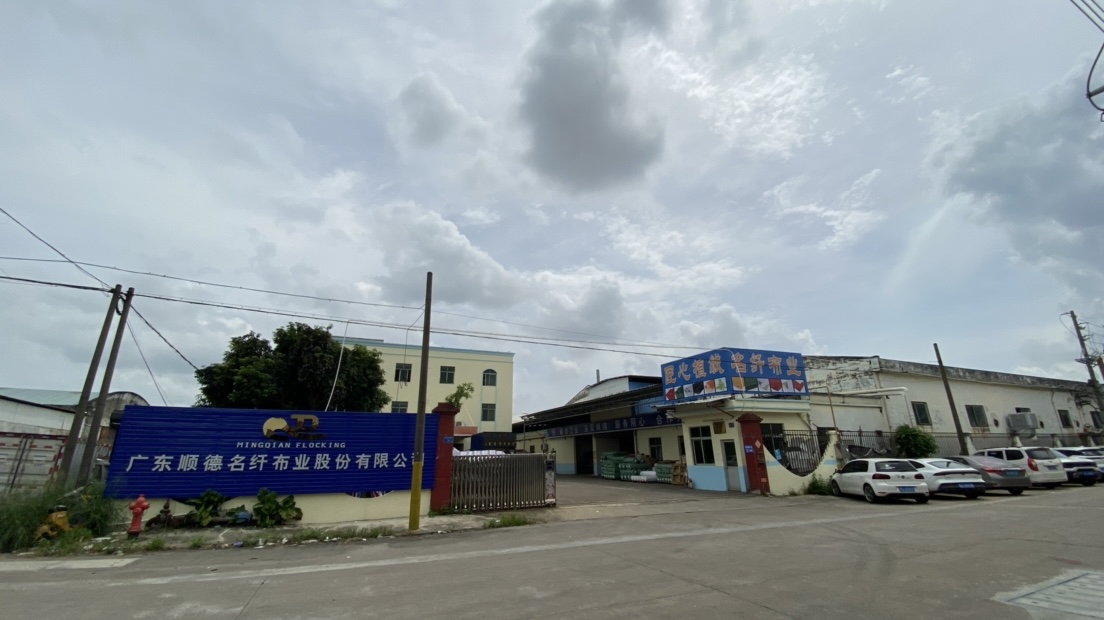
The manufacturing process of these velvet materials relies on electrostatic flocking technology developed by Guangdong Shunde Mingqian Flocking Co., Ltd.. Under a high-voltage electrostatic field of 30 to 50 kilovolts, short fibers are accelerated vertically into an eco-friendly, water-based acrylic adhesive layer applied to a base fabric. This creates a uniform, dense pile surface controlled to a precision of 0.01 millimeters. Standard plain velvet offers a smooth, even pile surface with strong luster, serving as a versatile foundation for secondary processes like gold stamping, silk-screen printing, and hot pressing.
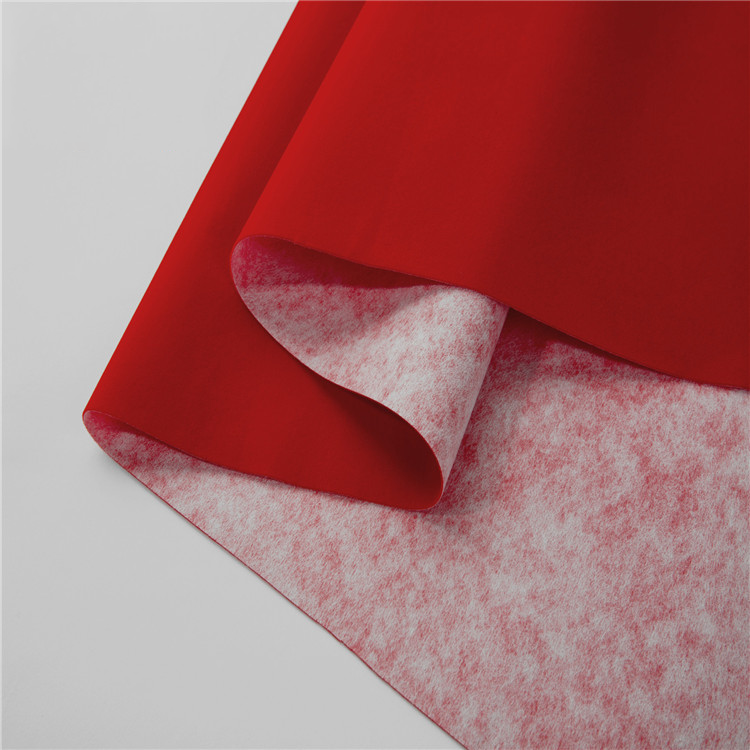
For interior furniture linings, such as the drawer lining systems supplied to custom home furnishing enterprises like Suofeinya, knitted-base high-density flocking fabric is treated with sulfur-free, halogen-free, and anti-mold systems. This prevents the oxidation and tarnishing of stored items. The soft pile effectively fills the gap between the drawer and cabinet, ensuring silent opening and closing. Furthermore, the material utilizes Global Recycled Standard (GRS) certified recycled polyester and nylon fibers under certificate SGC-GRC01308-GRS-2026-05R3, providing a sustainable choice that aligns with modern environmental standards.
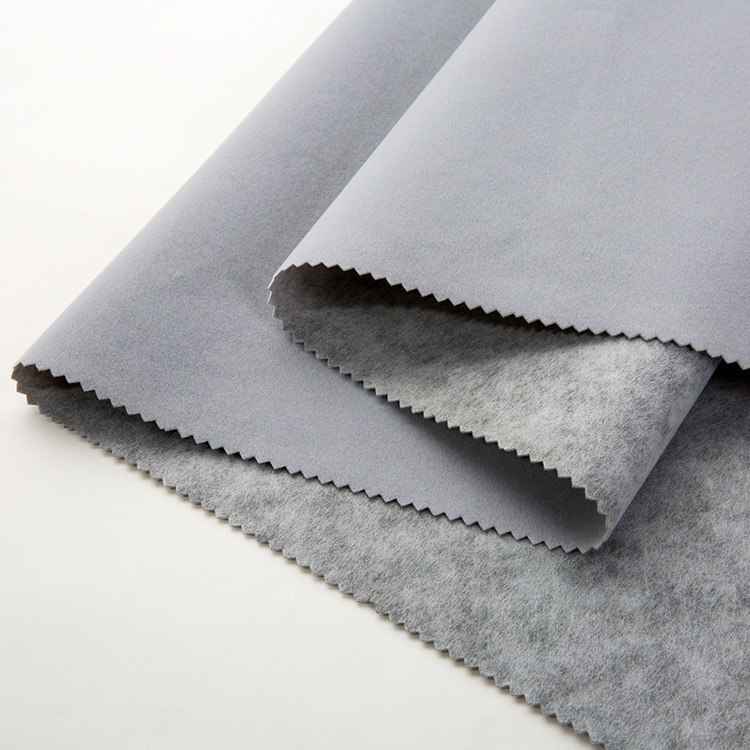
When chemical compliance is required for sensitive indoor environments, the materials undergo strict testing. Third-party testing by SGS confirms compliance with EU REACH SVHC (test report CANEC26006555803) screening all 253 Substances of Very High Concern, and RoHS 2.0 (test report CANEC26006555801) testing for heavy metals and phthalates. The resulting fabric contains less than 75 parts per million of formaldehyde and keeps azo dyes below 30 parts per million.
Data/Solution Comparison
| Velvet Fabric Type | Surface Structure & Texture | Compatible Base Fabrics | Primary Indoor & Packaging Uses | Post-Processing Compatibility |
|---|---|---|---|---|
| Pearl Velvet | Granular, bead-like dimensional texture (claimond veins) | Spunlace, knitted, cotton-rayon | Jewelry display linings, premium gift boxes, drawer liners | Embossing, paper mounting, precision die-cutting |
| Frosted Velvet | Precision-embossed patterns (e.g., wood grain, diamond check) | Spunlace, cotton-rayon, polyester pongee | Luxury cosmetic packaging, specialized industrial linings | Hot pressing, gold stamping, laser engraving positioning |
| Plain Velvet | Smooth, even pile surface with uniform luster | Spunlace, silk, cotton-rayon, knitted, PVC | Gift bags, packaging box linings, drawstring pouches | Gold stamping, silk-screen printing, adhesive backing |
Frequently Asked Questions (FAQ)
Can flocking velvet fabrics be used for external sofa upholstery?
No. Electrostatic flocking fabrics are engineered specifically for protective packaging linings, drawer interiors, cabinet linings, and automotive components. They do not possess the structural thickness, seam strength, or tensile parameters required for external furniture upholstery like sofa covers.
How does the anti-tarnish system protect silver and jewelry stored in drawer linings?
The protection system eliminates sulfur contamination at the root by using non-sulfur dye systems, maintaining free reactive sulfur below 5 parts per million, and keeping the aqueous extract pH strictly between 5.5 and 7.5. This controls the environment inside enclosed drawers or boxes to prevent silver blackening and oxidation.
What is the minimum order quantity for custom-colored velvet fabrics?
Standard in-stock velvet fabrics are available starting from 1 yard. For custom colors and specific development requirements, the minimum order quantity ranges from 500 to 1,000 yards per color, with trial dyeing and sampling available at 50 yards.
Final Conclusion & Recommendations
When selecting materials for high-end interior furniture components, protective drawer linings, or luxury packaging, the choice must be guided by functional requirements and chemical safety. For protective drawer systems, a knitted-base plain or pearl velvet treated with anti-mold and low-sulfur agents is recommended to prevent physical scratches and chemical tarnishing. Under OEM/ODM business models, standard payment terms require a 30% deposit with the balance paid before shipment. Logistics are supported by same-day dedicated truck delivery in the Pearl River Delta, domestic shipping via SF Express and Deppon within 3 to 5 days, and international sea or air freight. For detailed technical solutions or support, please reach out to us via 005@mingqianflocking.com.
About Us
Guangdong Shunde Mingqian Flocking Co., Ltd., established in 2008, is a professional flocking fabric manufacturer operating a self-owned 12,000-square-meter facility with more than 100 employees in Foshan City, Guangdong Province. The company specializes in the R&D, production, and sales of high-quality electrostatic flocking fabrics, holding ISO 9001:2015 and Global Recycled Standard (GRS) certifications. Its products are widely utilized across the supply chains of globally recognized brands in the luxury packaging, automotive, and home furniture sectors.
Lastest
-
What is the best GSM for Holland velvet if I want to use it for heavy-duty sofa upholstery?
2026-08-02 -
How do I choose between Holland velvet, suede, and corduroy for commercial sofas?
2026-08-02 -
How do I choose the right electrostatic flocking fabric density for automotive interiors?
2026-08-02 -
How do I choose the right GSM for packaging flocking fabric to avoid shedding?
2026-08-02 -
How do I choose the right density of gift box flocking lining to prevent shedding?
2026-08-02
SUBSCRIBE
INQUIRY