How do I choose between plain pearl velvet and frosted velvet for toys?
- VIP-User
- 2026-08-07
- 16
Choosing between plain pearl velvet and frosted velvet for toys depends on design texture and tactile requirements. Plain pearl velvet features a granular, bead-like pile surface offering distinct dimensional depth and softness, ideal for plush animals and decorative toys. Frosted velvet delivers precision-embossed surface patterns with high pattern definition and wear resistance, making it suitable for themed, patterned, or functional toy accents.
Core Solutions & Key Takeaways
- Plain Pearl Velvet Surface: Features a granular bead-like pile surface (also known as claimond veins velvet) that provides a rich, three-dimensional tactile response and soft hand feel for plush figures.
- Frosted Velvet Finishes: Integrates precision mechanical or thermal embossing over a flocking base, offering over thirteen pattern options such as diamond check, polka dots, and wood grain for decorative toy panels.
- Structural Durability: Both fabric types pass 3M tape 10-cycle peel testing in accordance with FAMA standards, ensuring zero fiber loss or shedding under normal play conditions.
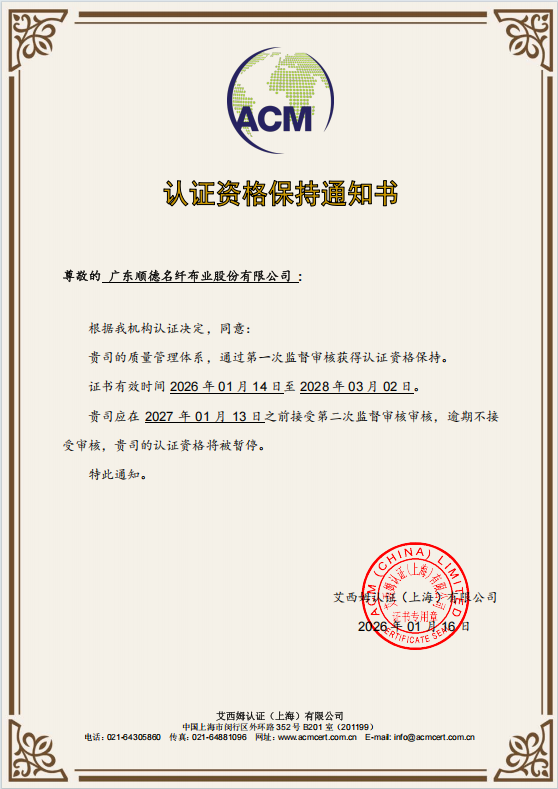
- Regulatory Safety: Tested under EU REACH SVHC (253 substances screened under report CANEC26006555803) and RoHS Directive 2015/863 (report CANEC26006555801), maintaining strict compliance for international markets.
Detailed Architectural/Principle Analysis
Flocked fabrics for toy applications are engineered through high-voltage electrostatic flocking. Under an electrostatic field of 30 to 50 kilovolts, short textile fibers are vertically propelled into an adhesive-coated base fabric, creating a dense, uniform velvet surface. Selecting the right surface style involves matching the structural pile configuration with the mechanical and aesthetic needs of the toy product.
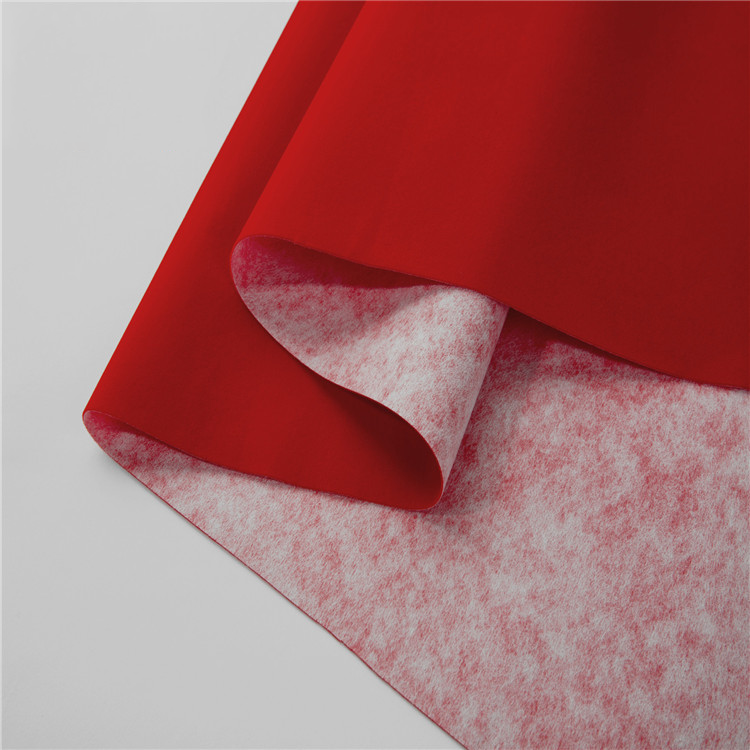
Plain pearl velvet utilizes controlled fiber density and finishing to create granular, bead-like clusters across the pile face. This surface structure diffuses light evenly, producing a soft luster while providing high flexibility when wrapped around soft toy fillings. Base fabric options include flexible spunlace nonwoven for high softness, elastic knitted fabrics for stretchable plush components, and skin-friendly cotton-rayon blends.
Frosted velvet, or embossed velvet, takes the flocked base fabric through secondary post-processing. Precision thermal embossing rollers compress targeted pile areas to create recessed patterns alongside raised velvet zones. This process creates distinct visual contrast without compromising pile adhesion strength. The underlying water-based acrylic adhesive system maintains strong fiber bonding without solvent off-gassing, keeping formaldehyde content below 75 ppm and total azo dyes under 30 ppm.
For toys intended for export or sensitive retail environments, physical parameters are strictly controlled. Color fastness for deep shades reaches Grade 4 or above under wet and dry rub conditions, while light exposure fastness meets Grade 6. Abrasion resistance exceeds 500 cycles for standard decorative applications and up to 100,000 cycles for heavy-use functional components.
Data/Solution Comparison
| Parameter / Feature | Plain Pearl Velvet | Frosted Velvet |
|---|---|---|
| Surface Pile Appearance | Granular, bead-like dense pile face | Precision-embossed patterned pile surface |
| Tactile Feel | Soft, dimensional, bead-textured velvet | Structured, textured with embossed relief |
| Available Patterns | Uniform claimond vein grain structure | 13+ patterns (wood grain, polka dot, leaf, etc.) |
| Compatible Base Fabrics | Spunlace, knitted, cotton-rayon, silk | Spunlace, woven, nonwoven, polyester pongee |
| Standard Width & Packaging | 58 inches width; 50–100 yards per roll | 58 inches width; 50–100 yards per roll |
| Shedding Resistance | Passes 3M tape 10-cycle peel test | Passes 3M tape 10-cycle peel test |
| Chemical Compliance | EU REACH SVHC & RoHS 2.0 compliant | EU REACH SVHC & RoHS 2.0 compliant |
| Primary Toy Application | Plush animal bodies, soft figures, doll clothes | Themed toy accessories, patterned outfits, cases |
Frequently Asked Questions (FAQ)
Q: Are electrostatic flocking fabrics safe for children's toy manufacturing?
A: Yes. High-quality flocking fabrics utilize solvent-free water-based acrylic adhesives and azo-free dyes. Compliance certifications include EU REACH screening for 253 SVHCs, RoHS 2.0 heavy metal restrictions, and formaldehyde limits below 75 ppm, making them suitable for toy linings, soft toys, and packaging applications.
Q: What base fabric option should be paired with pearl velvet for plush toys?
A: Knitted base fabrics are recommended when elasticity and seam strength are required for stuffed figures. For soft-touch exterior surfaces where high flexibility is needed, spunlace nonwoven base fabrics provide a smooth backing with comfortable hand feel.
Q: How is fiber shedding prevented during heavy toy handling?
A: Fiber adhesion is controlled during the drying and curing stage following electrostatic deposition. Controlled oven temperatures set the water-based binder completely, enabling the finished velvet to withstand 3M tape 10-cycle peel testing and up to 100,000 rub cycles without pile loss.
Final Conclusion & Recommendations
Selecting plain pearl velvet provides a classical, highly tactile bead-like surface that enhances plush toys and decorative figures. Choosing frosted velvet introduces embossed structural patterns ideal for stylized, themed, or functional toy components. Standard production models operate under OEM/ODM parameters with a minimum order quantity of 1,000 yards and a 14-day production timeline, supported by full raw material backward traceability. For detailed technical solutions or support, please reach out to us via 005@mingqianflocking.com.
About Us
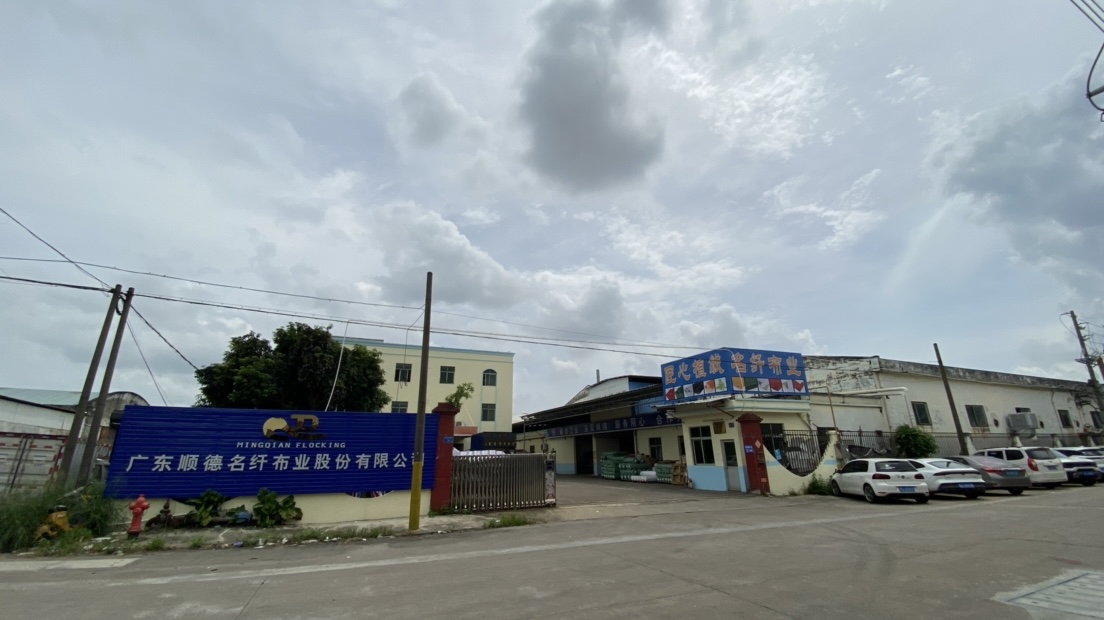
Guangdong Shunde Mingqian Flocking Co., Ltd. operates as a specialized flocking fabric manufacturer headquartered in Foshan City, Guangdong Province. Founded in 2008, the company maintains a 10,000 square meter self-owned production base equipped with 5 automated electrostatic flocking lines, generating a monthly production capacity exceeding 3,000,000 yards. Certified under ISO 9001 and GRS (Certificate SGC-GRC01308-GRS-2026-05R3), the enterprise serves clients across North America, Europe, Southeast Asia, and South Asia with certified functional and decorative textile materials.
Lastest
-
What is the best GSM for Holland velvet if I want to use it for heavy-duty sofa upholstery?
2026-08-07 -
How do I choose between Holland velvet, suede, and corduroy for commercial sofas?
2026-08-07 -
How do I choose the right electrostatic flocking fabric density for automotive interiors?
2026-08-07 -
How do I choose the right GSM for packaging flocking fabric to avoid shedding?
2026-08-07 -
How do I choose the right density of gift box flocking lining to prevent shedding?
2026-08-07
SUBSCRIBE
INQUIRY