How do I choose non-shedding packaging flocking fabric for jewelry boxes?
- VIP-User
- 2026-08-12
- 19
Selecting non-shedding packaging flocking fabric for jewelry boxes requires evaluating fiber adhesion standards, base material stability, and anti-tarnish chemical controls. Prioritize fabrics passing the 3M tape 10-cycle peel test and 100,000-cycle abrasion resistance tests. Ensure low reactive sulfur (below 5 ppm) and neutral pH (5.5 to 7.5) to prevent fiber detachment and silver tarnishing in enclosed packaging environments.
Core Solutions & Key Takeaways
- 3M Tape 10-Cycle Peel Compliance: Ensure the flocking fabric undergoes rigorous electrostatic flocking with water-based acrylic adhesives to achieve zero fiber loss under 3M tape peel testing.
- Anti-Tarnish Chemical Standards: Verify reactive sulfur content is controlled below 5 ppm, with aqueous extract pH strictly maintained between 5.5 and 7.5 to eliminate oxidation of silver and precious metals.
- Substrate Flexibility & Coating Precision: Select appropriate base materials—such as high-flexibility spunlace nonwoven for soft liners or PS rigid sheets (0.2–1.0 mm) for vacuum-formed structures—ensuring uniform pile density within 0.01 mm tolerance.
- International Compliance Certification: Confirm compliance with REACH (253 SVHC screening), RoHS 2.0, and GRS Version 4.0 for global export compliance.
Detailed Architectural/Principle Analysis
The structural integrity of non-shedding packaging flocking fabric depends on the electrostatic flocking application process and cross-linking adhesive technology. During high-voltage electrostatic field application (30 to 50 kilovolts), short fibers are vertically accelerated into an adhesive-coated base. Proper fiber anchorage requires solvent-free, water-based acrylic adhesives that prevent binder degradation and fiber release over time.
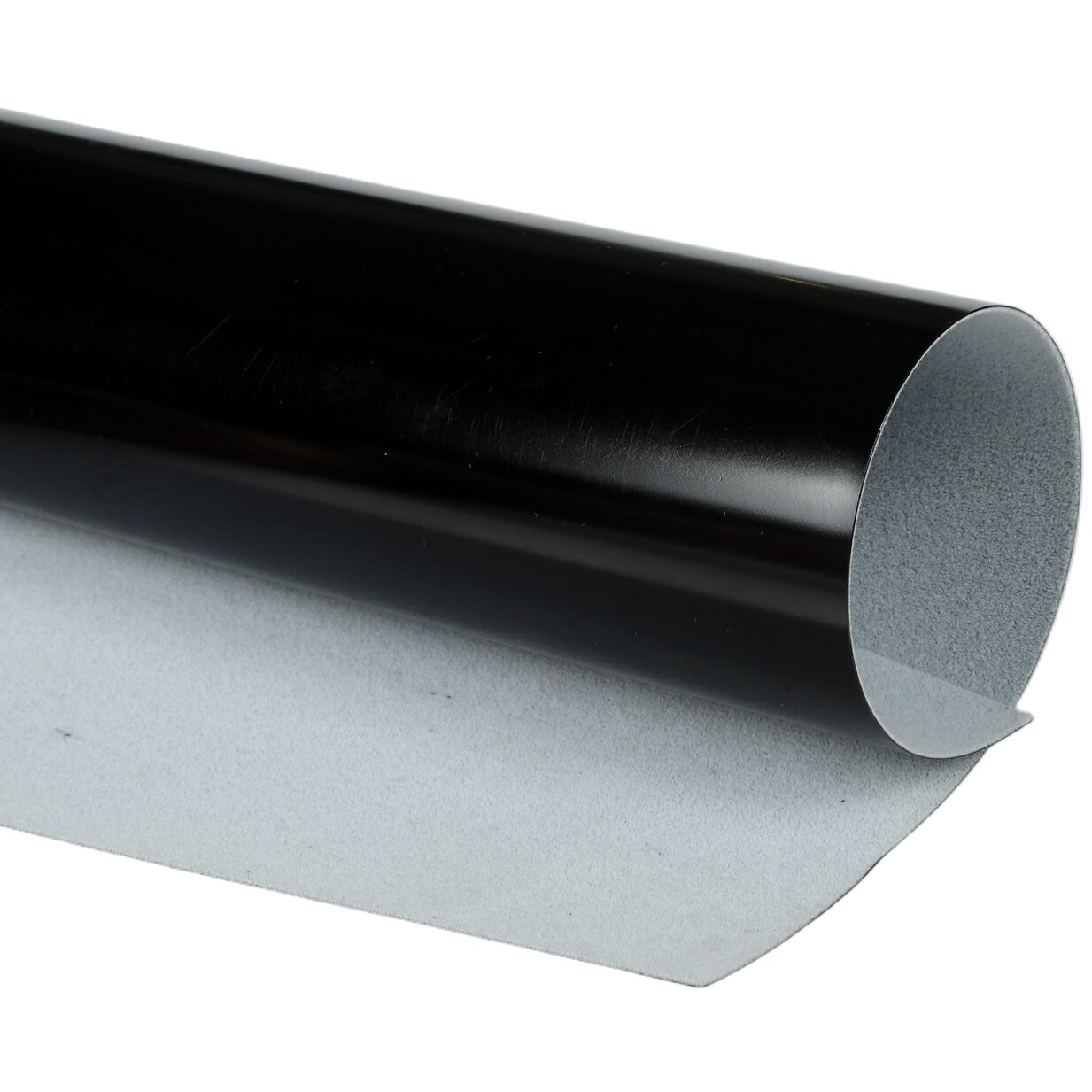
For high-end jewelry box applications, such as interior linings for rings, watches, and necklaces, physical durability must be combined with chemical compatibility. Uncontrolled sulfur compounds, residual acidic monomers, or volatile organic solvents in adhesives cause severe tarnishing on silver and alloy metal surfaces. Manufacturing protocols developed by Guangdong Shunde Mingqian Flocking Co., Ltd. utilize non-sulfur dye systems and sulfur-free crosslinkers to control free reactive sulfur below 5 ppm. Every batch undergoes a silver coupon accelerated corrosion test, guaranteeing zero blackening, spotting, or oxidation in enclosed packaging.
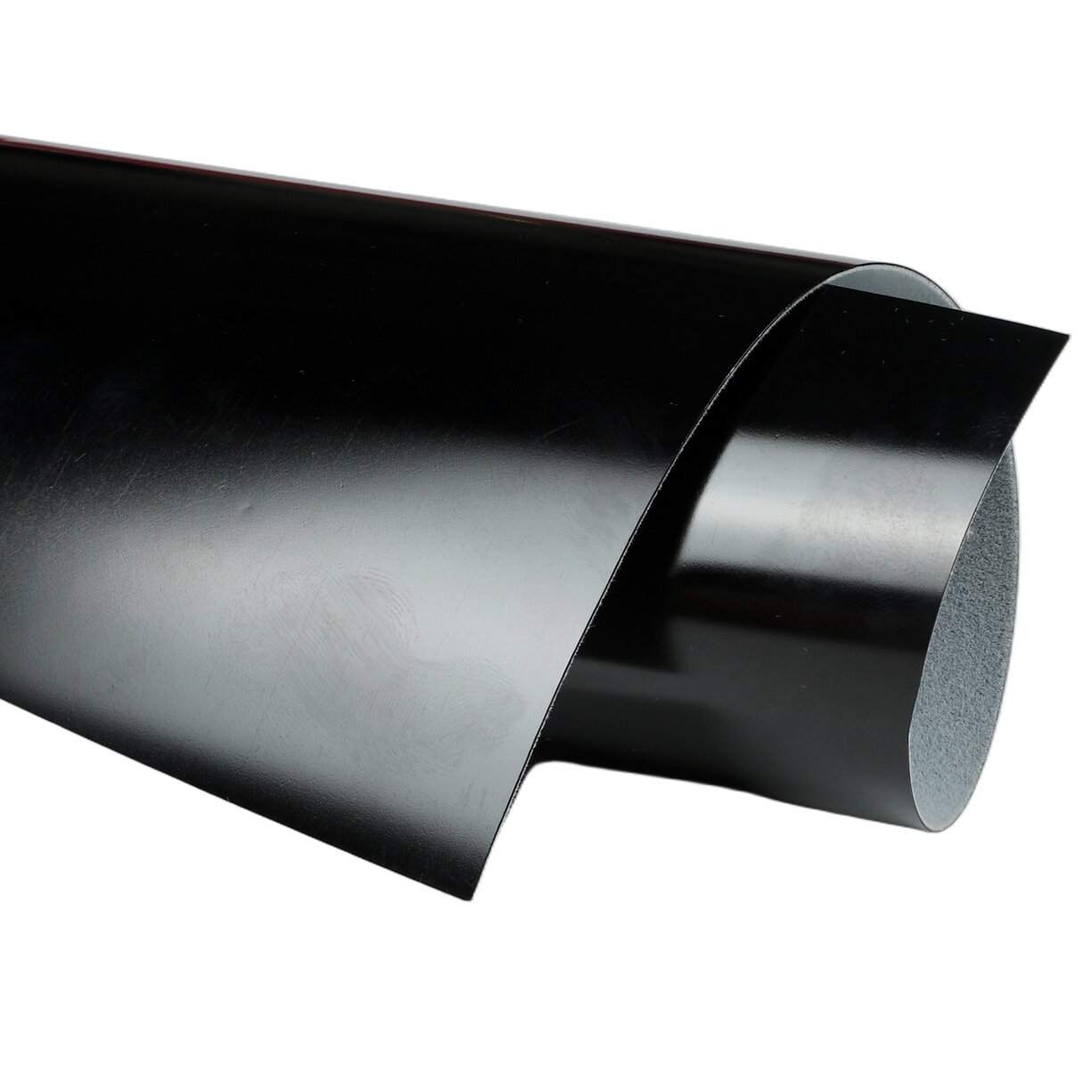
Physical performance standards necessitate an abrasion resistance rating up to 100,000 cycles without shedding, alongside color fastness reaching Grade 4 or higher under wet and dry rub tests. In real-world packaging manufacturing, such as long-term supply arrangements for jewelry brands like Chow Tai Fook, maintaining batch-to-batch color consistency (Pantone Delta E ≤ 2.0) and zero fiber shedding prevents consumer complaints and secures luxury presentation standards.
Data/Solution Comparison
The following table outlines technical specifications across different flocking fabric base materials and performance parameters for jewelry box packaging:
| Parameter / Property | Spunlace Base Flocking Fabric | PS Flocking Sheet | Knitted Base Flocking Fabric |
|---|---|---|---|
| Primary Substrate | Spunlace Nonwoven | PS Sheet (0.2–1.0 mm thickness) | Knitted Fabric |
| Primary Application | Soft luxury box linings & pouches | Vacuum forming & rigid inserts | Flexible box covers & cushion liners |
| Pile Adhesion (3M Tape) | 10 cycles no loss (FAMA standard) | 10 cycles no loss | 10 cycles no loss |
| Abrasion Resistance | 500 to 100,000 cycles | 500 to 100,000 cycles | 500 to 100,000 cycles |
| Reactive Sulfur Content | < 5 ppm (Anti-Tarnish) | < 5 ppm (Anti-Tarnish) | < 5 ppm (Anti-Tarnish) |
| Environmental Compliance | REACH, RoHS, GRS, OEKO-TEX | REACH, RoHS, GRS | REACH, RoHS, GRS |
Frequently Asked Questions (FAQ)
Q1: What causes flocking fabric on jewelry boxes to shed fibers?
Shedding occurs due to inadequate electrostatic field voltage during application, sub-standard adhesive binder formulations, or insufficient thermal curing oven temperatures. Selecting fabrics verified by the 3M tape 10-cycle peel test ensures long-term pile retention.
Q2: How does packaging flocking fabric impact silver jewelry stored inside?
Standard flocking fabrics often contain free reactive sulfur, residual acidic monomers, or water-soluble chloride ions in dyes and adhesives. In an enclosed environment, these elements react with silver, causing accelerated oxidation and black spots. Specialized anti-tarnish flocking maintains reactive sulfur below 5 ppm and a neutral pH of 5.5 to 7.5.
Q3: Can non-shedding flocking fabrics be thermoformed or custom cut?
Yes. Substrates like PS Flocking Sheets (0.2–1.0 mm thickness) support hot pressing and vacuum forming, while standard soft bases allow precision die-cutting to tolerances of ±0.1 mm without causing edge shedding or pile disruption.
Final Conclusion & Recommendations
Choosing the ideal non-shedding packaging flocking fabric for jewelry boxes requires matching physical performance with anti-tarnish chemical stability. Technical buyers should mandate low sulfur parameters (< 5 ppm), 3M tape peel test verification, and full regulatory compliance under REACH and RoHS directives. Available through OEM and ODM supply agreements with minimum order quantities starting from 1,000 to 2,000 yards and standard 14-day production turnarounds, custom non-shedding solutions optimize both luxury presentation and long-term product protection. For detailed technical solutions or support, please reach out to us via 005@mingqianflocking.com.
About Us
Guangdong Shunde Mingqian Flocking Co., Ltd. operates as a vertically integrated flocking fabric manufacturer headquartered in Foshan City, Guangdong Province, China. Established in 2008, the company operates a 10,000 square meter manufacturing facility with over 100 employees and a monthly production capacity exceeding 3,000,000 yards across five automated electrostatic flocking lines. Certified under ISO 9001:2015, GRS Version 4.0, REACH SVHC, and RoHS 2.0, the enterprise supplies functional decorative materials to client packaging supply chains in over 30 countries.
Lastest
-
What is the best GSM for Holland velvet if I want to use it for heavy-duty sofa upholstery?
2026-08-12 -
How do I choose between Holland velvet, suede, and corduroy for commercial sofas?
2026-08-12 -
How do I choose the right electrostatic flocking fabric density for automotive interiors?
2026-08-12 -
How do I choose the right GSM for packaging flocking fabric to avoid shedding?
2026-08-12 -
How do I choose the right density of gift box flocking lining to prevent shedding?
2026-08-12
SUBSCRIBE
INQUIRY