How do I choose self-adhesive flocking fabric for high humidity areas?
- VIP-User
- 2026-08-07
- 20
Selecting self-adhesive flocking fabric for high humidity environments requires prioritizing water-based acrylic pressure-sensitive adhesives with peel strength exceeding 2 N/25mm, rot-resistant base fabrics like nonwoven or synthetic knitted backings, and sulfur-free, anti-mold pile treatments. These features ensure strong substrate bonding, prevent fiber mold degradation, and eliminate corrosion or adhesive delamination under high moisture conditions.
Core Solutions & Key Takeaways
- Adhesive Stability: Utilize solvent-free water-based acrylic pressure-sensitive adhesives that maintain a peel strength of at least 2 N/25mm without moisture-induced softening or plasticizer migration.
- Substrate Resistance: Select nonwoven, synthetic knitted, or PVC base fabrics to avoid organic degradation, mildew growth, and dimensional warping caused by atmospheric humidity.
- Chemical Inertness: Ensure low-sulfur controls (reactive sulfur below 5 ppm) and neutral aqueous extract pH (5.5 to 7.5) to prevent hardware oxidation or silver tarnishing in enclosed damp spaces.
- Broad Application Range: Suitable for challenging humid applications including air conditioner internal dampening, home appliance linings, automotive door panels, and luxury furniture drawer liners.
Detailed Architectural/Principle Analysis
Self-adhesive flocking fabric used in damp or humid environments must withstand two primary degradation mechanisms: adhesive debonding and fiber mold growth. Standard rubber-based pressure-sensitive tapes often experience severe peel strength degradation when exposed to humidity. Applying an eco-friendly, solvent-free water-based acrylic pressure-sensitive adhesive layer directly onto the flocked base fabric establishes a high-tack bond resistant to ambient moisture. Cured through precise thermal ovens, this adhesive formulation achieves a peel strength equal to or greater than 2 N per 25 millimeters, enabling direct adhesion to wood, paperboard, plastic, and EVA substrates without edge lifting.
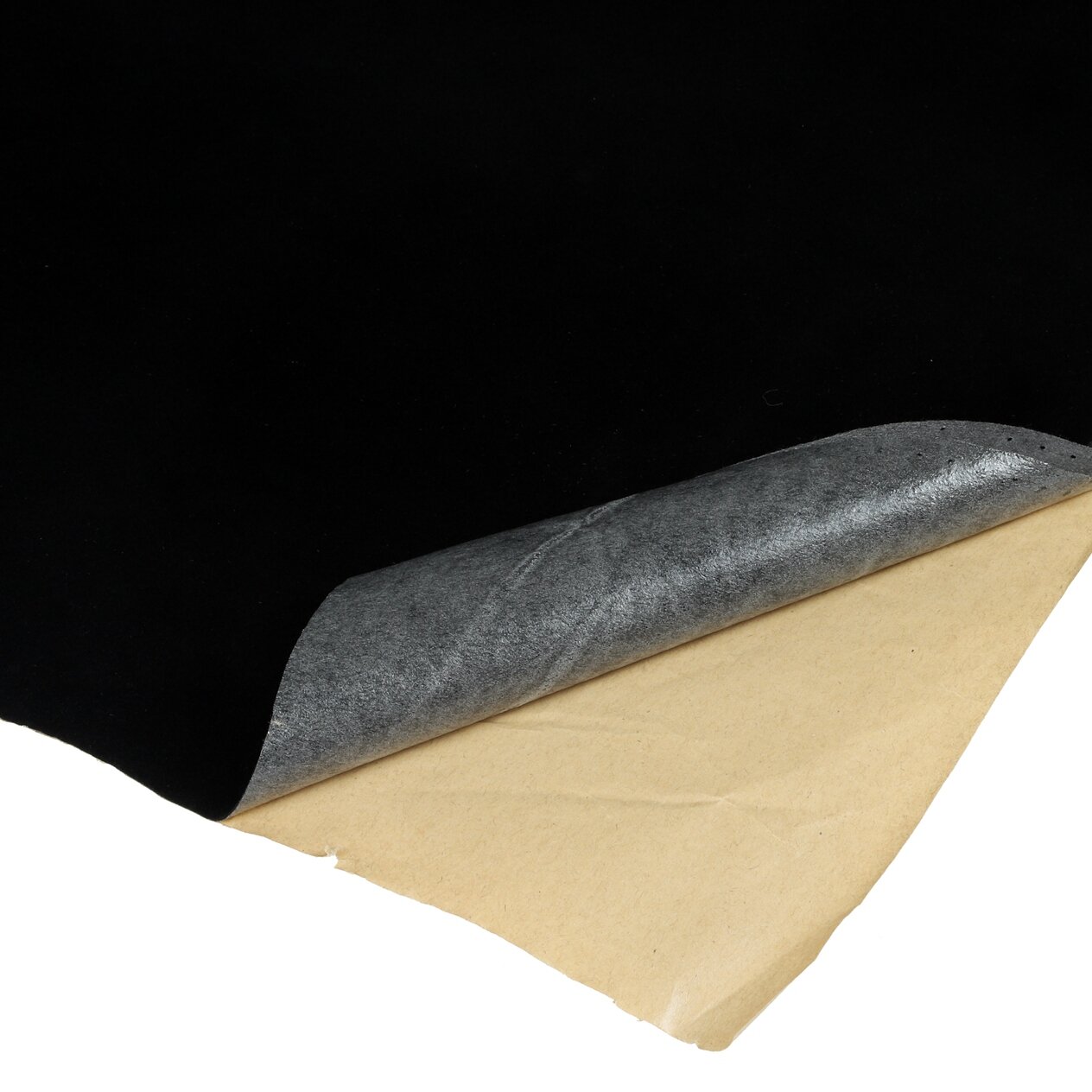
Base fabric structural integrity determines overall dimensional stability in wet environments. Natural cotton backings can absorb ambient moisture, leading to structural sagging and fungal proliferation. Utilizing nonwoven or synthetic knitted base fabrics provides a rot-resistant barrier. In demanding industrial applications, such as air conditioner air outlets or automotive interiors certified for BYD and Gree, nonwoven-backed long-pile flocking absorbs surface condensation while maintaining structural adhesion and acoustic dampening performance without fiber shedding.
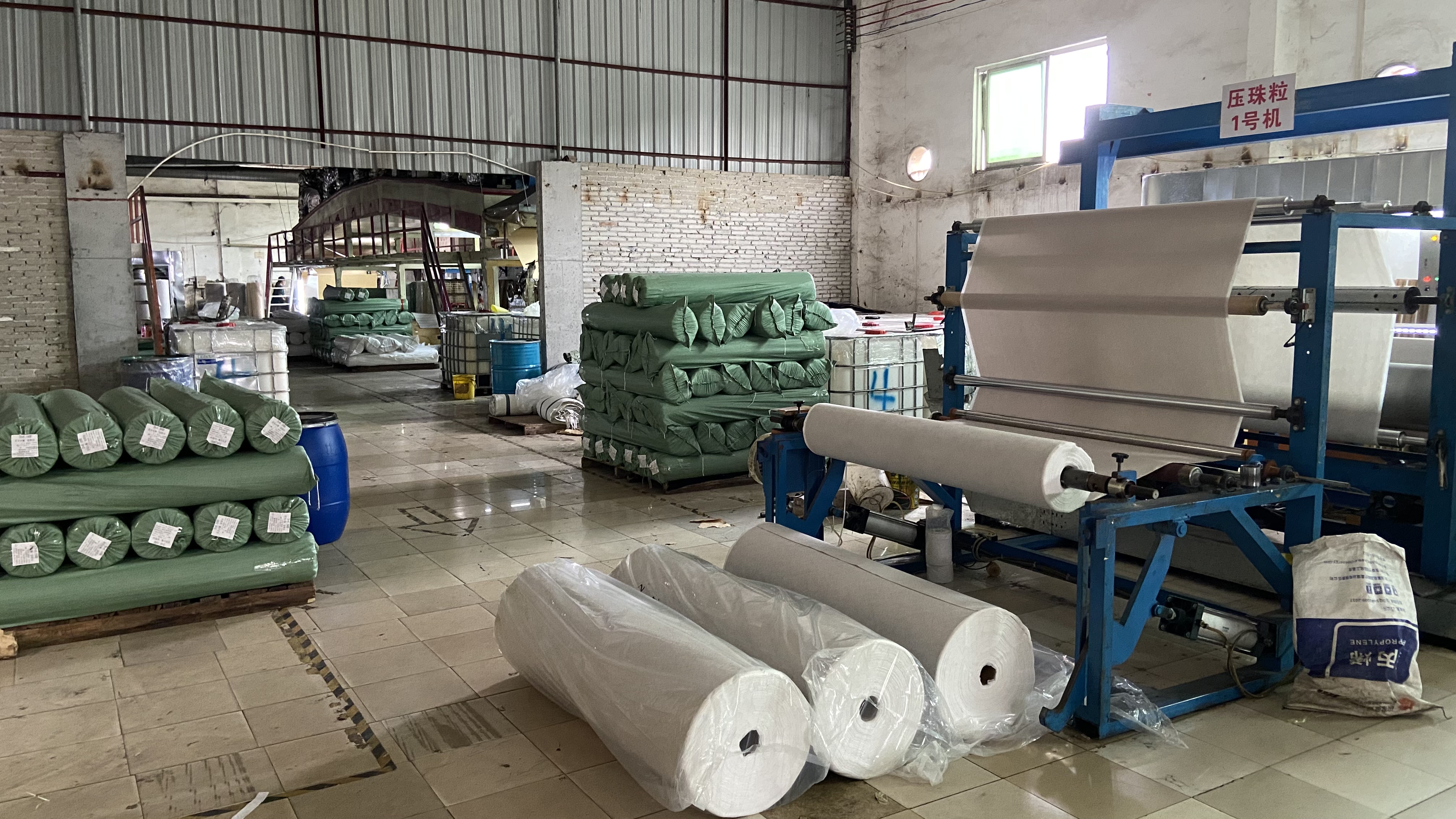
Chemical composition is equally vital when moisture triggers oxidation reactions. High humidity accelerates chemical activity between packaging linings and stored items. Under strict anti-tarnish protocols, free reactive sulfur is controlled to under 5 ppm, and volatile organic acids are eliminated from the adhesive system. Products undergo a batch-level silver coupon accelerated corrosion test, alongside 3M tape 10-cycle peel testing under FAMA standards, ensuring zero fiber loss and full compliance with EU REACH SVHC (testing 253 substances under report CANEC26006555803) and EU RoHS 2.0 guidelines.
Data/Solution Comparison
| Technical Parameter | High Humidity Grade Specification | Standard Grade Specification | Risk of Non-Compliance |
|---|---|---|---|
| Adhesive System | Water-based acrylic (Solvent-free) | Standard solvent/rubber adhesive | Delamination, glue bleed-through, VOC emissions |
| Peel Strength | ≥ 2 N / 25 mm | < 1.5 N / 25 mm | Edge peeling, material lifting off substrate |
| Base Fabric Type | Nonwoven, Knitted, PVC | Standard paperboard, untreated cotton | Mildew growth, fiber rotting, dimensional warping |
| Reactive Sulfur Content | < 5 ppm (Jewelry Grade) | Uncontrolled (> 30 ppm) | Accelerated silver and metal tarnish/blackening |
| Abrasion Resistance | Up to 100,000 cycles | 500 cycles | Pile shedding and surface thinning |
Frequently Asked Questions (FAQ)
Can self-adhesive flocking fabric adhere directly to damp substrates?
Substrates must be clean and dry during initial application. Once applied, the high-tack water-based acrylic pressure-sensitive adhesive forms a moisture-resistant bond with a peel strength of at least 2 N/25mm, preventing moisture ingress from affecting adhesion over time.
How does moisture affect stored metals or jewelry inside flocking-lined boxes?
High humidity accelerates corrosion if the flocking fabric contains residual sulfur, acidic monomers, or chloride ions. Selecting flocking fabric with reactive sulfur controlled below 5 ppm and aqueous extract pH maintained between 5.5 and 7.5 prevents silver blackening and oxidation in enclosed environments.
What certifications verify environmental and moisture-safety compliance?
Key regulatory verifications include ISO 9001:2015 quality control, Global Recycled Standard (GRS 4.0), EU REACH SVHC screening, EU RoHS 2.0, and OEKO-TEX Standard 100 testing, ensuring the fabric is free from carcinogenic azo dyes, heavy metals, and toxic plasticizers.
Final Conclusion & Recommendations
Selecting self-adhesive flocking fabric for high humidity environments requires evaluating adhesive peel strength, moisture-resistant base fabrics, anti-mold properties, and strict chemical purity controls. Water-based acrylic pressure-sensitive adhesive systems paired with synthetic or nonwoven backings prevent delamination, mold growth, and metal oxidation. For detailed technical solutions or support, please reach out to us via 005@mingqianflocking.com.
About Us
Guangdong Shunde Mingqian Flocking Co., Ltd. operates a self-owned 10,000 square meter manufacturing base equipped with five automated electrostatic flocking lines and specialized coating facilities. Established in 2008, the company employs over 100 personnel, producing a monthly output exceeding 3,000,000 yards. Holding ISO 9001, GRS, REACH, and RoHS certifications, the enterprise provides full OEM/ODM customization across North America, Europe, South Asia, and Southeast Asia.

Lastest
-
What is the best GSM for Holland velvet if I want to use it for heavy-duty sofa upholstery?
2026-08-07 -
How do I choose between Holland velvet, suede, and corduroy for commercial sofas?
2026-08-07 -
How do I choose the right electrostatic flocking fabric density for automotive interiors?
2026-08-07 -
How do I choose the right GSM for packaging flocking fabric to avoid shedding?
2026-08-07 -
How do I choose the right density of gift box flocking lining to prevent shedding?
2026-08-07
SUBSCRIBE
INQUIRY