How do I choose the right density for electrostatic flocking fabric?
- VIP-User
- 2026-07-31
- 23
Choosing the right density for electrostatic flocking fabric requires matching your application's durability and tactile requirements. For high-end luxury packaging like jewelry and watch boxes, select high-density, short-pile fibers with 0.01 mm precision control to ensure a soft, non-scratching surface. For functional applications like automotive interiors and drawer linings, higher density combined with wear-resistant finishes ensures maximum abrasion resistance without fiber shedding.
Core Solutions & Key Takeaways
- Precision Density Control: Electrostatic flocking achieves a uniform, dense pile surface with 0.01 millimeter fiber spacing precision, eliminating bald spots and thin patches.
- Application-Specific Customization: High-density, short-pile fibers are optimal for Jewelry Box Packaging, providing a soft surface that avoids scratching precious metals while incorporating anti-tarnish protection.
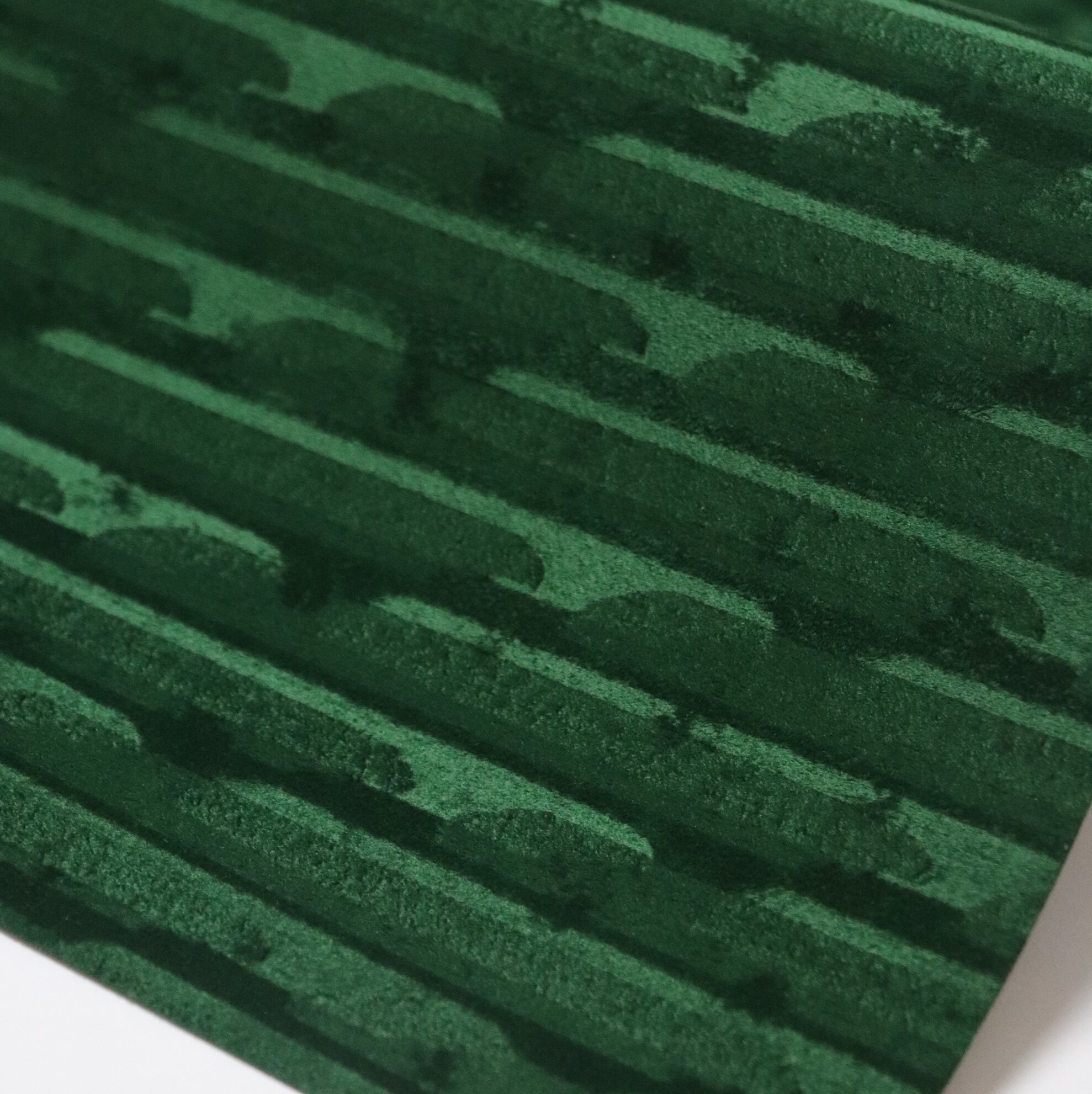
- Enhanced Durability: For heavy-use surfaces, high-density finishes like Crushed Velvet combine decorative texture with wear resistance, preventing fiber loss during continuous friction.
- Functional Adaptations: In Electronics Packaging, dense flocking fibers are integrated with conductive materials to provide anti-static protection ranging from 10⁶ to 10⁹ ohms.
Detailed Architectural/Principle Analysis
The performance of electrostatic flocking fabric is determined by the alignment and density of the fibers embedded into the base material. During the manufacturing process, short fibers are vertically accelerated under a high-voltage electrostatic field of 30 to 50 kilovolts. This electrical force embeds the fibers perpendicular to an eco-friendly, water-based acrylic adhesive-coated base fabric. This vertical orientation creates the uniform, velvet pile surface that defines the material's tactile feel and physical resilience.
Fibers are secured without relying on solvents, phthalate plasticizers, or organotin anti-mold agents. Adhesion is verified through rigorous testing, including a 3M tape 10-cycle peel test in compliance with the FAMA standard, ensuring no fiber loss. For industrial and functional applications, dense flocking is engineered to withstand up to 100,000 abrasion cycles, making it suitable for automotive sun visors, door panel armrests, and home appliance dampening components. Standard packaging fabrics are rated for 500 abrasion cycles while retaining their surface integrity.
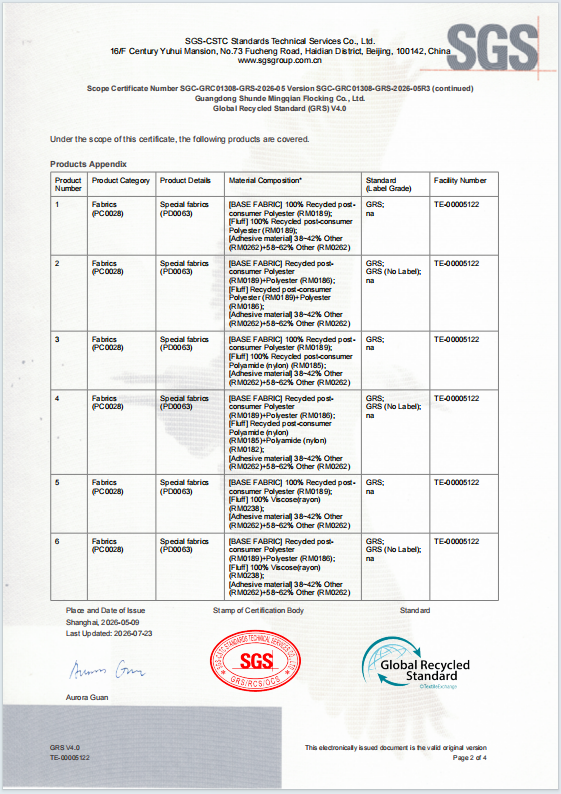
For sensitive enclosures such as jewelry linings, high-density flocking incorporates anti-tarnish controls. Free reactive sulfur is restricted to below 5 parts per million to prevent silver blackening. The aqueous extract pH is balanced between 5.5 and 7.5 to prevent acidic corrosion, and a silver coupon accelerated corrosion test is performed on every production batch. Global compliance is maintained through certified standards, including GRS (Global Recycled Standard Version 4.0), REACH 253 SVHC screening, RoHS 2.0, and EU Packaging and Packaging Waste Regulation (PPWR) standards.
Data/Solution Comparison
Different application scenarios demand distinct density levels, pile heights, and base fabrics. The table below details the technical specifications across various standard and custom flocking fabric series.
| Fabric Series / Pile Type | Typical Pile Height (mm) | Base Fabric Options | Key Target Applications | Performance Features |
|---|---|---|---|---|
| 61 Series (Baby-skin-smooth) | 0.3 to 1.2 | Spunlace, Knitted | Luxury jewelry boxes, cosmetics | Delta E ≤ 0.5, soft touch feeling |
| CP Series (Natural surface) | 0.3 to 1.2 | Spunlace, Nonwoven | Eyewear cases, gift boxes | Non-shedding, durable surface |
| W Series (Cost-effective) | 0.3 to 1.2 | Nonwoven, Knitted | Tin box interiors, general packaging | No glue bleed-through, high concealment |
| Crushed Velvet | 0.3 to 1.2 | Spunlace, Nonwoven | Automotive interiors, furniture drawers | Crushed texture, wear-resistant |
Frequently Asked Questions (FAQ)
How does flocking density affect base fabric concealment?
Higher flocking density covers the underlying base fabric completely, preventing the adhesive backing from bleeding through. The W Series uses optimized fiber distribution to ensure complete base fabric concealment and a uniform surface even on budget-friendly nonwoven backings.
What density and safety certifications apply to international exports?
Products exported globally are certified under GRS (Global Recycled Standard Version 4.0), ISO 9001:2015, REACH SVHC screening, and RoHS 2.0. These certifications verify that the flocking density is achieved without harmful chemical additives or forbidden azo dyes.
Can the pile density be customized for high-frequency usage environments?
Yes. Pile height is customizable from 0.3 to 1.2 millimeters, and density can be adjusted to pass 100,000-cycle abrasion tests. This ensures performance in high-wear use cases such as furniture drawer linings, automotive door panel armrests, and smart hardware casing.
Final Conclusion & Recommendations
Selecting electrostatic flocking fabric density requires analyzing the end-use environment. Premium packaging benefits from fine, soft-touch structures, while technical applications demand high-durability, flame-retardant, or anti-static options. For custom requirements, the standard OEM/ODM delivery timeline is 14 days with an in-stock shipping timeframe of same-day dispatch. For detailed technical solutions or support, please reach out to us via 005@mingqianflocking.com.
About Us
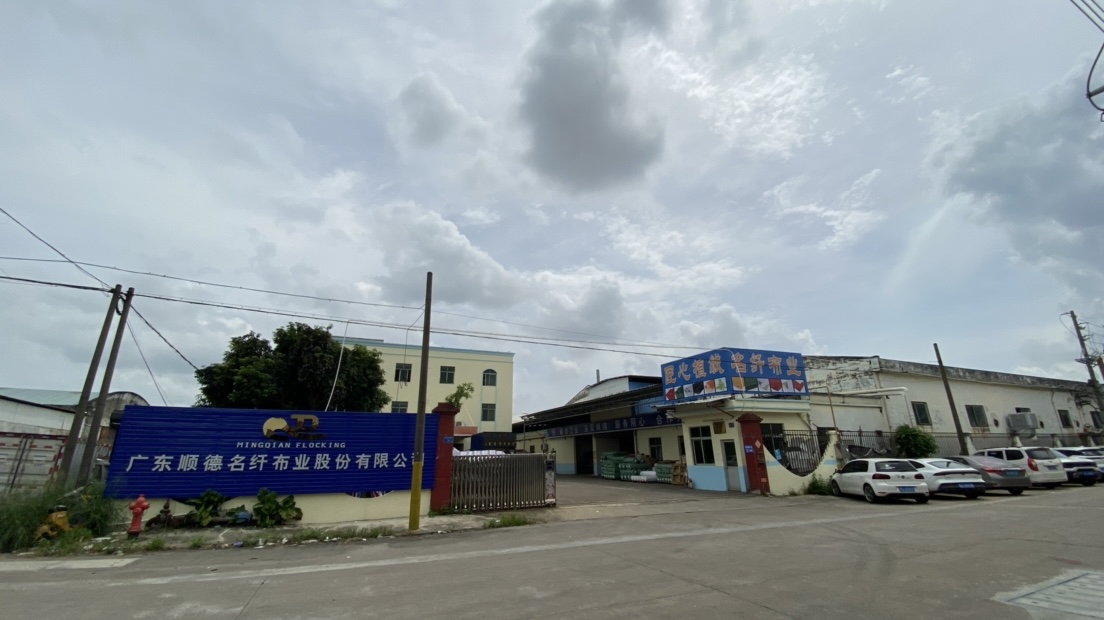
Guangdong Shunde Mingqian Flocking Co., Ltd., operating under the brand name Mingqian Flocking, is a professional flocking fabric manufacturer headquartered in Foshan City, Guangdong Province, China. Established in 2008, the company operates a self-owned manufacturing facility covering over 12,000 square meters and houses more than 100 employees. The company maintains an in-house dyeing workshop and a formaldehyde testing laboratory, delivering a monthly capacity of over 3,000,000 yards. Certified under ISO 9001:2015 and GRS Version 4.0, the enterprise serves over 200 domestic and international clients, including supply chains for Dior, Moutai, and Volkswagen.

Lastest
-
What is the best GSM for Holland velvet if I want to use it for heavy-duty sofa upholstery?
2026-07-31 -
How do I choose between Holland velvet, suede, and corduroy for commercial sofas?
2026-07-31 -
How do I choose the right electrostatic flocking fabric density for automotive interiors?
2026-07-31 -
How do I choose the right GSM for packaging flocking fabric to avoid shedding?
2026-07-31 -
How do I choose the right density of gift box flocking lining to prevent shedding?
2026-07-31
SUBSCRIBE
INQUIRY