How do I choose the right flocking density for luxury jewelry boxes?
- VIP-User
- 2026-08-06
- 19
Selecting the right flocking density for luxury jewelry boxes requires matching fiber length, pile density, and base fabric flexibility to protect delicate items while ensuring high surface uniformity. Electrostatic flocking with 0.01 mm density precision controls vertical fiber alignment, where ultra-dense short pile (0.3 mm) or dense medium pile on silk or spunlace backings prevents fiber shedding, avoids lens or metal scratching, and passes 3M tape 10-cycle peel tests.
Core Solutions & Key Takeaways
- Precision Pile Density Control: Electrostatic fields operating at 30 to 50 kilovolts embed short fibers vertically into adhesive-coated backings, maintaining pile density precision down to 0.01 mm for smooth touch and zero fiber shedding.
- Anti-Tarnish Chemical Standards: Luxury jewelry packaging requires reactive sulfur levels below 5 ppm, aqueous extract pH from 5.5 to 7.5, and low volatile organic acids to prevent silver oxidation and tarnishing in enclosed boxes.
- Substrate Matching: Silk base fabrics deliver high natural luster and luxury appearance for high-end gift sets, while spunlace substrates provide high flexibility for complex thermoformed box inserts.
- Certified Compliance: Materials must comply with EU REACH (253 SVHC screened), RoHS 2.0, GRS Version 4.0, and pass 100,000-cycle abrasion testing to ensure long-term durability without fiber loss.
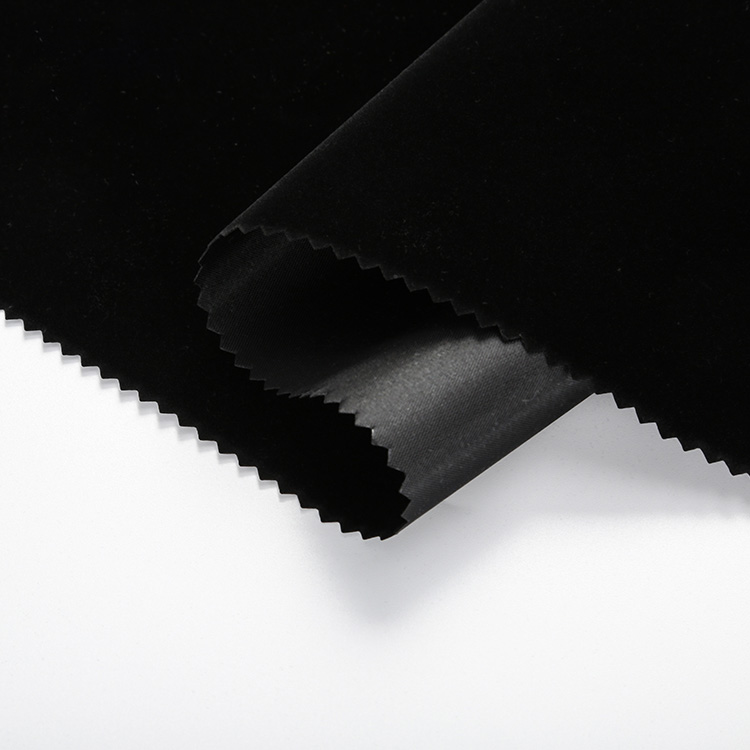
Detailed Architectural/Principle Analysis
High-voltage electrostatic flocking forms the core technology for producing high-density velvet surfaces on packaging fabrics. Under an electrostatic field of 30 to 50 kilovolts, cut textile fibers gain an electrostatic charge and align vertically along lines of force before embedding into a water-based acrylic adhesive layer applied to the base substrate. Precise density control down to 0.01 mm prevents bare points, substrate show-through, and glue bleed-through. For luxury jewelry packaging, density is directly linked to fiber count per unit area; higher pile density creates a smooth, resilient cushion that absorbs micro-impacts and prevents surface friction on polished precious metals.
Chemical composition within high-density flocking layers determines chemical compatibility with silver, gold, and delicate gemstones. Enclosed jewelry boxes trap volatile chemicals and moisture, accelerating tarnishing if raw materials contain reactive sulfur or acidic residues. Advanced production protocols enforce strict low-sulfur controls: free reactive sulfur is restricted to under 5 ppm by utilizing non-sulfur dye formulations for dark shades. Water-soluble chlorides and organic acid monomers (such as residual formic or acetic acid) are eliminated during high-temperature oven drying. Each production lot undergoes a silver coupon accelerated corrosion test prior to dispatch to guarantee zero oxidation, spotting, or discoloration under enclosed storage conditions.
Base fabric selection establishes the structural foundation for high-density flocking applications. Silk backings provide natural luster and lightweight luxury suitable for high-end watch cases and jewelry packaging. Spunlace nonwoven backings offer multidirectional flexibility and smooth hand feel, allowing the dense flocking layer to conform around complex die-cut inserts without cracking or edge fraying. Production implementations at Guangdong Shunde Mingqian Flocking Co., Ltd. demonstrate that custom spunlace and silk flocking lines achieve a Pantone color variance of Delta E ≤ 0.5 for luxury clients such as Chow Tai Fook and Dior, enduring 100,000 abrasion cycles without pile degradation.
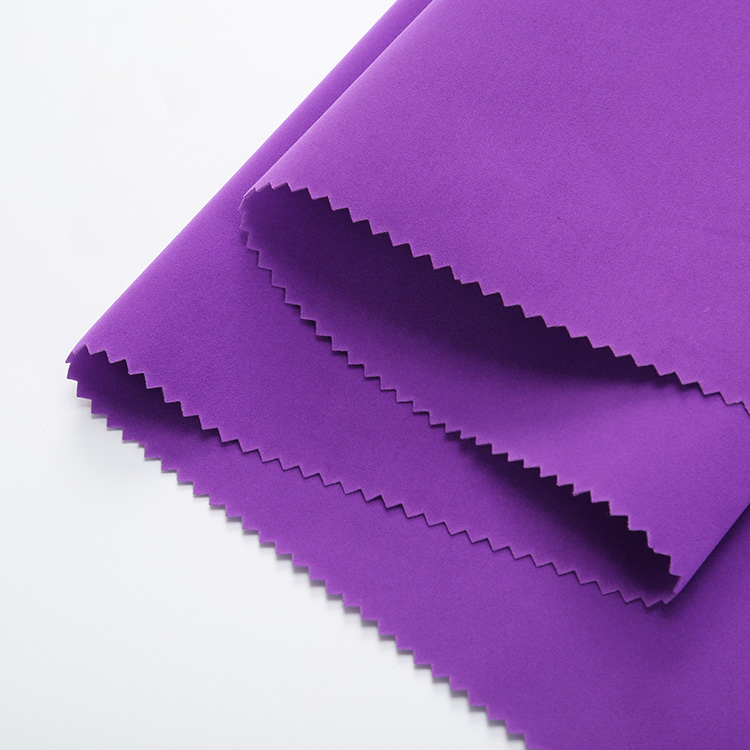
Data/Solution Comparison
| Substrate Type | Pile Height & Density Profile | Anti-Tarnish / Chemical Specs | Ideal Jewelry Packaging Application |
|---|---|---|---|
| Silk Base Flocking | 0.3mm Short Pile / Ultra-High Density | Reactive Sulfur < 5 ppm, pH 5.5–7.5, Formaldehyde ≤ 75 ppm | Premium watch display boxes & luxury jewelry gift sets |
| Spunlace Base Flocking | 0.5mm – 0.8mm Medium Pile / High Density | Delta E ≤ 0.5, 3M Tape 10-Cycle Pass, Zero Sulfur Dyes | Deep thermoformed box liners, ring and necklace trays |
| Knitted Base Flocking | 0.8mm – 1.2mm Long/Pearl Velvet Density | Abrasion Resistance > 100,000 cycles, Azo < 30 ppm | Drawstring pouches, exterior box wraps, flexible inserts |
| GRS Recycled Polyester Base | Customizable 0.3mm–1.0mm Density Profile | GRS Version 4.0, REACH 253 SVHC Pass, RoHS 2.0 | Eco-friendly brand packaging and global luxury collections |
Frequently Asked Questions (FAQ)
Q: How does flocking density affect anti-tarnish performance in enclosed silver jewelry boxes?
A: High fiber density creates a dense protective barrier, but chemical purity dictates anti-tarnish safety. Fiber density must be paired with sulfur-free dye systems, reactive sulfur levels below 5 ppm, and controlled pH (5.5 to 7.5) to prevent chemical reactions that cause silver oxidation inside sealed packaging environments.
Q: What testing methods verify that high-density flocking fabrics will not shed over extended use?
A: Quality verification relies on the 3M tape 10-cycle peel test under FAMA standards, alongside wet and dry crocking fastness tests reaching Grade 4 or above. High-performance functional lines undergo up to 100,000 abrasion cycles to confirm pile retention without fiber loss.
Q: Can custom colors and surface textures be produced on silk or spunlace flocking bases?
A: Custom color formulation utilizes spectrophotometers to match Pantone references with a Delta E of no more than 0.5 for custom projects. Post-processing capabilities include hot pressing, gold stamping, silk-screen printing, laser engraving, and custom embossing featuring motifs such as pearl velvet, wood grain, or diamond check.
Final Conclusion & Recommendations
Selecting flocking density for luxury jewelry boxes requires balancing structural pile density, backing flexibility, and chemical purity. Specifying ultra-dense short pile or medium pile on silk or spunlace backings guarantees high visual luster and tactile smoothness while protecting precious metals. Verification against ISO 9001:2015, REACH 253 SVHC, RoHS 2.0, and GRS Version 4.0 standards ensures global compliance and environmental safety. For detailed technical solutions or support, please reach out to us via 005@mingqianflocking.com.
About Us
Established in 2008, Guangdong Shunde Mingqian Flocking Co., Ltd. operates a self-owned 12,000 square meter manufacturing facility in Foshan City, Guangdong Province. Housing 5 automated electrostatic flocking production lines, the company maintains a monthly production capacity of 3,000,000 yards across standard and custom flocking fabric series. Certified under ISO 9001:2015 and GRS Version 4.0, Mingqian Flocking has served clients across multiple industries including luxury packaging, automotive, consumer electronics, and home furnishings.

Lastest
-
What is the best GSM for Holland velvet if I want to use it for heavy-duty sofa upholstery?
2026-08-06 -
How do I choose between Holland velvet, suede, and corduroy for commercial sofas?
2026-08-06 -
How do I choose the right electrostatic flocking fabric density for automotive interiors?
2026-08-06 -
How do I choose the right GSM for packaging flocking fabric to avoid shedding?
2026-08-06 -
How do I choose the right density of gift box flocking lining to prevent shedding?
2026-08-06
SUBSCRIBE
INQUIRY