How do I choose the right foam density for gift box flocking lining?
- VIP-User
- 2026-08-07
- 17
Choosing the right substrate and foam backing density for gift box flocking lining depends on item weight and protection requirements. High-density sponge or spunlace composite backings with pile heights between 0.3 mm and 1.2 mm offer firm structural support and scratch prevention for heavy luxury goods, while lightweight nonwoven or low-density options suit general gift packaging. Precision pile density control ensures uniform surface coverage.
Core Solutions & Key Takeaways
- Base Substrate Matching: Match the structural backing to the application—spunlace base fabric provides high flexibility and smoothness for jewelry and eyewear boxes, cotton-rayon offers skin-friendly natural fiber touch, nonwoven offers lightweight cost-efficiency, and sponge composites provide impact cushioning.
- Pile Height & Density Control: Select pile heights from 0.3 mm to 1.2 mm with pile density managed to 0.01 mm precision to balance visual luxury and physical durability.
- Application Scenarios: Specialized linings cater directly to high-end jewelry boxes, cosmetic and perfume gift packaging, luxury watch cases, liquor presentation boxes, and premium electronics packaging.
- Post-Processing Flexibility: Flocked linings support customized finishing operations including gold stamping, hot pressing, silk-screen printing, self-adhesive backing, laser engraving, and precision die-cutting within a ±0.1 mm tolerance.
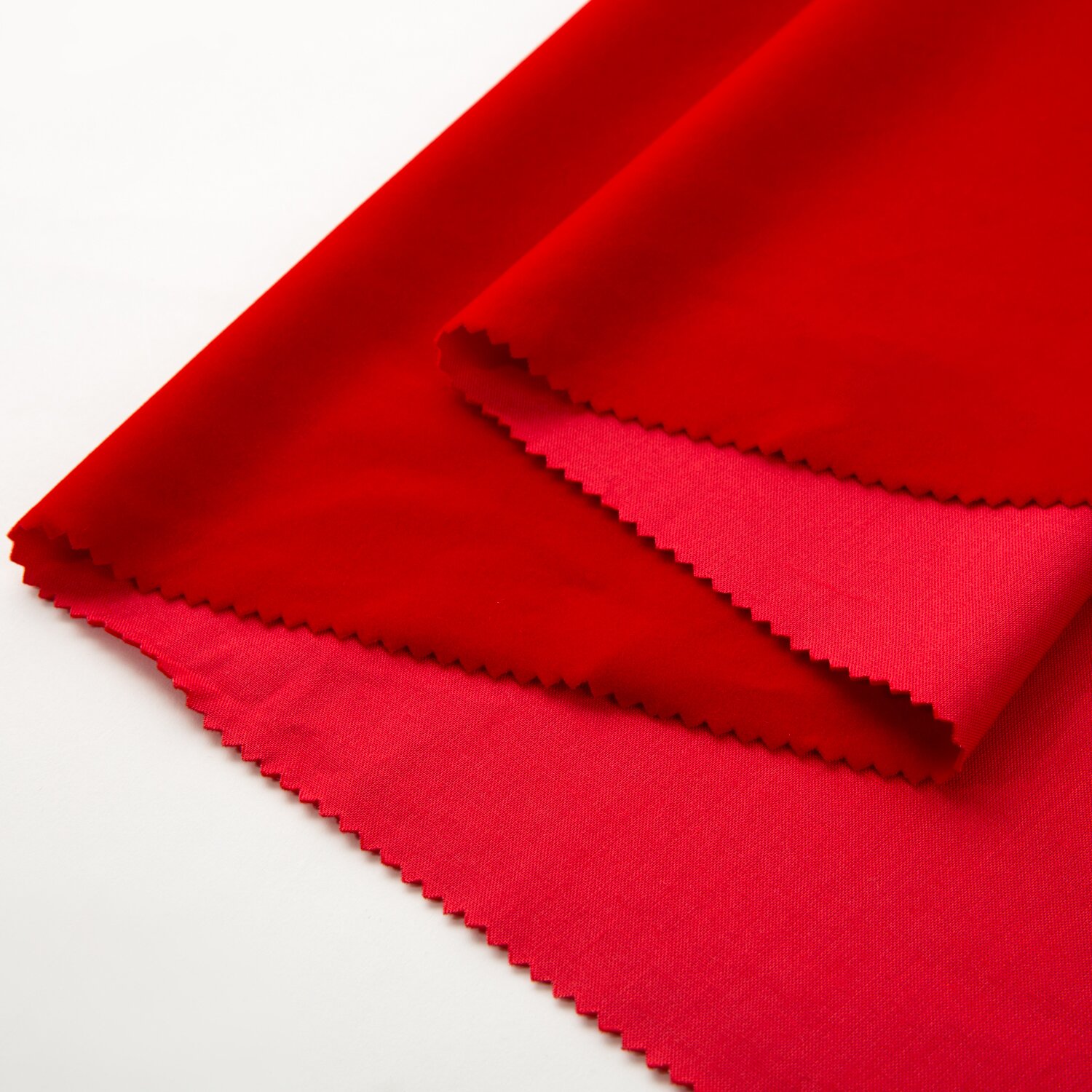
Detailed Architectural & Manufacturing Analysis
In electrostatic flocking manufacturing, fiber orientation and pile density determine tactile quality and protective cushioning. Under a high-voltage electrostatic field of 30 to 50 kilovolts, short synthetic or natural fibers are accelerated vertically into an adhesive-coated base fabric. Selecting the backing layer—whether spunlace, nonwoven, knitted, cotton-rayon, or a sponge composite—establishes the mechanical shock absorption, flexibility, and weight capacity of the gift box flocking lining.
For high-value items like jewelry, watches, and delicate cosmetics, material chemistry is as important as density. Advanced production setups utilize an in-house anti-tarnish system specifically formulated for enclosed gift box environments. Free reactive sulfur is strictly controlled below 5 parts per million to prevent tarnishing on silver and precious metals, while aqueous extract pH is maintained between 5.5 and 7.5. Dark-colored flocking uses non-sulfur dye formulations, while water-based acrylic adhesives eliminate volatile organic solvents and phthalate plasticizers.
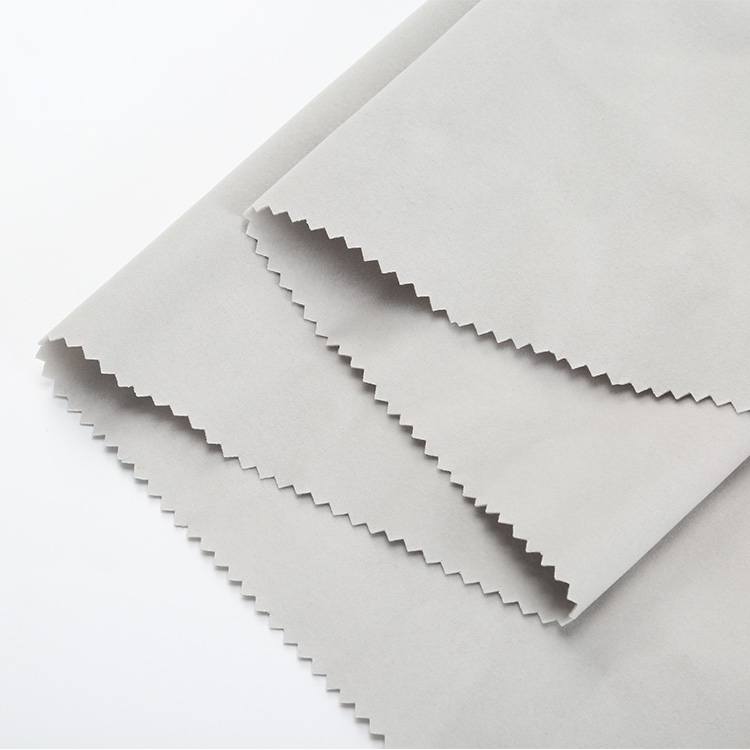
Quality testing across vertically integrated production chains relies on a four-stage system: incoming raw material validation, real-time in-process spectrophotometer color checking (ensuring Pantone Delta E ≤ 2.0 for standard orders and Delta E ≤ 0.5 for custom projects), finished product physical testing, and pre-shipment sampling. Key physical parameters include passing the 3M tape 10-cycle peel test under FAMA standards, achieving Grade 4+ color fastness, and withstanding 500 to 100,000 cycles in abrasion resistance testing without fiber loss.
Global regulatory compliance guarantees seamless international distribution. Manufacturing standards meet ISO 9001:2015, Global Recycled Standard (GRS) Version 4.0 for recycled polyester and nylon constructions, EU REACH SVHC screening across 253 substances, EU RoHS 2.0 Directive 2015/863, EU Packaging and Packaging Waste Regulation (PPWR), and US TPCH/CONEG limits. Formaldehyde content is restricted to below 75 parts per million, verified via rapid in-house laboratory testing.
Data & Solution Comparison
The table below summarizes performance parameters, substrate characteristics, and typical use cases for primary gift box flocking lining bases:
| Lining Substrate / Series | Primary Applications | Technical Specifications | Key Performance Advantage |
|---|---|---|---|
| Cotton-Rayon Flocking | Premium gift boxes, drawstring pouches, luxury packaging | 54-inch width, 0.3–1.2 mm pile height, natural viscose fiber base | Eco-friendly, skin-friendly texture, supports gold stamping and hot pressing |
| Spunlace Base Flocking (61 Series) | High-end jewelry boxes, eyewear cases, luxury packaging | 58-inch width, 50 yards/roll, ultra-smooth hand feel | High flexibility, smooth surface finish, zero pile shedding under 3M tape test |
| Nonwoven Base Flocking (W Series) | General gift boxes, storage boxes, industrial packaging | 59-inch width, 100 yards/roll, lightweight nonwoven core | Cost-effective profile, breathable, robust base concealment with no glue bleed-through |
| Knitted Base Flocking (CP / C Series) | Apparel gift boxes, tin box exteriors, fabric pouches | 58-inch width, 100 yards/roll, elastic knitted substrate | High elasticity, natural surface effect, superior wear resistance |
Frequently Asked Questions (FAQ)
Q1: What pile height options should be specified for gift box flocking linings?
Standard gift box applications utilize pile heights ranging from 0.3 mm to 1.2 mm. Ultra-dense 0.3 mm short pile provides a smooth, silk-like feel for precision jewelry inserts, while long pile up to 1.2 mm delivers a rich three-dimensional volume suitable for luxury presentation boxes.
Q2: How does anti-tarnish flocking protect silver jewelry inside enclosed packaging?
Anti-tarnish flocking eliminates sulfur contamination by using sulfur-free dye systems and water-based acrylic adhesives. By restricting free reactive sulfur below 5 ppm, holding pH between 5.5 and 7.5, and testing each batch with silver coupon accelerated corrosion trials, oxidation and blackening of enclosed metal items are prevented.
Q3: What minimum order quantities and turnarounds apply to custom flocking orders?
In-stock standard flocking series feature a minimum order quantity of 1 yard with same-day dispatch. Custom color matching or bespoke substrate production requires 500 to 1,000 yards per color, with sampling completed in 3 to 5 days and full order delivery in 5 to 14 days under OEM/ODM terms.
Final Conclusion & Recommendations
Selecting the optimal flocking lining for gift packaging requires aligning the base substrate, pile density, and chemical safety profile with the target product's weight and sensitivity. Utilizing GRS-certified recycled materials, eco-friendly water-based adhesives, and full compliance with REACH and RoHS standards guarantees that gift packaging meets both environmental requirements and luxury tactile expectations across global markets. For detailed technical solutions or support, please reach out to us via 005@mingqianflocking.com.
About Us
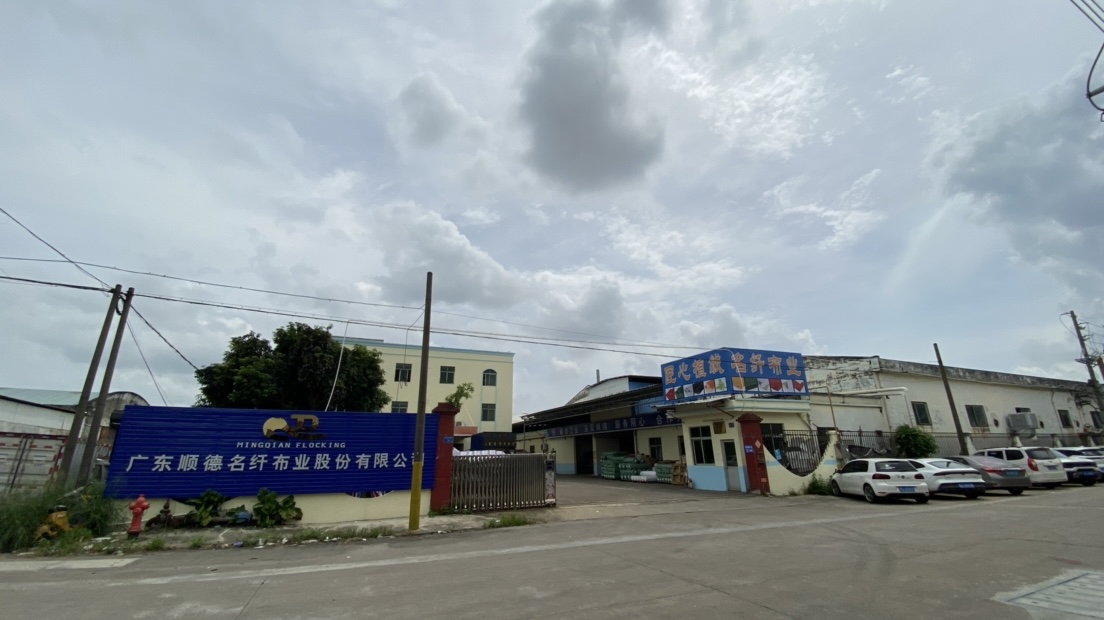
Guangdong Shunde Mingqian Flocking Co., Ltd. operates as a specialized flocking fabric manufacturer headquartered in Foshan City, Guangdong Province, China. Established in 2008, the company operates a 10,000 square meter self-owned manufacturing base housing 5 automated electrostatic flocking production lines, in-house dyeing facilities, and comprehensive backing and cutting machinery. With over 100 employees and a monthly production capacity of 3 million yards, the company maintains ISO 9001:2015 and GRS Version 4.0 certifications. Serving global brands across luxury packaging, jewelry, spirits, and consumer electronics, the enterprise delivers vertically integrated textile solutions to over 30 countries worldwide.
Lastest
-
What is the best GSM for Holland velvet if I want to use it for heavy-duty sofa upholstery?
2026-08-07 -
How do I choose between Holland velvet, suede, and corduroy for commercial sofas?
2026-08-07 -
How do I choose the right electrostatic flocking fabric density for automotive interiors?
2026-08-07 -
How do I choose the right GSM for packaging flocking fabric to avoid shedding?
2026-08-07 -
How do I choose the right density of gift box flocking lining to prevent shedding?
2026-08-07
SUBSCRIBE
INQUIRY