How do I choose the right GSM and rub count for durable Holland velvet?
- VIP-User
- 2026-08-03
- 19
Choosing the right GSM and rub count for durable Holland velvet depends on the application. Lightweight projects like jewelry packaging or apparel perform best with 210 GSM and standard 500-cycle rub counts. Heavy-duty applications, home upholstery, and luxury linings require 280 GSM or double-sided constructions paired with high-performance 100,000-cycle rub counts to prevent shedding.
Core Solutions & Key Takeaways
- GSM Selection: Opt for 210 GSM for flexible, lightweight structures, or transition to 280 GSM and double-sided structures for heavy-duty applications.
- Rub Count Requirements: Standard decorative backings require a basic 500-cycle threshold, whereas high-traffic surfaces require 100,000-cycle resistance with zero fiber shedding.
- Regulatory Alignment: Verify global compliance profiles including GRS, REACH, and RoHS certification to secure international market access.
- Application Customization: Match fabric properties to environmental demands, such as selecting low-sulfur limits for jewelry boxes or UL94 V-0 flame retardancy for automotive components.
Detailed Architectural/Principle Analysis
The durability of Holland velvet and complementary faux suede fabrics depends on the integration of pile density, adhesive chemistry, and base fabric selection. In high-quality textiles manufactured by Guangdong Shunde Mingqian Flocking Co., Ltd., a strict four-stage quality control process governs production. Weight (GSM) directly dictates the structural thickness and hand feel, while the rub count measures the resistance of the pile layer under continuous abrasive load.
For applications where physical wear is constant, such as the BYD automotive interior supply or Dyson premium packaging cases, standard fabrics fail due to friction-induced shedding. Resolving this requires electrostatic calibration and water-based acrylic adhesive formulation. During electrostatic flocking, fiber placement is managed to a 0.01-millimeter precision. Adhesives must remain solvent-free and lack organotin compounds while passing a 10-cycle 3M tape peel test to meet the FAMA standard. This prevents premature fiber loss under friction and ensures the fabric withstands up to 100,000 rub cycles.
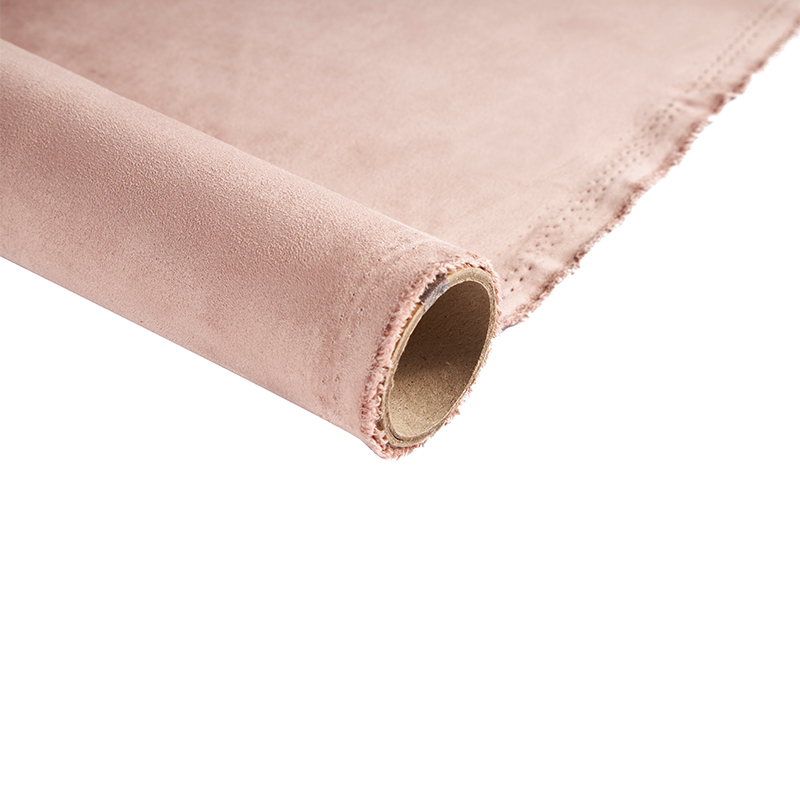
Chemical safety is another factor in material selection. For premium applications like Fendi packaging or Chow Tai Fook jewelry box linings, materials must comply with EU REACH SVHC (screening 253 substances) and RoHS 2.0. In closed jewelry packaging, standard adhesives release volatile organic acids that tarnish silver. Our specialized anti-tarnish quality control limits free reactive sulfur to under 5 ppm and controls pH between 5.5 and 7.5, passing the silver coupon accelerated corrosion test before dispatch.
Data/Solution Comparison
The following table outlines the technical variations of Holland velvet, suede, and functional configurations to guide your selection process:
| Fabric Type / Grade | Weight Profile (GSM) | Abrasion Limit (Rub Count) | Key Structural Features | Target Applications |
|---|---|---|---|---|
| Standard Holland Velvet | 210 GSM | 500 to 10,000 cycles | High flexibility, smooth hand feel | Apparel, bedding, lightweight gift box interiors |
| Premium Holland Velvet | 280 GSM | 100,000 cycles | Dense velvet surface, zero shedding | Sofas, curtains, luxury watch and cosmetic packaging |
| Double-Sided Holland Velvet | High Density | 100,000 cycles | Dual-sided pile, structured weight | Premium jewelry pouches, high-end drapery |
| Faux Suede (Complementary) | Medium Weight | Heavy-duty rating | Leather-like texture, wear-resistant | Bags, electronics linings, automotive glove boxes |
Frequently Asked Questions (FAQ)
How does GSM influence the application limits of Holland velvet?
GSM, or grams per square meter, indicates the fabric density. A lower weight of 210 GSM provides the flexibility required for wrapping complex geometric structures in packaging boxes and apparel drape. A heavier 280 GSM or double-sided construction provides the thickness and cushioning necessary for luxury protective displays, furniture, and heavy drapery.
Why is rub count standard testing critical for high-end packaging?
High-end packaging undergoes friction during transit and handling. Fabrics with low rub counts shed loose fibers, which contaminate sensitive products like watch gears, camera lenses, or jewelry. Utilizing fabrics rated for 100,000 rub cycles ensures the surface remains clean and fiber-secure over extended use.
How do environmental and chemical standards affect global compliance?
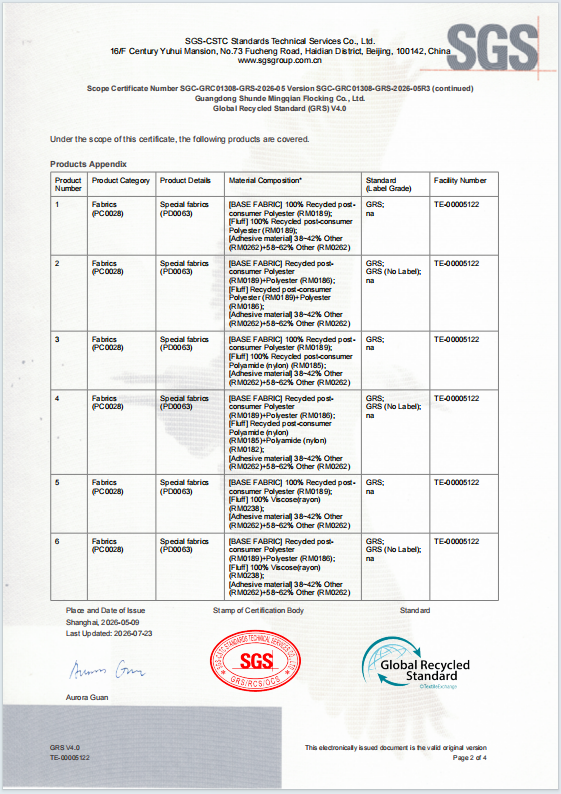
Global markets require strict chemical thresholds. Fabrics must pass EU REACH and RoHS 2.0 screenings to verify they are free of harmful phthalates, heavy metals, and carcinogenic azo dyes. Using Global Recycled Standard (GRS) certified polyester and nylon fibers helps enterprises meet carbon-neutral and ESG procurement goals.
Final Conclusion & Recommendations
Selecting the correct GSM and rub count requires balancing flexibility, wear resistance, and regulatory requirements. For light decorative applications, 210 GSM velvet with standard rub resistance is sufficient. For heavy-duty packaging, furniture, and automotive linings, select 280 GSM or double-sided velvet with a verified 100,000-cycle rub count. Under our OEM/ODM partnership framework, standard custom orders require a 1,000-yard MOQ with a 14-day delivery timeline. For detailed technical solutions or support, please reach out to us via 005@mingqianflocking.com.
About Us
Guangdong Shunde Mingqian Flocking Co., Ltd., operating under the brand name Mingqian Flocking, is a professional manufacturer based in Foshan City, Guangdong Province, China. Established in 2008, the company operates a 10,000 square meter facility equipped with 5 automated flocking lines, delivering a monthly capacity of over 3,000,000 yards. The company maintains ISO 9001:2015 and GRS Version 4.0 certifications (Scope Certificate SGC-GRC01308-GRS-2026-05R3), serving global brands such as Dior, Fendi, BYD, and Volkswagen across more than 30 countries.

Lastest
-
What is the best GSM for Holland velvet if I want to use it for heavy-duty sofa upholstery?
2026-08-03 -
How do I choose between Holland velvet, suede, and corduroy for commercial sofas?
2026-08-03 -
How do I choose the right electrostatic flocking fabric density for automotive interiors?
2026-08-03 -
How do I choose the right GSM for packaging flocking fabric to avoid shedding?
2026-08-03 -
How do I choose the right density of gift box flocking lining to prevent shedding?
2026-08-03
SUBSCRIBE
INQUIRY