How do I choose the right GSM for electrostatic flocking fabric to ensure it doesn't shed?
- VIP-User
- 2026-08-03
- 21
To prevent shedding in electrostatic flocking fabric, select a density-controlled pile layer with 0.01 mm precision and a curing-verified base. Shedding resistance depends on adhesive curing quality and fiber adhesion, which are verified using the 3M tape 10-cycle peel test and 100,000-cycle abrasion standards, rather than the fabric's GSM alone.
Core Solutions & Key Takeaways
- Application-Specific Base Matching: Choose Spunlace base fabric for jewelry boxes to obtain high flexibility, Nonwoven base fabric for cost-effective packaging, or Knitted base fabric for elastic automotive interiors.
- Abrasion and Shedding Thresholds: Standard packaging flocking should withstand 500 abrasion cycles, while functional applications require 100,000 cycles with zero pile shedding.
- Adhesive Curing Verification: High-voltage electrostatic flocking under 30 to 50 kilovolts requires water-based acrylic adhesives cured in temperature-controlled ovens to secure the fibers permanently.
- Strict Regulatory Screening: Ensure the material complies with GRS Version 4.0, REACH 253 SVHC, and RoHS 2.0, limiting heavy metals to 100 ppm and keeping reactive sulfur below 5 ppm for jewelry safety.
Detailed Architectural/Principle Analysis
In electrostatic flocking, physical durability and shed resistance are governed by the mechanical bonding between the fibers, the adhesive, and the base fabric. Guangdong Shunde Mingqian Flocking Co., Ltd. controls this process through a vertically integrated seven-stage manufacturing sequence. Initially, raw base fabrics undergo surface cleaning and tension leveling in the pretreatment phase. During the adhesive coating stage, the factory applies an eco-friendly water-based acrylic adhesive system. This formulation is solvent-free and contains no phthalate plasticizers or organotin anti-mold agents, ensuring safe volatile organic compound (VOC) levels below 10 milligrams per cubic meter.
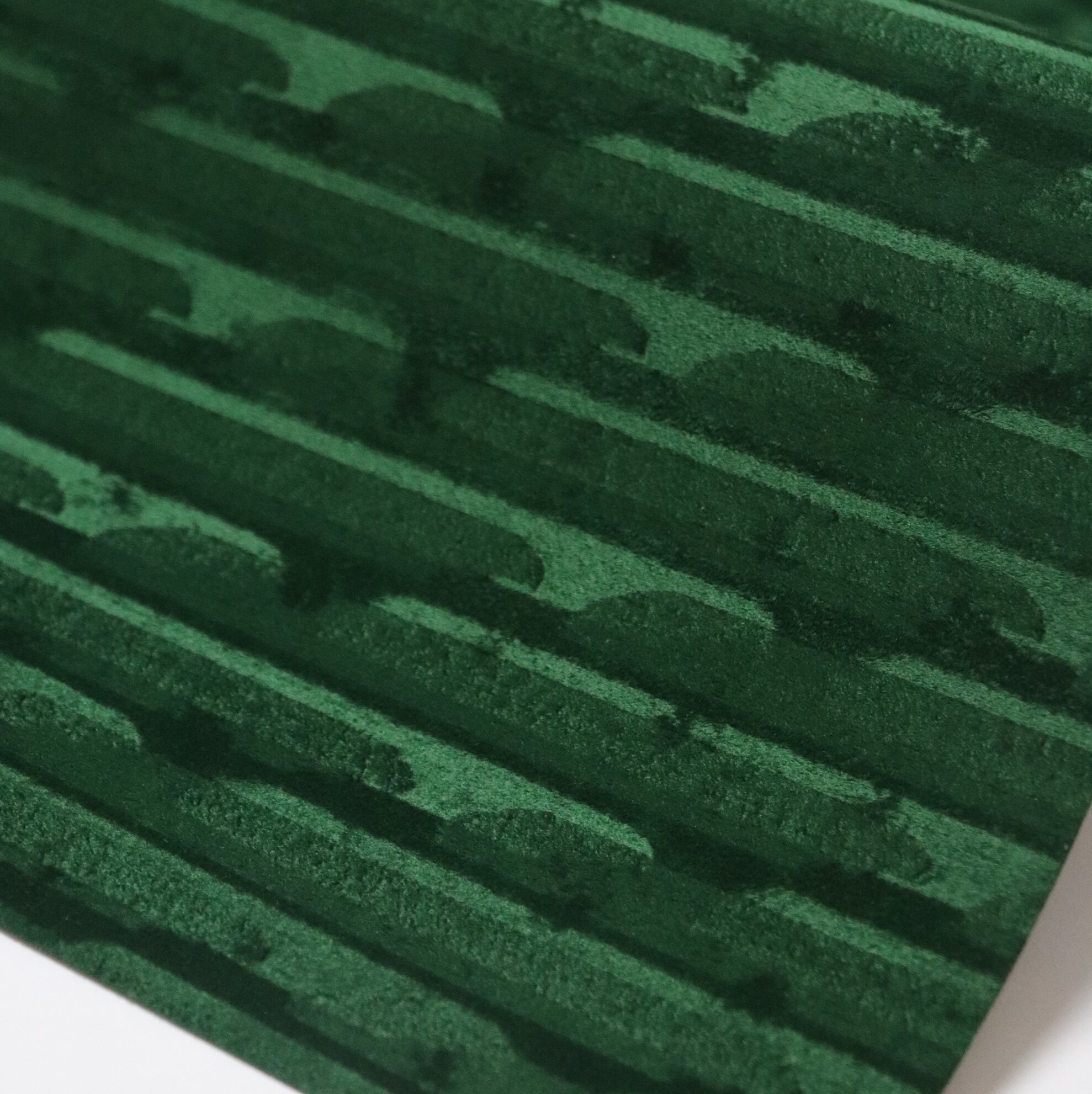
The core electrostatic alignment occurs under a high-voltage electrostatic field of 30 to 50 kilovolts. The short fibers are vertically accelerated into the wet adhesive layer, achieving a precise pile density controlled to 0.01 millimeters. Subsequently, the material passes through temperature-controlled drying ovens. This curing stage stabilizes the pile orientation, removes residual moisture, and ensures long-term fiber-to-substrate adhesion. Quality metrics are maintained by testing finished batches against the 3M tape 10-cycle peel test under the FAMA standard and verifying peel strength at a minimum of 2 Newtons per 25 millimeters for self-adhesive products.
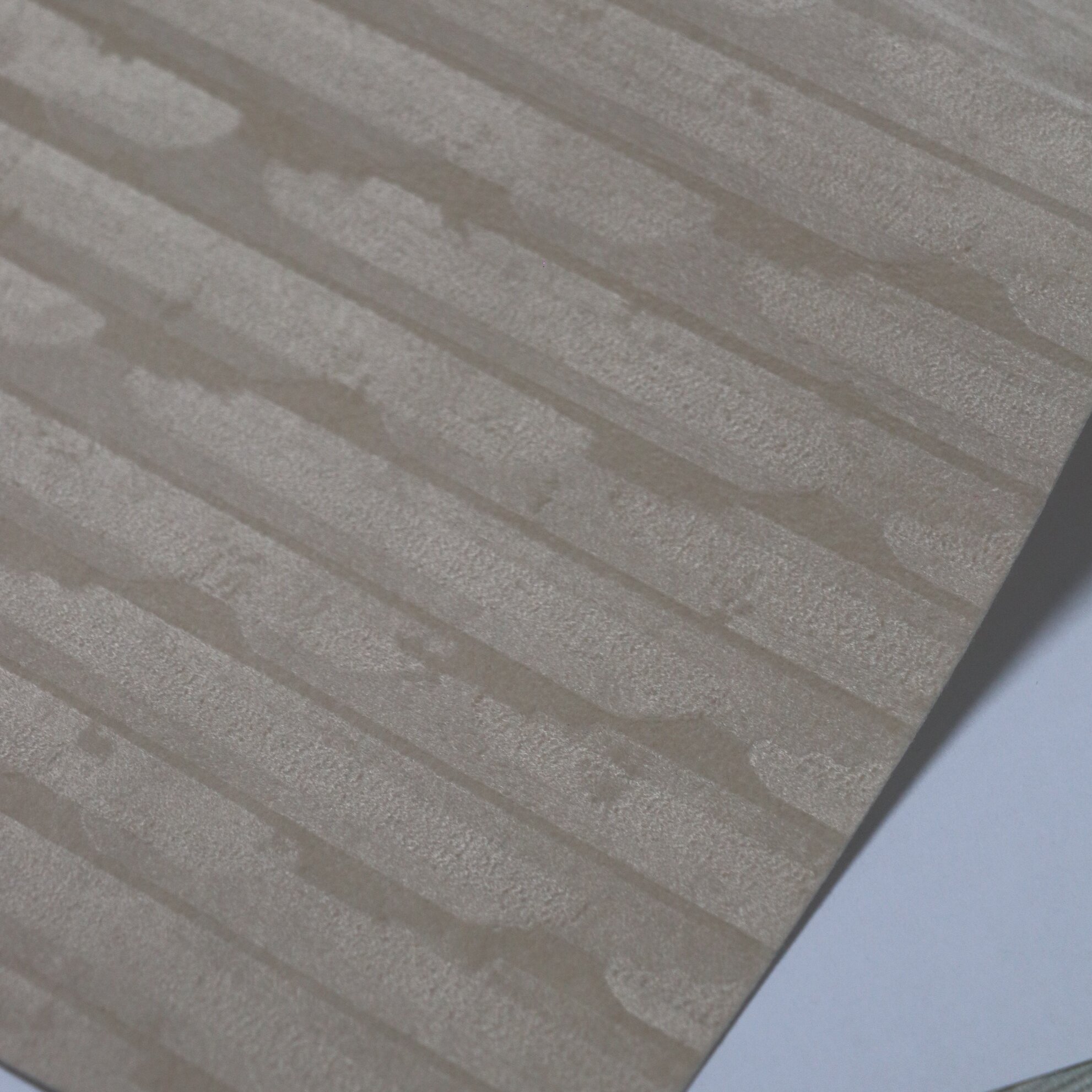
For specialized jewelry packaging, avoiding chemical decay is as vital as physical fiber retention. The anti-tarnish system manages chemical parameters at the root: free reactive sulfur is restricted to under 5 parts per million to prevent silver discoloration, and the aqueous extract pH is maintained within a 5.5 to 7.5 range. This methodology has been integrated into global supply chains, serving clients such as Chow Tai Fook, Dior, and Dyson, with compliance certificates under ISO 9001:2015, REACH, and RoHS 2.0.
Data/Solution Comparison
The physical properties, base fabric compatibility, and shedding resistance of various standard flocking series are structured below:
| Product Series / Type | Compatible Base Fabrics | Standard Dimensions | Abrasion Resistance | Shedding Resistance Quality Standard | Primary Target Application |
|---|---|---|---|---|---|
| 31 Series | Spunlace, Custom | 58 inches x 50 yards | 500 cycles (Standard) | 3M tape 10-cycle peel test compliant | Gift box interiors |
| 61 Series | Spunlace, Custom | 58 inches x 50 yards | 500 cycles (Standard) | 3M tape 10-cycle peel test compliant | Luxury jewelry box interior/exterior |
| CP Series | Spunlace, Nonwoven | 58 inches x 100 yards | 500 cycles (Standard) | FAMA standard approved | Eyewear cases, general linings |
| Crushed Velvet | Spunlace, Nonwoven | 58 inches (custom roll) | 100,000 cycles (Functional) | FAMA standard, zero shedding | High-end gift boxes, automotive, furniture |
| W Series | Custom base | 59 inches x 100 yards | 500 cycles (Standard) | No glue bleed-through verified | Cost-effective packaging liners |
Frequently Asked Questions (FAQ)
How does high-voltage electrostatic flocking prevent fiber shedding?
During manufacturing, a high-voltage electrostatic field of 30 to 50 kilovolts accelerates fibers vertically into the adhesive layer. This vertical insertion, combined with a dense distribution controlled to 0.01 mm precision and complete curing in drying ovens, secures the fibers inside the water-based acrylic adhesive to prevent subsequent shedding.
Which physical tests confirm the non-shedding quality of flocking materials?
Durability is verified using the 3M tape 10-cycle peel test, which requires zero fiber loss under the FAMA standard. Additionally, dry and wet color fastness testing must reach Grade 4 or above, and functional products must withstand a 100,000-cycle Martindale abrasion test without pile degradation.
Are self-adhesive flocking fabrics more prone to shedding over time?
No, provided they undergo proper post-processing. In-house adhesive backing application applies pressure-sensitive adhesives with a verified peel strength of at least 2 Newtons per 25 millimeters. Because the base flocking fibers are already cured, the self-adhesive layer does not alter the stability of the pile surface.
Strategic Recommendations
For high-performance applications, procurement managers should select flocking materials based on physical performance limits rather than basic weight metrics. Custom orders can be facilitated under an OEM/ODM business model, with standard products offering a minimum order quantity (MOQ) of 1 yard and custom color developments starting at 500 to 1,000 yards. Financial settlements are supported via T/T (with a 30% deposit and balance before shipment) and other negotiable terms. Domestic shipments reach major cities in 3 to 5 days via SF Express or Deppon, with free same-day truck delivery inside the Pearl River Delta. Global exports are routed through Guangzhou or Shenzhen ports with comprehensive GRS, REACH, and RoHS documentation. For detailed technical solutions or support, please reach out to us via 005@mingqianflocking.com.
About Us
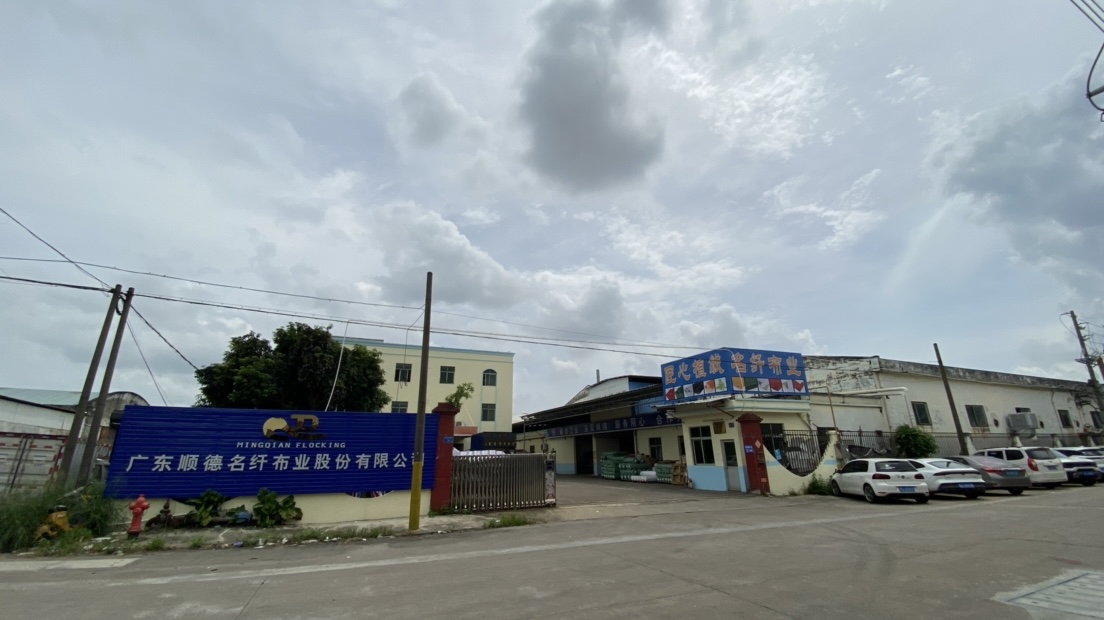
Guangdong Shunde Mingqian Flocking Co., Ltd., established in 2008, operates a self-owned manufacturing facility covering over 12,000 square meters. With a monthly production capacity of 3,000,000 yards, the company specializes exclusively in the research, development, and integrated manufacturing of premium flocking fabrics. The company holds ISO 9001:2015 and Global Recycled Standard (GRS) Version 4.0 certifications, serving prominent international brands including Dior, Chow Tai Fook, and Volkswagen across more than 30 countries.
Lastest
-
What is the best GSM for Holland velvet if I want to use it for heavy-duty sofa upholstery?
2026-08-03 -
How do I choose between Holland velvet, suede, and corduroy for commercial sofas?
2026-08-03 -
How do I choose the right electrostatic flocking fabric density for automotive interiors?
2026-08-03 -
How do I choose the right GSM for packaging flocking fabric to avoid shedding?
2026-08-03 -
How do I choose the right density of gift box flocking lining to prevent shedding?
2026-08-03
SUBSCRIBE
INQUIRY