How do I choose the right thickness of packaging flocking fabric for luxury jewelry boxes?
- VIP-User
- 2026-07-31
- 17
Choosing the right packaging flocking fabric thickness for luxury jewelry boxes depends on the base material and structure. Spunlace and cotton-rayon base fabrics with a medium pile (0.5 to 0.8 mm) provide high flexibility and a soft hand feel for box interiors. For structured waterproof inserts, thermoformable PS flocking sheets ranging from 0.2 mm to 1.0 mm thickness deliver precise fitment and structural support.
Core Solutions & Key Takeaways
- Substrate Selection Determines Thickness: Flexible fabric bases (spunlace, cotton-rayon, silk) are suitable for soft liners and pouch coverings, whereas rigid PS Flocking Sheets (0.2–1.0 mm thick) are designed for structural, vacuum-formed plastic inserts.
- Pile Height Customization: Standard pile heights range from 0.3 mm for a silk-smooth feel to 1.2 mm for a rich three-dimensional textured appearance.
- Anti-Tarnish Engineering: High-end silver and gold jewelry storage requires lining fabrics with free reactive sulfur below 5 ppm and a stable pH between 5.5 and 7.5 to prevent oxidation and blackening.
- Global Chemical Compliance: Selecting materials certified under GRS 4.0, REACH SVHC, RoHS 2.0, and EU Packaging and Packaging Waste Regulations (PPWR) ensures friction-free entry into international markets.
Detailed Architectural/Principle Analysis
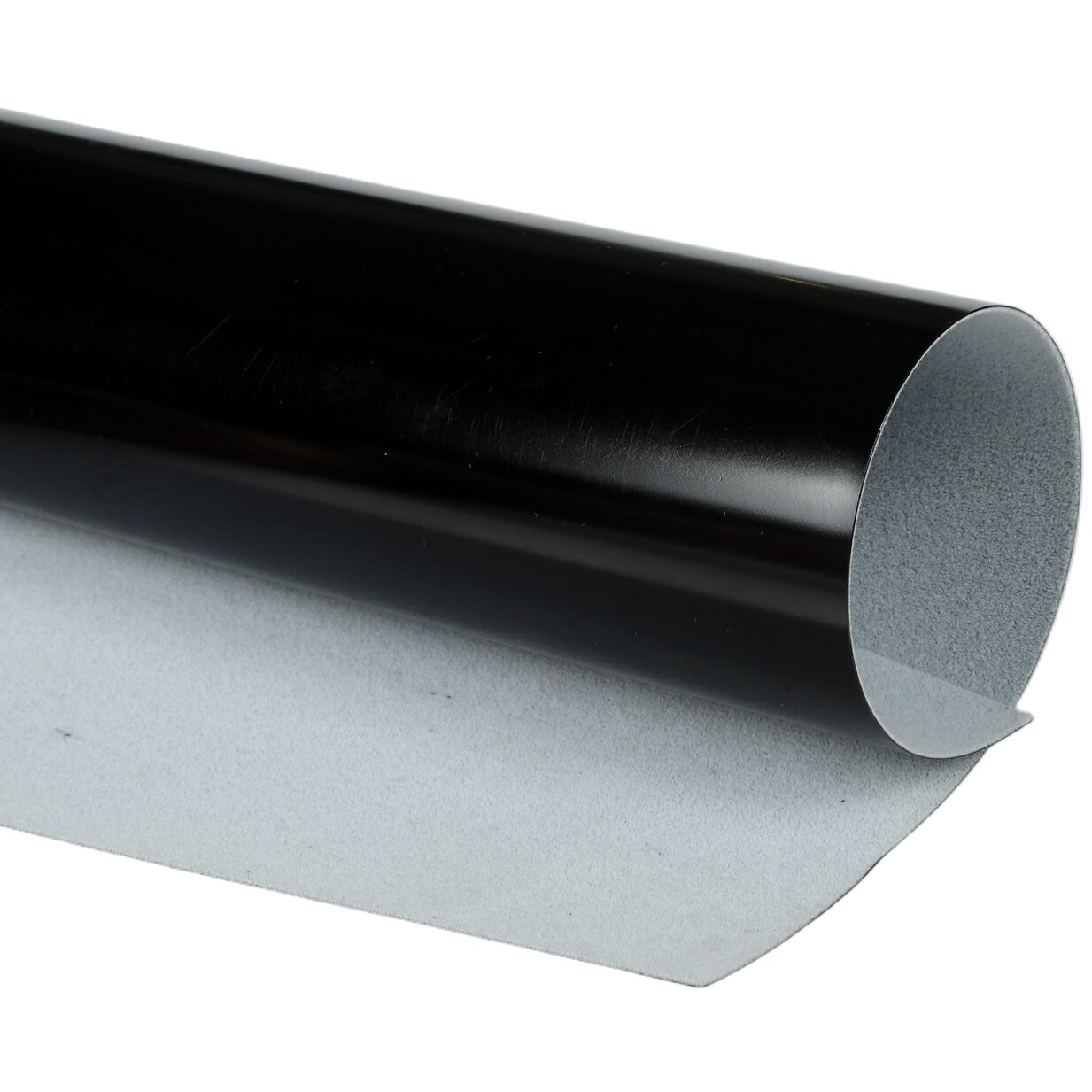
The selection of packaging flocking fabric thickness is governed by the structural requirements of the jewelry box and the chemical compatibility of the material with precious metals. Guangdong Shunde Mingqian Flocking Co., Ltd. manufactures a wide variety of base fabrics and flocking sheets designed to meet different physical specifications. For standard rigid box interiors, thin spunlace or silk base fabrics provide excellent flexibility, allowing the material to conform to sharp corners without wrinkling. When the box requires structured, impact-resistant trays, a PS Flocking Sheet with a thickness of 0.2 mm to 1.0 mm is used. The rigid polystyrene backing of the PS sheet allows for vacuum forming and hot pressing, creating custom-molded cavities that secure jewelry during transport.
In addition to physical dimensions, the chemical composition of the flocking fabric is critical for high-end applications. In enclosed environments, standard flocking materials can release volatile organic acids or reactive sulfur, leading to silver tarnish. To address this risk, specialized anti-tarnish flocking fabrics are engineered with free reactive sulfur levels restricted to below 5 ppm. The aqueous extract pH is maintained within a neutral range of 5.5 to 7.5 to prevent acid-accelerated metal corrosion. Every batch of these materials undergoes a silver coupon accelerated corrosion test to ensure there is no spotting, blackening, or discoloration before production begins.
This strict level of technical control has been validated through supply chain partnerships with leading global luxury and jewelry brands. For example, Chow Tai Fook utilizes spunlace-based medium-pile flocking fabric with precise brand color matching (Pantone Delta E ≤ 0.5) to maintain visual consistency across millions of jewelry boxes. Similarly, Dior uses custom 0.3 mm ultra-dense long-pile flocking fabric on a spunlace base for luxury perfume and cosmetic packaging, ensuring high abrasion resistance (up to 100,000 cycles without shedding) and a premium tactile experience.
Data/Solution Comparison
The table below compares different substrate materials and their typical thickness specifications, processes, and applications in luxury packaging:
| Substrate Type | Thickness / Width Range | Compatible Post-Processes | Key Performance Advantages | Best Use Cases |
|---|---|---|---|---|
| Spunlace Base Fabric | Standard fabric thickness / Width 54–59" | Gold stamping, silk-screen printing, adhesive backing | High flexibility, exceptionally smooth hand feel, non-shedding | High-end jewelry box linings, luxury watch boxes, eyewear cases |
| PS Flocking Sheet | 0.2 mm to 1.0 mm thickness / Width 400–800 mm | Hot pressing, vacuum forming, precision die-cutting | Waterproof, moisture-proof, rigid thermoformable backing | Specialized industrial packaging, molded rigid trays, protective inserts |
| Silk Base Fabric | Standard fabric thickness / Width 54–59" | Hot pressing, custom embossing, precision cutting | High luster, premium appearance, luxury aesthetic | High-end gift packaging, luxury jewelry presentation boxes |
| Cotton-Rayon Base Fabric | Standard fabric thickness / Width 54–59" | Dyeing, lamination, gold stamping, die-cutting | Skin-friendly, eco-friendly natural fibers, high density | Premium drawstring pouches, luxury gift bags, interior linings |
| Nonwoven Base Fabric | Standard fabric thickness / Width 54–59" | Lamination, adhesive backing, simple embossing | Breathable, lightweight, cost-effective structure | General gift boxes, storage boxes, industrial protective backings |
Frequently Asked Questions (FAQ)
What is the difference between a standard flocking fabric and a PS Flocking Sheet?
Standard flocking fabrics utilize flexible textile backings like spunlace, nonwoven, or knitted substrates, which are ideal for wrapping and lining. A PS Flocking Sheet uses a rigid polystyrene (PS) sheet base ranging from 0.2 to 1.0 mm in thickness. This rigid base allows the material to undergo vacuum forming and hot pressing, making it suitable for molded, waterproof, and shock-absorbing structural inserts.
How do I ensure the flocking fabric will not tarnish silver or gold jewelry?
To prevent jewelry discoloration, choose flocking fabrics with an engineered anti-tarnish system. The materials must have free reactive sulfur levels below 5 ppm, water-soluble chlorides strictly controlled, and a neutral aqueous extract pH between 5.5 and 7.5. Batch testing should include a silver coupon accelerated corrosion test to guarantee zero tarnish under enclosed conditions.
Can these flocking materials meet strict European and North American environmental regulations?
Yes, high-quality flocking materials are fully compliant with global green standards. They carry GRS (Global Recycled Standard) certification, OEKO-TEX Standard 100, and pass rigorous third-party testing for REACH SVHC, RoHS 2.0 (Directive 2015/863), California Proposition 65, and the new EU Packaging and Packaging Waste Regulation (PPWR).
Final Conclusion & Recommendations
Selecting the ideal thickness of flocking fabric requires balancing structural needs with aesthetic targets. For flexible wraps and premium hand-feel linings, spunlace or cotton-rayon bases with medium pile heights (0.5 to 0.8 mm) are recommended. For rigid, form-fitting, and moisture-proof internal compartments, thermoformable PS Flocking Sheets with a thickness range of 0.2 to 1.0 mm are the most effective solution. Ensure that all chosen materials are certified under ISO 9001 and GRS guidelines to guarantee quality consistency and global market access. For technical inquiries, custom color matching, or specific material specifications, please reach out to us via 005@mingqianflocking.com.
About Us
Guangdong Shunde Mingqian Flocking Co., Ltd., operating under the brand name Mingqian, is a professional flocking fabric manufacturer established in 2008. Operating from a self-owned 12,000 square meter facility with a monthly production capacity of 3,000,000 yards, the company is a certified Guangdong Provincial High-Tech Enterprise specializing in the R&D, production, and sales of functional and decorative flocking materials. The company holds ISO 9001:2015 and GRS Version 4.0 certifications, and its products comply fully with REACH and RoHS 2.0 requirements, serving global brand supply chains including Dior, Chow Tai Fook, and Dyson.

Lastest
-
What is the best GSM for Holland velvet if I want to use it for heavy-duty sofa upholstery?
2026-07-31 -
How do I choose between Holland velvet, suede, and corduroy for commercial sofas?
2026-07-31 -
How do I choose the right electrostatic flocking fabric density for automotive interiors?
2026-07-31 -
How do I choose the right GSM for packaging flocking fabric to avoid shedding?
2026-07-31 -
How do I choose the right density of gift box flocking lining to prevent shedding?
2026-07-31
SUBSCRIBE
INQUIRY