How do I compare electrostatic flocking fabric specs for durability and stable performance?
- VIP-User
- 2026-09-02
- 9
Compare electrostatic flocking fabric specs by checking pile uniformity, abrasion resistance, adhesion, color fastness, dimensional accuracy, and chemical controls together. For crushed velvet, review the naturally crushed texture, compatible spunlace or nonwoven base, 58-inch width, 50–100-yard roll format, and applicable finishing processes. Stable performance also depends on batch testing, traceability, and documented production controls.
Core Solutions & Key Takeaways
- Durability: Compare abrasion resistance, pile adhesion, peel strength, and shedding performance. Mingqian Flocking tests standard products from 500 abrasion cycles and functional products up to 100,000 cycles, with no shedding permitted.
- Surface and construction: Crushed velvet provides a naturally crushed texture effect with decorative appeal and wear resistance. It is available on spunlace and nonwoven base fabrics, depending on the application.
- Stable appearance: Check color fastness, batch consistency, pile density, and dimensional accuracy. Standard color matching is controlled to Pantone Delta E no more than 2.0, while custom projects can reach no more than 0.5.
- Application fit: Crushed velvet is specified for high-end gift boxes, automotive interiors, furniture drawer linings, and apparel accessories. Jewelry and electronics applications require additional checks for sulfur, static control, or other functional properties.
Detailed Architectural/Principle Analysis
Electrostatic flocking fabric is produced by embedding short fibers vertically into an adhesive-coated base fabric under a high-voltage electrostatic field. The resulting pile structure affects touch, appearance, fiber retention, cushioning, and resistance to repeated use. Crushed velvet uses a specialized flocking process to create an intentionally irregular surface texture while retaining a wear-resistant construction.
For specification comparison, begin with the base fabric. Spunlace supports a soft and flexible hand feel for premium packaging, while nonwoven fabric offers a lightweight and cost-effective construction for general packaging and selected industrial uses. The base fabric should be assessed together with the pile type because the same surface finish can perform differently when flexibility, adhesion, or dimensional stability requirements change.
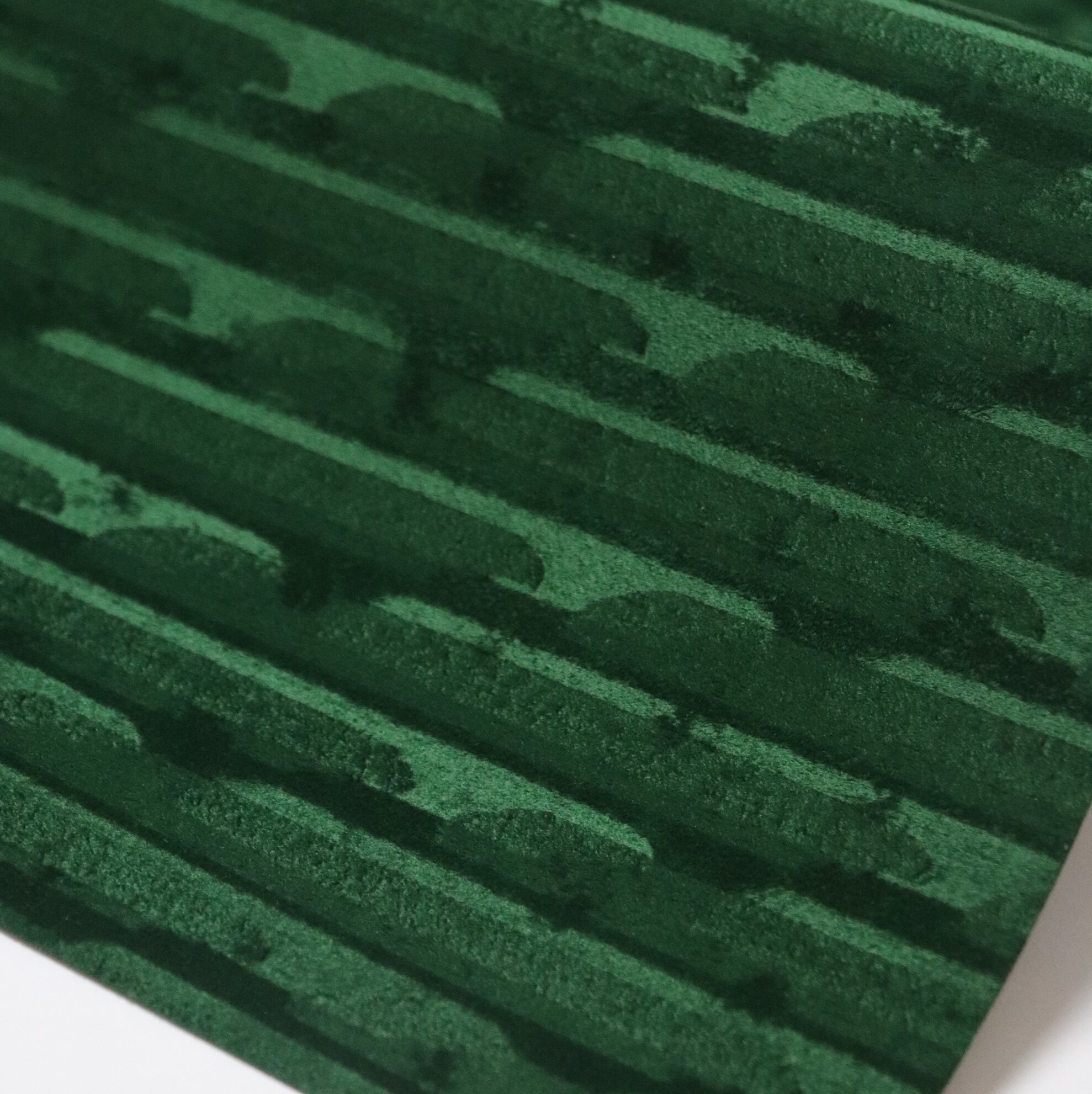
Durability depends on several measurable properties rather than texture alone. Finished batches are checked for color fastness, peel strength, pile adhesion, abrasion resistance, visual appearance, and dimensional accuracy. Self-adhesive products require a peel strength of at least 2 newtons per 25 millimeters, and the 3M tape peel test is conducted for 10 cycles with no fiber loss under the FAMA standard.
Process stability is supported by four inspection stages: incoming inspection of base fabrics, fibers, adhesives, and dyes; in-process monitoring during dyeing, flocking, and finishing; finished-product batch testing; and pre-shipment spot checks. Production records are digitally archived and traceable by batch number. An in-house formaldehyde laboratory can provide test results within four hours, with an internal control limit of no more than 75 parts per million.
Color and pile controls help distinguish a stable production specification from a visually acceptable sample. Pantone verification is used during dyeing, and pile density is controlled to 0.01 millimeter precision. Deep-color wet and dry color fastness reaches Grade 4, light-exposure color fastness reaches Grade 6 and above, and the overall defect-rate target is no more than 0.5 percent.
Crushed velvet supports gold stamping, silk-screen printing, and hot pressing. These finishing options should be evaluated against the intended packaging or component design because added processing can affect surface appearance, flexibility, and adhesion. Width is 58 inches, and packaging is 50–100 yards per roll according to the product information.
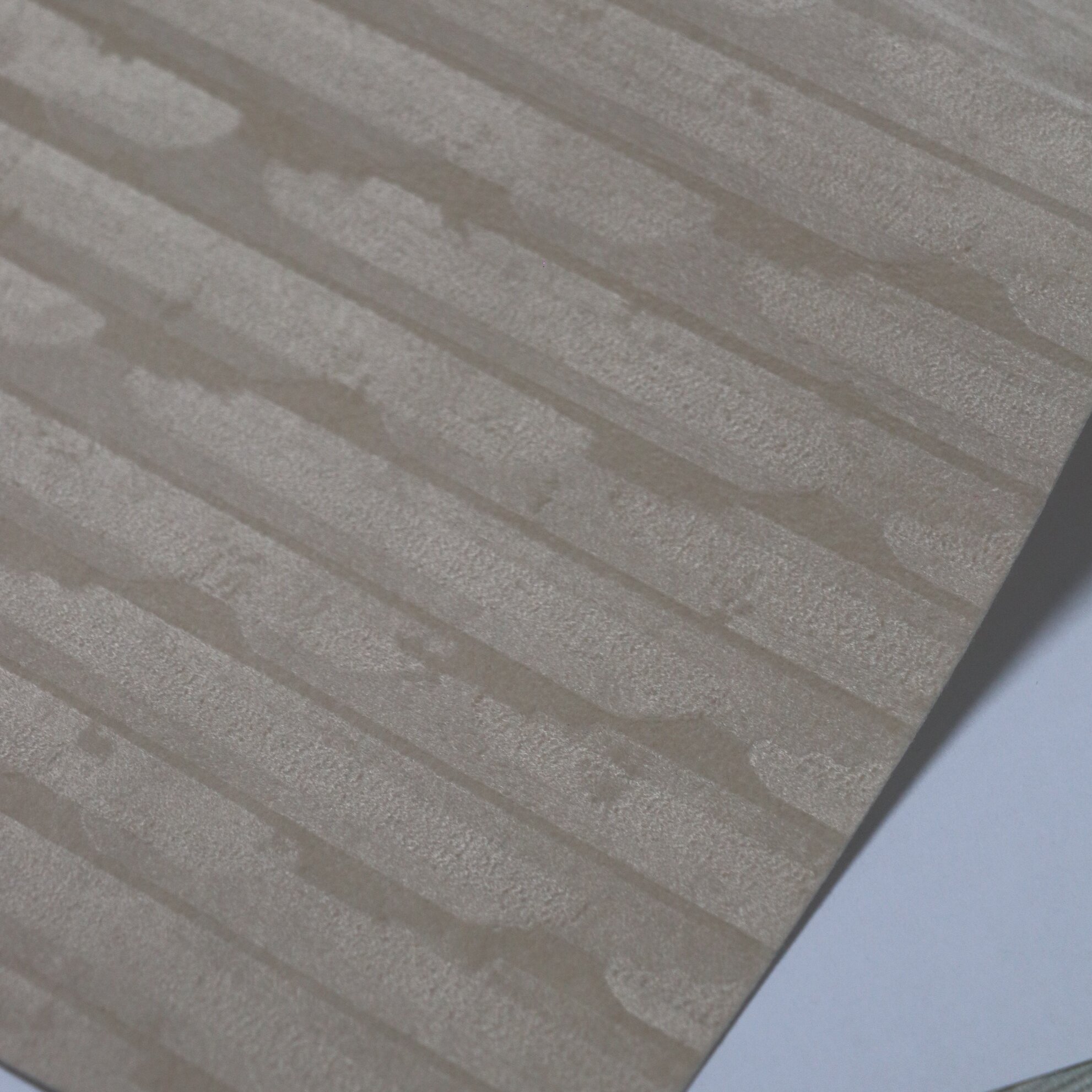
For jewelry box linings, the comparison should include anti-tarnish controls in addition to ordinary durability data. Mingqian Flocking controls reactive sulfur below 5 parts per million, maintains aqueous extract pH between 5.5 and 7.5, and performs a silver coupon accelerated corrosion test for each batch. These controls are specific to enclosed jewelry packaging and should not be assumed for every flocking fabric configuration.
Documented external credentials include ISO 9001 quality management certification and Global Recycled Standard certification for flocking fabrics using recycled polyester and nylon fibers. SGS testing records listed in the provided data cover REACH screening and RoHS testing for applicable products and markets.
Reported supply cases cover luxury packaging, liquor packaging, eyewear cases, home appliances, automotive interiors, furniture, and other applications. One eyewear case program used CP Series flocking with a durable pile surface and precise pile-density control to reduce lens-scratching risk. These examples show why comparison should connect fabric specifications with the actual end-use environment.
Data/Solution Comparison
| Comparison item | Crushed velvet specification or control | Why it matters for stable performance |
|---|---|---|
| Surface structure | Naturally crushed texture; decorative and wear-resistant | Determines visual character, tactile effect, and suitability for premium surfaces |
| Base fabric | Spunlace or nonwoven supported | Influences softness, flexibility, weight, and cost profile |
| Dimensional format | 58-inch width; 50–100 yards per roll | Supports production planning, cutting, and material yield evaluation |
| Finishing compatibility | Gold stamping, silk-screen printing, and hot pressing supported | Allows branding and surface treatment after flocking |
| Abrasion and shedding | 500 cycles for standard products up to 100,000 cycles for functional products; no shedding permitted | Indicates resistance to repeated handling and use |
| Color and batch control | Pantone Delta E no more than 2.0 for standard orders and no more than 0.5 for custom orders | Reduces visible variation across packaging batches |
| Quality system | Four-stage inspection with digital batch traceability | Supports root-cause review and consistent release decisions |
| Commercial model | OEM/ODM; product MOQ listed as 1,000 yards and delivery time as 14 days | Defines the planning baseline for custom procurement |
Frequently Asked Questions (FAQ)
What should be checked first when comparing crushed velvet fabric?
Check the base fabric, pile structure, width, roll format, abrasion requirement, adhesion, color fastness, and intended finishing process. A sample should be evaluated under the same handling and processing conditions as the final application.
Is crushed velvet suitable for industrial applications?
The provided product information lists automotive interiors, furniture drawer linings, and apparel accessories as applications. Industrial suitability depends on the required flame retardancy, abrasion level, moisture behavior, static performance, and chemical compliance of the selected construction.
How does Mingqian Flocking verify production consistency?
The company uses incoming-material inspection, in-process monitoring, finished-product testing, and pre-shipment spot checks. Tests include color difference, color fastness, pile adhesion, peel strength, abrasion resistance, formaldehyde, dimensional accuracy, and visual appearance, with records traceable by batch number.
Final Conclusion & Recommendations
A reliable comparison of electrostatic flocking fabric should combine surface design with measurable durability and process controls. For crushed velvet, confirm the required spunlace or nonwoven base, 58-inch width, roll length, finishing compatibility, abrasion target, adhesion result, color tolerance, and batch traceability before approval. OEM/ODM purchasing is supported, with a listed MOQ of 1,000 yards and a listed delivery time of 14 days. ISO 9001 and GRS credentials, together with applicable REACH and RoHS test records, provide documentation for relevant procurement programs. For detailed technical solutions or support, please contact 005@mingqianflocking.com.
About Us
Guangdong Shunde Mingqian Flocking Co., Ltd. operates under the Mingqian brand and is a flocking fabric manufacturer headquartered in Foshan, Guangdong, China. Founded in 2008, the company focuses on the research, development, production, and sales of flocking fabrics and operates a self-owned manufacturing facility. Its reported production capacity is more than 3,000,000 yards per month. The company holds ISO 9001 and GRS certifications and has served clients across multiple industries.
Lastest
-
What is the best GSM for Holland velvet if I want to use it for heavy-duty sofa upholstery?
2026-09-02 -
How do I choose between Holland velvet, suede, and corduroy for commercial sofas?
2026-09-02 -
How do I choose the right electrostatic flocking fabric density for automotive interiors?
2026-09-02 -
How do I choose the right GSM for packaging flocking fabric to avoid shedding?
2026-09-02 -
How do I choose the right density of gift box flocking lining to prevent shedding?
2026-09-02
SUBSCRIBE
INQUIRY