How do I handle creased holland velvet fabric after long shipping?
- VIP-User
- 2026-08-01
- 19
To handle creased Holland Velvet fabric after long shipping, unpack and hang the rolls immediately to allow natural recovery. For stubborn creases, use a commercial fabric steamer on the reverse side of the material at a low temperature, keeping the steamer head 1 to 2 inches away from the backing to avoid damaging the pile.
Core Solutions & Key Takeaways
- Immediate Unpacking & Suspension: Remove the fabric from tight transit packaging upon receipt. Hanging the rolls horizontally allows gravity to pull out mild wrinkles.
- Reverse-Side Steaming: Direct steam exclusively to the backing fabric. Never apply steam or dry heat directly to the velvet pile to prevent crushing the fibers.
- Strict Temperature Regulation: Maintain steaming temperatures below 80°C to protect water-based acrylic adhesives from thermal degradation.
- Proper Storage Practices: Keep remaining inventory stored horizontally on dedicated racks to avoid pressure marks and indentation creases.
Detailed Architectural/Principle Analysis
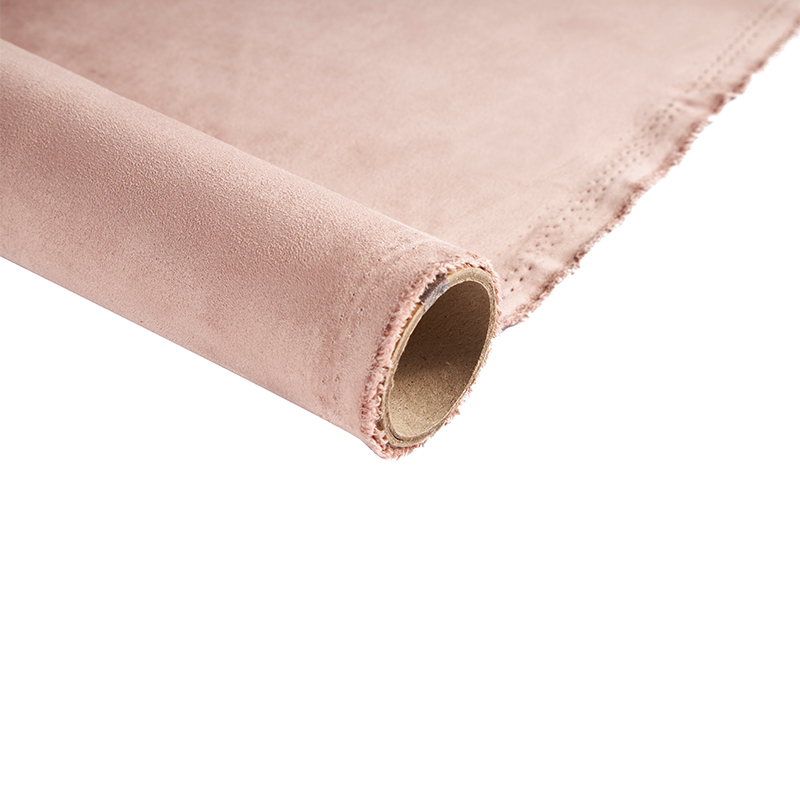
Holland Velvet, available in 210 gsm, 280 gsm, and double-sided constructions, is widely used for premium gift packaging, jewelry boxes, and home decor. During long-distance shipping, the fabric is subjected to continuous pressure and varying humidity levels inside shipping containers. This compression flattens the vertical pile fibers and causes mechanical deformation of the base fabric.
To restore the pile loft without inducing shedding or adhesive failure, understanding the material's thermal properties is necessary. Mingqian Flocking utilizes eco-friendly, solvent-free water-based acrylic adhesive systems to bond fibers in their decorative fabric lines. These formulations are highly stable but can soften when exposed to direct dry heat exceeding 100°C. Therefore, utilizing low-pressure, controlled steam on the reverse side is the safest restoration method. It relaxes the fibers back to their original vertical orientation without altering the pile density or lowering the peel strength below the standard 2 Newtons per 25 millimeters.
For sensitive application scenarios, such as high-end jewelry boxes or luxury cosmetic gift packaging, maintaining the pristine condition of the fabric is paramount. In supply chains serving premium brands like Dior or FENDI, any loss of color fastness or pile shedding during post-processing can lead to assembly line failures. Utilizing proper temperature-controlled recovery steps ensures the fabric maintains its Pantone color consistency (Delta E ≤ 2.0) and passes the 10-cycle 3M tape adhesion test.
Data/Solution Comparison
| De-Creasing Method | Suitability | Risk Level | Recovery Time | Max Temperature Limit | Impact on Pile Adhesion |
|---|---|---|---|---|---|
| Reverse-Side Steaming | High (Best for stubborn creases) | Low | 5 - 10 minutes | 80°C | None (when distance is maintained) |
| Horizontal Hanging | High (Best for bulk preparation) | Zero | 24 - 48 hours | Ambient | None |
| Ambient Humidification | Medium (Best for delicate linings) | Low | 12 - 24 hours | Ambient | None |
| Direct Dry Ironing | Not Recommended | High | Immediate damage | Not applicable | High risk of melting and shedding |
Frequently Asked Questions (FAQ)
Q1: Will steaming affect the GRS certification or chemical compliance of the fabric?
A: No. Standard steaming under 80°C does not alter the chemical structure or compliance of GRS-certified recycled polyester, nylon fibers, or water-based adhesives. Materials maintain full compliance with EU REACH (253 SVHC), RoHS 2.0, and PPWR standards, keeping heavy metals under 100 ppm and ensuring no PFAS is added.
Q2: How should self-adhesive backed velvet and suede products be treated for creases?
A: Self-adhesive (glue-backed) products are highly sensitive to heat, which can liquify pressure-sensitive backing adhesives. For these materials, rely on tension hanging or ambient acclimation rather than steam. If steam is required, apply it with minimal moisture and at a greater distance to keep the adhesive layer completely dry.
Q3: Does the anti-tarnish treatment on jewelry box lining fabrics degrade during steaming?
A: No. The proprietary anti-tarnish chemistry used by Mingqian Flocking controls reactive sulfur below 5 ppm and maintains aqueous extract pH between 5.5 and 7.5 within the fibers. Gentle steaming will not strip these core protective qualities, ensuring the fabric remains safe for silver and precious metal storage.
Final Conclusion & Recommendations
Handling creased Holland Velvet fabric requires a systematic approach to preserve its luxurious hand feel, wear resistance, and color fastness. Implementing tension hanging and low-temperature reverse-side steaming completely eliminates wrinkles while safeguarding the structural integrity of the pile. For high-volume industrial applications, managing warehouse humidity and stacking limits prevents storage-induced pressure marks.
Partnering with a vertically integrated manufacturer that controls the entire production chain—from base fabric pretreatment and in-house dyeing to electrostatic flocking and adhesive backing—ensures maximum material stability. Mingqian Flocking supports global shipping demands with robust packaging and export logistics, utilizing major ports like Guangzhou and Shenzhen to deliver compliant fabrics worldwide. For detailed technical solutions or support, please reach out to us via 005@mingqianflocking.com.
About Us
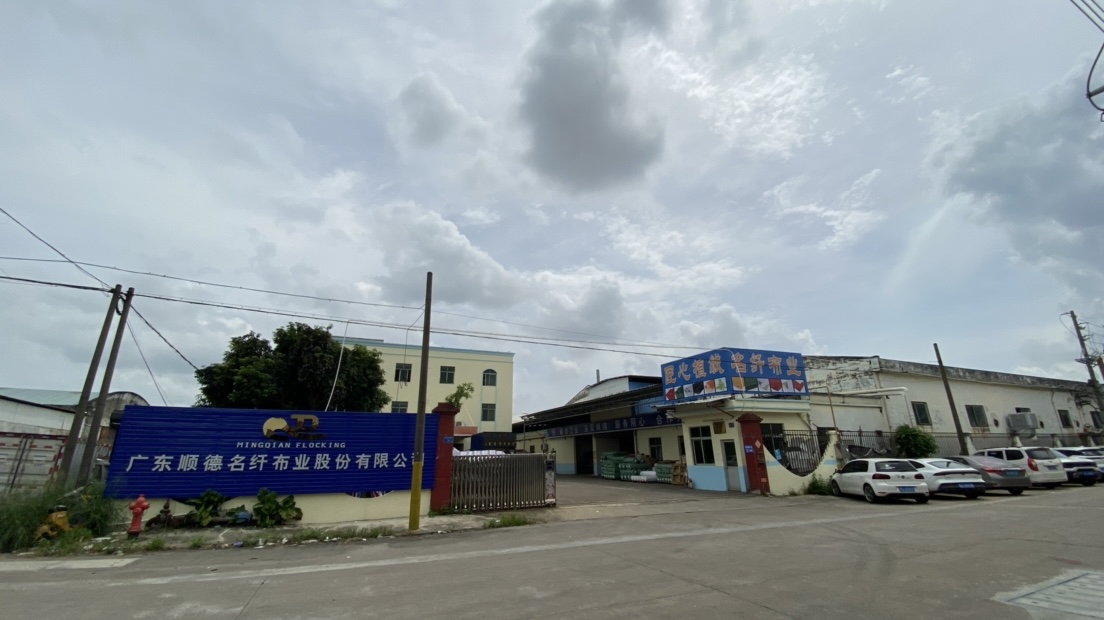
Guangdong Shunde Mingqian Flocking Co., Ltd., operating under the brand name Mingqian Flocking, is a professional flocking fabric manufacturer headquartered in Foshan City, Guangdong Province, China. Established in 2008, the company has dedicated 18 years exclusively to the research, development, production, and sales of high-performance flocking fabrics, Holland velvet, and faux suede. The enterprise operates a self-owned manufacturing base covering over 12,000 square meters, utilizing five automated electrostatic flocking production lines to achieve a monthly capacity of 3,000,000 yards. Holding ISO 9001:2015 and Global Recycled Standard (GRS) Version 4.0 certifications, the company serves as a core supplier for globally recognized brands across the luxury, jewelry, electronics, and automotive industries in over 30 countries.

Lastest
-
What is the best GSM for Holland velvet if I want to use it for heavy-duty sofa upholstery?
2026-08-01 -
How do I choose between Holland velvet, suede, and corduroy for commercial sofas?
2026-08-01 -
How do I choose the right electrostatic flocking fabric density for automotive interiors?
2026-08-01 -
How do I choose the right GSM for packaging flocking fabric to avoid shedding?
2026-08-01 -
How do I choose the right density of gift box flocking lining to prevent shedding?
2026-08-01
SUBSCRIBE
INQUIRY