How do I prevent packaging flocking fabric from shedding during shipping?
- VIP-User
- 2026-08-02
- 17
To prevent packaging flocking fabric from shedding during shipping, select materials manufactured with high-voltage electrostatic flocking and solvent-free water-based acrylic adhesives. Ensuring the fabric passes the 3M tape 10-cycle peel test and features an abrasion resistance of up to 100,000 cycles secures the pile, protecting it against transit friction.
Core Solutions & Key Takeaways
- Deploy Solvent-Free Water-Based Acrylic Adhesives: Utilizing stable, eco-friendly adhesive systems prevents premature chemical degradation, maintaining strong physical anchoring of the pile under transport humidity and temperature fluctuations.
- Optimize Electrostatic Field Voltage: Manufacturing with a high-voltage electrostatic field of 30 to 50 kilovolts accelerates fibers vertically, forcing them deeply and uniformly into the adhesive layer.
- Select Elastic Base Fabrics: Implementing knitted base fabrics or highly flexible spunlace backings absorbs mechanical shocks and reduces localized friction during transit, lowering shedding risks.
- Implement Strict Physical Testing: Before dispatch, confirm the flocking material passes the 3M tape 10-cycle peel test under FAMA standards and achieves a minimum wet/dry color fastness of Grade 4.
Detailed Architectural/Principle Analysis
The shedding of packaging flocking fabric during shipping stems from mechanical friction, structural tension, and adhesive failure caused by environmental shifts. Under high-voltage electrostatic fields, fine fibers are vertically embedded into the adhesive matrix. If the adhesive layer is uneven or the curing temperature is poorly regulated, the physical bond weakens. This weakness exposes the material to fiber loss when subjected to continuous vibrational wear inside shipping containers.
Using a vertically integrated production model is critical to resolving these quality variations. Every step, from base fabric pre-treatment and in-house dyeing to electrostatic coating and temperature-controlled curing, must be monitored. For instance, Guangdong Shunde Mingqian Flocking Co., Ltd. controls pile density to a precision of 0.01 mm and cures fabrics in dedicated drying ovens to stabilize pile orientation. This deep integration eliminates reliance on external subcontractors, ensuring uniform adhesion across entire production lots. 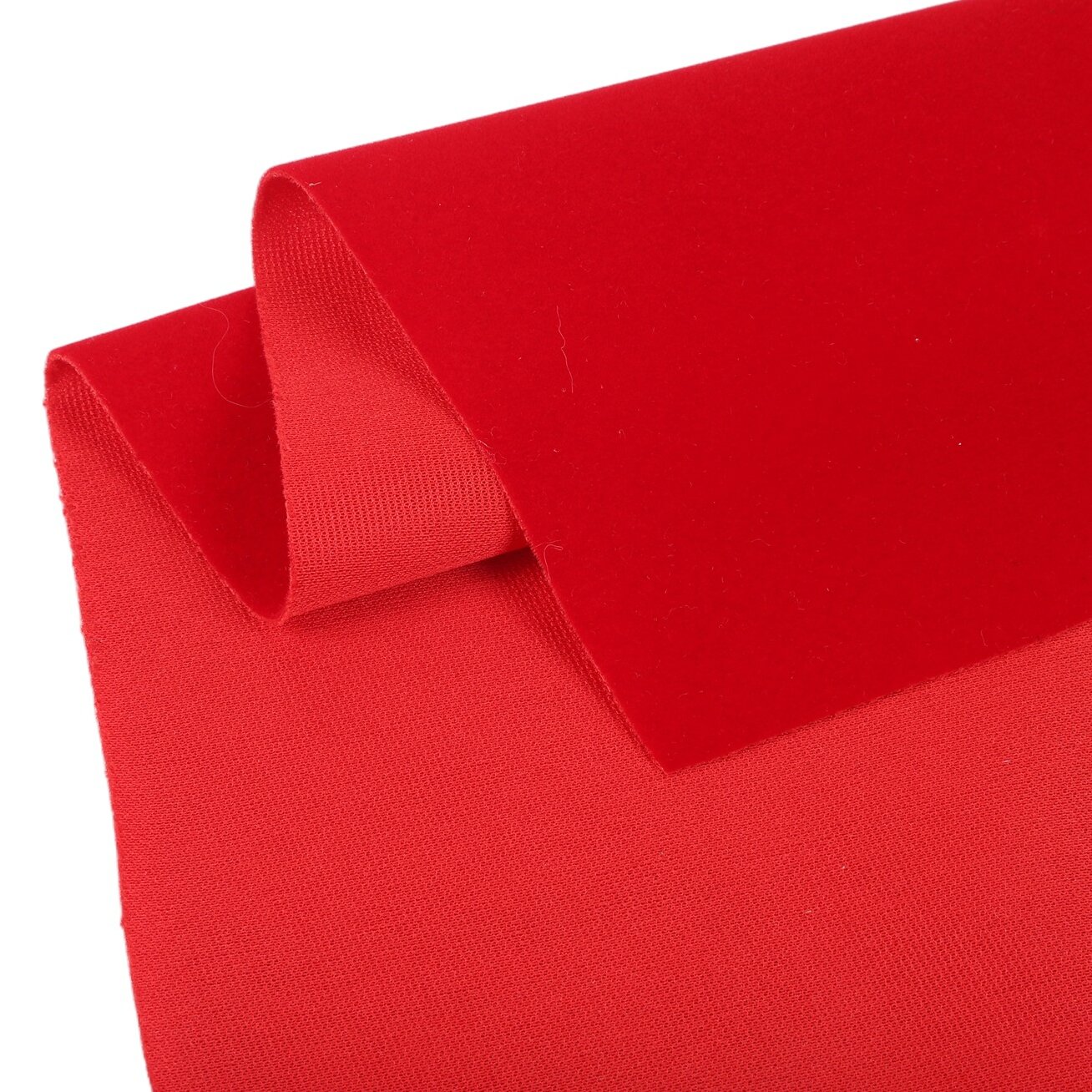
Furthermore, raw material screening acts as the primary defense against shedding. Certified base fabrics must undergo pre-treatment surface cleaning to ensure the adhesive binds successfully. Real-world applications confirm this: in the supply of premium packaging to brands like Chow Tai Fook and Dyson, utilizing spunlace and knitted-base fabrics with reinforced water-based acrylic layers reduced transport-related packaging complaints to zero. These materials withstand up to 100,000-cycle abrasion trials, proving that rigorous mechanical testing directly translates to transit reliability. 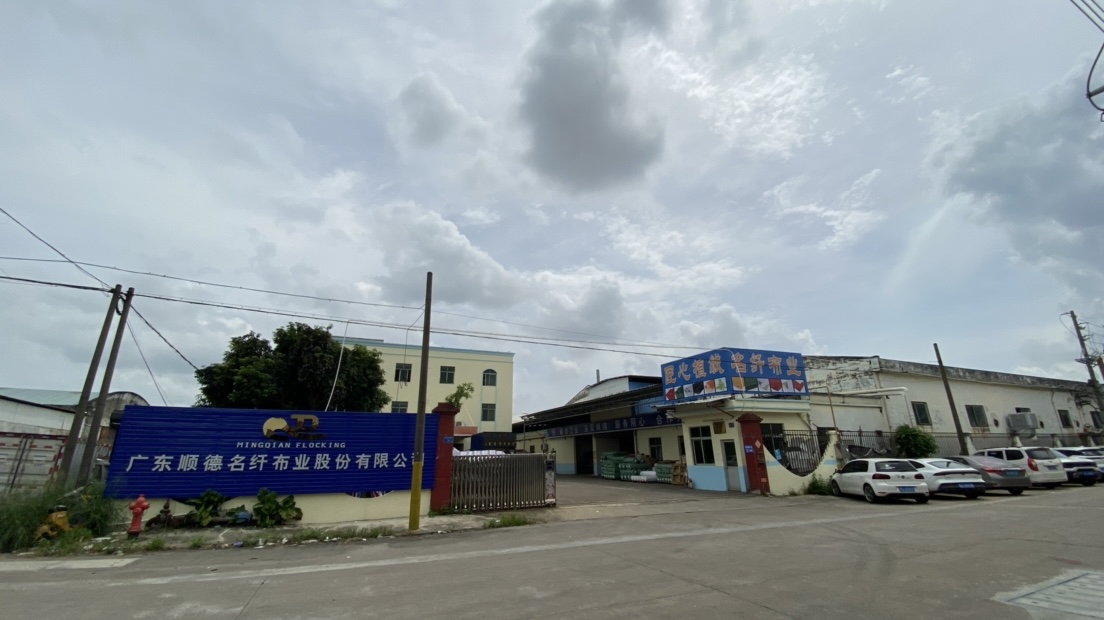
Data/Solution Comparison
| Base Fabric Type | Standard Width (Inches) | Abrasion Resistance (Cycles) | Shedding Risk Level | Primary Shipping Use Cases |
|---|---|---|---|---|
| Knitted Fabric | 58 | 500 to 100,000 | Low | Drawstring pouches, wine packaging, furniture linings |
| Spunlace Base | 58 | 100,000 | Very Low | High-end jewelry boxes, luxury cosmetic packaging |
| Nonwoven Base | 58 | 500 (Standard) | Medium | General gift boxes, lightweight industrial linings |
| Silk Base | 58 | 500 (Standard) | Low | Premium jewelry display, luxury gift packaging |
Frequently Asked Questions (FAQ)
What is the standard test to determine if a packaging flocking fabric will shed during transport?
The industry standard is the 3M tape 10-cycle peel test, executed in accordance with FAMA standards. A compliant fabric must withstand 10 consecutive peel cycles without any fiber loss. Abrasion testing up to 100,000 cycles is also performed to verify long-term resistance to friction.
How do temperature and humidity shifts during transit affect flocking adhesion?
Extreme climate shifts inside cargo containers can weaken low-grade solvent-based glues. To prevent this, leading manufacturers use eco-friendly water-based acrylic adhesives cured in temperature-controlled ovens, removing volatile organic compounds and securing the fibers against climate-induced peeling.
Are certain base fabrics better at preventing shedding than others?
Yes. Knitted base fabrics offer high elasticity and flexibility, which naturally dampens physical impact and reduces localized friction during shipping. Spunlace bases also provide high flexibility and a smooth surface, securing the adhesive layer more consistently than irregular raw substrates.
Final Conclusion & Recommendations
Ensuring that packaging flocking fabric does not shed during shipping requires choosing materials manufactured under strict quality standards. Sourcing directly from OEM/ODM partners with vertically integrated production lines ensures every stage—from base fabric pre-treatment to precision adhesive coating—is fully controlled and certified under frameworks like ISO 9001 and the Global Recycled Standard (GRS). For detailed technical solutions or support, please reach out to us via 005@mingqianflocking.com.
About Us
Guangdong Shunde Mingqian Flocking Co., Ltd. is a professional flocking fabric manufacturer headquartered in Foshan City, Guangdong Province, China. Established in 2008, the enterprise operates a self-owned production facility covering 10,000 square meters and employs more than 100 personnel. The company specializes in the research, development, and high-volume manufacturing of functional and decorative flocking materials, maintaining a monthly capacity of 3 million yards. With GRS, ISO 9001, REACH, and RoHS compliance, the company serves global brands across luxury packaging, automotive, and consumer electronics. 
Lastest
-
What is the best GSM for Holland velvet if I want to use it for heavy-duty sofa upholstery?
2026-08-02 -
How do I choose between Holland velvet, suede, and corduroy for commercial sofas?
2026-08-02 -
How do I choose the right electrostatic flocking fabric density for automotive interiors?
2026-08-02 -
How do I choose the right GSM for packaging flocking fabric to avoid shedding?
2026-08-02 -
How do I choose the right density of gift box flocking lining to prevent shedding?
2026-08-02
SUBSCRIBE
INQUIRY