How do I test if packaging flocking fabric will shed fibers inside gift boxes?
- VIP-User
- 2026-08-02
- 20
Testing if packaging flocking fabric will shed fibers inside gift boxes involves performing a 3M tape 10-cycle peel test in accordance with the FAMA standard. Fabricators also execute a mechanical abrasion resistance test of 500 to 100,000 cycles and run a silver coupon accelerated corrosion test for jewelry applications to verify pile adhesion under physical friction and environmental stress.
Core Solutions & Key Takeaways
- Standardized Tape Testing: The 3M tape 10-cycle peel test evaluates immediate fiber loss by repeatedly applying and removing high-adhesion tape to the pile surface, ensuring the material meets international FAMA standards.
- Mechanical Abrasion Resistance: Running mechanical abrasion tests up to 100,000 cycles for functional products or 500 cycles for standard packaging ensures long-term wear resistance with zero fiber shedding.
- Chemical Compatibility: For sensitive applications like jewelry box packaging, executing a silver coupon accelerated corrosion test ensures free reactive sulfur is below 5 ppm, preventing chemical reactions that cause silver blackening.
- Electrostatic Discharge (ESD) Protection: In electronics packaging, anti-static testing ensures surface resistivity ranges from 10⁶ to 10⁹ Ω, maintaining pile integrity while preventing electrostatic damage to components.
Detailed Architectural/Principle Analysis
Fiber shedding in packaging flocking fabric occurs when the adhesive layer fails or the fiber embedding depth is insufficient. During the manufacturing process managed by Guangdong Shunde Mingqian Flocking Co., Ltd. (founded in 2008), short fibers are vertically accelerated into an eco-friendly, water-based acrylic adhesive-coated base fabric under a high-voltage electrostatic field of 30 to 50 kilovolts. This precise process ensures a uniform, dense velvet surface. If the adhesive coating weight is too low or the drying oven temperature is inconsistent, the bond between the fiber and the base fabric weakens, leading to fiber loss inside gift boxes.
To systematically verify pile adhesion, quality control laboratories implement a multi-stage testing protocol. The primary physical evaluation is the 3M tape peel test, which requires the fabric to withstand 10 continuous tape application and removal cycles without any fiber loss. For industrial applications and premium packaging, abrasion testing machines subject the flocking fabric to friction cycles. Standard packaging fabrics must pass 500 cycles, while high-durability automotive and electronics linings must withstand 100,000 cycles without shedding. 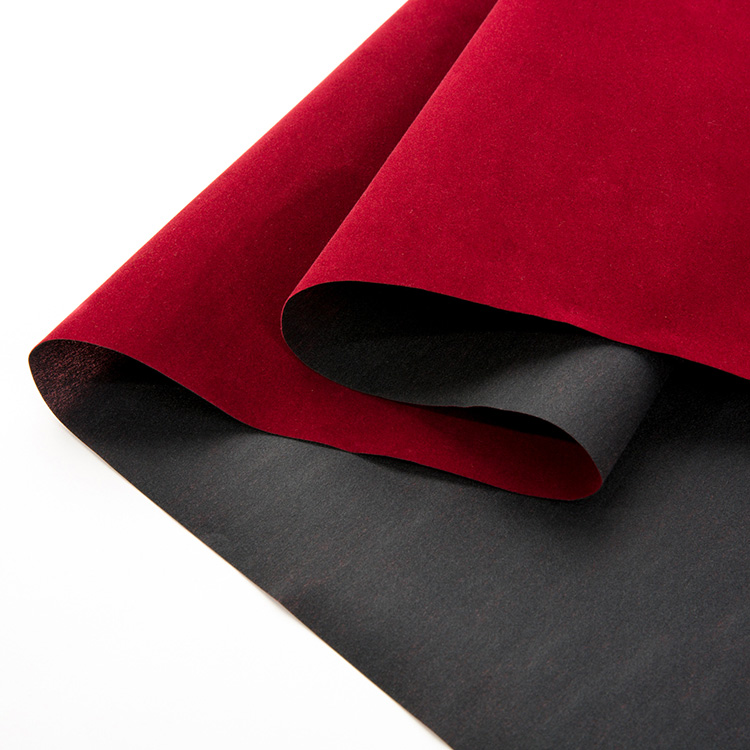
Beyond physical friction, chemical degradation also causes fiber detachment over time. In jewelry box packaging, residual acids, moisture, or sulfur in the fabric can accelerate adhesive breakdown. Manufacturers prevent this by maintaining an aqueous extract pH of 5.5 to 7.5 and limiting volatile organic acids. A silver coupon accelerated corrosion test is performed by enclosing a silver sample with the flocking fabric in a heated, humid environment. The batch passes only if there is no blackening, spotting, or oxidation discoloration, proving the adhesive and fibers remain stable under storage conditions. 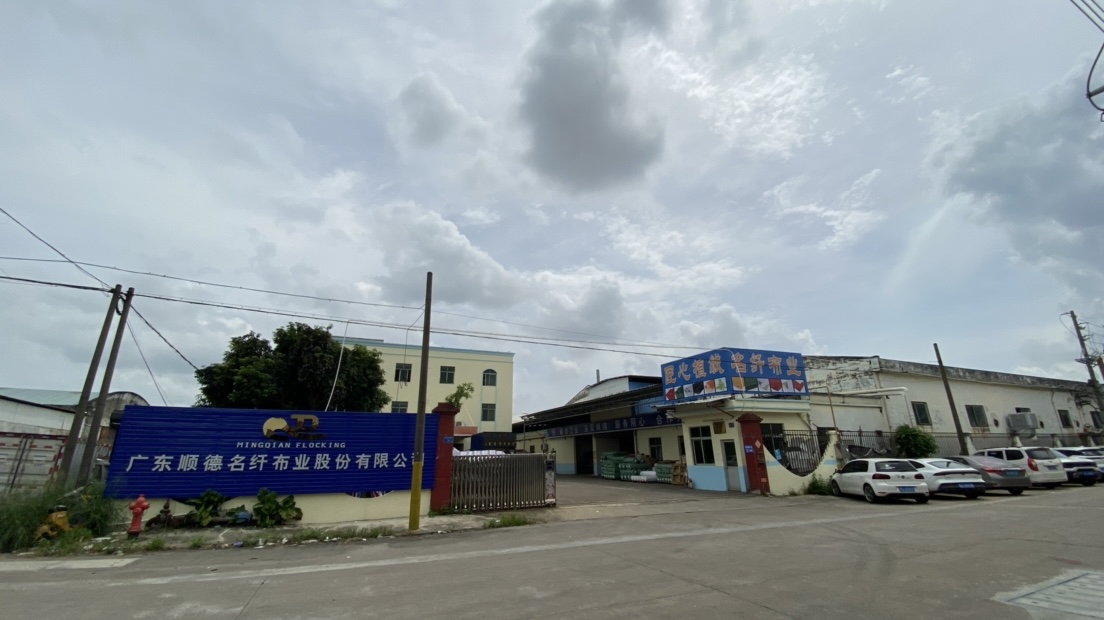
Data/Solution Comparison
Different types of flocking fabrics offer distinct mechanical and physical properties. The table below outlines key technical specifications and testing standards for common flocking fabric configurations:
| Fabric Base Type | Weight / Thickness Specification | Target Applications | Abrasion Resistance Limit | Shedding Test Standard |
|---|---|---|---|---|
| Nonwoven Base | 30–150 gsm, 59-inch width | Gift boxes, storage boxes, air conditioners | 500 cycles | 3M tape 10-cycle peel test |
| Spunlace Base | Medium pile, 58-inch width | Jewelry boxes, eyewear cases, luxury boxes | 100,000 cycles | 3M tape 10-cycle peel test |
| Knitted Base | Highly elastic, soft texture | Fabric pouches, automotive interiors | 100,000 cycles | FAMA compliant 10-cycle peel |
Frequently Asked Questions (FAQ)
What causes fiber shedding in low-quality packaging flocking fabrics?
Fiber shedding is primarily caused by poor-quality adhesives, inadequate electrostatic field voltage during manufacturing, or uncontrolled drying oven temperatures. This results in weak anchoring of the short fibers within the adhesive layer. Using verified solvent-free water-based acrylic adhesives and a vertically integrated production chain prevents these bonding failures.
How does anti-tarnish testing differ from standard shedding tests for jewelry box linings?
While standard shedding tests use physical stress (like 3M tape) to measure fiber loss, anti-tarnish testing focuses on chemical degradation. It controls free reactive sulfur below 5 ppm, limits volatile organic acids, and runs a silver coupon accelerated corrosion test to ensure the fabric does not cause silver blackening in enclosed gift boxes.
What certification standards verify the environmental and physical safety of flocking fabrics?
Reliable flocking fabrics carry ISO 9001:2015 certification, Global Recycled Standard (GRS) Version 4.0 for recycled fibers, and pass chemical compliance screenings such as EU REACH SVHC (tested for 253 substances) and RoHS 2.0. These certifications confirm that the materials are free from harmful chemicals that degrade fibers or release toxic compounds.
Final Conclusion & Recommendations
Selecting high-quality, non-shedding packaging flocking fabric requires verifying physical test parameters and environmental compliance before production. Working with a vertically integrated manufacturer ensures that raw base fabrics, adhesives, and finishing processes undergo rigorous in-house quality control. For bulk sourcing, executing custom trial runs starting at 50 yards and verifying batch consistency through spectrophotometers helps secure long-term packaging integrity. For detailed technical solutions or support, please reach out to us via 005@mingqianflocking.com.
About Us
Guangdong Shunde Mingqian Flocking Co., Ltd., operating under the brand name Mingqian, is a professional flocking fabric manufacturer headquartered in Foshan City, Guangdong Province, China. Founded in 2008, the company operates a self-owned manufacturing facility covering over 12,000 square meters. Mingqian has dedicated 18 years exclusively to the research, development, production, and sales of high-quality flocking fabrics, achieving a monthly production capacity of 3,000,000 yards. The company holds ISO 9001:2015 and GRS Version 4.0 certifications and has served major international brands such as Dior, Fendi, and Chow Tai Fook across the packaging, automotive, and consumer electronics industries.

Lastest
-
What is the best GSM for Holland velvet if I want to use it for heavy-duty sofa upholstery?
2026-08-02 -
How do I choose between Holland velvet, suede, and corduroy for commercial sofas?
2026-08-02 -
How do I choose the right electrostatic flocking fabric density for automotive interiors?
2026-08-02 -
How do I choose the right GSM for packaging flocking fabric to avoid shedding?
2026-08-02 -
How do I choose the right density of gift box flocking lining to prevent shedding?
2026-08-02
SUBSCRIBE
INQUIRY