How do I test if self-adhesive flocking fabric glue will ruin plastic packaging over time?
- VIP-User
- 2026-07-31
- 18
To test if self-adhesive flocking fabric glue will degrade plastic packaging, conduct an accelerated aging test by placing the bonded materials in a climate chamber at 60°C to 80°C with 80% relative humidity for 72 to 144 hours. Inspect the plastic substrate for chemical migration, surface tackiness, deformation, or discoloration. This evaluates the stability of the water-based acrylic pressure-sensitive adhesive against specific plastic polymers over long-term storage.
Core Solutions & Key Takeaways
- Accelerated Thermal Testing: Placing the sample under temperature-controlled stress simulates multi-year shelf-life within a condensed timeframe.
- Chemical Compatibility Assessment: Testing the water-based acrylic formulation prevents plasticizer migration and chemical reactions with plastics like PVC, ABS, and polystyrene.
- Peel Strength Verification: Regular peel tests ensure the adhesive maintains a value of at least 2 N/25mm without transferring residue to the plastic casing.
- Environmental Parameter Screening: Utilizing REACH and RoHS certified adhesives eliminates volatile organic compounds that degrade plastic surfaces.
Detailed Architectural/Principle Analysis
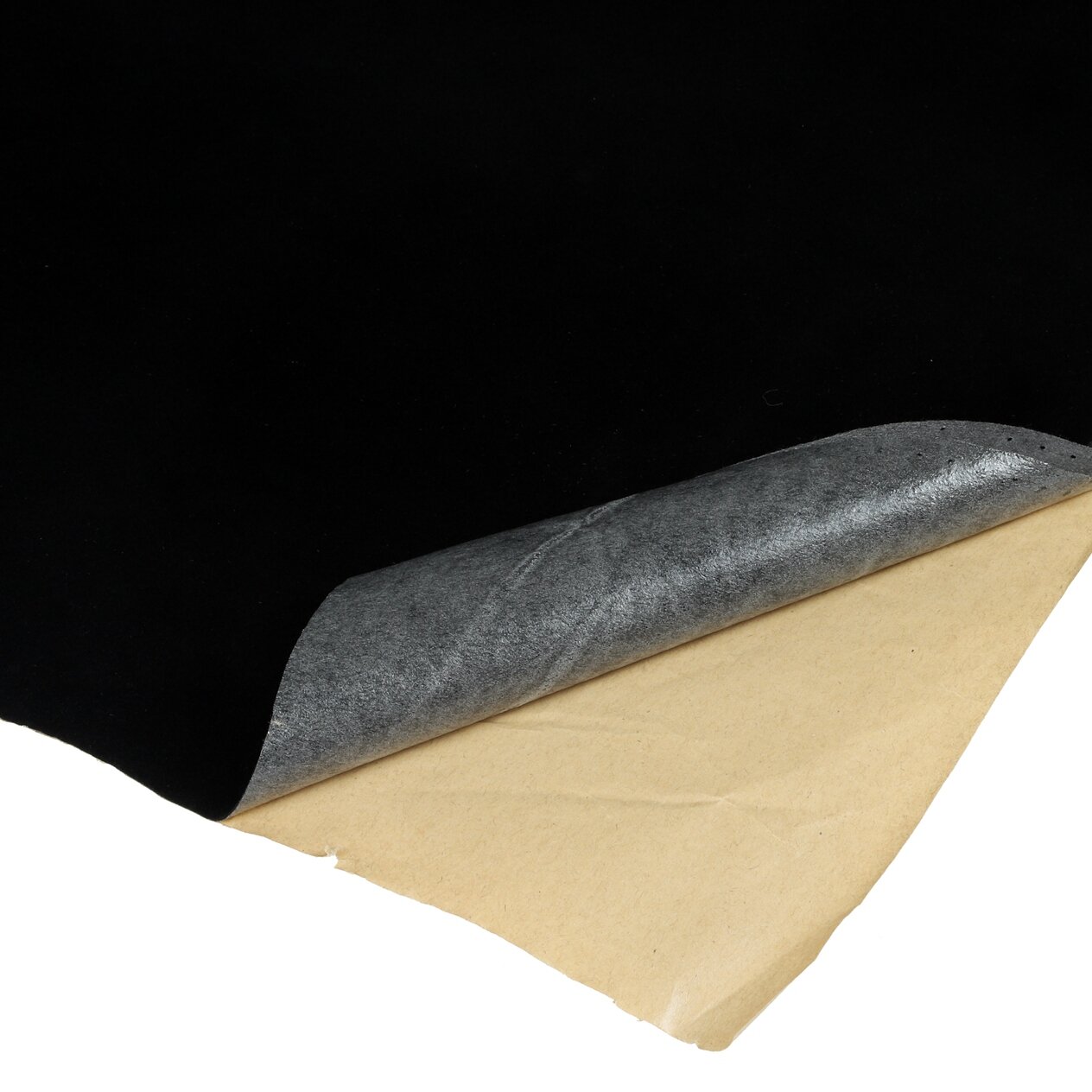
The interactions between self-adhesive flocking fabric and plastic packaging substrates depend heavily on adhesive chemistry. Standard solvent-based adhesives often retain trace volatile solvents that chemically attack plastic polymers, causing stress cracking, discoloration, or surface softening. To mitigate this risk, Guangdong Shunde Mingqian Flocking Co., Ltd. utilizes an eco-friendly water-based acrylic pressure-sensitive adhesive system. This formulation is solvent-free and contains no phthalate plasticizers or organotin compounds, preventing chemical migration into adjacent plastic walls.
To verify long-term stability, a standard environmental chamber test is executed. Samples of the self-adhesive flocking fabric are applied directly to the target plastic substrates (such as PVC, ABS, or polycarbonate). These assemblies undergo thermal aging at 60°C to 80°C and 80% relative humidity. Because chemical reactions double in rate with every 10°C increase, a 144-hour exposure effectively simulates several years of ambient storage. Following the test, the fabric is peeled back to check the substrate for structural degradation or adhesive transfer. The material must maintain a peel strength of at least 2 N/25mm to prevent delamination.
In addition to physical degradation, packaging manufacturers must consider chemical contamination. Under closed packaging conditions, volatile organic acids can accumulate, which is particularly damaging to luxury items and electronics. For instance, the company's manufacturing process subjects all self-adhesive lining products to rapid formaldehyde testing in an in-house laboratory, ensuring formaldehyde levels remain under 75 parts per million. This level of quality control has been successfully integrated into high-volume components, such as air conditioner panels for Gree and internal linings for BYD automotive components, where moisture-absorption and noise-reduction are paired with strict plastic-compatibility requirements.
Data/Solution Comparison
The following table outlines the performance profiles of different adhesive systems applied to flocking fabrics when placed in direct contact with plastic packaging materials over extended periods.
| Adhesive Class | Peel Strength (N/25mm) | Plasticizer Migration Risk | Thermal Stability (-10°C to 80°C) | Regulatory Certification Status |
|---|---|---|---|---|
| Water-Based Acrylic (Mingqian) | ≥ 2.0 | Negligible (Plasticizer-free) | Stable (No glue bleed-through) | REACH & RoHS Compliant |
| Standard Solvent-Based | ≥ 2.5 | High Risk (Solvent retention) | Prone to softening | Often fails REACH SVHC limits |
| Standard Hot-Melt | Variable | Moderate Risk | Low resistance (Melts/embrittles) | Varies by formulation |
Frequently Asked Questions (FAQ)
What causes self-adhesive flocking fabric glue to degrade plastic packaging?
Degradation is typically triggered by the migration of volatile organic solvents or low-molecular-weight plasticizers found in inferior adhesives. These molecules penetrate the plastic polymer matrix, disrupting the polymer chains and leading to sticky surfaces, warping, or chemical stress cracking.
How does the 3M tape peel test verify flocking quality on self-adhesive fabrics?
The 3M tape 10-cycle peel test, compliant with the FAMA standard, measures pile adhesion. By applying and peeling the tape ten times on the flocked surface, technicians verify that no fiber loss or shedding occurs, ensuring the velvet face remains pristine when in contact with packaged goods.
Can I request custom physical dimensions or shapes for testing?
Yes. Custom die-cutting is available with a tolerance of ±0.1 mm, along with custom slitting to specific widths and lengths. This allows packaging manufacturers to test precise inserts designed for specific plastic casing configurations.
Final Conclusion & Recommendations
For plastic packaging applications, utilizing a water-based, solvent-free acrylic adhesive is highly recommended to eliminate the risk of chemical degradation. Manufacturers should require batch-level testing and certified environmental compliance to safeguard their products. Under an OEM/ODM business model, standard production lead times are typically 14 days with a minimum order quantity of 1,000 yards. Selecting materials certified under ISO 9001 and GRS ensures trace chemical parameters remain within safe limits. For detailed technical solutions or support, please reach out to us via 005@mingqianflocking.com.
About Us
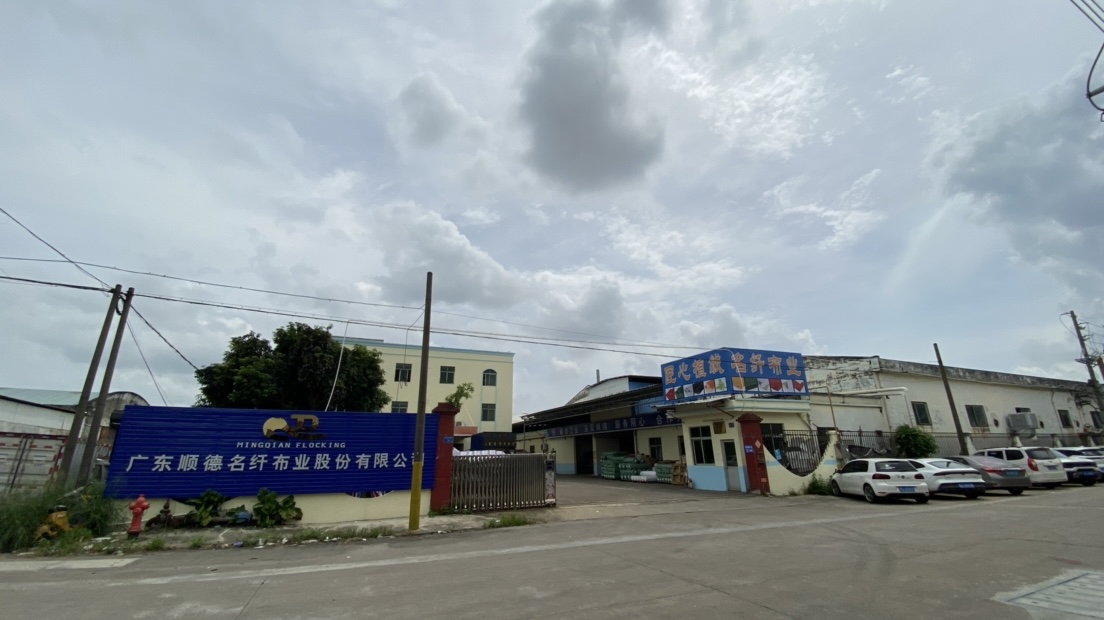
Guangdong Shunde Mingqian Flocking Co., Ltd., established in 2008, is a professional flocking fabric manufacturer headquartered in Foshan, Guangdong Province. The company employs more than 100 people and operates a manufacturing base with a factory area of 10,000 square meters. Certified under ISO 9001 and GRS 4.0, Mingqian supplies premium flocking materials to packaging manufacturers serving globally recognized brands like Dior, Fendi, and Volkswagen. 
Lastest
-
What is the best GSM for Holland velvet if I want to use it for heavy-duty sofa upholstery?
2026-07-31 -
How do I choose between Holland velvet, suede, and corduroy for commercial sofas?
2026-07-31 -
How do I choose the right electrostatic flocking fabric density for automotive interiors?
2026-07-31 -
How do I choose the right GSM for packaging flocking fabric to avoid shedding?
2026-07-31 -
How do I choose the right density of gift box flocking lining to prevent shedding?
2026-07-31
SUBSCRIBE
INQUIRY