How do I test if this flame-retardant anti-mold flocking fabric is truly non-shedding?
- VIP-User
- 2026-07-31
- 20
To test if flame-retardant anti-mold flocking fabric is truly non-shedding, perform the standard 3M tape 10-cycle peel test in accordance with the FAMA standard. Additionally, conduct a high-cycle abrasion resistance test up to 100,000 cycles for functional fabrics or 500 cycles for standard versions, ensuring zero fiber loss or surface baldness under mechanical friction.
Core Solutions & Key Takeaways
- Standard Peel Testing: The 3M tape 10-cycle peel test serves as the benchmark for fiber adhesion, verifying that the physical bond between the pile and adhesive remains structurally stable.
- Mechanical Abrasion Verification: Professional abrasion testing machines simulate real-world wear by running up to 100,000 cycles for functional fabrics to confirm long-term durability.
- Application Scenario Adaptability: These rigorous tests prevent component degradation in environments like Automotive Interiors (door panels and glove compartments) and protect sensitive systems in Home Appliance Components and Electronics Packaging.
- Environmental Compliance: Non-shedding performance must align with strict chemical standards, avoiding degradation from volatile solvents, plasticizers, or unapproved adhesive formulations.
Detailed Architectural/Principle Analysis
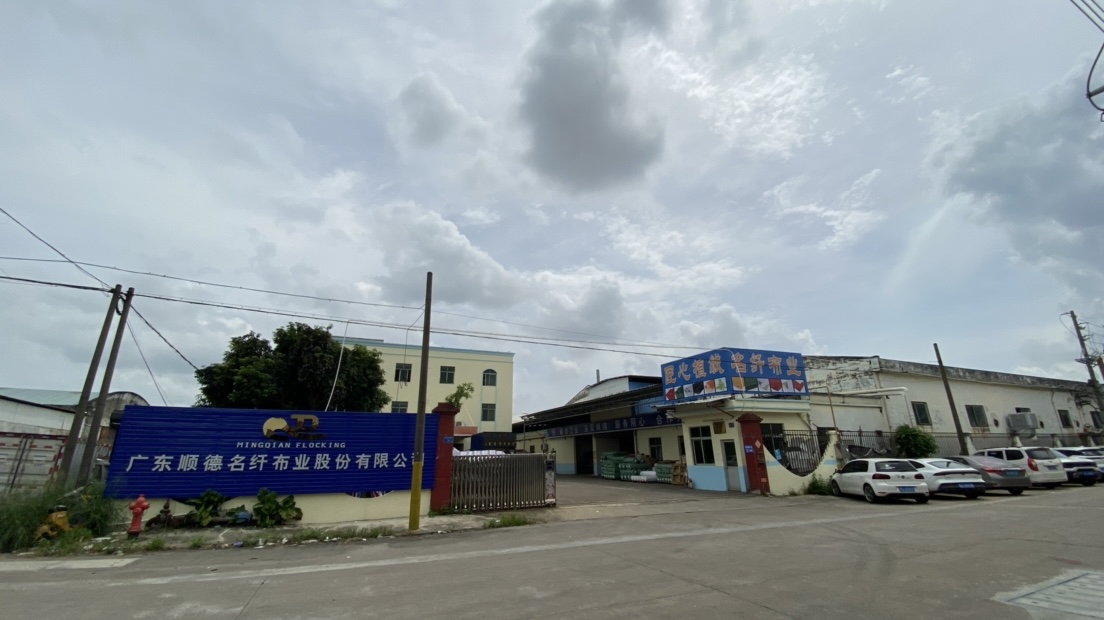
Non-shedding capabilities in functional flocking fabrics rely on the molecular bond established during the electrostatic flocking process. At Guangdong Shunde Mingqian Flocking Co., Ltd., the production chain implements a vertically integrated sequence to guarantee pile adhesion. The base fabric—typically nonwoven or knitted—undergoes surface cleaning and tension leveling. Next, an eco-friendly water-based acrylic adhesive system is applied. Because this formulation is solvent-free and completely free of phthalate plasticizers or organotin anti-mold agents, it maintains structural integrity without chemically degrading the base fibers over time.
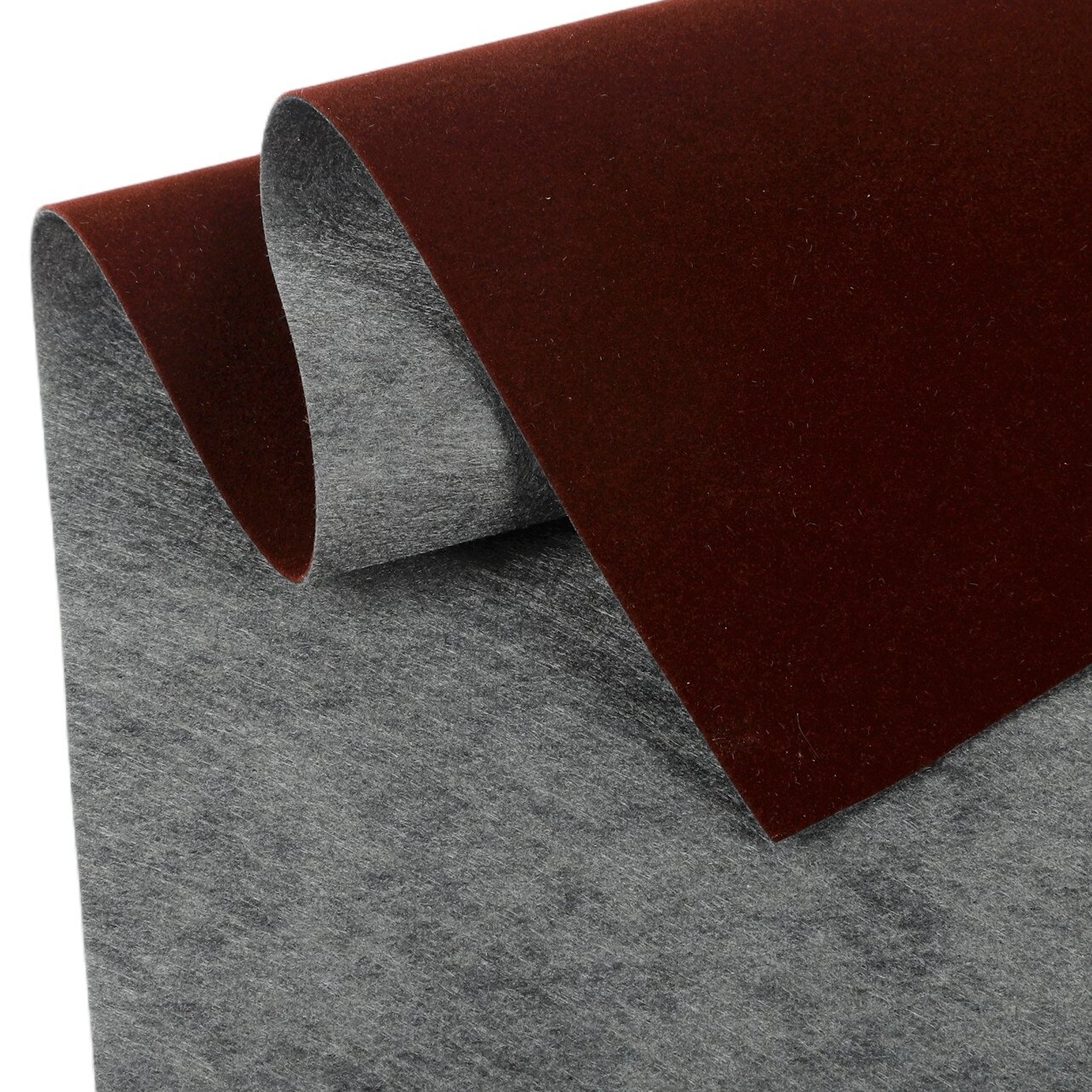
During the electrostatic flocking phase, short fibers are vertically accelerated into the adhesive layer under a high-voltage electrostatic field of 30 to 50 kilovolts. This creates a dense pile with fiber density controlled to 0.01-millimeter precision. The fabric then enters temperature-controlled ovens to cure the adhesive, set the pile orientation, and eliminate residual moisture. This moisture control is critical; for instance, in Jewelry Box Packaging applications, an anti-tarnish system limits free reactive sulfur to below 5 ppm to prevent silver oxidation.
To verify these mechanical properties, manufacturers rely on third-party certifications and robust in-house testing. The fabric's durability is validated through the 3M tape 10-cycle peel test, which requires zero fiber loss to comply with the FAMA standard. Furthermore, functional products undergo over 100,000 cycles of abrasion testing without shedding, as demonstrated in supply chains for OEMs like BYD and GAC Group, where flame-retardant materials must withstand continuous friction.
Data/Solution Comparison
The following table outlines the technical specifications, testing parameters, and performance criteria for standard and functional flame-retardant anti-mold flocking fabrics:
| Performance Metric | Standard Flocking Fabric | Flame-Retardant & Functional Fabric | Verification Test Method |
|---|---|---|---|
| Abrasion Resistance | 500 cycles (no shedding) | Over 100,000 cycles (no shedding) | Rotary Abrasion Test |
| Adhesion Strength | Pass (FAMA compliant) | Pass (10-cycle 3M tape test) | 3M Tape 10-Cycle Peel Test |
| Flame Retardancy | Not Rated | UL94 V-0 (self-extinguishes ≤ 10s, no drips) | Vertical Burn Test |
| Formaldehyde Content | ≤ 75 ppm | ≤ 75 ppm | In-house 4-hour Laboratory Test |
| Peel Strength | ≥ 2 N / 25 mm | ≥ 2 N / 25 mm (for self-adhesive backing) | Tensile Peel Test |
| Azo Dyes (22 Amines) | ≤ 30 ppm | ≤ 30 ppm | SGS Chemical Analysis |
| Base Fabric Options | Spunlace, Cotton-Rayon, Silk | Nonwoven, Knitted | Visual & Microscopic Inspection |
Frequently Asked Questions (FAQ)
Q1: How does anti-mold treatment affect the adhesive bond and cause shedding?
A1: Improper anti-mold agents containing organotin compounds or heavy metals can degrade water-based acrylic adhesives, weakening the fiber-to-substrate bond. Using halogen-free, sulfur-free, and mildly acidic anti-mold formulations preserves the adhesive structure, preventing chemical-induced shedding while maintaining a highly resistant barrier against mold.
Q2: Why is flame retardancy tested vertically, and does it impact pile density?
A2: The UL94 V-0 vertical burn test evaluates whether a material self-extinguishes within 10 seconds and prevents flaming drips. Flame-retardant additives are integrated directly into the water-based adhesive and fibers without compromising the 0.01-millimeter pile density precision, ensuring that safety treatments do not cause shedding or alter the fabric's soft texture.
Q3: How does moisture control prevent degradation and fiber loss in enclosed packaging?
A3: Residual moisture weakens adhesive layers and promotes fungal growth, both of which trigger shedding. Complete heat-drying in temperature-controlled curing ovens stabilizes the adhesive, while an anti-tarnish system maintains the pH between 5.5 and 7.5 and keeps free reactive sulfur below 5 ppm, safeguarding both the fabric structure and enclosed metal items like silver jewelry.
Final Conclusion & Recommendations
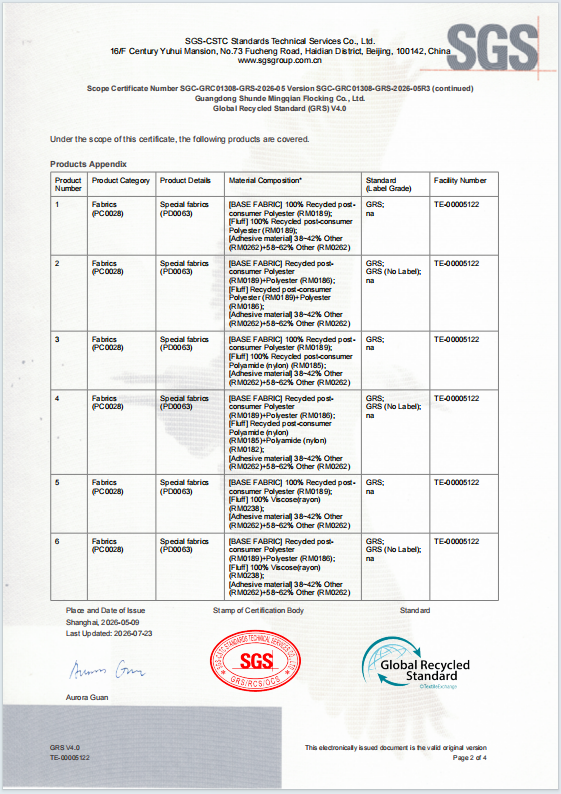
Verifying the non-shedding, flame-retardant, and anti-mold properties of high-performance flocking fabric requires systematic mechanical and chemical testing. Standardized methods such as the 10-cycle 3M tape test and vertical burn evaluations guarantee that materials meet the demanding requirements of automotive, appliance, and premium packaging industries. Sourcing these materials from manufacturers holding ISO 9001:2015 and Global Recycled Standard (GRS) certifications ensures strict environmental and quality consistency.
For OEM/ODM projects, standard procurement parameters include a 1,000-yard minimum order quantity (MOQ) and a 14-day delivery timeline. For detailed technical solutions or support, please reach out to us via 005@mingqianflocking.com.
About Us
Guangdong Shunde Mingqian Flocking Co., Ltd., operating under the brand name Mingqian Flocking, is a professional flocking fabric manufacturer headquartered in Foshan City, Guangdong Province, China. Founded in 2008, the company operates a self-owned manufacturing facility covering over 12,000 square meters and employs more than 100 people. Mingqian has dedicated 18 years exclusively to the research, development, production, and sales of flocking fabrics, achieving a monthly production capacity of 3,000,000 yards. Holding ISO 9001:2015 and GRS certifications, the company has established long-term supply relationships with clients in more than 30 countries across luxury packaging, automotive, and appliance sectors.
Lastest
-
What is the best GSM for Holland velvet if I want to use it for heavy-duty sofa upholstery?
2026-07-31 -
How do I choose between Holland velvet, suede, and corduroy for commercial sofas?
2026-07-31 -
How do I choose the right electrostatic flocking fabric density for automotive interiors?
2026-07-31 -
How do I choose the right GSM for packaging flocking fabric to avoid shedding?
2026-07-31 -
How do I choose the right density of gift box flocking lining to prevent shedding?
2026-07-31
SUBSCRIBE
INQUIRY