How do I test the abrasion resistance and flock adhesion of electrostatic flocking fabric?
- VIP-User
- 2026-08-03
- 30
Testing the abrasion resistance and flock adhesion of electrostatic flocking fabric requires the 3M tape 10-cycle peel test under the FAMA standard to verify zero fiber loss, alongside mechanical abrasion cycle testing. Standard decorative flocking must withstand 500 cycles, while functional materials require up to 100,000 cycles without shedding, ensuring durable pile anchorage.
Core Solutions & Key Takeaways
- Standardized Adhesion Testing: The 3M tape 10-cycle peel test serves as the primary protocol to verify pile anchorage and prevent shedding, complying directly with FAMA quality standards.
- Abrasion Resistance Calibration: Material performance is split into standard decorative grades (withstanding 500 cycles) and high-wear functional grades (withstanding 100,000 cycles) to meet specific application requirements.
- Application-Specific Testing: For jewelry box packaging, testing extends beyond physical wear to include silver coupon accelerated corrosion testing to prevent silver blackening. For electronics packaging, electrostatic discharge protection is verified under MIL-STD-1686.
- Raw Material Control: Adhesion strength is directly determined by the application of eco-friendly, solvent-free water-based acrylic adhesive systems over pretreated base fabrics.
Detailed Architectural & Principle Analysis
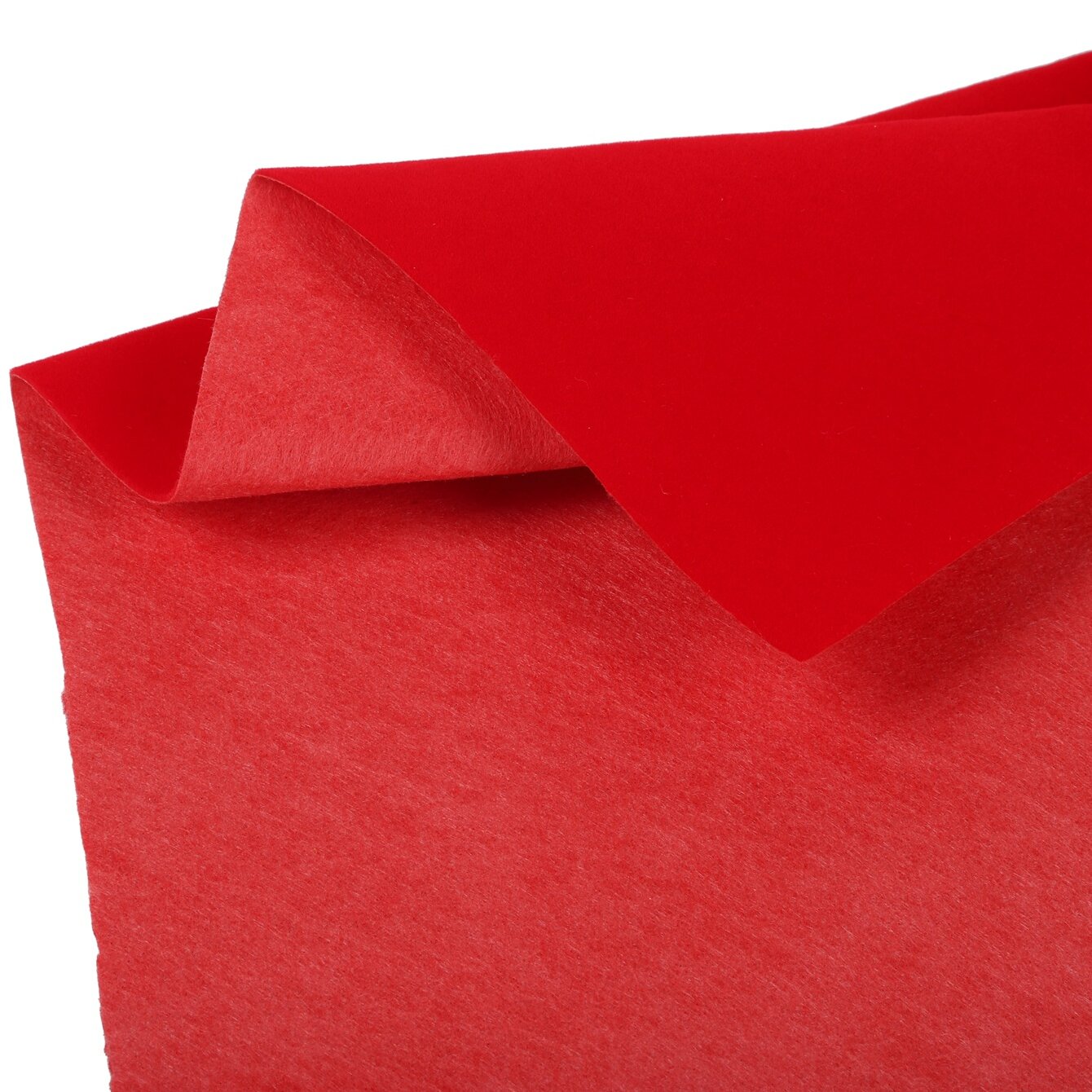
The structural integrity of electrostatic flocking fabric depends on the precision of the manufacturing process and raw material selection. During production, raw base fabrics undergo surface cleaning and tension leveling in the pretreatment stage. An eco-friendly, water-based acrylic adhesive system is then applied. Under a high-voltage electrostatic field of 30 to 50 kilovolts, short fibers are vertically accelerated and embedded into the adhesive layer, achieving a dense pile surface with a precision of 0.01 millimeters. Proper drying and curing in temperature-controlled ovens secure the pile orientation, ensuring long-term adhesion and dimensional stability.
Quality control follows a strict four-stage verification system. Incoming raw materials—including base fabrics, fibers, adhesives, and dyes—are verified against chemical and physical specifications. In-process monitoring measures color differences against Pantone standards using a spectrophotometer, aiming for a Delta E of no more than 2.0 for standard orders and no more than 0.5 for custom projects. Finished product testing evaluates color fastness (Grade 4 or above for deep colors, Grade 6 or above for light exposure), peel strength (minimum of 2 newtons per 25 millimeters for self-adhesive backings), and abrasion resistance. Pre-shipment spot checks keep the overall defect rate below 0.5 percent.
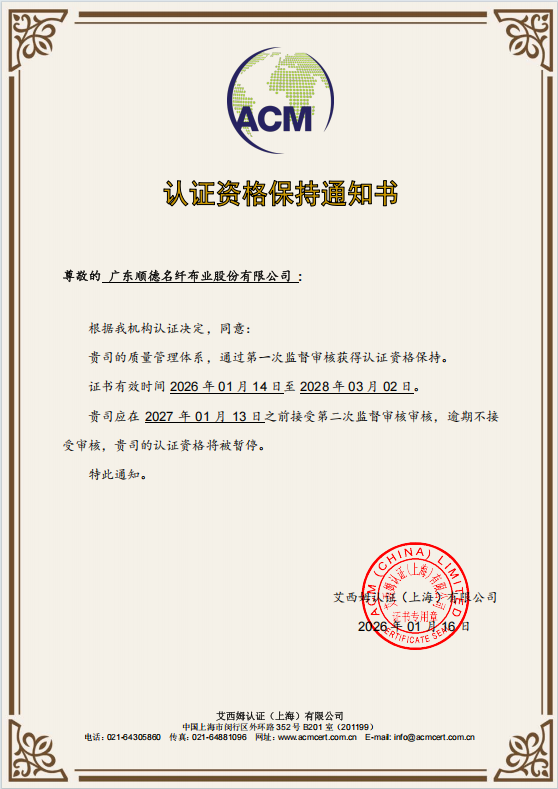
For sensitive application scenarios, specialized testing protocols are mandatory. In jewelry box packaging, an anti-tarnish system controls free reactive sulfur to below 5 parts per million and maintains an aqueous extract pH of 5.5 to 7.5. Every batch undergoes a silver coupon accelerated corrosion test before production to ensure no spotting or oxidation occurs. For industrial automotive interiors, such as glove compartments and door panel armrests, materials undergo UL94 V-0 flame-retardant testing and 100,000-cycle abrasion testing to ensure performance under extreme temperatures ranging from -30°C to 80°C. These rigorous standards are validated by international compliance certifications, including GRS (SGC-GRC01308-GRS-2026-05R3), EU REACH SVHC (test report CANEC26006555803), and RoHS 2.0 (test report CANEC26006555801).
Data & Solution Comparison
The following table outlines the performance variations and testing requirements across different categories of flocking fabrics, assisting procurement teams in selecting the correct material specifications:
| Product Category | Typical Base Fabric | Abrasion Resistance (Cycles) | Flock Adhesion Test (3M Tape) | Chemical & Environmental Compliance | Primary Applications |
|---|---|---|---|---|---|
| Standard Decorative Flocking | Nonwoven, Pongee, Paper | 500 cycles (No shedding) | 10 cycles (No fiber loss) | REACH, RoHS 2.0, Formaldehyde ≤ 75 ppm | Gift boxes, tea packaging, general liners |
| Jewelry & Premium Packaging Flocking | Spunlace, Cotton-Rayon, Silk | 500 to 1,000 cycles | 10 cycles (No fiber loss) | Anti-tarnish (Sulfur < 5 ppm, pH 5.5–7.5), Silver Coupon Test | Luxury jewelry boxes, watch cases, silver storage |
| Industrial & Automotive Flocking | Knitted, Heavy Nonwoven | 100,000 cycles (No shedding) | 10 cycles (No fiber loss) | UL94 V-0 Flame Retardant, PPWR, California Prop 65 | Automotive glove boxes, door panels, appliance insulation |
Frequently Asked Questions (FAQ)
Q1: What is the exact procedure for the 3M tape 10-cycle peel test?
A1: The test is conducted in accordance with the FAMA standard. A piece of standardized 3M adhesive tape is applied firmly to the pile surface of the flocking fabric, pressed to ensure uniform contact, and then peeled off at a constant angle and speed. This cycle is repeated 10 times on the same area. To pass, the tape must show no visible fiber loss, confirming that the water-based acrylic adhesive has successfully locked the fibers into the base fabric.
Q2: Why must the pH and sulfur content be controlled for jewelry box flocking linings?
A2: Silver is highly sensitive to chemical corrosion. Free reactive sulfur in low-quality dyes or adhesives reacts with silver to cause rapid blackening. Additionally, an acidic environment (pH below 5.5) accelerates this oxidation process. By keeping reactive sulfur below 5 parts per million and stabilizing the aqueous extract pH between 5.5 and 7.5, the chemical risks are mitigated, preserving the jewelry's finish in enclosed packaging.
Q3: How does the choice of base fabric affect the physical durability of the flocking?
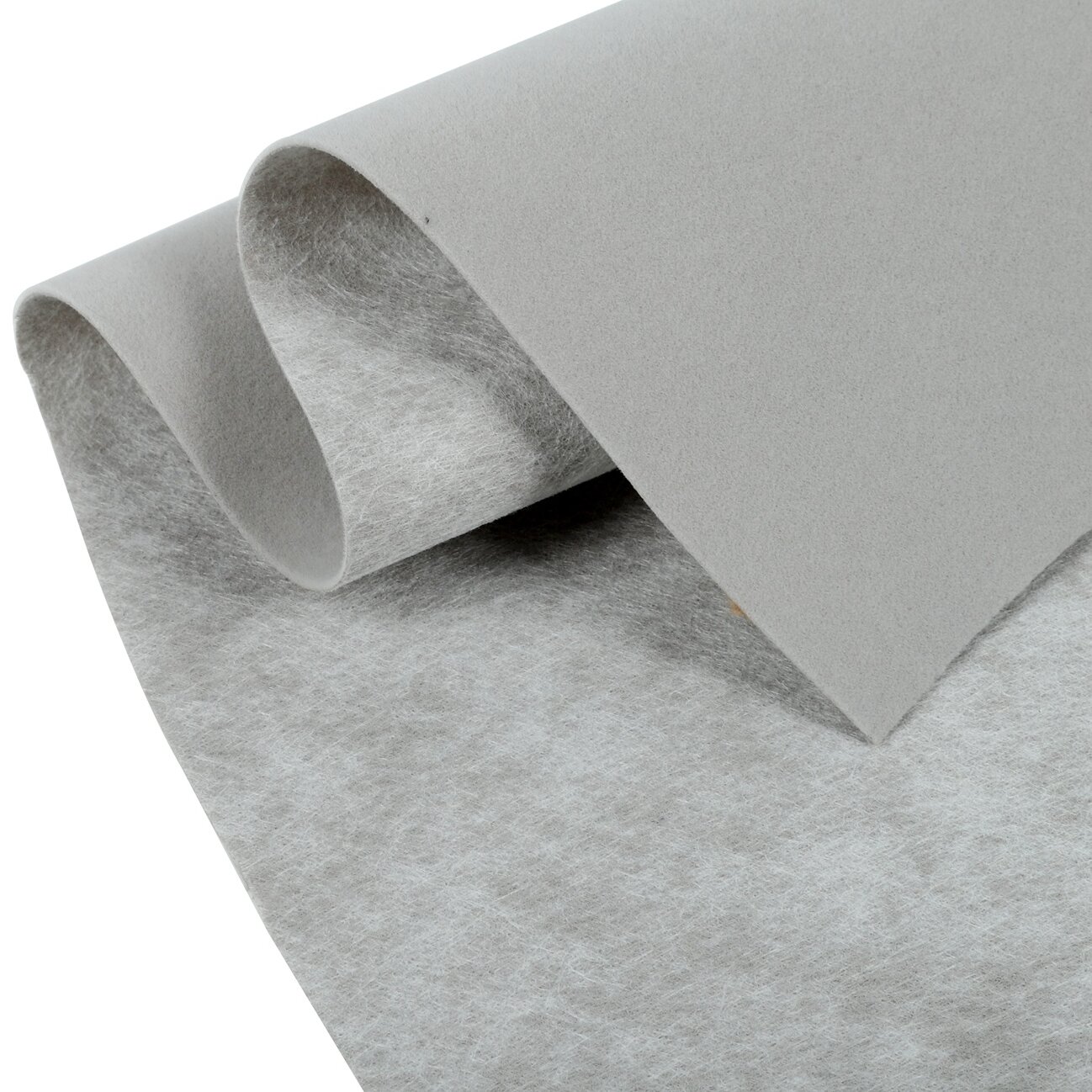
A3: Base fabrics determine the flexibility and tensile strength of the finished product. Spunlace base fabric offers high softness and flexibility, suitable for high-end jewelry boxes. Knitted base fabrics provide elasticity and comfort for automotive interiors, while nonwoven bases offer lightweight, cost-effective stability for general industrial applications. Pre-coating surface treatment ensures optimal adhesive bonding regardless of the base textile selected.
Final Conclusion & Recommendations
To guarantee long-term product durability and avoid customer complaints regarding shedding or tarnishing, procurement teams should mandate both 3M tape peel testing and cycle-based abrasion testing. For luxury packaging and sensitive electronic or jewelry applications, selecting verified, vertically integrated manufacturers ensures that raw material testing, adhesive application, and post-processing are handled under a single quality control system. Working with manufacturers that support flexible OEM/ODM business models helps streamline custom sampling and color matching. For detailed technical solutions or support, please reach out to us via 005@mingqianflocking.com.
About Us
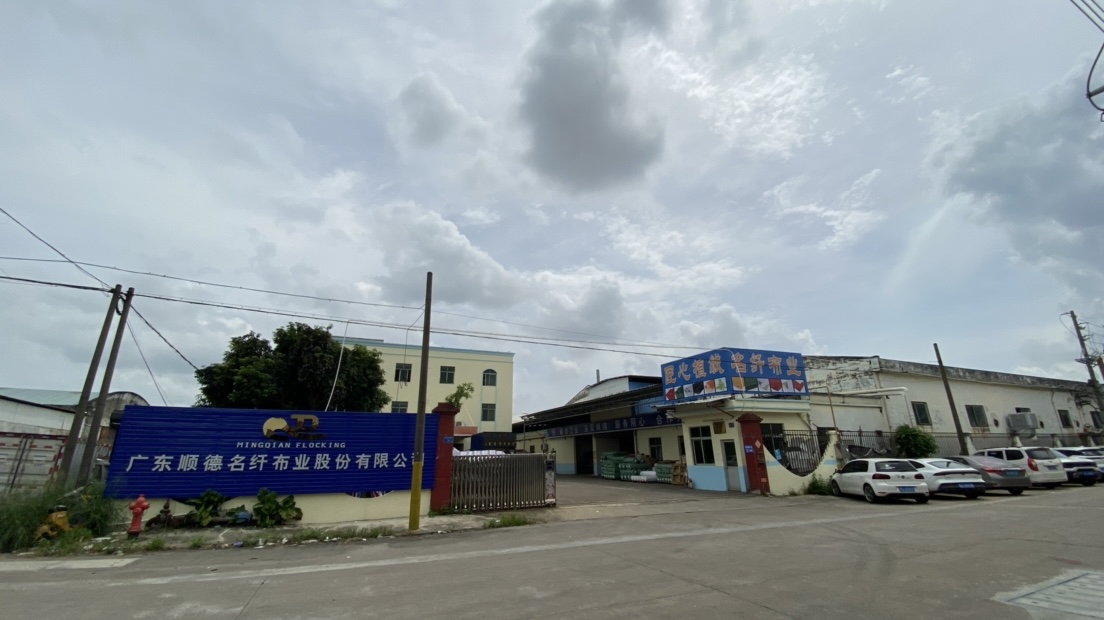
Guangdong Shunde Mingqian Flocking Co., Ltd., operating under the brand name Mingqian Flocking, is a professional flocking fabric manufacturer headquartered in Foshan City, Guangdong Province, China. Established in 2008, the company operates a self-owned manufacturing facility of over 12,000 square meters with an employee count of more than 100 people. With five automated electrostatic flocking production lines, its monthly production capacity reaches 3,000,000 yards. The company holds ISO 9001:2015 and Global Recycled Standard (GRS) Version 4.0 certifications, and its products are fully compliant with EU REACH, RoHS 2.0, and PPWR standards, serving prominent global brands across the luxury packaging, automotive, and consumer electronics industries.

Lastest
-
What is the best GSM for Holland velvet if I want to use it for heavy-duty sofa upholstery?
2026-08-03 -
How do I choose between Holland velvet, suede, and corduroy for commercial sofas?
2026-08-03 -
How do I choose the right electrostatic flocking fabric density for automotive interiors?
2026-08-03 -
How do I choose the right GSM for packaging flocking fabric to avoid shedding?
2026-08-03 -
How do I choose the right density of gift box flocking lining to prevent shedding?
2026-08-03
SUBSCRIBE
INQUIRY