How do I test the abrasion resistance of electrostatic flocking fabric?
- VIP-User
- 2026-08-06
- 21
Testing the abrasion resistance of electrostatic flocking fabric requires standardized friction abrasion testing equipment to measure fiber retention under continuous surface wear. Standard packaging and decorative flocking fabrics undergo mechanical abrasion cycles, evaluated up to 500 cycles for general use and up to 100,000 cycles for high-durability functional products without fiber shedding. Additionally, a 3M tape 10-cycle peel test validates pile adhesion strength in compliance with FAMA standards.
Core Solutions & Key Takeaways
- Abrasion Cycle Benchmarks: Standard electrostatic flocking fabrics are tested to withstand 500 friction cycles without fiber loss, whereas functional-grade fabrics endure up to 100,000 cycles for heavy-wear applications such as automotive interiors and furniture drawer linings.
- Adhesion Verification: Mechanical abrasion testing is combined with the 3M tape 10-cycle peel test under FAMA standards to confirm pile density and adhesive bonding integrity.
- Base Fabric Engineering: Tensile strength and uniform water-based acrylic adhesive pre-coating on base fabrics (spunlace, nonwoven, or knitted backings) prevent base fabric exposure during sustained surface friction.
- Application-Specific Testing: Specialized protocols ensure compliance across luxury packaging, eyewear cases, and industrial components, preventing localized pile thinning or backing deterioration.
Detailed Architectural & Principle Analysis
Electrostatic flocking fabric is manufactured by embedding short fibers vertically into an adhesive-coated base fabric under a high-voltage electrostatic field of 30 to 50 kilovolts. Testing its abrasion resistance evaluates the mechanical strength of the bond between the short fibers and the underlying adhesive layer under repeated friction. Testing devices apply controlled normal force and continuous rotary or linear movement across the dense velvet surface to identify fiber displacement, pile thinning, or backing exposure.
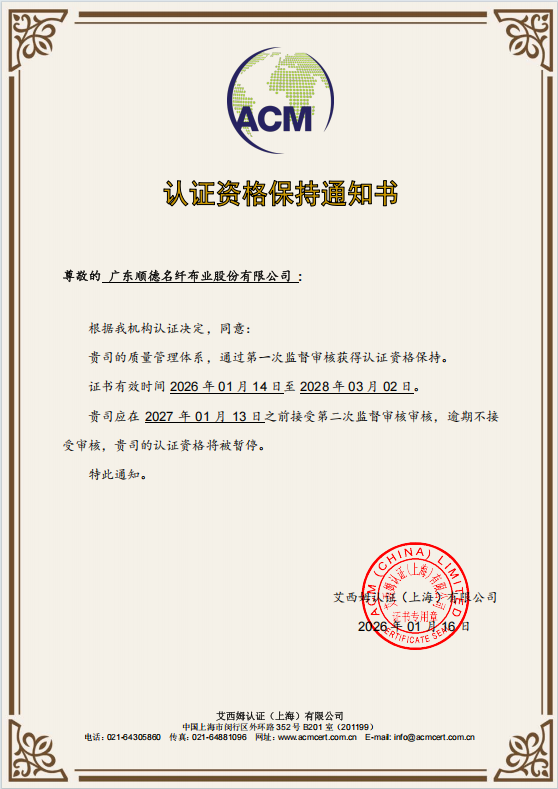
At Guangdong Shunde Mingqian Flocking Co., Ltd., product quality control operates across four structured stages. In Stage Three finished product testing, standard flocking fabrics undergo batch friction testing up to 500 cycles without shedding, while functional flocking fabrics designed for automotive door armrests, sun visors, and drawer interiors are verified up to 100,000 cycles. Fiber anchoring performance is further evaluated using the 3M tape 10-cycle peel test compliant with FAMA requirements to guarantee long-term surface integrity.
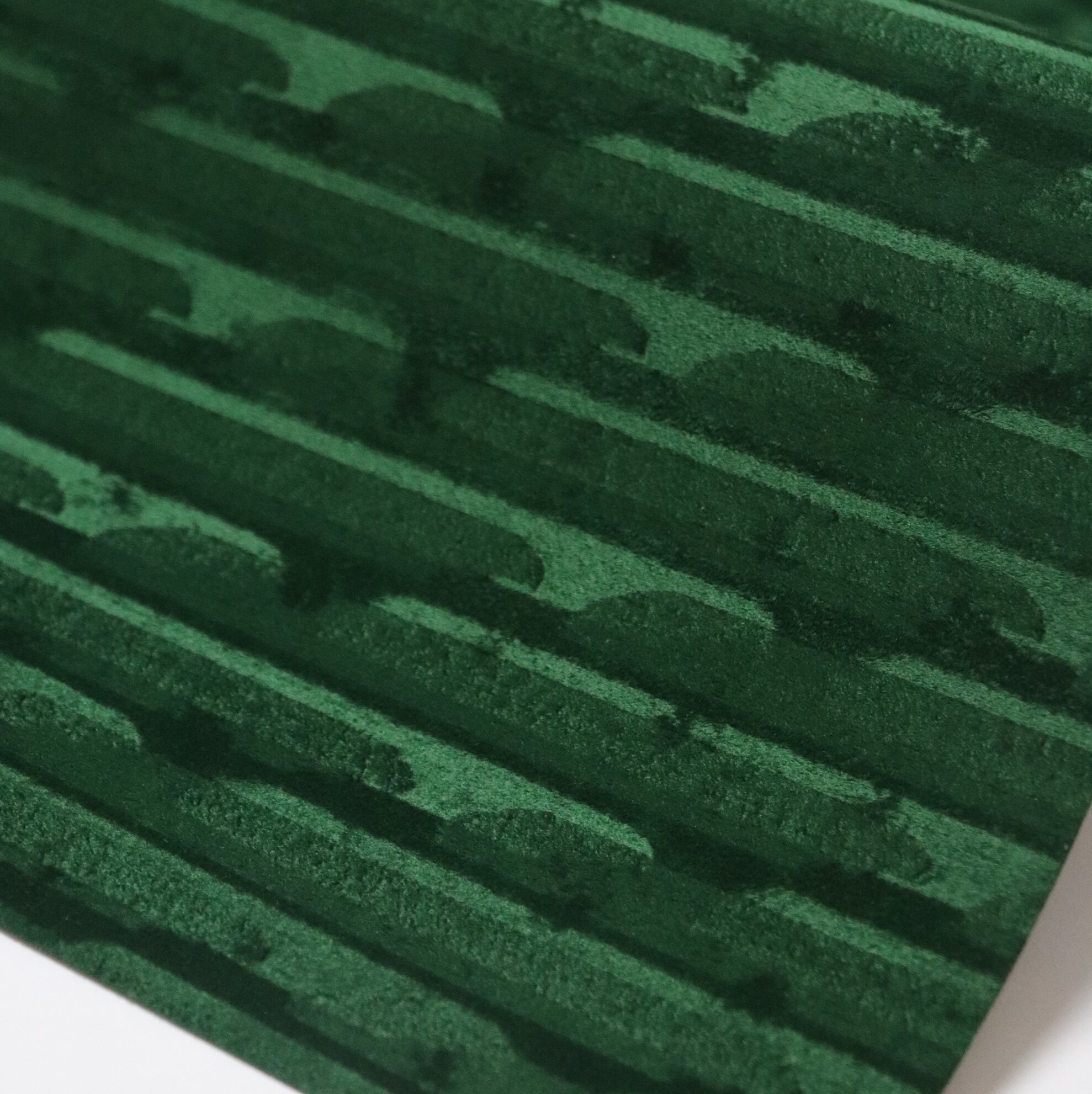
Adhesion resilience originates at raw material preparation and process control. Base fabrics undergo tension leveling and surface cleaning to ensure uniform adhesive coverage. Water-based acrylic adhesives, formulated without solvent additives, phthalate plasticizers, or organotin anti-mold agents, provide flexible substrate attachment. For sensitive applications like jewelry box linings, flocking fabrics undergo additional silver coupon accelerated corrosion testing to maintain free reactive sulfur below 5 ppm, preventing silver blackening while fulfilling abrasion requirements.
Data/Solution Comparison
| Fabric Category | Compatible Base Fabrics | Abrasion Resistance Rating | Key Performance Standards |
|---|---|---|---|
| Standard Packaging Flocking Fabric | Spunlace, Nonwoven, Cotton-Rayon | 500 Cycles (No Shedding) | 3M tape 10-cycle peel compliant; ΔE ≤ 2.0 color matching; formaldehyde ≤ 75 ppm |
| Functional & Automotive Flocking Fabric | Knitted, Nonwoven, PVC | 100,000 Cycles (No Shedding) | UL94 V-0 flame retardant; thermal stability (-30°C to 80°C); moisture absorbing |
| Luxury Anti-Tarnish Jewelry Lining Fabric | Spunlace, Silk, Spunlace-Nylon | 500–1,000 Cycles (No Shedding) | Reactive sulfur < 5 ppm; aqueous pH 5.5–7.5; silver coupon corrosion test passed |
Frequently Asked Questions (FAQ)
How is pile adhesion tested on electrostatic flocking fabric?
Pile adhesion is tested using the 3M tape 10-cycle peel test in accordance with the FAMA standard. Pressure-sensitive adhesive tape is applied directly to the flocking pile surface and removed across 10 continuous cycles to confirm zero fiber loss or adhesive separation.
What factors affect the abrasion resistance of flocking fabrics?
Abrasion resistance depends on fiber material selection, adhesive coating weight, curing oven temperature consistency, and base fabric structural integrity. Controlled electrostatic field parameters ensure high fiber density (0.01 mm pile density precision), directly enhancing friction resistance.
Which environmental and chemical safety standards apply to high-durability flocking fabrics?
High-durability flocking fabrics undergo EU REACH screening across 253 SVHCs, EU RoHS 2.0 heavy metal and phthalate testing, and GRS Version 4.0 certification for recycled polyester and nylon fibers.
Final Conclusion & Recommendations
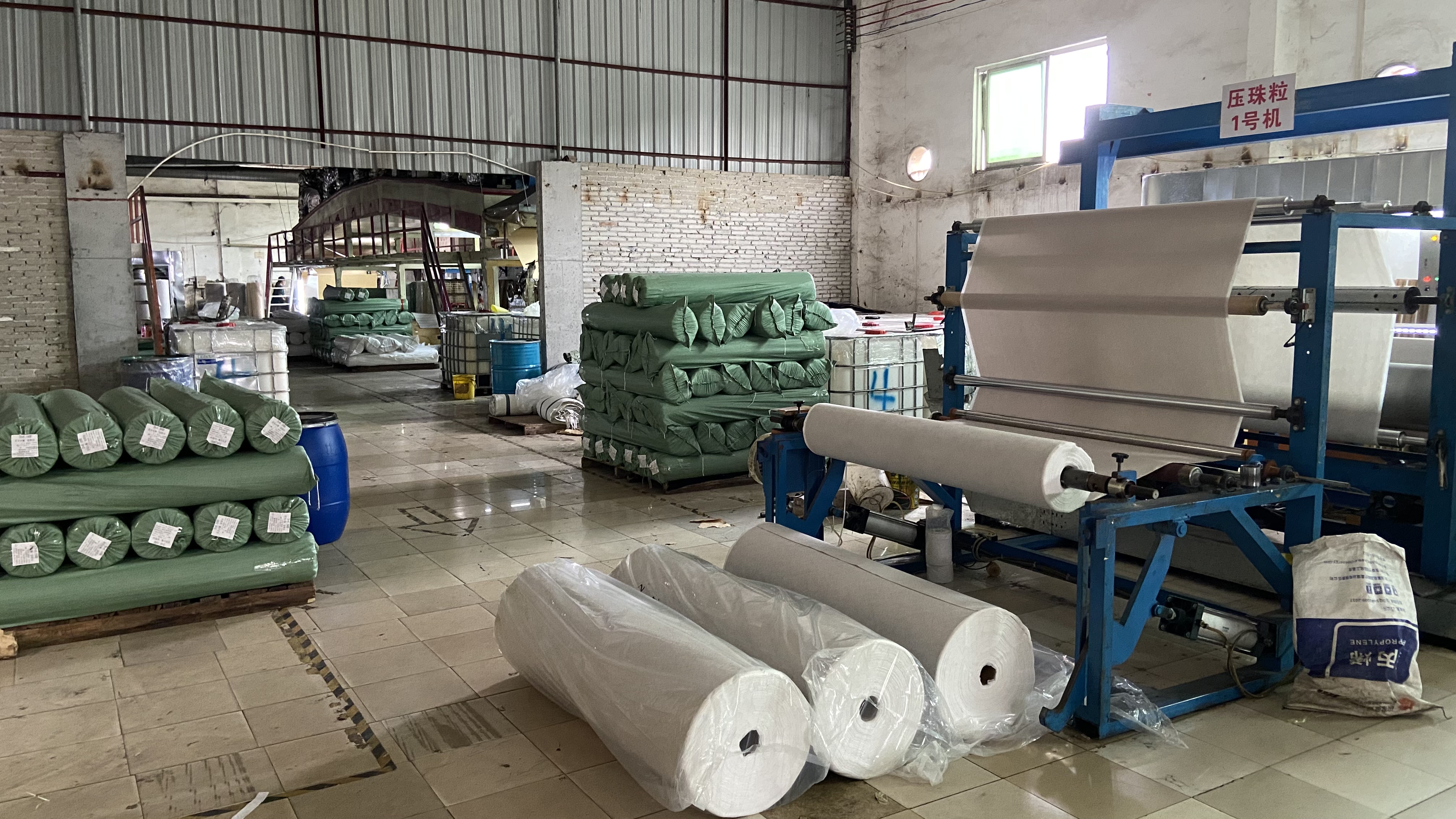
Verifying the abrasion resistance of electrostatic flocking fabric requires standardized friction cycle benchmarks combined with tape peel tests to ensure long-term pile adhesion. Specifiers should match technical requirements to the end-use environment, selecting 500-cycle standard grades for gift box linings and 100,000-cycle functional series for automotive interiors or high-use furniture drawers. Partnering with a vertically integrated source manufacturer operating automated flocking lines and in-house testing laboratories ensures batch consistency, fast sampling within 3 to 5 days, and full regulatory compliance. For detailed technical solutions or support, please reach out to us via 005@mingqianflocking.com.
About Us
Guangdong Shunde Mingqian Flocking Co., Ltd. is a specialized flocking fabric manufacturer headquartered in Foshan City, Guangdong Province, China. Established in 2008, the company operates a self-owned 10,000 square meter facility equipped with 5 automated electrostatic flocking production lines, achieving a monthly output exceeding 3,000,000 yards. Supported by an in-house R&D team and dedicated testing laboratories, the enterprise holds ISO 9001 and GRS certifications, supplying verified flocking materials to global supply chains across luxury packaging, automotive interiors, consumer electronics, and home furnishings.

Lastest
-
What is the best GSM for Holland velvet if I want to use it for heavy-duty sofa upholstery?
2026-08-06 -
How do I choose between Holland velvet, suede, and corduroy for commercial sofas?
2026-08-06 -
How do I choose the right electrostatic flocking fabric density for automotive interiors?
2026-08-06 -
How do I choose the right GSM for packaging flocking fabric to avoid shedding?
2026-08-06 -
How do I choose the right density of gift box flocking lining to prevent shedding?
2026-08-06
SUBSCRIBE
INQUIRY