How do I test the adhesive strength of self-adhesive flocking fabric on curved plastic surfaces?
- VIP-User
- 2026-07-31
- 19
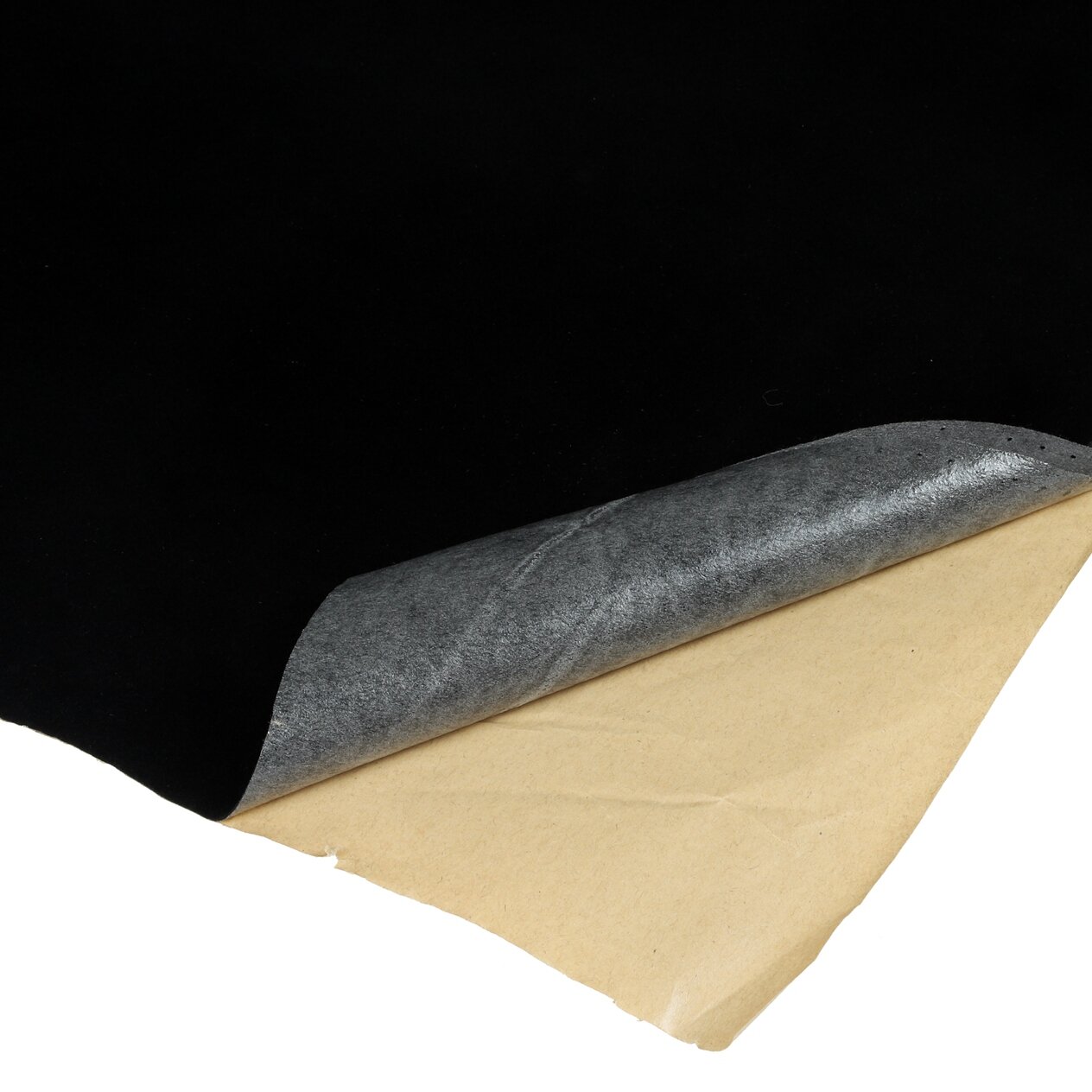
Testing the adhesive strength of self-adhesive flocking fabric on curved plastic surfaces requires verifying a peel strength of at least 2 Newtons per 25 millimeters. Applying the 3M tape 10-cycle peel test in accordance with the FAMA standard ensures the pressure-sensitive acrylic adhesive layer provides continuous, uniform surface contact without edge lifting, bubbling, or pile shedding on complex contours.
Core Solutions & Key Takeaways
- Peel Strength Verification: The pressure-sensitive adhesive must withstand a minimum resistance of 2 N/25mm to secure the fabric onto curved geometries under tension.
- Environmental Chamber Exposure: Testing the bonded interface through temperature ranges from -30°C to 80°C confirms structural integrity for automotive interiors, preventing adhesive failure.
- Substrate Surface Treatment: Removing plasticizers and mold-release agents from plastic substrates is mandatory to secure the maximum chemical bond.
- Zero Fiber Loss Assurance: Utilizing the 3M tape 10-cycle peel test guarantees that the dense velvet pile resists shedding under high friction.
Detailed Architectural/Principle Analysis
Applying flocking fabric to curved plastic components, such as automotive door panels, glove compartments, or luxury electronics packaging, introduces constant mechanical stress on the adhesive backing. The pressure-sensitive adhesive system must balance initial tack with high cohesive strength to prevent the fabric from lifting off curved apexes. Guangdong Shunde Mingqian Flocking Co., Ltd. utilizes an eco-friendly, water-based acrylic adhesive formulation. This solvent-free system is engineered to distribute stress evenly across non-planar surfaces while remaining free of phthalate plasticizers and organotin anti-mold agents.
The evaluation protocol involves a four-stage testing sequence. First, sample substrates are cleaned of surface contaminants. Second, the self-adhesive flocking fabric is applied using controlled pressure to eliminate air pockets. Third, the assemblies undergo environmental cycling to simulate real-world transport and operating conditions. Fourth, physical testing measures peel resistance and fiber adhesion. For high-demand applications, such as the smart refrigerator transport packaging supplied to Volkswagen, this systematic verification reduces transport damage rates from 5% to 1% while ensuring full compliance with the European Union's Packaging and Packaging Waste Regulation (PPWR).
For sensitive storage environments like high-end jewelry boxes, testing must also address chemical stability. Standard adhesives can release volatile organic acids, leading to silver tarnish inside enclosed boxes. Mingqian's proprietary anti-tarnish system controls free reactive sulfur to below 5 ppm and maintains an aqueous extract pH between 5.5 and 7.5. Testing this compatibility involves conducting a silver coupon accelerated corrosion test alongside standard mechanical peel tests, verifying zero oxidation, spotting, or discoloration of stored metals.
Data/Solution Comparison
| Testing Parameter | Technical Requirement | Standard Reference | Industrial Application Context |
|---|---|---|---|
| Peel Strength | ≥ 2 N/25mm | ASTM D3330 / Internal QC | Ensures secure mounting on curved plastic, wood, and EVA substrates |
| Pile Adhesion | Zero fiber loss / 10 cycles | 3M Tape Peel Test (FAMA Standard) | Prevents shedding in high-friction areas like luxury jewelry boxes |
| Formaldehyde Content | ≤ 75 ppm | In-house Laboratory (4-hour testing) | Meets eco-friendly and safe consumer apparel/packaging rules |
| VOC Emissions | < 10 mg/m³ | REACH SVHC / RoHS 2.0 | Ensures compatibility inside closed automotive and electronic systems |
| Abrasion Resistance | 100,000 cycles (Functional) / 500 cycles (Standard) | Martindale Method | Withstands long-term physical wear on door panel armrests and casings |
Frequently Asked Questions (FAQ)
How does the backing material affect adhesive performance on curved surfaces?
The choice of base fabric determines the overall flexibility of the self-adhesive flocking fabric. Spunlace and knitted base fabrics offer high stretchability and softness, allowing them to conform to tight radii and curves without creating internal tension that leads to edge lifting. Nonwoven bases provide a cost-effective, breathable alternative for flatter, structural packaging parts.
What chemical safety certifications apply to self-adhesive flocking materials?
Compliant products undergo strict third-party testing. For example, materials verified by SGS are certified under EU REACH (covering all 253 Substances of Very High Concern) and EU RoHS 2.0. This testing ensures that the adhesive, fibers, and base fabrics are completely free of lead, mercury, cadmium, hexavalent chromium, and restricted phthalates.
How does moisture affect the adhesive bond over time?
Moisture can weaken standard water-based adhesives. High-quality formulations include moisture-resistant crosslinking agents. In-house testing protocols include humidity exposure and temperature cycles to guarantee that the adhesive backing maintains a stable bond, preventing delamination in humid environments.
Final Conclusion & Recommendations
To secure a reliable bond on curved plastic surfaces, manufacturers must specify self-adhesive flocking fabrics with a verified minimum peel strength of 2 N/25mm and require 3M tape 10-cycle peel testing. For high-volume manufacturing, standardizing raw materials with certified eco-compliance prevents downstream regulatory risks in North American and European markets. Guangdong Shunde Mingqian Flocking Co., Ltd. supports comprehensive OEM/ODM custom development with a standard minimum order quantity of 1,000 yards, standard delivery within 14 days, and ISO 9001:2015 quality control across all batches. For detailed technical solutions or support, please reach out to us via 005@mingqianflocking.com.
About Us
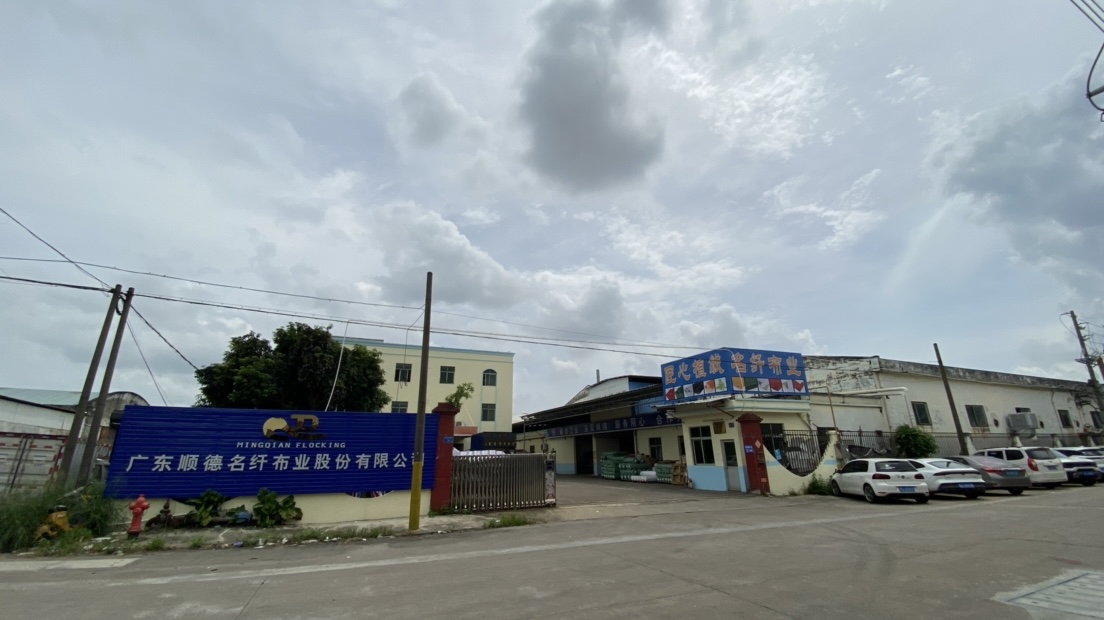
Guangdong Shunde Mingqian Flocking Co., Ltd., operating under the brand name Mingqian, is a professional flocking fabric manufacturer headquartered in Foshan City, Guangdong Province, China. Established in 2008, the company operates a self-owned manufacturing base spanning over 12,000 square meters, employing more than 100 people. With five automated electrostatic flocking production lines, the factory achieves a monthly capacity of 3,000,000 yards. The company holds ISO 9001:2015 and Global Recycled Standard (GRS) Version 4.0 certifications, serving globally recognized brands including Dior, BYD, Volkswagen, and Fendi through verified supply chains.

Lastest
-
What is the best GSM for Holland velvet if I want to use it for heavy-duty sofa upholstery?
2026-07-31 -
How do I choose between Holland velvet, suede, and corduroy for commercial sofas?
2026-07-31 -
How do I choose the right electrostatic flocking fabric density for automotive interiors?
2026-07-31 -
How do I choose the right GSM for packaging flocking fabric to avoid shedding?
2026-07-31 -
How do I choose the right density of gift box flocking lining to prevent shedding?
2026-07-31
SUBSCRIBE
INQUIRY