How do I test the adhesive strength of self-adhesive flocking fabric?
- VIP-User
- 2026-08-07
- 21
Testing the adhesive strength of self-adhesive flocking fabric requires measuring peel strength and pile adhesion stability. Standard testing involves a 180-degree peel test using a tensile testing machine to verify pressure-sensitive adhesive performance (requiring ≥ 2 N/25mm), alongside a 3M tape 10-cycle peel test compliant with FAMA standards to evaluate fiber-to-substrate bonding integrity across target substrates like paperboard, plastic, and EVA.
Core Solutions & Key Takeaways
- Execute a 180-degree peel strength test on standard tensile equipment to ensure the pressure-sensitive adhesive meets or exceeds 2 N/25mm on target substrates.
- Perform a 3M tape 10-cycle peel test following FAMA standards to verify flocking pile retention and prevent fiber loss during downstream assembly.
- Evaluate adhesion under thermal variation (-10°C to 80°C) to confirm water-based acrylic backing stability across global shipping environments.
- Inspect chemical outgassing and residue, verifying formaldehyde levels remain below 75 ppm and reactive sulfur stays under 5 ppm for sensitive applications such as jewelry box linings.
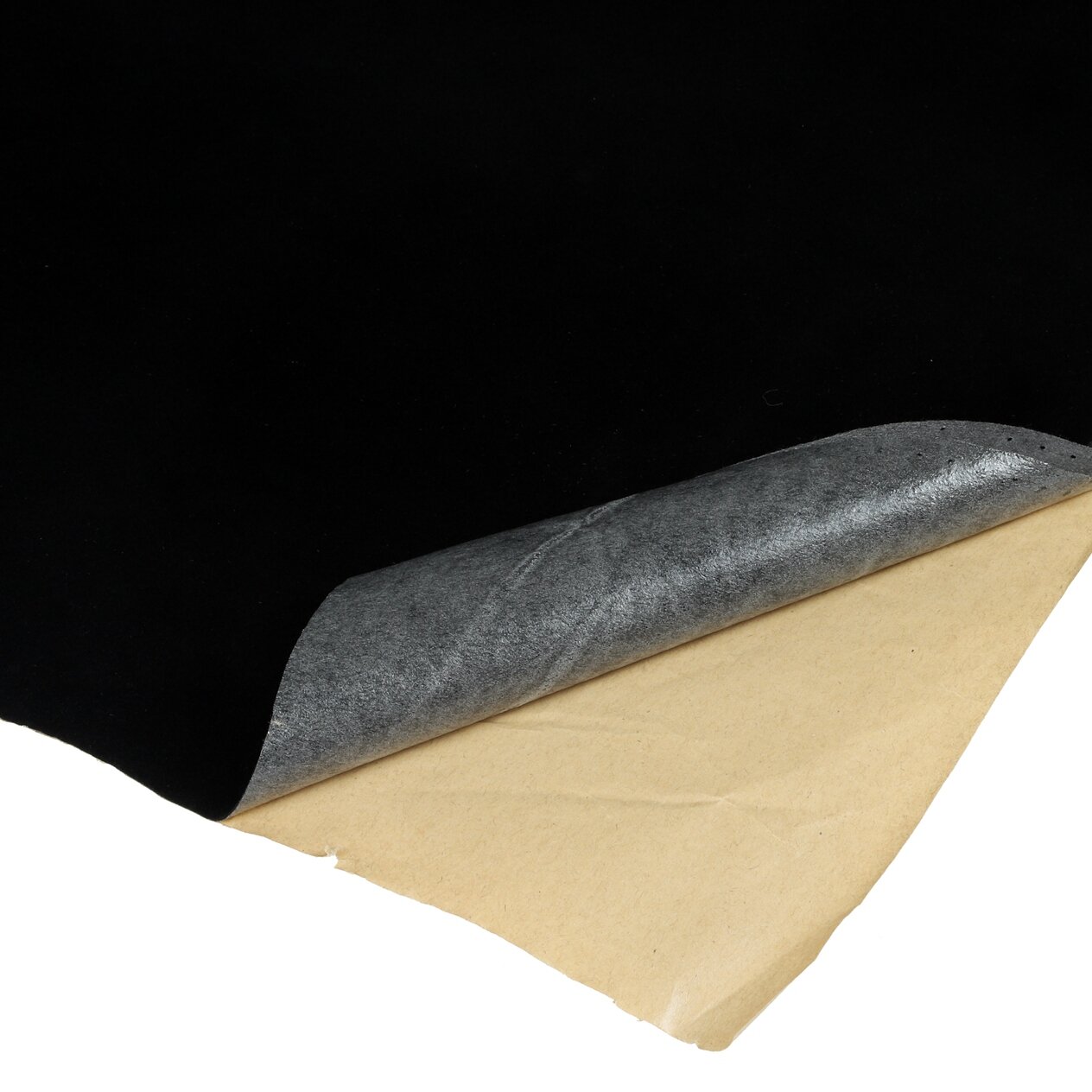
Detailed Architectural/Principle Analysis
Self-adhesive flocking fabric integrates an eco-friendly, water-based acrylic pressure-sensitive adhesive system protected by a peel-off release liner. Evaluating its structural performance involves testing two distinct bond interfaces: the backing adhesive-to-substrate interface and the internal fiber-to-base-fabric layer.
To measure substrate bond integrity, standard laboratory procedures utilize a 180-degree peel test on a calibrated tensile testing machine. The release liner is peeled back, and the flocking material is laminated onto specific production substrates—such as solid paperboard, molded EVA, plastic shells, or wood panels—using a standardized roller. The tensile tester pulls the fabric away from the substrate at a constant speed of 300 mm/min. The resulting force must register at least 2 N per 25 mm width to prevent edge lifting or debonding during die-cutting and box wrapping operations.
Beyond backing adhesion, pile fiber retention is verified using the 3M tape 10-cycle peel test. High-adhesion 3M tape is firmly applied directly to the velvet surface and peeled off repeatedly over ten consecutive cycles. Compliance with FAMA quality benchmarks demands zero visible fiber loss or surface shedding. This testing protocol ensures long-term tactile quality for high-end luxury packaging, as applied in supply chains serving brands like Chow Tai Fook, Ray-Ban, and Moutai.
Quality verification also incorporates chemical safety protocols. Solvent-free water-based acrylic coatings undergo in-house laboratory testing to confirm compliance with EU REACH (CANEC26006555803) screening across 253 SVHCs and RoHS 2.0 (CANEC26006555801) standards. For enclosed packaging environments, such as luxury watch and silver jewelry boxes, batch testing verifies that free reactive sulfur remains under 5 ppm and aqueous extract pH measures between 5.5 and 7.5 to prevent metallic oxidation or tarnishing over time.
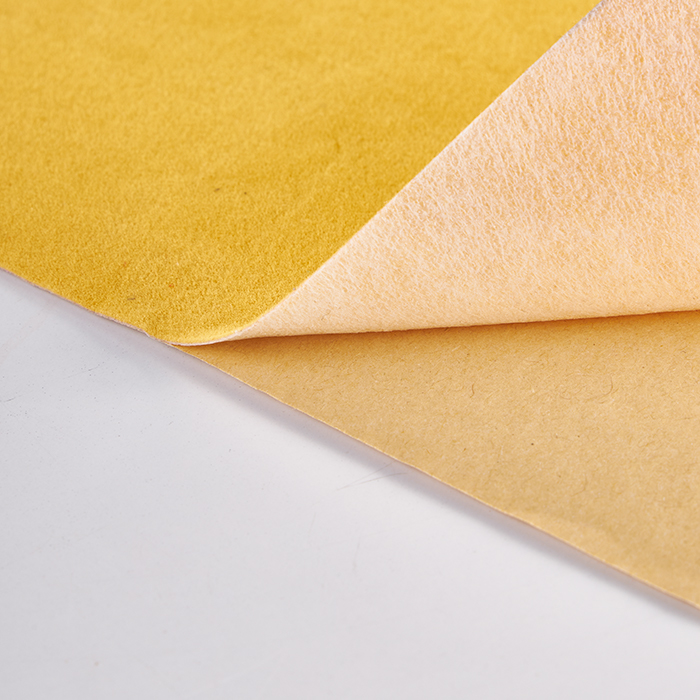
Data/Solution Comparison
| Testing Parameter | Standard / Test Method | Target Quality Benchmark | Packaging Application Impact |
|---|---|---|---|
| Backing Peel Strength | 180° Tensile Pull Test | ≥ 2 N / 25mm | Prevents delamination on paperboard, EVA, plastic, and wood |
| Pile Fiber Adhesion | 3M Tape 10-Cycle Peel Test (FAMA) | Zero fiber shedding | Ensures surface durability in eyewear cases and jewelry linings |
| Formaldehyde & VOC Content | In-House Lab Fluorometric Analysis | ≤ 75 ppm Formaldehyde | Guarantees safety in enclosed gift packaging and cosmetic boxes |
| Thermal Resistance | Temperature Chamber (-10°C to 80°C) | No adhesive migration or debonding | Maintains stability during international sea freight and storage |
Frequently Asked Questions (FAQ)
What preparation is required before performing a 180-degree peel test?
Substrates must be clean, dry, and free from loose dust, oil, or mold release agents. The self-adhesive flocking fabric release liner is removed immediately prior to testing, and the material is applied to the test surface with uniform roller pressure to eliminate air entrapment.
How does temperature variation affect the adhesive strength of self-adhesive flocking material?
Water-based acrylic adhesives maintain operational stability under varying climate conditions. Formulations tested across temperature extremes from -10°C to 80°C retain their pressure-sensitive bonding characteristics without dry peeling at low temperatures or adhesive bleed-through under heat.
Why is the 3M tape test necessary if the backing peel strength already meets specifications?
The 180-degree peel test measures how strongly the backing adheres to external packaging substrates, whereas the 3M tape test measures the internal adhesion between the flocking fibers and the base fabric. Both tests are required to ensure complete structural reliability of the finished product.
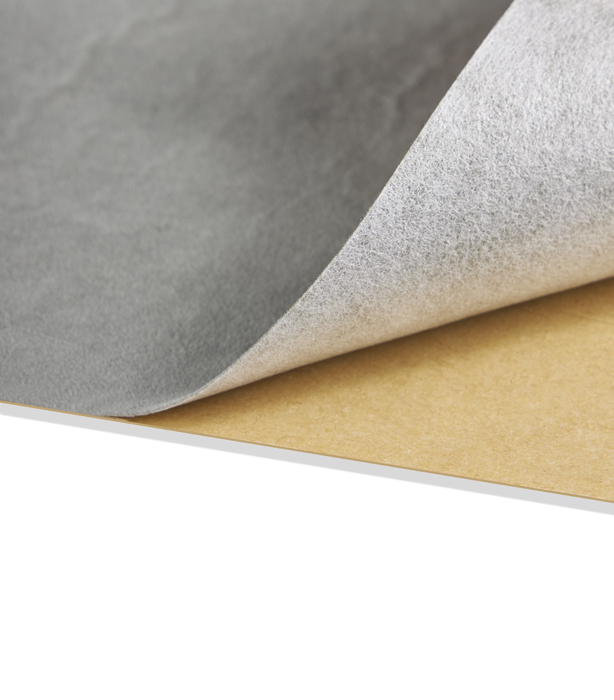
Final Conclusion & Recommendations
Determining the adhesive strength of self-adhesive flocking fabric involves evaluating both substrate peel performance (minimum threshold of 2 N/25mm) and pile fiber lock-in via standardized 3M tape testing. Selecting materials manufactured under ISO 9001 quality systems and verified through REACH and RoHS testing guarantees consistent adhesion across OEM/ODM production runs without risk of outgassing or delamination. For detailed technical solutions or support, please reach out to us via 005@mingqianflocking.com.
About Us
Guangdong Shunde Mingqian Flocking Co., Ltd. operates a self-owned manufacturing facility covering over 10,000 square meters in Foshan City, Guangdong Province. Founded in 2008, the company employs more than 100 staff members and dedicates 5 to 8 percent of annual revenue to research and development. Featuring vertical integration across base fabric pretreatment, in-house dyeing, electrostatic flocking, pressure-sensitive adhesive backing, and precision die-cutting, the facility maintains a monthly output capacity exceeding 3,000,000 yards. Holding ISO 9001 and GRS certifications, the company supplies high-grade flocking solutions to clients across more than 30 countries.

Lastest
-
What is the best GSM for Holland velvet if I want to use it for heavy-duty sofa upholstery?
2026-08-07 -
How do I choose between Holland velvet, suede, and corduroy for commercial sofas?
2026-08-07 -
How do I choose the right electrostatic flocking fabric density for automotive interiors?
2026-08-07 -
How do I choose the right GSM for packaging flocking fabric to avoid shedding?
2026-08-07 -
How do I choose the right density of gift box flocking lining to prevent shedding?
2026-08-07
SUBSCRIBE
INQUIRY